Stop the Shutdown Spiral: Repair or Replace Smarter
Unexpected failures in structural steel or process piping can turn a normal shift into a long, expensive shutdown. Production stops, people are standing around, and everyone is scrambling for answers. In large Houston plants, warehouses, and industrial facilities, even a short outage can ripple across schedules and contracts.
The first big question is simple: fix what failed or replace it completely? Industrial welding repairs in Houston can often get you back online faster and keep things safe, but sometimes a full replacement is the only responsible choice. The key is to look at every problem through a clear lens: code, condition, criticality, and cost. When we do that, we can help keep facilities running through the heavy spring and early summer push, without taking chances on safety or quality.
Reading the Warning Signs Before Steel Fails
Steel and pipe rarely fail out of nowhere. Most of the time, the warning signs were there, just hiding in the background. Some of the most common red flags we see include:
Corrosion under insulation on pipe and supports
Hairline cracks along weld toes and heat affected zones
Distortion or bowing around high stress points
Local metal fatigue at repeated load or vibration spots
On the flip side, surface rust alone does not always tell the whole story. Light oxidation might look ugly but still be structurally sound. The real concern is what you cannot see, especially in coastal air and humid conditions around Houston. Chemical exposure, constant moisture, cleaning cycles, and thermal expansion all work on the same joints, day after day.
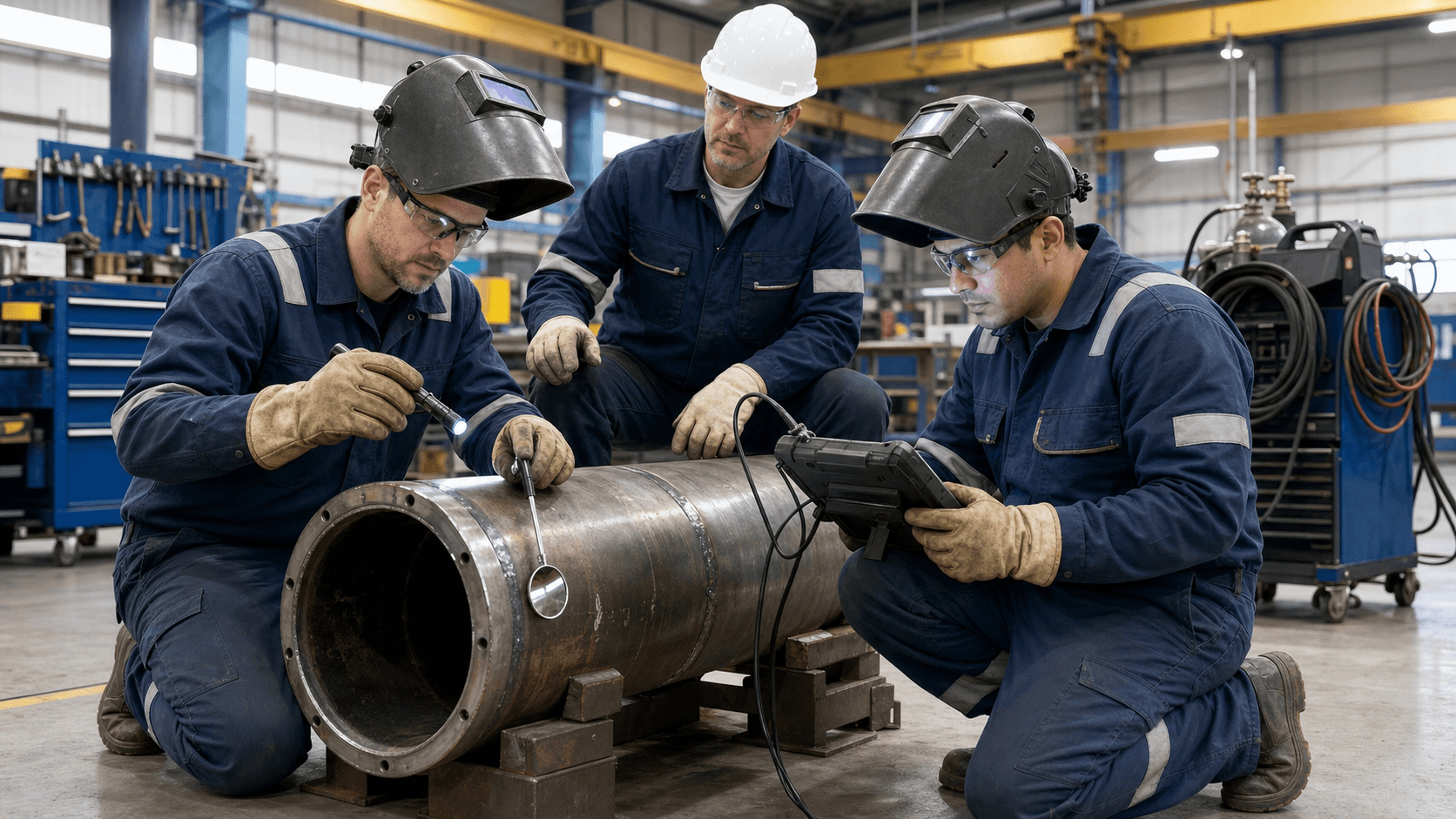
Regular inspections help catch these issues long before they become emergencies. When you pair visual checks with nondestructive testing like dye penetrant, magnetic particle, or ultrasonic testing, you can often identify a small area that can be safely repaired instead of replacing a whole beam, rack, or line. That early call can be the difference between a planned correction and an unplanned outage.
Safety, Codes, and Liability Drive the First Decision
Before anyone talks about money or schedule, we have to talk about safety and code. Structural steel and industrial piping work inside a web of standards and rules. For example, there are codes for structural steel welding, pressure piping, and building requirements at the city and state level, along with OSHA safety rules for workers and the public.
There are situations where repair is simply not on the table, such as:
A load bearing member that has lost too much section to safely carry design loads
Weld configurations that are not allowed under current codes
Previous undocumented “patches” on critical parts like lifting points or pressure parts
Damage to critical lifting or pressure components where full replacement is the only safe call
When repairs are possible, they still need to be done under qualified procedures, with certified welders and documented steps. Procedure qualifications and welder qualifications, along with inspection records, help plant managers, contractors, and owners show that they took reasonable, professional steps after a failure. That paper trail matters if questions come up later.
Cost and Downtime: When Repairs Win Over Replacement
Once we confirm that repair is safe and code compliant, cost and downtime come into play. Full replacement usually means new material, shop fabrication, transport, and sometimes large lifts or long access work. A focused weld repair can target only the damaged area and reuse as much existing steel or pipe as possible.
There are two big buckets to consider:
Direct work: material, prep, welding, and inspection
Indirect impact: lost production, crane time, permits, and access changes
For many facilities in the Houston area, the indirect costs are the real pain point. Getting a mobile welding crew on site can shorten the outage window, since we bring shop quality skills directly to the plant or warehouse. If an engineered, code compliant repair can safely extend the life of a structure or line, you gain time to plan a future capital project instead of making an instant high pressure decision.
Structural Steel, Piping, and Specialty Alloys
Each type of work has its own rules of thumb when weighing repair versus replacement.
For structural steel like beams, columns, mezzanines, and supports, we look closely at:
Load paths and how forces are moving through the structure
The condition of surrounding connections, not just the failed point
Fireproofing or coatings that will need to be removed and replaced
Whether plated or scab repairs can meet code under engineering review
With process and utility piping, the big questions are internal corrosion, thinning, weld quality, and leak history. Sometimes a small section replacement or welded sleeve is the right answer. Other times, when a line keeps failing in different spots, a new spool or longer run might be safer than chasing crack after crack.
Specialty alloys and high performance metals bring another layer of care. Stainless, chrome moly, aluminum, and other alloys used in refineries, chemical plants, and food grade facilities need specific filler metals, heat input control, and procedures. Repairs on these materials should be done by welders who are qualified on the exact alloy group, or you risk new cracks, brittleness, or early corrosion in the repair zone.
Seasonal Stresses in Houston’s Peak Production Months
Spring and early summer can be busy production months across Greater Houston. Heat, thermal expansion and contraction, and heavier production loads all tend to expose weak areas in structures and piping. Welds that were “good enough” in lighter service sometimes start to show cracks or leaks once everything ramps up.
This is also the lead up to hurricane season and stronger storm activity. It is a smart time to review:
Pipe racks and supports for corrosion and loose connections
Roof steel, ladders, platforms, and access structures for damage
Equipment skids and frames that may see wind or flood loads
Planning inspections and needed industrial welding repairs in Houston during shoulder periods or planned mini shutdowns helps reduce disruption when you are busiest. A mobile crew can work around operating lines where safe and allowed, and focus heavy work during scheduled breaks, so your schedule stays as steady as possible.
Turning Evaluation Into Action with a Repair Plan
A good evaluation turns stress into a clear plan. We like to follow a simple step by step path that plant and facility leaders can explain and defend.
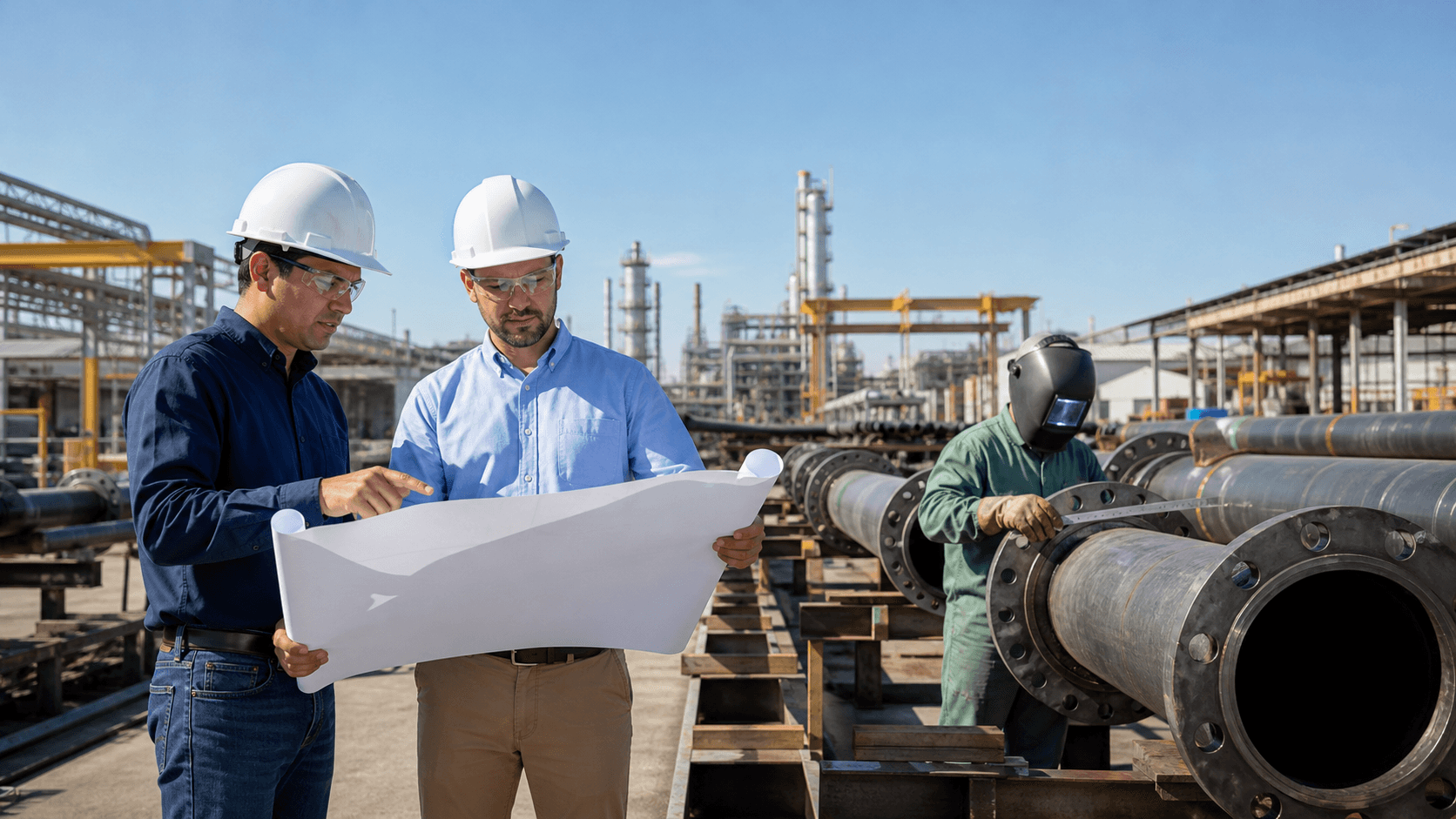
First comes the site walkdown, where we look at the damaged area, nearby supports, access limits, and any obvious safety concerns. Next is a review of drawings, previous repair notes, and any inspection records you have. When needed, we bring in NDT to check for hidden cracking or internal thinning. From there, engineering input helps determine what is structurally acceptable and which codes apply to the repair or replacement work.
Using that information, we build a written recommendation that compares a solid repair option to a full replacement option. Then we help prioritize the work so you can group items into:
Quick win weld repairs that remove immediate risk
Critical safety and compliance items that need fast action
Longer lead replacements that can be planned and staged
As a certified mobile welding and fabrication company, Weldit is set up to bridge shop quality fabrication with on site work across major Texas metros. We can fabricate new components in the shop, then send a mobile crew to your Houston area facility to complete code compliant repairs with as little downtime as possible. That way, the repair versus replacement decision becomes a structured process, not a last minute scramble.
Get Started With Your Project Today
If you need dependable industrial welding repairs in Houston, Weldit is ready to evaluate your project and provide a clear, practical solution. We take the time to understand your equipment, your schedule, and your safety requirements so the repair fits your operation, not the other way around. Reach out through our contact us page and we will follow up quickly to discuss scope, timing, and next steps. Let us help you get critical assets back online with welding work you can trust.