
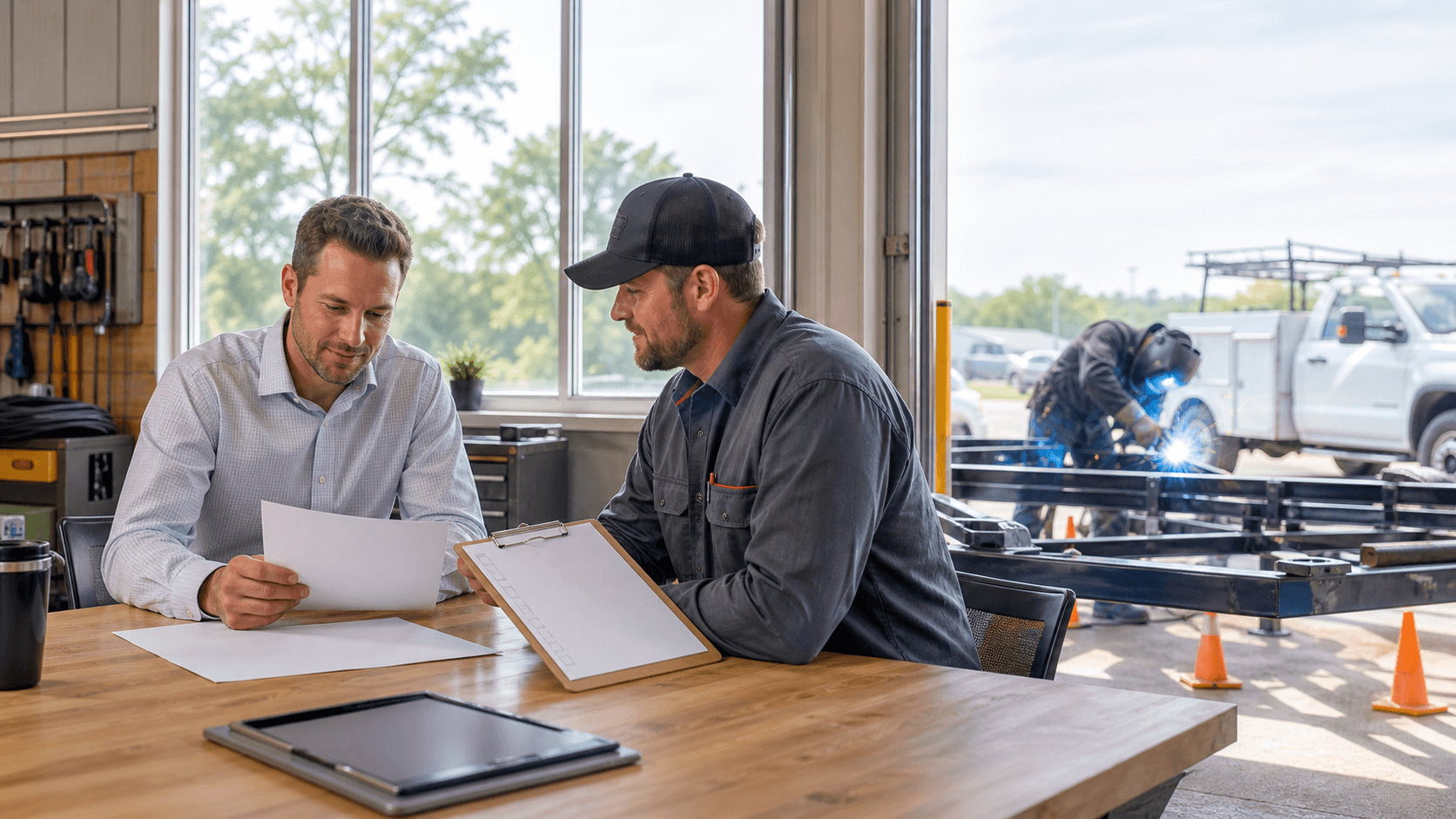
Secure Your Future in Welding Before You Sign Anything
Buying into a welding franchise can look like a fast track to owning your own shop or mobile rig. The demand across Texas is real, especially in late summer when plants schedule maintenance, refineries push turnarounds, and construction sites race to hit deadlines. Welders stay busy on structural work, repair calls, and specialty fabrication from sunup to sundown.
But a franchise agreement is a long-term commitment, not just a logo on your truck. Before you sign, you need clear answers on territory rights, start-up and operating costs, how the support model actually works in the field, and what Texas rules you are expected to follow. That is what keeps a good opportunity from turning into a long, expensive headache.
This checklist is built to help you slow down, ask smart questions, and compare offers side by side. If you take the time now, you can protect your future, your family, and the business you are trying to build.
Clarify Territory Rights and Market Potential
In welding franchises, "territory" can sound simple, but it can mean very different things once you are on the road taking calls.
Common types of territories include:
- Exclusive territory, where only you can operate under that brand in the area
- Protected territory, where you get some protection, but corporate might still handle certain accounts
- Open territory, where customers can be served by multiple franchisees or corporate teams
For mobile welding in Texas, this matters a lot. Big metros like Houston, Dallas, San Antonio, and Austin stretch for many miles. If your territory is too small or loosely defined, you might end up driving long distances while someone else works a plant or jobsite closer to you under the same brand.
Key due diligence questions:
- How is my territory defined: radius, zip codes, or county lines?
- Can other franchisees or corporate teams answer calls inside my area?
- Who controls large regional contracts that touch more than one territory?
- What happens when two territories both claim the same plant or contractor?
Once you understand the map, you still have to judge if the area can support your goals. Take time to study:
- Local industrial corridors and refineries
- Ports, rail yards, and logistics hubs
- Commercial construction zones and growth areas
- Seasonal patterns, like late-summer shutdowns and spring buildouts
In cities like Houston and other large Texas markets, you want to see steady industrial and commercial work, not just a few small shops spread far apart. Your goal is a territory that can feed your schedule all year, not just during peak months.
Break Down True Start-up and Operating Costs
The franchise fee is only one piece of what it takes to roll that first truck. Welding is equipment-heavy, and mobile work adds even more layers.
Typical start-up needs may include:
- Service trucks or rigs set up for mobile welding
- Welding and cutting machines, generators, and fabrication tools
- Consumables like wire, rods, gas, and grinding supplies
- Insurance, licensing, and required branding on trucks and uniforms
Operating costs can be just as important. Texas markets are big, so fuel and travel time can eat into your profit if you do not plan ahead. You may also face:
- Technician payroll for welders, helpers, and office support
- Safety gear and replacement PPE for the crew
- Ongoing maintenance and repairs for trucks and machines
- Local marketing so industrial, commercial, and specialty clients can find you
Your financial checklist should include questions like:
- Can you give me an itemized list of start-up and ongoing fees?
- How much working capital do I realistically need before I reach steady cash flow?
- What is the average time to reach break-even in similar territories?
- Are there mandatory vendors, and how flexible is that list if prices change?
A clear picture here helps you plan for late invoices, slow months, and the ramp-up period while you build your name in the local industrial community.
Evaluate Training, Support, and Field Operations Model
A welding franchise is more than a logo, it is also a set of systems. You are buying into a way of working. That can be a big help if it fits the way Texas projects actually run.
Common support elements to review:
- Initial training on operations, safety, paperwork, and customer service
- Certification pathways and help staying current on welding codes
- Dispatch and scheduling tools for mobile crews
- Ongoing technical help when you face specialty work
Go beyond the sales talk and ask how the support works when things get messy. For example:
- During a plant shutdown on a weekend, who answers the phone at corporate?
- How fast do they update procedures when codes or equipment standards change?
- Do they help you recruit and keep welders in tight labor markets?
When you speak with current franchisees, dig into:
- Whether hands-on training matched what they see on actual jobsites
- How useful the marketing programs are in Texas industrial and commercial markets
- How responsive support is when they run into unusual welds or inspection questions
Try to picture how their model will feel on a hot, busy week when your phones are ringing, trucks are on the road, and a client wants you on-site yesterday.
Navigate Texas Codes, Certifications, and Insurance Rules
Welding work in Texas is shaped by codes, standards, and client expectations. If your franchise does not line up with these, you could lose bids or face safety and insurance problems.
Key areas to understand:
- Any state or local licenses needed for your type of welding work
- Structural and pressure welding codes often required on industrial and commercial jobs
- American Welding Society certifications that many clients expect from welders and procedures
Mobile welding adds more moving parts. You may need to stay inside rules for:
- Commercial vehicles and trailers used to haul equipment
- Jobsite safety rules, including PPE, hot work permits, and fire watch
- City-specific requirements in places like Houston, Dallas, and San Antonio
Ask the franchisor to share or explain:
- Sample contracts and work orders they expect you to use
- Safety manuals and standard operating procedures for field work
- Insurance requirements, including general liability, auto, and workers' compensation
- How they help you stay ready for audits, inspections, and client safety checks
You want a partner who respects Texas rules and backs you up with systems that keep your crews safe and your paperwork clean.
Put This Checklist to Work Before You Invest
Owning a welding franchise can be a strong way to grow faster, but only if you enter with clear eyes. Use this checklist as a working tool, not just a reading list. Print it, write on it, and compare multiple welding franchise offers side-by-side.
Take time to:
- Talk with a franchise attorney who understands service trades
- Speak with at least a few franchise owners already working in Texas
- Build a 12 to 24-month forecast that includes seasonal swings and ramp-up time
Most of all, match the opportunity to your long-term vision. Some people want a large multi-rig operation. Others prefer a lean, high-skill mobile team that focuses on select industrial and specialty work. In some cases, a franchise fits. In others, an independent operation or partnering with an established mobile welding provider like Weldit may line up better with your goals and risk comfort.
Start Growing With A Proven Welding Franchise Model
If you are ready to build a durable business in a high-demand trade, we invite you to explore our welding franchise opportunities at Weldit. We provide the training, systems, and ongoing support you need so you can focus on serving customers and growing your territory. To talk through your goals and see if our approach is the right fit, simply contact us and we will walk you through the next steps.