How Houston Projects Benefit From On-Site Welding
Choosing between mobile welding services and a traditional welding shop can change how fast your project finishes and how much stress you deal with. In a spread-out city like Houston, with heavy industry, refineries, ports, and fast-growing neighborhoods, that choice matters even more. The right setup can keep your schedule on track, protect people on site, and keep problems from turning into costly shutdowns.
As late summer turns into fall, construction work stays busy, plants plan big maintenance jobs, and property managers get ready for the holiday rush. This is when small welding decisions can have big effects on downtime, safety, and your budget. We work in the field every day, so we see both sides, mobile welding on your site and work done in a fixed shop. Our goal here is simple, help you see when mobile makes more sense, when shop work is smarter, and how to plan your next Houston project with that in mind.
What Defines Mobile Welding vs. Shop Welding
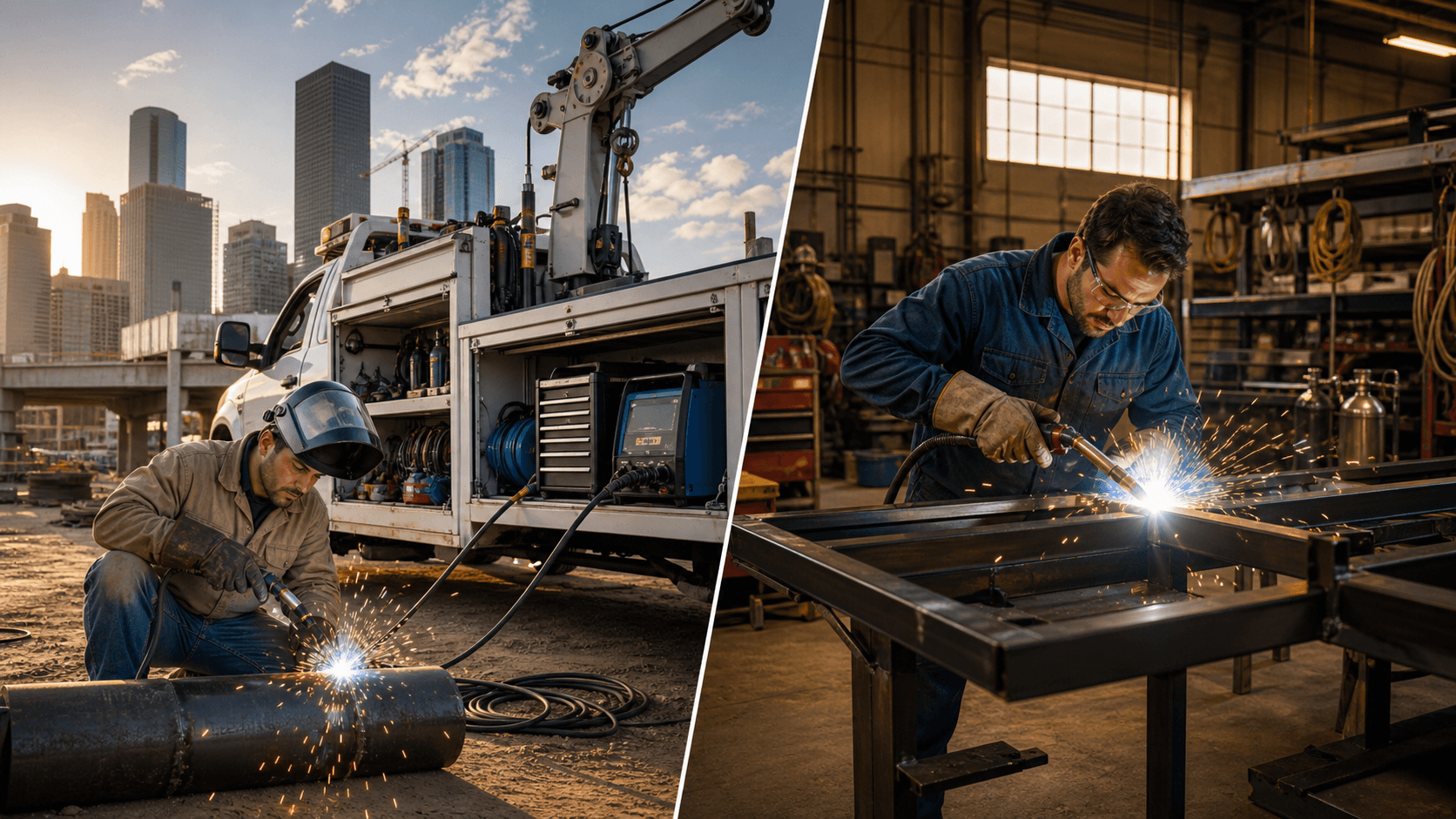
Mobile welding services bring the work to you. A mobile crew shows up with a fully equipped truck, machines, tools, and materials ready to go. The welders travel across Houston and other major Texas metros to work directly at plants, job sites, offices, or homes.
Typical mobile welding work includes things like:
- Structural steel tie-ins and small modifications
- Piping repairs and hook-ups
- Field work on skids and support frames
- Ornamental metal repairs or adjustments
- Emergency fixes on damaged or failed steel
Traditional welding shops are fixed locations set up for planned fabrication. Inside, you will usually find a controlled environment, stationary equipment, layout tables, and often heavy lifting tools. This is where repeat work and detailed builds shine.
Common shop-focused projects include:
- Large runs of brackets, embeds, or plates
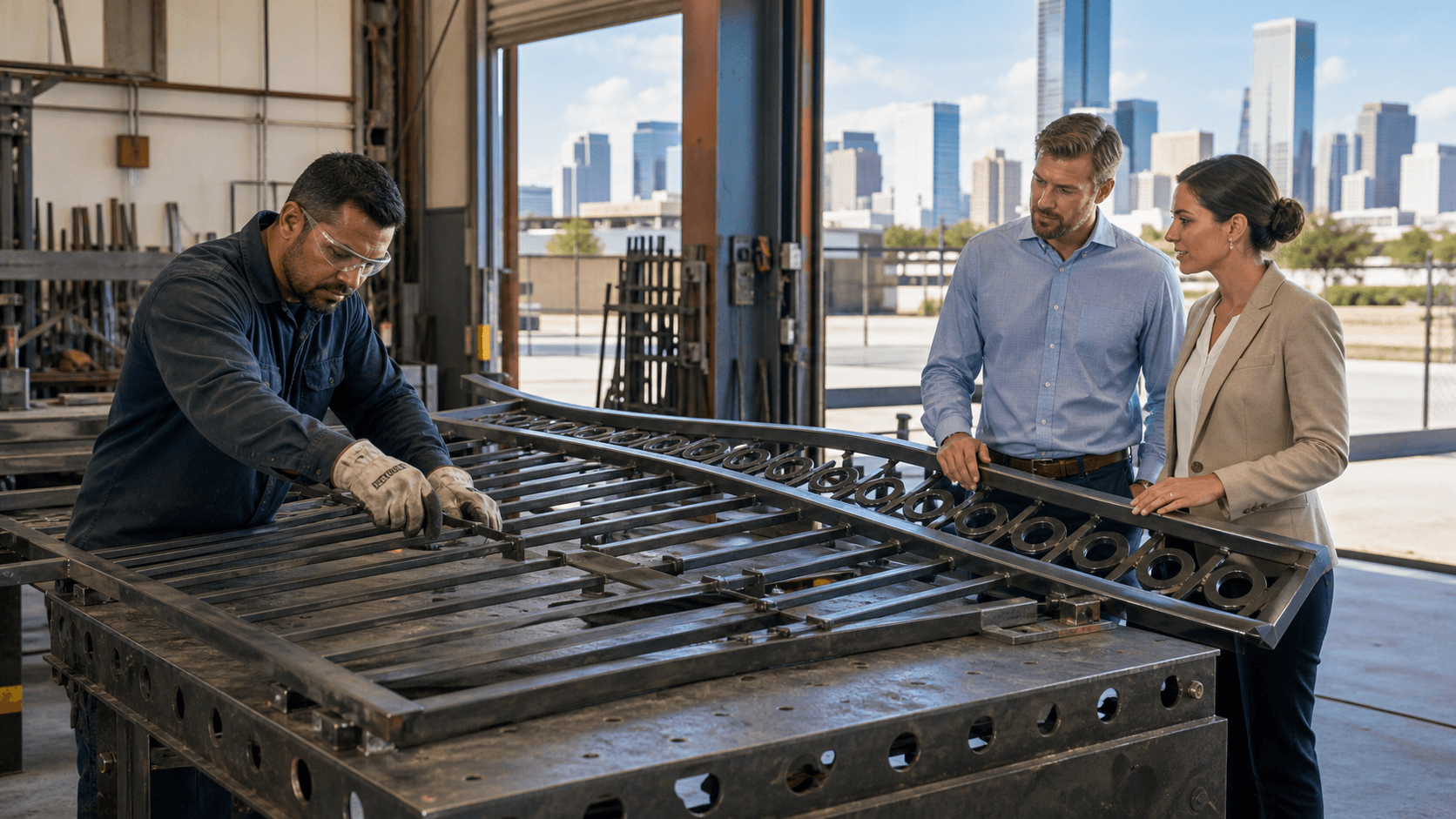
- Complex ornamental metal built in batches
- Skids and frames built in sections before field install
- Detailed assemblies that need very tight fit-up
Both options can deliver quality welding. The main difference is where the work happens, who moves the material or equipment, and how flexible the process needs to be for your schedule.
When Houston Jobs Demand Mobile Welding Services
Some jobs simply cannot wait for off-site work. In Houston, many owners and contractors deal with time-sensitive situations where mobile welding services make all the difference.
Common examples include:
- Industrial shutdowns where a single crack or leak can stall production
- Storm or hurricane damage to stairs, canopies, gates, or rails
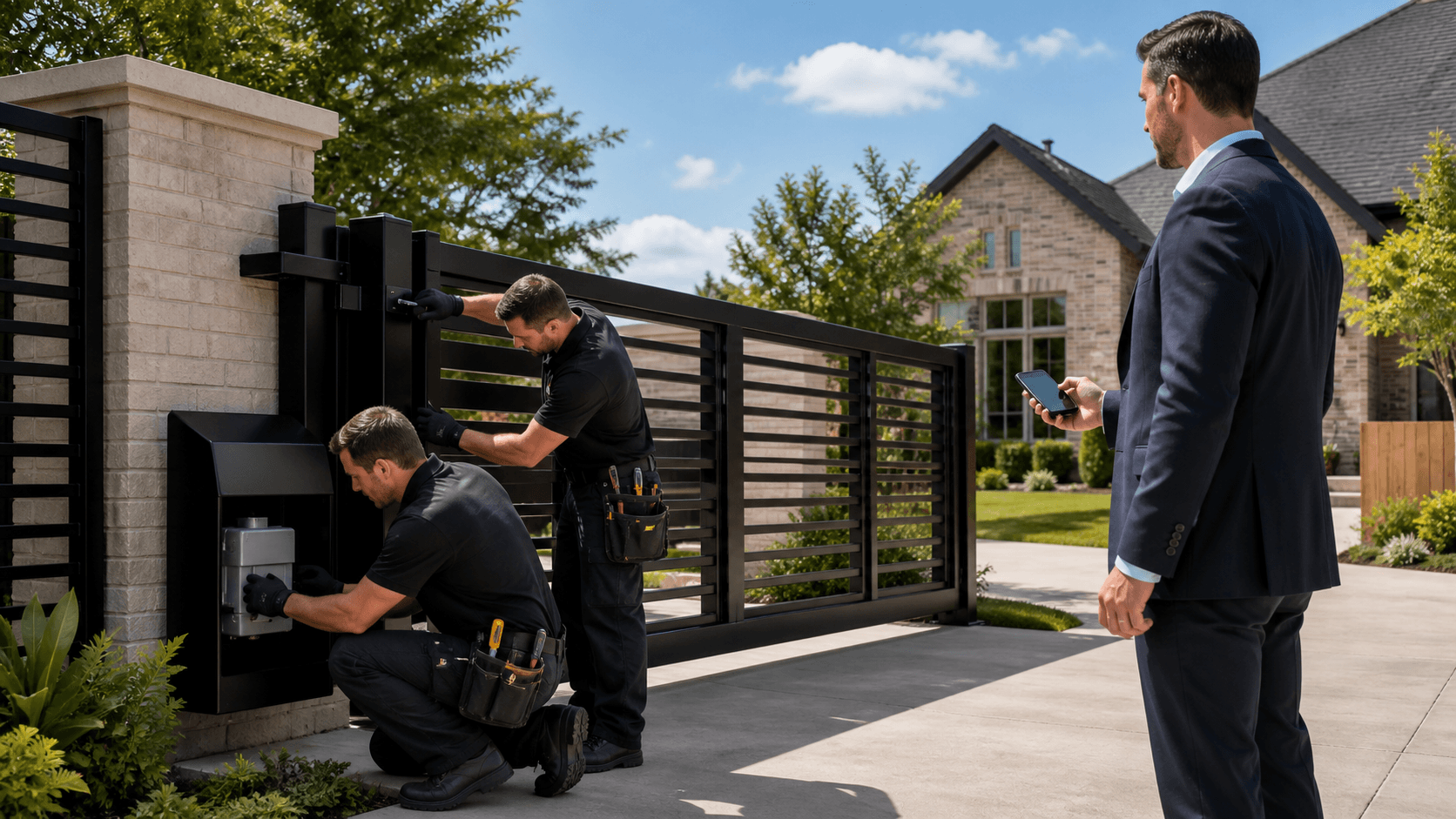
- Broken security gates or fences at commercial properties
- Critical equipment supports that fail during operation
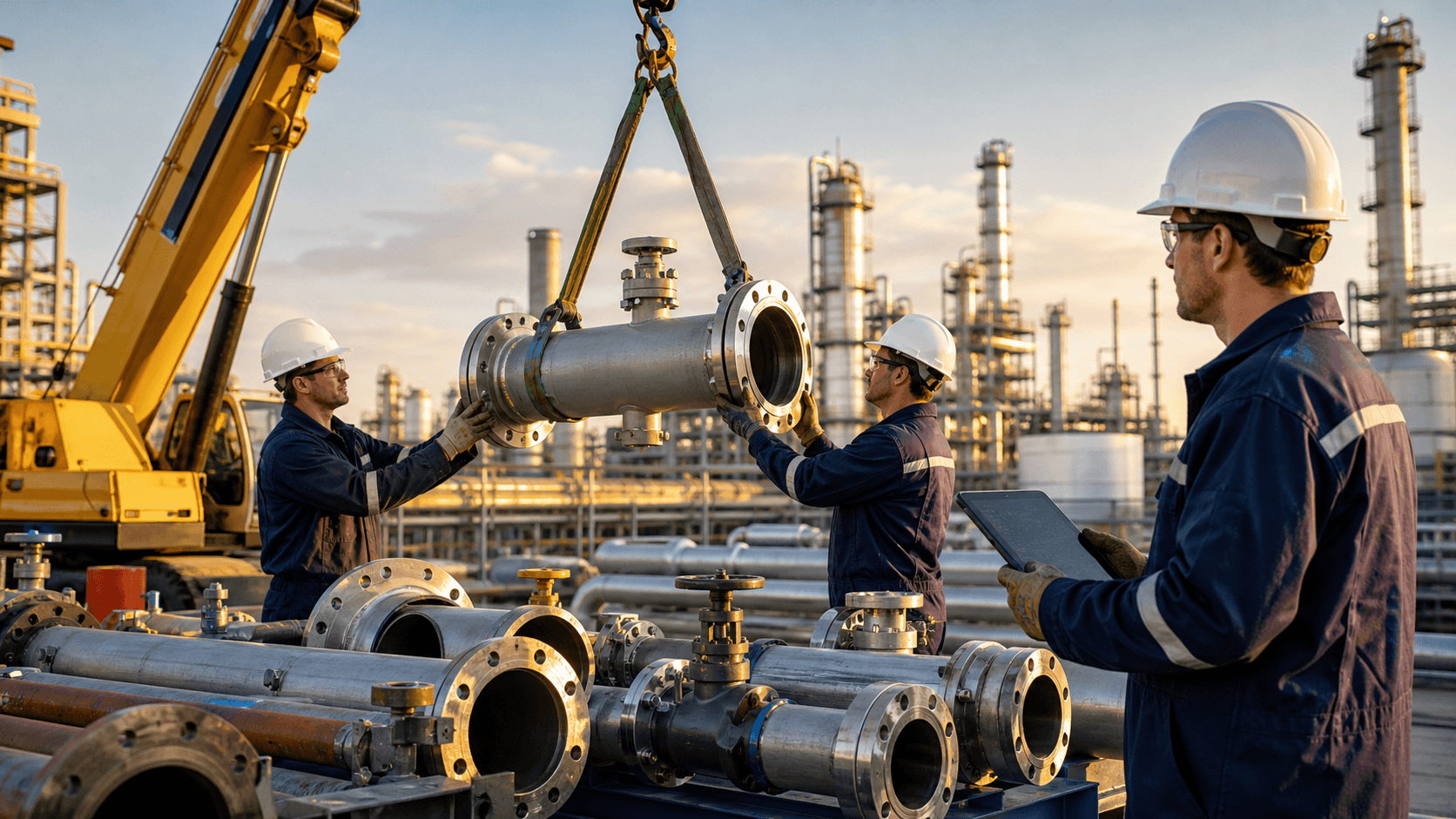
In these situations, it is often faster and safer to send a certified mobile welder directly to the site. Large beams, pipes, or frames may be anchored in place, tied into other systems, or too heavy to move easily. Removing them can mean crane work, permits, and more downtime. With mobile welding, the crew and gear travel, not the structure.
There are also seasonal timing issues around early fall:
- Refineries and plants often prepare for planned maintenance and turnarounds
- Property managers fix wear and damage from the long, hot summer before end-of-year events
- Contractors rush to close out punch lists and inspections before final payouts
In all of these, on-site welding can help keep schedules tight. A mobile team can move from one spot to another across a large plant or job site, knocking out details, repairs, and tie-ins so your crews can keep moving too.
Where Traditional Welding Shops Still Have the Edge
Even with strong mobile options, there are many times when a shop is the better choice. A shop offers a stable, controlled setting that is hard to match in the field. Climate control, fixed jigs, layout tools, and heavy lifting equipment help hold tight tolerances and repeat layouts.
Shops are usually more efficient for:
- High-volume parts like brackets, embeds, and plates
- Intricate ornamental pieces built in sets, like matching balcony rails
- Larger skids or modules built in sections, then shipped to the field
- Builds that need many identical parts or repeated welds
Quality control can also be easier in a shop setting. Inspections, fit-up checks, and non-destructive testing are simpler when everything is under one roof. Clean, dry work surfaces and stable material handling help reduce distortion and improve consistency. On some jobs, engineers, codes, or corporate QA programs prefer or require certain parts of the work to be completed in a controlled shop environment before heading to the site.
Cost, Quality, and Safety Tradeoffs for Houston Owners
Choosing between mobile welding services and a shop is not only about where the weld happens. It touches cost, quality expectations, and safety on your site.
On the cost side, you may weigh:
- Time and labor for a mobile crew to drive and work on site
- Handling, loading, and trucking heavy items to a shop
- The cost of downtime while equipment or structure is out of service
- The risk of delays if a part does not fit and has to go back for changes
Sometimes a lower hourly rate in a shop can still end up more expensive if it extends shutdowns or causes schedule slips. Other times, doing a complex piece in the shop first can shorten field time and avoid rework.
Quality is another part of the puzzle. Skilled mobile welders with the right procedures and tools can deliver work that lines up with shop standards, especially on structural steel, pipe, and field repairs. Still, when tolerances are extremely tight or the design is very detailed, planning more of the work in a shop may be smarter. The key is matching the method to the level of precision the job needs.
Safety and compliance always matter. Working inside a live plant, on an active construction site, or at an occupied office or home adds extra risk. You want welders who are trained, certified, and used to following jobsite safety rules. That includes permits for hot work, safe cord routing, housekeeping, and clear communication with your site team. The same care applies in a shop as well, but in the field it directly affects your people and your property.
How to Choose the Right Welding Partner in Houston
Once you know the basic tradeoffs, the next step is picking a welding partner that fits your type of work. A good provider should be able to talk through both mobile and shop-style options and explain what makes sense for your job.
Helpful things to look for include:
- Certifications and proven experience with structural steel and piping
- A portfolio of work in industrial, commercial, and residential settings
- Ability to respond quickly for urgent or emergency needs
- Familiarity with Houston-area standards and jobsite expectations
Useful questions to ask include:
- How fast can your mobile crew get to our site and nearby Texas metros?
- Are you comfortable working with our engineer, inspector, or safety team?
- Can you handle both structural and pipe welding, or only lighter repairs?
- When would you recommend field work instead of shop work, and why?
As a certified mobile welding and fabrication contractor, we work to bridge the gap between field work and shop-level quality. That means we do not treat mobile welding as a shortcut; we treat it as another controlled way to reach the standard the job needs. For owners, GCs, and plant managers, that makes planning easier. You explain the goal, the timelines, and the risk points; and we help you sort out what belongs on site and what is better handled in a more controlled setting.
Plan Your Next Houston Project with the Right Welding Strategy
Fall is a natural time to look ahead at the rest of the year. Industrial turnarounds, commercial build-outs, structural changes, and residential metal upgrades all start to stack up on the calendar. It helps to break those projects into pieces: which parts must stay on site and which can move to a shop for smoother production.
We are based here in the Houston area, and we see how much easier jobs run when welding is planned early instead of treated as a last-minute fix. When mobile welding services are paired with shop-quality thinking, you can cut down on surprise delays, reduce risky work on active sites, and still get solid, code-conscious results on structural steel, piping, skids, ornamental metal, and urgent repairs.
Get Started With Your Project Today
If you are ready to keep your systems running safely and efficiently, Weldit is here to help with professional mobile welding services tailored to your job site. We work with your schedule and location so you can minimize downtime and avoid costly delays. Tell us a bit about your project and we will recommend the best approach and provide clear next steps. Reach out today through our contact page to get your welding work on the calendar.