Welding Smarter in Congested Texas Job Sites
Gas-shielded metal arc welding can make the difference between smooth progress and constant rework on a tight job site. When space is cramped, schedules are packed, and every shutdown window is short, the right welding process and gas choice help keep projects moving.
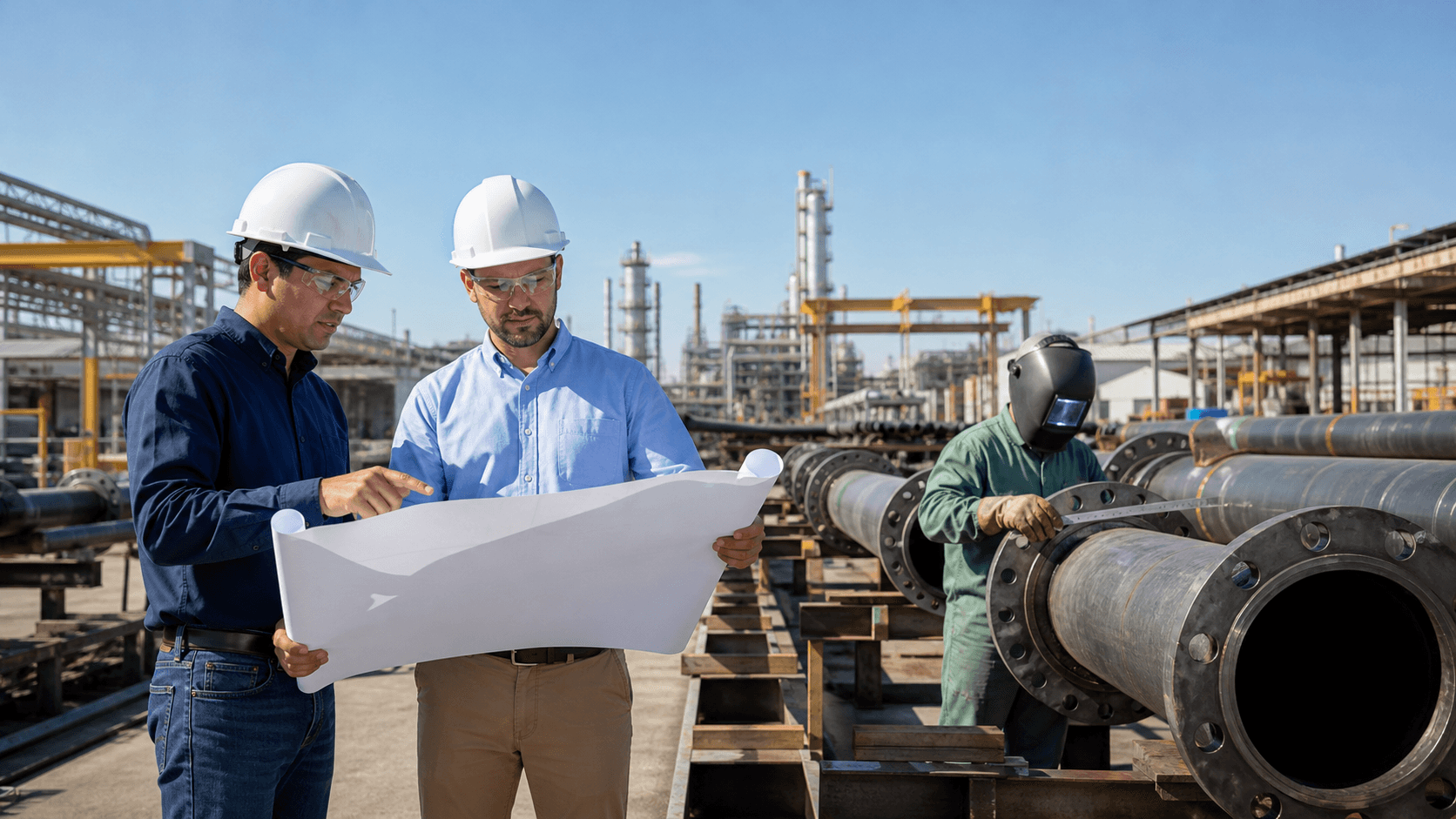
On Texas refineries, active plants, and crowded commercial builds, there is rarely a quiet corner to work in. Welders are sharing space with other trades, equipment is close by, and access to joints is limited. In those conditions, gas-shielded metal arc welding offers better arc stability, cleaner welds, and faster production than many other options, as long as it is planned correctly.
Gas-shielded processes fit well with fall project cycles, when owners and plant managers are trying to wrap up work before year-end holidays and planned outages. When welds must meet code and pass inspection the first time, smarter process and gas choices cut down on delays, rework, and downtime.
What Gas-Shielded Metal Arc Welding Really Means
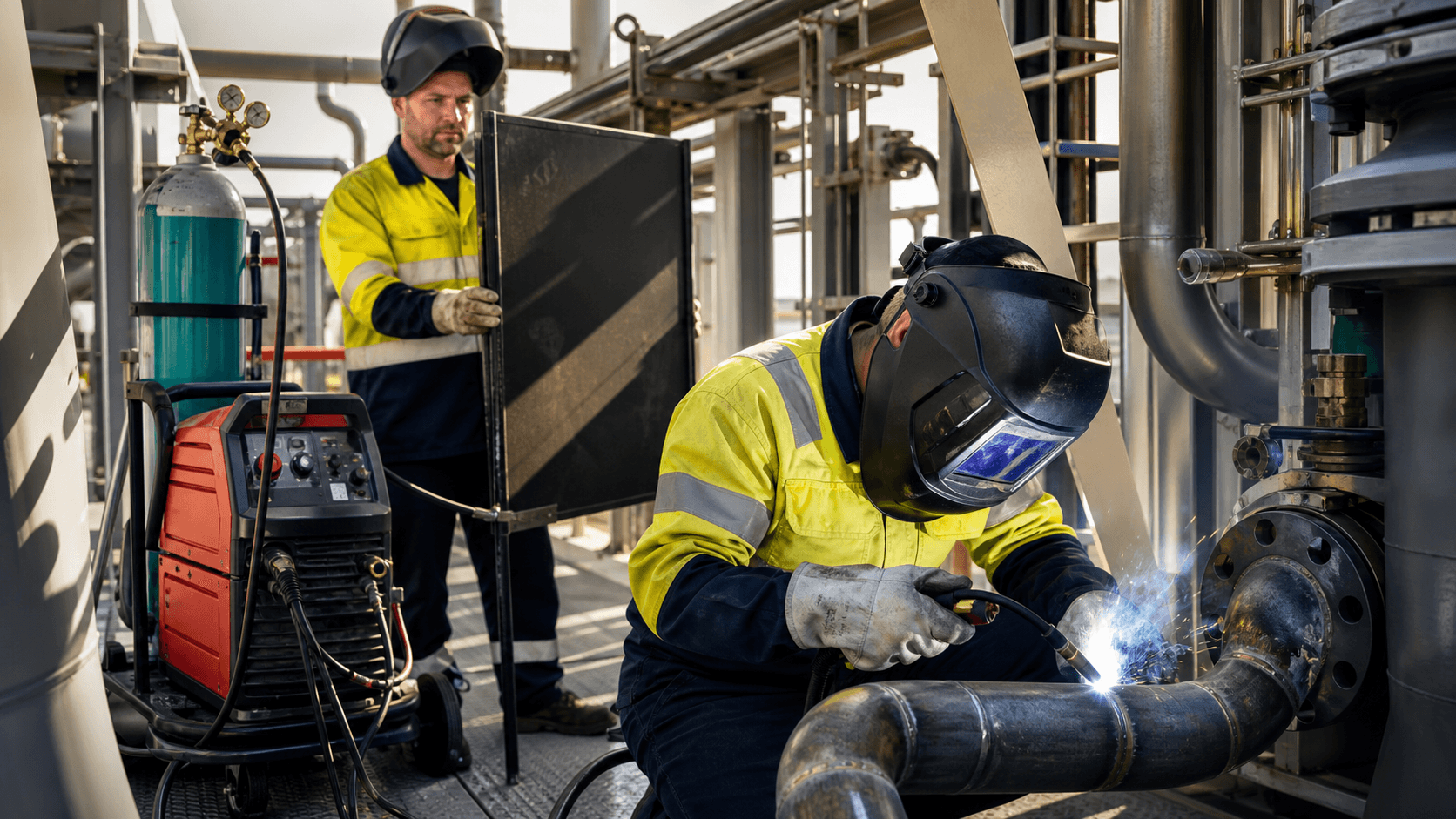
Gas-shielded metal arc welding means the arc and molten weld pool are protected by an external shielding gas supplied from a cylinder or bulk system. That sets it apart from self-shielded processes, where the wire or electrode creates its own gas and slag.
The most common gas-shielded processes on industrial and commercial sites include:
- GMAW (often called MIG) using solid wire and shielding gas
- FCAW-G (gas-shielded flux cored arc welding) using tubular wire plus gas
- GTAW (TIG) where a non-consumable tungsten electrode and gas protect the puddle
The shielding gas keeps oxygen, nitrogen, and moisture in the air away from the weld pool. This helps reduce porosity, undercut, and other defects. It also leads to better looking beads and stronger mechanical properties when procedures are followed.
On steels and alloys common in Texas industrial work, shielding gas choice matters. Different gas blends change:
- Penetration shape and depth
- Spatter levels and arc stability
- Fume generation and cleanup effort
- Wetting and bead profile, especially on fillet welds
Argon, carbon dioxide, and mixed gases are the main tools in the box. Picking the right mix for the job site and the joint can support both weld quality and productivity.
Matching Shielding Gas Choices to Crowded Work Areas
Crowded work zones add extra pressure to get the shielding gas right. When equipment, finished surfaces, and other workers are close to the arc, you want a stable, smooth process with as little spatter and rework as possible.
Here is how common gas choices compare on busy sites:
- Pure CO2
- Strong penetration
- Higher spatter, rougher bead
- More cleanup and more fume
- C25 (about 75% argon / 25% CO2)
- Good balance of penetration and control
- Lower spatter than straight CO2
- Often a solid choice for general structural work
- Richer argon mixes (higher argon with small CO2 or O2)
- Very smooth arc and nice bead appearance
- Lower spatter and less grinding
- Helpful for spray transfer and higher productivity passes
On a tight commercial interior, for example, managing spatter and fume is just as important as deposition rate. Less spatter means fewer touch-ups on painted steel, cable trays, and finished surfaces nearby.
Texas job sites in early fall often have partial enclosures, open doors, and pockets of moving air. To keep the gas shield working without wasting gas, we pay attention to:
- Wind and air movement, including fans and open bays
- Gas flow settings, keeping them high enough for coverage but not so high that flow becomes turbulent
- Simple barriers and screens to block cross-drafts
- Regular leak checks on hoses, regulators, and connections
Good gas management helps keep the weld zone protected while avoiding blown-out shields, porosity, and costly do-overs.
Wire Process Selection for Confined and Elevated Work
When the work is overhead, in a rack, or squeezed between existing lines, wire process choice really shows. Solid wire GMAW and gas-shielded flux-cored wire each have strengths in these tight areas.
Solid wire GMAW can be a strong option when:
- Access is decent and you can keep a steady torch angle
- You need low spatter in a visible or finished area
- The joint is in the flat or horizontal position
Gas-shielded flux-cored wire often shines when:
- Welds are vertical, overhead, or at odd angles
- You need higher deposition rates and fewer passes
- The joint is harder to reach and arc time must be short
Flux-cored wires designed for out-of-position work can carry more metal into the joint per pass. That means less time with the welder in a tight stance or on a lift, and fewer starts and stops. In congested pipe racks and skid packages, this can reduce body strain and help the crew work more safely.
Ergonomic and safety gains matter on cluttered sites. Shorter arc-on time, less grinding, and fewer passes all reduce:
- Time spent reaching and twisting in awkward spots
- Heat exposure in small or elevated zones
- Fume buildup in hard-to-vent pockets
Matching the wire process to the joint and the access keeps welders safer and supports better quality.
Managing Fumes, Fire Risk, and Traffic Around the Arc
Gas-shielded metal arc welding in active facilities requires tight control of fumes, fire risk, and foot traffic. On busy industrial and commercial sites, welding is usually just one piece of the work happening in the same area.
Good planning for fumes includes:
- Local fume extraction when possible
- Thoughtful air movement so you do not blow away the gas shield
- Coordination with plant or building ventilation systems
Fire risk is always front and center. On congested job sites, that means:
- Controlling spatter through process choice and tuned settings
- Using fire blankets and barriers to protect nearby material
- Staging fire watches where hot work permits require them
- Keeping combustible materials cleared away from the work zone
Traffic around the arc also needs attention. Routes for leads, hoses, and cables should be set so they do not create trip hazards or crush points. Welding often needs to be scheduled around other trades so everyone can work without stepping on each other.
Mobile welding rigs can help reduce clutter by keeping power sources, gas cylinders, and tools off the main floor where space is limited. That leaves more room at the actual joint for safe access and clear movement.
How Weldit Delivers Code-Compliant Results in Tight Spaces
On crowded Texas projects, welds still have to meet code even when joint access is tough and schedules are tight. At Weldit, our AWS and ASME certified welders focus on choosing gas-shielded metal arc welding processes that both satisfy code and fit the real limits of the site.
Before work starts, we like to walk the job and study:
- Joint locations and how a welder will actually reach them
- Structural steel, pipe spools, and skid layouts that may restrict movement
- Nearby equipment, finishes, and other trades that could be affected
From there, we select or adjust welding procedure specifications that spell out:
- Process choice, such as GMAW, FCAW-G, or GTAW
- Wire type and diameter that make sense for position and access
- Shielding gas blends that support the needed transfer mode and bead quality
During busy late-summer and fall shutdowns, this planning helps keep outage windows on track. When a plant or facility needs emergency or short-notice work in a cramped area, having the right gas-shielded strategy ready means welds can be made quickly and still meet the codes that apply.
Get Started With Your Project Today
If your next hydronic piping or fabrication project needs precise, reliable results, we are ready to help you plan the work and schedule production. Our team at Weldit specializes in gas-shielded metal arc welding that meets demanding commercial and industrial standards. Tell us about your timeline, drawings, and performance requirements so we can recommend the most efficient approach. To discuss scope, pricing, or coordination with other trades, simply contact us and we will follow up promptly.