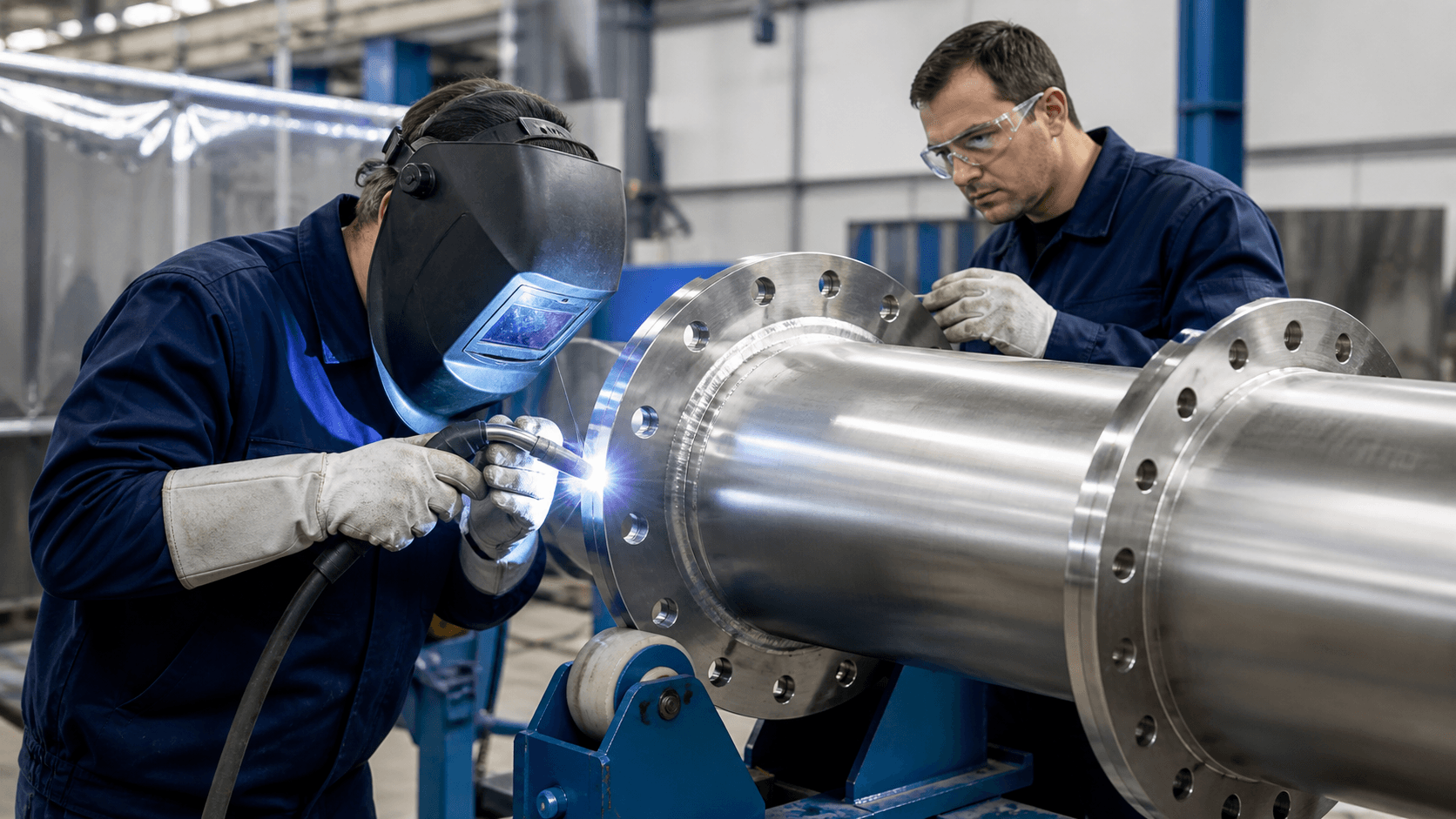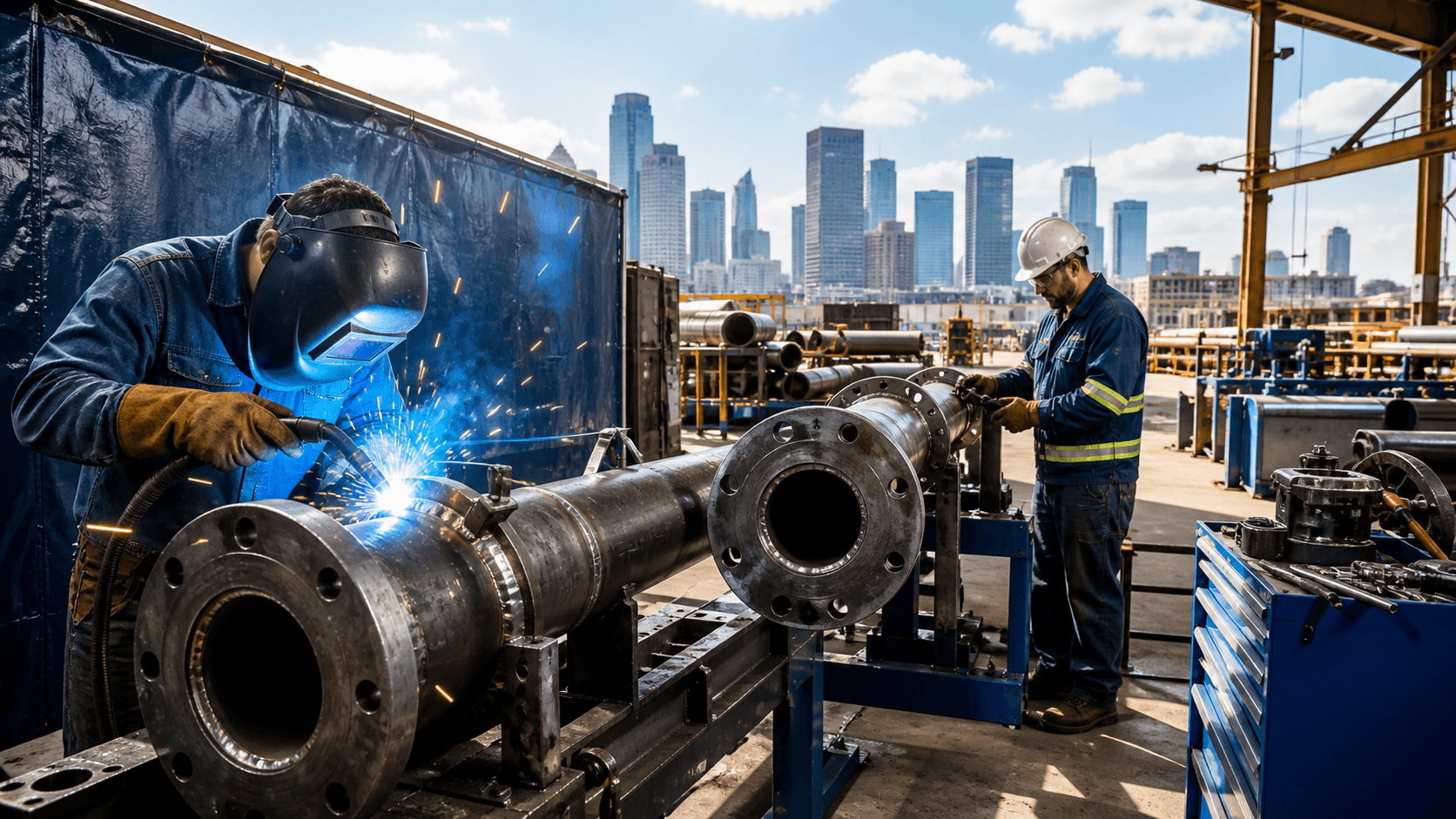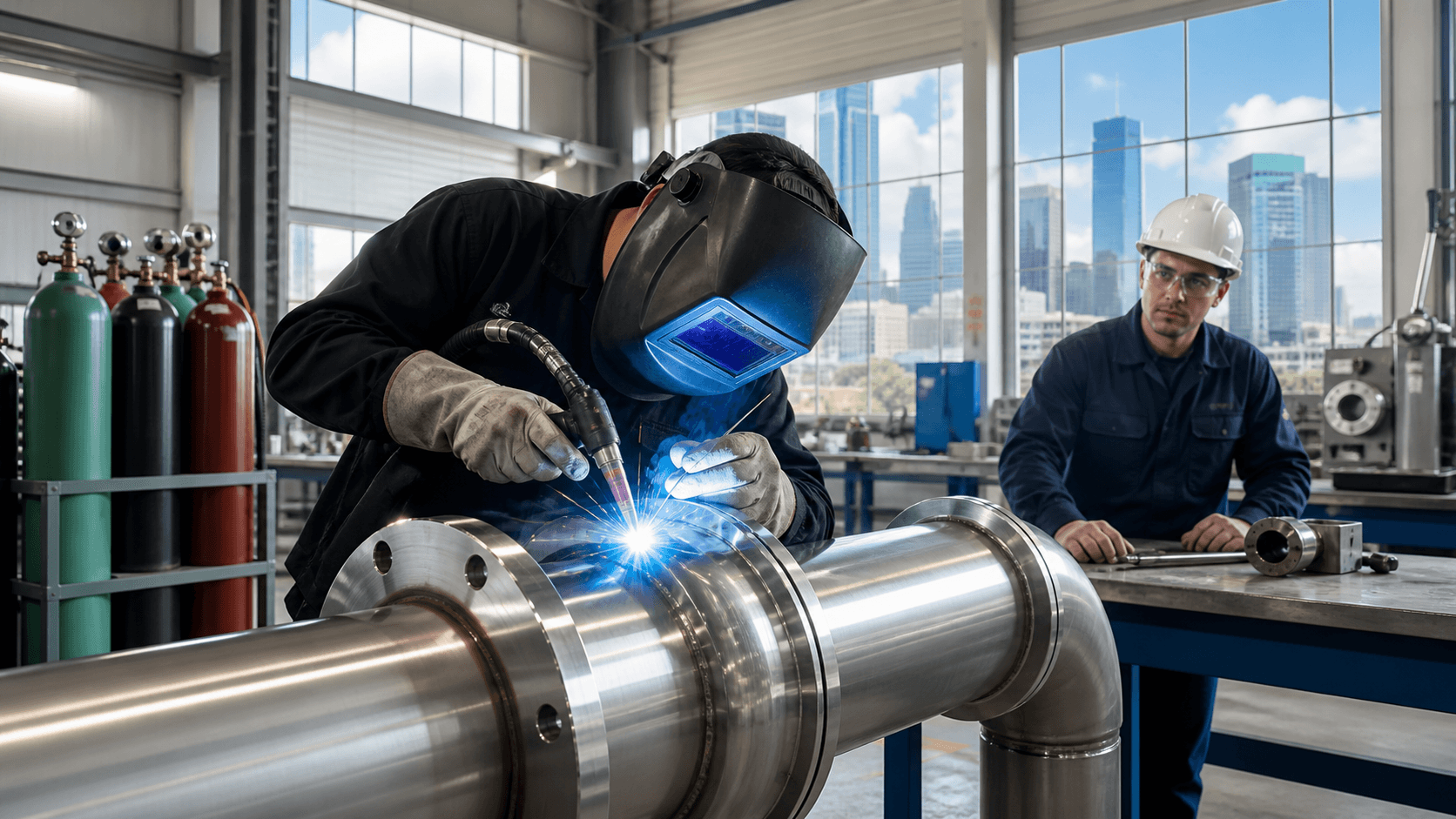
Gas-shielded metal arc welding plays a big role in how smoothly Houston plants run. The right process and gas mix can mean fewer repairs, less rework during outages, and welds that pass inspection the first time. The wrong choice can slow crews down and put pressure systems at risk right when production needs to come back online.
As plants plan fall maintenance and turnarounds, it helps to understand which gas-shielded options fit which jobs. In this article, we walk through common processes, how shielding gas works in our hot, humid Gulf Coast air, and how to match welding methods to real plant work, from pipe spools to skids and structural supports.
Gas Shielded Welding Choices That Protect Plant Uptime
Gas-shielded metal arc welding is any process where an electric arc melts metal and a shielding gas protects the molten weld pool. In high-production Houston plants, this matters because humidity, contaminants, and tight schedules leave very little room for bad welds or do-overs.
With the right gas-shielded process, plants can:
- Cut down on rework during outages and turnarounds
- Reduce unplanned downtime from failed welds
- Improve consistency on critical systems and supports
Our goal here is to compare common gas-shielded metal arc welding options and help plant managers, maintenance leads, and contractors make smarter choices before fall maintenance windows start filling up.
What Gas Shielded Metal Arc Welding Means for Houston Plants
The term gas-shielded metal arc welding covers a few names you hear every day in plant work. It includes GMAW, often called MIG welding, and flux-cored processes that use external shielding gas, usually labeled FCAW-G.
Here is how the terms line up in simple form:
- GMAW (MIG): solid wire with external shielding gas
- FCAW-G: flux-cored wire plus external shielding gas
- Other gas shielded variants: pulsed GMAW and special modes
The shielding gas has one main job: keep air away from the weld pool. Oxygen and moisture can create porosity, weak welds, and long-term corrosion problems. In coastal, high-humidity areas like Houston, this protection is even more important, especially when welding outdoors or in semi-open structures.
Good process selection supports bigger plant goals, such as:
- Staying in line with AWS and ASME code requirements
- Extending asset life on piping, skids, and structures
- Keeping fall repair work on schedule before winter demand peaks for power, chemical, and refining operations
Comparing Core Gas Shielded Processes Used in Plants
GMAW spray transfer is common in plant shops and sheltered areas. It uses a steady, high-energy arc that sprays tiny droplets of metal into the weld pool. This works well for:
- Carbon steel and stainless pipe spooling
- Skid fabrication and structural pieces in a controlled area
- High deposition work where access and position are favorable
Typical gas mixes for spray transfer use argon with some carbon dioxide or oxygen to stabilize the arc and improve wetting. In a shop with steady power, clean material, and no wind, it can deliver fast, smooth welds with low clean-up.
Gas-shielded flux-cored (FCAW-G) steps in when materials get thicker or conditions get tougher. The flux in the wire:
- Helps with penetration on heavy sections
- Supports all-position welding when joints are not ideal
- Creates slag that protects the hot weld as it cools
This slag needs to be removed, so there is some extra cleanup. But FCAW-G often wins in outdoor or partially exposed work inside plants, where wind can be managed with screens and good planning.
Pulsed GMAW and advanced variants use newer power sources to control the current in a pulsing pattern. That helps:
- Reduce spatter and improve bead appearance
- Make out-of-position welding more stable
- Protect thin or mixed-thickness joints from burn-through
On complex piping systems, racks, and equipment supports, these modes let welders keep quality high during scheduled outages while staying on the move.
Matching Welding Gas and Process to Plant Applications
Choosing the right gas mix and process starts with the job itself. A few common paths look like this:
- Pressure piping: often solid wire GMAW or advanced GMAW modes with argon-rich mixes for stable arcs and smooth beads
- Structural supports: FCAW-G for thicker columns, braces, and repairs when conditions are not as controlled
- Equipment skids: GMAW spray transfer in the shop for speed and quality, sometimes paired with FCAW-G onsite for tie-ins
Gas options commonly include straight CO2, argon with CO2 blends, and other specialty mixes. Each affects penetration, bead shape, and spatter in different ways. In Houston's climate, where much work happens outdoors or in semi-open pipe racks, these details matter. Wind, humidity, and airborne contaminants can all attack the weld pool if the shielding is weak or poorly chosen.
When gas-shielded metal arc welding is set up wrong, you can see:
- Porosity scattered through the weld
- Lack of fusion at the root or sidewalls
- Surface flaws that fail visual inspection
On code work, those issues can stop production, trigger repairs, and delay start-up. Careful choice of process, gas blend, and parameters helps keep welds in line with AWS and ASME expectations and keeps inspections moving.
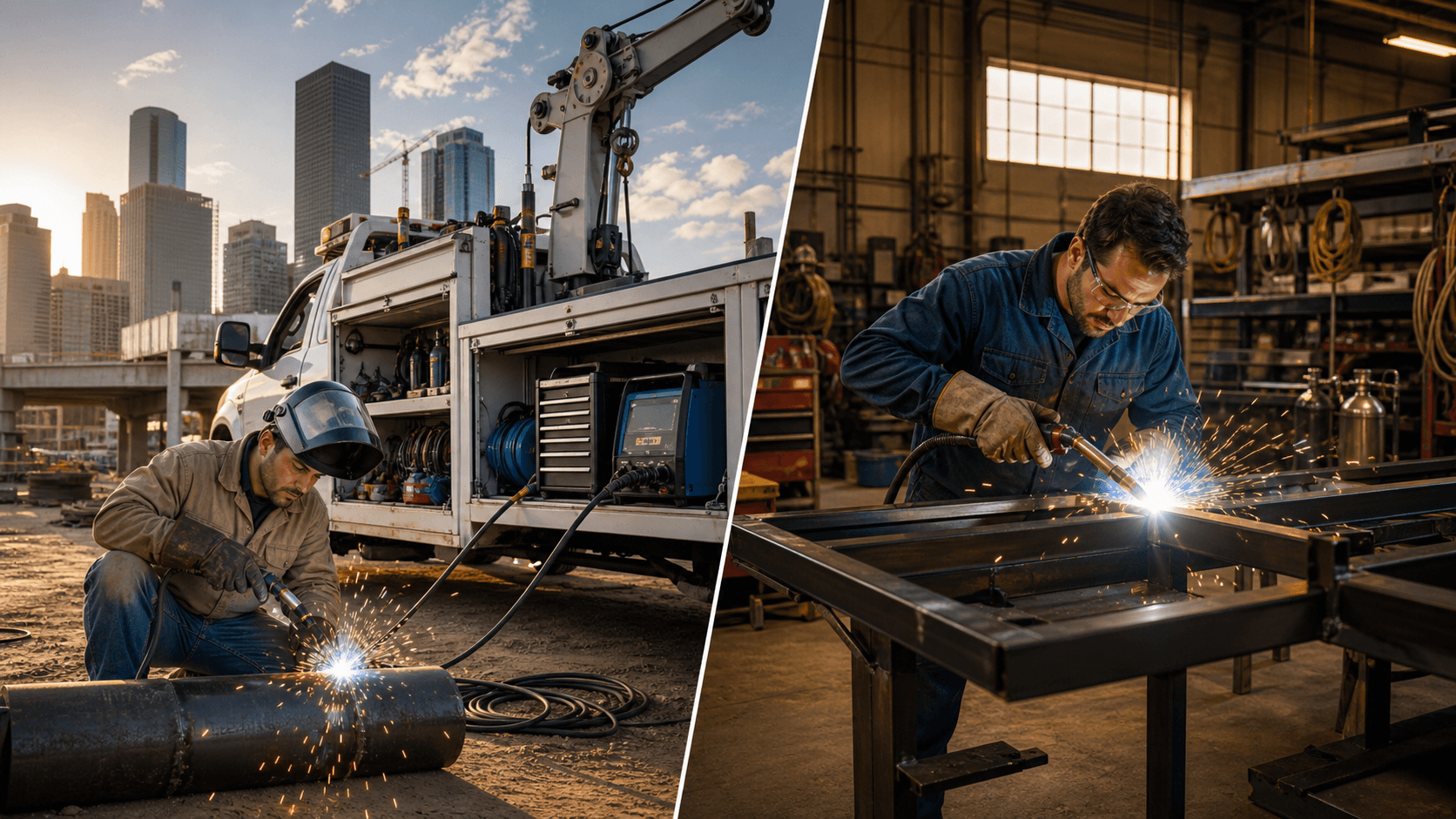
Onsite Versus Shop Welding for Seasonal Maintenance Windows
Shop-based fabrication and field welding both have a place in Houston plant work. In the shop, pipe spools and skids can be built with:
- Stable power and gas supply
- Controlled fit-up and position
- Better control of humidity, dust, and wind
This is where GMAW spray transfer and similar gas-shielded processes shine. Once those assemblies arrive at the plant, mobile welders step in for tie-ins, field mods, and final fit.
During fall outages and turnarounds, mobile teams need to adapt gas-shielded processes to:
- Tight spaces and elevated work areas
- Different base metals and wall thicknesses
- Limited time windows around other crews
Logistics matter too. Power availability, gas bottle placement, preheat needs, and access through ladders or scaffolds all affect which processes and setups are realistic. A qualified mobile welding provider helps plan these details so work stays aligned with schedule and budget as September maintenance periods stack up.
Choosing a Qualified Mobile Welding Partner in Houston
For gas-shielded metal arc welding on pressure boundaries and critical supports, certifications and approved welding procedures under AWS and ASME codes are very important. Plants should look for partners with:
- Proven experience in similar facilities, such as power, chemical, or refining
- Capability for both pipe spooling and skid fabrication
- QA and QC documentation that matches owner and inspector needs
- Familiarity with Houston-area owner requirements and common specs
A responsive mobile team can support both the planned work written into outage scopes and the surprise repairs that pop up after lines are opened and inspected. When welds pass inspection the first time, plants keep the schedule tight and get back to steady operation faster, without extra hot work after the window closes.
Weldit provides certified mobile welding and fabrication for industrial, commercial, and residential clients across major Texas markets, including Houston. Our focus on code-compliant gas-shielded metal arc welding, from shop spools and skids to onsite repairs, helps plants make smarter process choices and protect uptime during busy fall maintenance periods.
Get Started With Your Project Today
If your next build depends on precise, code-compliant joints, we are ready to support you with expert gas shielded metal arc welding tailored to commercial hydronic systems. At Weldit, we work closely with your team to plan, schedule, and execute welding that keeps your project moving without costly rework. Share your specifications and timeline through our contact form so we can provide a detailed scope and quote.