Why Fast-Track Houston Projects Lean on GMAW
Fast-track work around Houston does not leave much room for delay. When a plant is in shutdown, a tenant build-out is racing toward move-in, or a warehouse expansion needs steel in the air before the next big shipment, every hour counts. Welding has to keep up without cutting corners on safety or quality.
That is where gas-shielded metal arc welding, often called MIG or wire-feed welding, fits in. It is a process that lets welders put in more work in less time, which is exactly what tight-schedule industrial and commercial jobs need. When the clock is ticking, a process that is fast, repeatable, and clean becomes a real asset for the entire project team.
Our team works on mobile welding and fabrication projects across Houston and other major Texas markets, and we rely on gas-shielded metal arc welding to help keep shutdowns, build-outs, and emergency repairs on track. In the next sections, we will walk through how this process works, why it suits fast-paced work, and how mobile welding support helps your schedule hold steady during busy fall construction and maintenance seasons.
Understanding Gas-Shielded Metal Arc Welding Basics
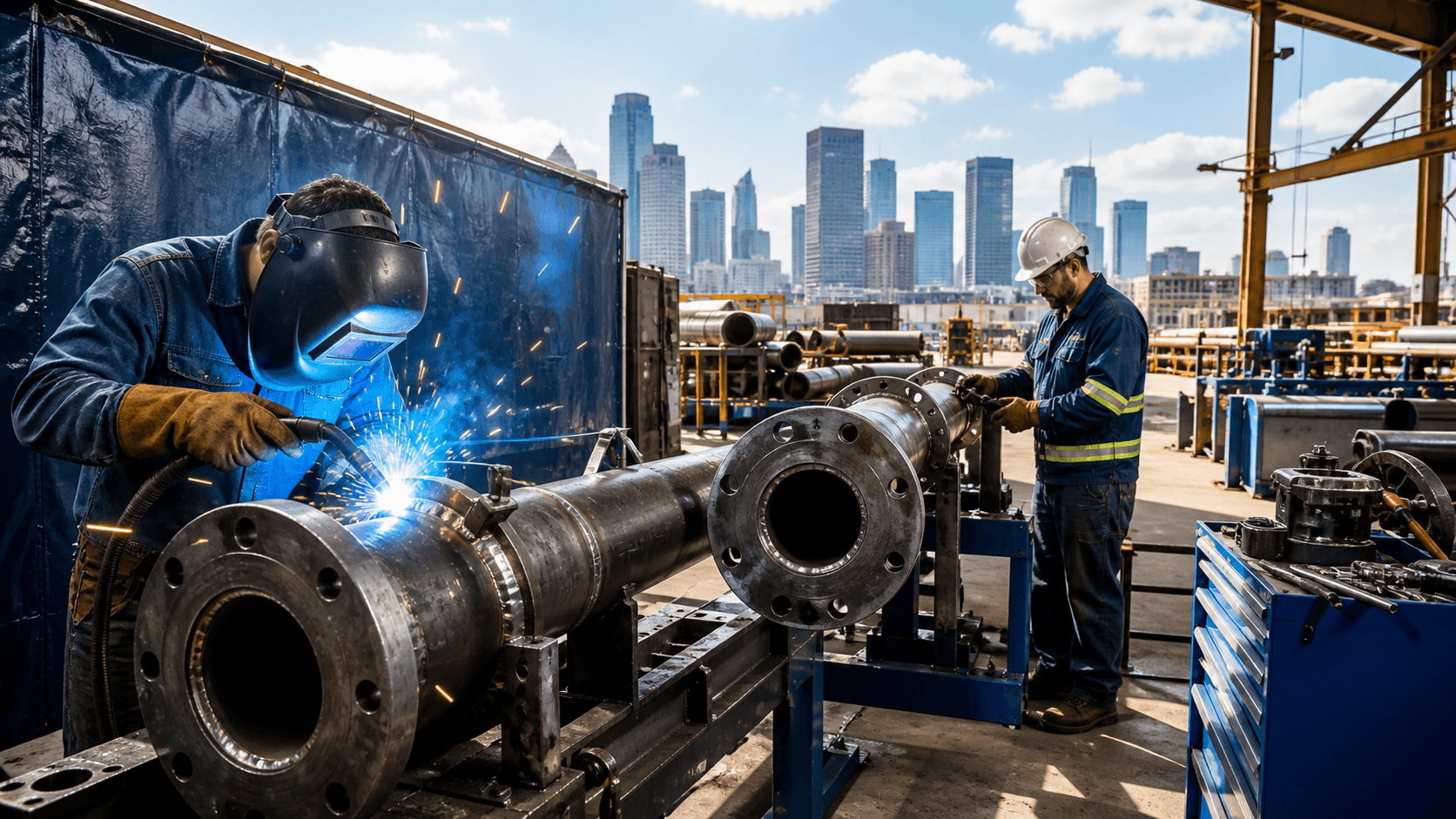
Gas-shielded metal arc welding is a wire-fed welding process. Instead of changing individual rods like with stick welding, the welder uses a continuous wire that feeds through a gun. A shielding gas flows around the weld area and protects the molten metal from the air while it is still hot.
You will hear a few different terms that all point to the same general method:
- Gas-shielded metal arc welding
- MIG welding (metal inert gas, a common nickname)
- Wire-feed welding
Contractors like this approach for both shop and field work because it is:
- Quick to start and stop
- Easier to repeat on many similar joints
- Good for longer welds where changing rods would slow things down
The basic setup includes:
- Power source that creates the arc and controls heat input
- Wire feeder that pushes the filler wire through the cable to the gun
- Welding gun that the welder holds, which guides both the wire and the gas
- Shielding gas, often in mixes that include CO2, that protect the molten pool
Each piece has an impact. For example, the power source settings affect how deep the weld penetrates, the wire size and speed affect how fast metal is added, and the gas mix can affect bead shape and spatter levels.
Gas-shielded metal arc welding works well on common materials found across Houston facilities, such as:
- Carbon steel used for structural beams and supports
- Stainless components used in process areas
- Certain specialty alloys found in industrial piping and equipment repairs
This range helps the same process cover many different tasks on one job.
Why GMAW Excels on Tight-Schedule Houston Jobs
On fast-track projects, speed is not just a nice bonus, it affects plant downtime, lease dates, and end-of-quarter goals. Gas-shielded metal arc welding offers several time-saving advantages that add up over the life of a job.
First, it often provides higher deposition and travel speeds than many stick processes. Because the wire is continuous, welders can:
- Spend more time actually welding instead of changing rods
- Cover longer joints without stopping
- Put down more metal per hour in many positions
Less cleanup is another big win. With this process, there is no heavy slag layer like some other methods, so crews spend less time chipping and grinding. That can:
- Reduce the number of passes on certain joints
- Create cleaner beads that are quicker to prep for inspection
- Shorten the gap between welding and follow-up work like coating
Gas-shielded metal arc welding really shines in controlled conditions. When work is done in a shop, under a canopy, or in sheltered areas of a plant, the gas shield stays stable and welders can move quickly from one joint to the next. That makes it ideal for:
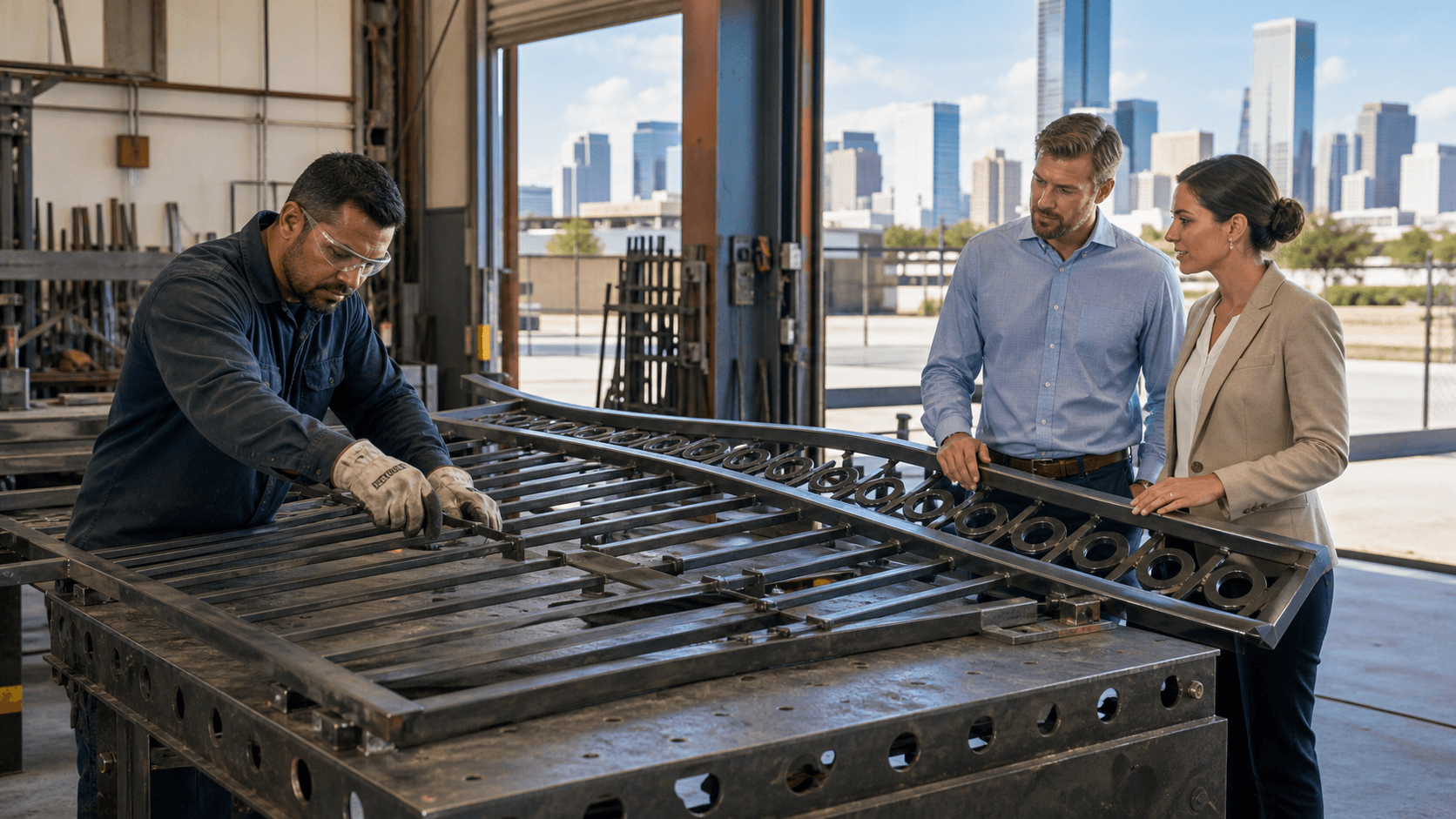
- Prefabricated assemblies that are later set in place during a short outage
- Mezzanine sections built off to the side, then lifted into position
- Equipment frames and skids readied before install windows
For owners and construction teams, all of this supports schedule and operations goals. Faster welding with less rework often means fewer days with lines shut down, less overtime labor, and an easier path to hitting those fall and year-end milestones when production and occupancy targets matter most.
Tackling Houston Heat and Weather with Mobile GMAW
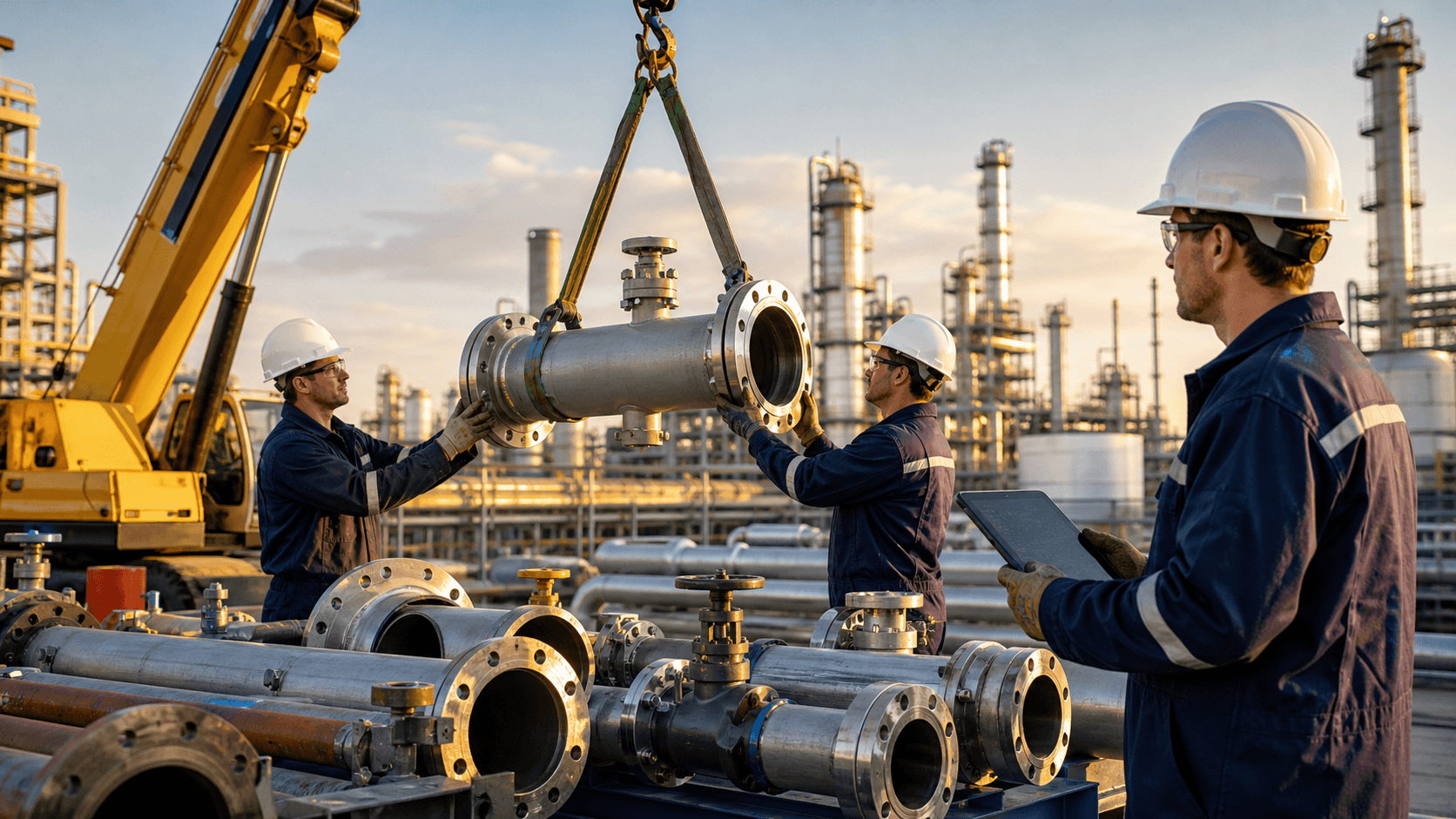
Houston brings heat, humidity, and surprise storms, and they all affect how welding gets planned. On open structural steel, tall platforms, and pipeline racks, wind can blow shielding gas away and sudden showers can interrupt work.
Gas-shielded metal arc welding can still be used in these conditions; it just needs some planning. Crews will often:
- Set up wind screens or portable curtains around the work area
- Use small shelters or tents where space allows
- Plan sequences so that GMAW is used in more protected areas first
Mobile welding rigs help bring shop-level capability straight to the job. A typical truck or trailer will carry:
- Power generation sized for multiple processes
- Wire feeders and guns ready for gas-shielded metal arc welding
- Gas cylinders secured and set up for field use
- Tools for fit-up, grinding, and basic fabrication
This setup lets welders shift smoothly between processes depending on conditions. On a hot, sunny day with light wind, more GMAW can be used. If a storm rolls in or wind picks up around elevated work, the crew can adjust methods and locations while still pushing the job forward.
Safety stays at the center, even when the schedule is tight. Certified welders follow employer procedures, wear proper PPE, and work within AWS and site-specific standards. That includes:
- Respecting hot work permits and plant rules
- Keeping equipment in good working order
- Protecting nearby workers from sparks, heat, and fumes
The goal is to keep pace without cutting corners, even when the weather and the calendar both add pressure.
Where GMAW Fits Best in Houston Industrial and Commercial Work
Gas-shielded metal arc welding is not the only option on a job, but it is often the best fit for a long list of tasks that reward speed and repeatability. Common uses include:
- Structural steel for bays, mezzanines, and roof frames
- Equipment skids and bases for pumps, compressors, and conveyors
- Ladders, stairs, and access platforms
- Process pipe supports and small frames
- Repairs to non-critical components that need to get back in service quickly
On many Houston projects, it works side by side with stick and flux-cored welding. For example, a team might:
- Use GMAW for shop-fabricated sections and sheltered joints
- Switch to stick or flux-cored on exterior joints exposed to wind
- Choose other processes for very thick, highly loaded sections
Fast-track projects where these combinations help include plant turnarounds, quick-turn tenant improvements, warehouse additions, and emergency repairs after equipment failures or storm-related damage. In each case, the right process is matched to the conditions and the schedule.
Even with compressed timelines, quality control stays in play. Typical steps include:
- Fit-up checks before welding starts
- Following written procedures for each joint type
- Visual inspection of weld appearance, tie-in, and profile
- Non-destructive testing when the service or code requires it
Done correctly, gas-shielded metal arc welding helps tight-schedule jobs move quickly while still producing welds that meet the demands of Houston's industrial and commercial work.
Get Started With Your Project Today
If your next build requires precise, code-compliant welding, we are ready to help you plan it from the ground up. Our team at Weldit specializes in gas-shielded metal arc welding that supports reliable hydronic and mechanical systems. Share your project details and timelines, and we will provide a clear scope, schedule, and pricing. To discuss specifics with our team, simply contact us.