What Owners Miss About Pipe Fabrication Risk
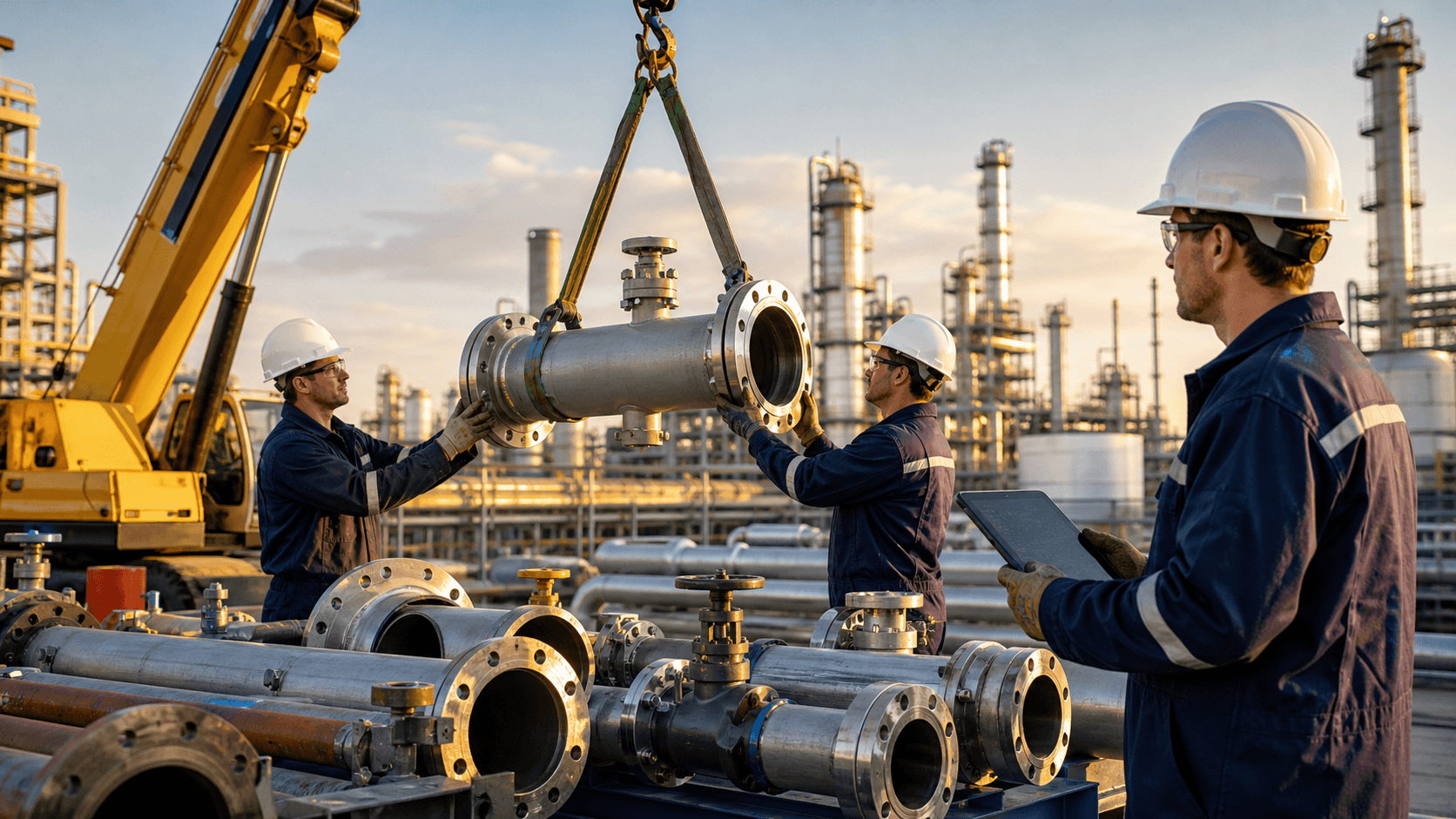
Industrial pipe fabrication in Houston is not just another line item on a shutdown checklist. It touches production, safety, uptime, and long-term compliance every single day. When a line fails in the middle of summer demand, it is rarely one big mistake. It is usually a trail of small choices that added up over time.
Many owners and project teams treat pipe fabrication like a commodity. If the pipe is the right size and the drawings look right, the job seems done. But details in design, code interpretation, and welding procedures can turn into six-figure headaches later. Those details decide whether a system survives heat, movement, and corrosion or starts failing when the plant is under pressure.
We are a mobile welding and fabrication team that works around Texas, and we keep seeing the same avoidable problems. Late changes, unclear specs, and rushed work during shutdown windows all show up later as leaks, cracks, and lost production. Our goal here is to pull those risks into the open so you can ask better questions and plan ahead, especially when the summer outage clock is ticking.
Why Houston's Climate Punishes Weak Pipe Systems
Houston heat does not take days off. High temperatures, humidity, and rapid temperature swings put constant stress on industrial piping, especially in refineries, chemical plants, and processing facilities. That stress shows up in ways that are easy to miss on paper but very clear in the field.
Thermal expansion and contraction are a big one. When pipe heats up, it grows. When it cools, it shrinks. If the system does not have room to move, the stress goes into:
- Welds and joints
- Supports and anchors
- Flanges and gaskets
- Branch connections and small fittings
If supports are placed wrong or clearances are too tight, you can end up with stress cracking, pulled flanges, and early leaks. A weld that looked fine at install can start to fail after repeated cycles of heat and movement.
Corrosion is the other constant fight on the Gulf Coast. Humid air, process fluids, and condensation can attack carbon steel from the outside and the inside. Choices made during fabrication, like:
- Carbon steel vs stainless or alloy materials
- Surface prep before coating or insulation
- How welds are finished in splash or vapor areas
All affect how long the system will last.
Owners often issue pipe fabrication scopes that say what to build but not how it needs to perform under real Houston conditions. They may not spell out expectations for temperature cycling, outdoor exposure, or how insulation and jacketing will interact with the pipe. "Standard" details might be fine in a mild, dry area but fall short here.
Field work shows the patterns. We see the same weak spots show up in similar services and locations. With that experience, we can help refabricate or modify pipe so it stands a much better chance against heat, humidity, and corrosion over the long haul.
Code Compliance Is More Than a Line in the Specs
Many projects list codes like ASME or API in the specs and then move on, assuming that is the end of the story. But saying a system will meet a code and proving it actually does are two very different things.
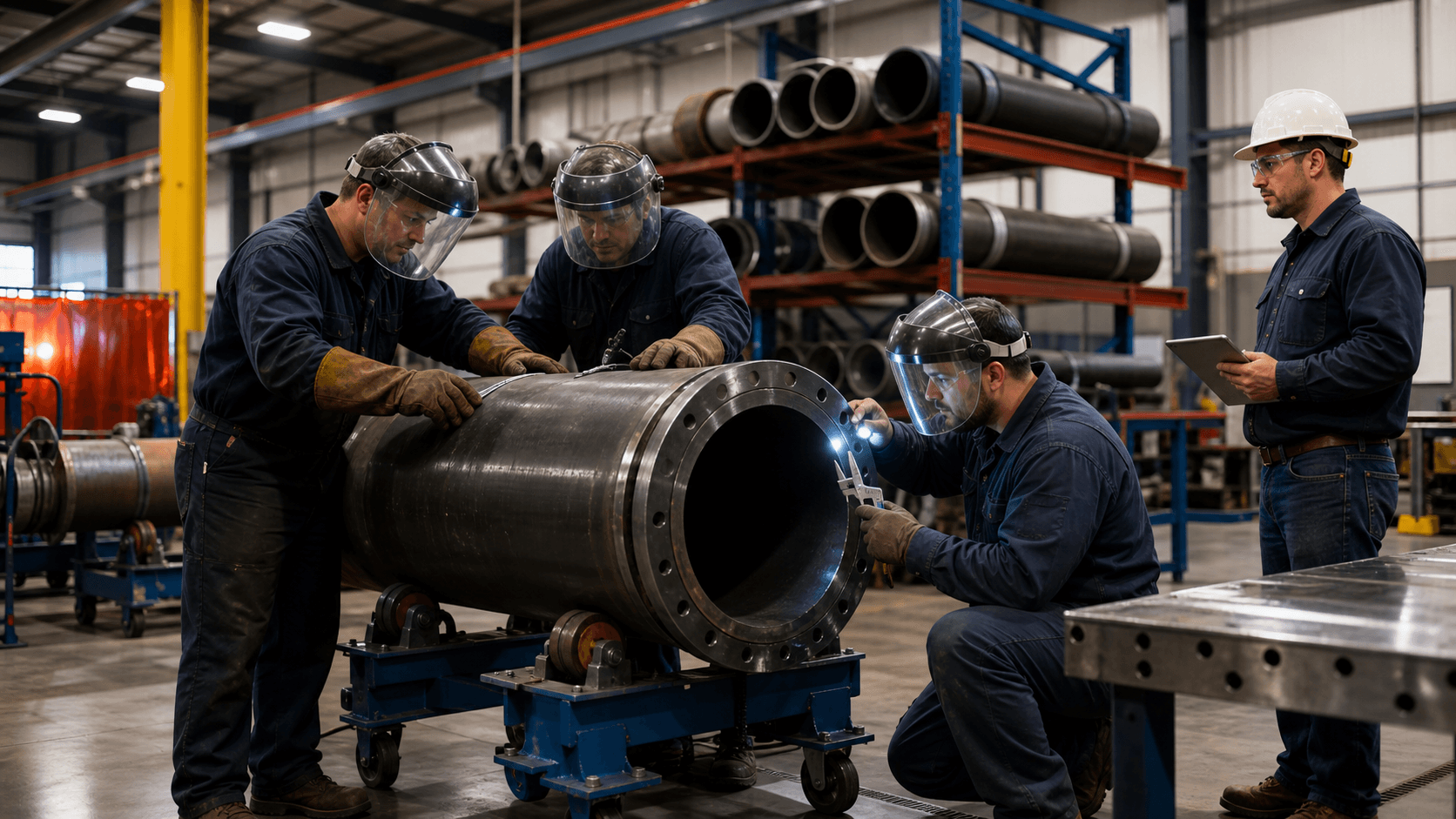
Stamped drawings do not automatically mean the fabrication is code-compliant. To back up that claim, you need:
- Qualified and certified welders for the right processes and positions
- Written Welding Procedure Specifications (WPSs)
- Procedure Qualification Records (PQRs) that support those WPSs
- Inspector sign-offs at the right stages
On top of that, owners often overlook the paperwork trail that makes or breaks you when an audit or incident comes up. Key records include:
- Material Test Reports (MTRs) tied to actual heat numbers
- Weld maps that show who welded what, and where
- Inspection and test reports for visual checks, NDE, and pressure tests
- QC logs that document repairs and rework
When schedules are tight, it can be tempting to relax some steps to "save time." That shortcut can circle back as failed inspections, startup delays, or emergency rework after the plant was supposed to be back online. Repairs and tie-ins must follow the same standards as new fabrication, or the system ends up with weak links.
Mobile welding and shop fabrication that stay grounded in code procedures give owners some peace of mind. When both new work and repairs follow the same rules, it is much easier to stand behind the system during reviews and investigations.
The Hidden Cost of Poor Fit-up and Field Adjustments
Even a well-designed piping system on paper can run into trouble when shop-fabricated spools meet real steel in the field. Older Houston facilities often have settled structures, past modifications, or tight spaces that do not match the ideal drawing.
Common field problems include:
- Misaligned flanges that need to be forced together
- Extra grinding or torch work just to make parts fit
- "Field fixes" that change weld joint details
- Supports that no longer land in the right place
Every one of those workarounds can chip away at weld quality and add stress to the system. Forced fit-ups can build in tension that later shows up as cracks or pulled bolts. On top of the technical risk, they drive up costs that owners do not always see coming.
Those hidden costs often look like:
- Extra crane time while crews fight to fit the spools
- Extended shutdown windows in the heat of summer
- More hot work permits and safety oversight
- Overtime for emergency mobile welders and fitters
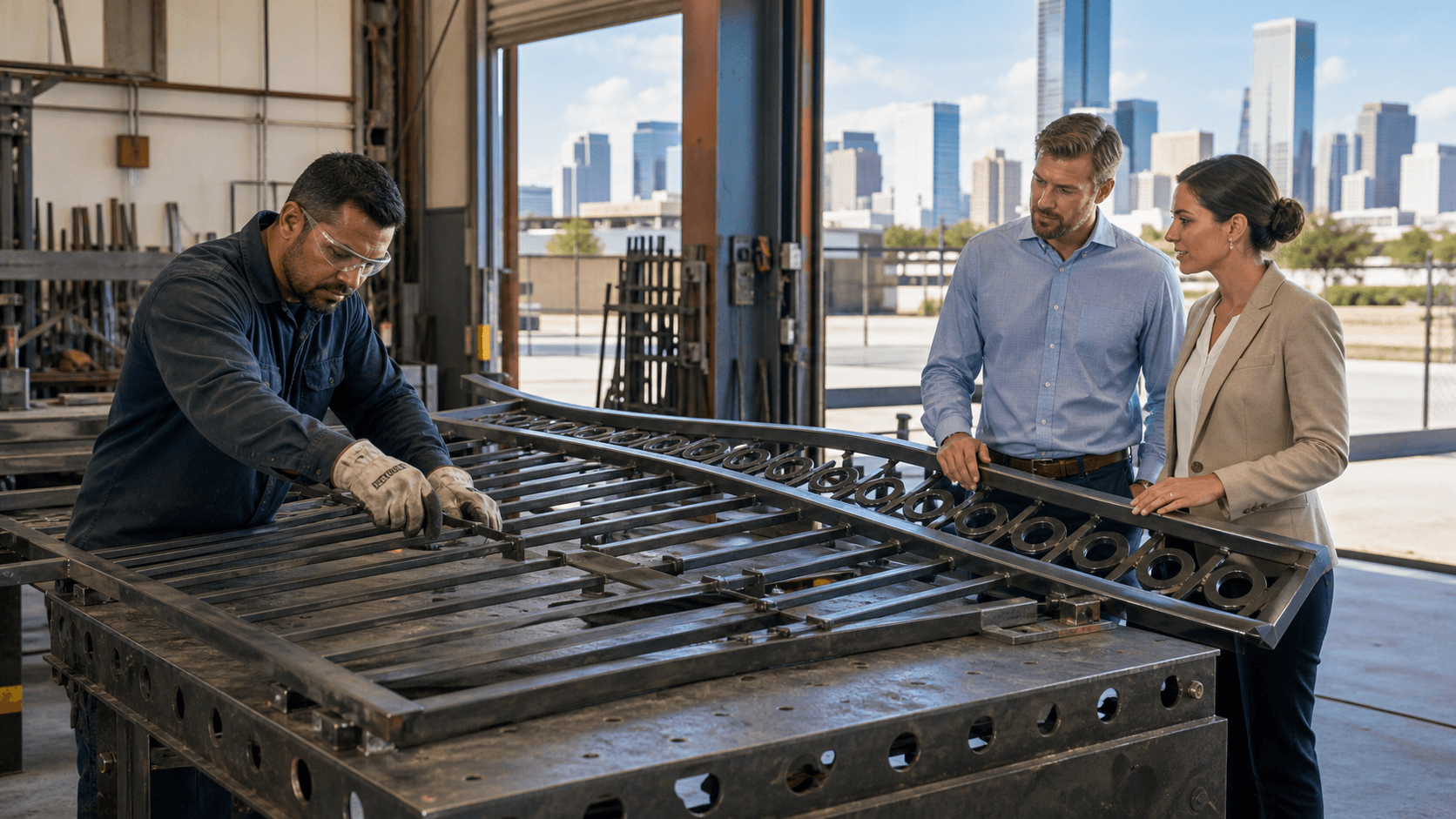
Careful shop fabrication plus skilled onsite adjustment is the way to cut down those surprises. Accurate measurements, templates, and experienced fitters help bridge the gap between drawing and reality. When owners, engineers, and fabricators coordinate early on tie-in locations, tolerances, and access for welding and inspection, field rework drops in a big way.
Choosing the Right Fabrication Partner in Peak Season
Summer is prime time for outages and turnarounds across Houston. During those periods, shops and welders are busy, lead times stretch out, and everyone is racing the schedule. Quick decisions under that pressure can lead to missed details and lower quality.
When you look at partners for industrial pipe fabrication in Houston, it helps to go beyond size and price. Key things to check include:
- Certifications and proven experience with relevant codes
- Mobile welding rigs that can respond when plans change
- Shop capacity for prefabrication ahead of shutdowns
- Ability to support testing and documentation needs
Bid scopes can also hide risk. Owners sometimes miss gaps like:
- Supports, guides, and anchors that are "by others" but never assigned
- Tie-ins that are assumed to be ready, but are not
- Who owns onsite changes, night work, or last-minute additions
Lowest price rarely protects your schedule or your uptime. Looking at schedule reliability, safety practices, and QA/QC systems matters just as much. A team that can support both shop and field work, planned jobs and surprises, will help keep the outage from sliding into regular production days.
Turn Pipe Fabrication Into a Long-Term Asset
Industrial pipe fabrication in Houston should not be treated as a one-time expense you try to push down as far as possible. It is part of plant reliability, safety, and compliance for many years.
The big ideas to keep in mind are simple:
- Respect the local climate and plan for heat, humidity, and movement
- Expect code-backed procedures and real documentation, not just stamped drawings
- Plan for real field conditions, not just ideal models
- Choose partners who can perform both in the shop and onsite when time is tight
Before your next project or shutdown, it helps to walk through a basic checklist:
- What exact codes and procedures will control fabrication, testing, and repairs?
- How are welder certifications and QA/QC processes verified and recorded?
- Have thermal movement, outdoor exposure, and insulation details been built into the plan?
- Who is clearly responsible for onsite adjustments and any emergency welding during the work window?
Taking these steps early turns pipe systems from a constant worry into a long-term asset that supports production instead of interrupting it. With the right questions and the right partners, owners can move through Houston's busiest seasons with fewer surprises and stronger piping in the field.
Get Started With Your Project Today
If you are ready to move your facility upgrades forward, Weldit is here to support you with expert industrial pipe fabrication in Houston tailored to your specifications and schedule. We work closely with your team to align design, materials, and timelines so your project stays on track. Tell us about your scope and requirements, and we will provide a clear path from estimate to installation. To discuss details or request a quote, simply contact us today.