Keep Houston Fleets Rolling with Mobile Aluminum Repairs
Houston fleets work hard, especially in summer when the heat feels like it is coming from every direction. Delivery trucks, service vans, trailers, and equipment are out longer, loaded heavier, and stopping more often. All that strain shows up first on aluminum parts like beds, doors, ladders, racks, and boxes.
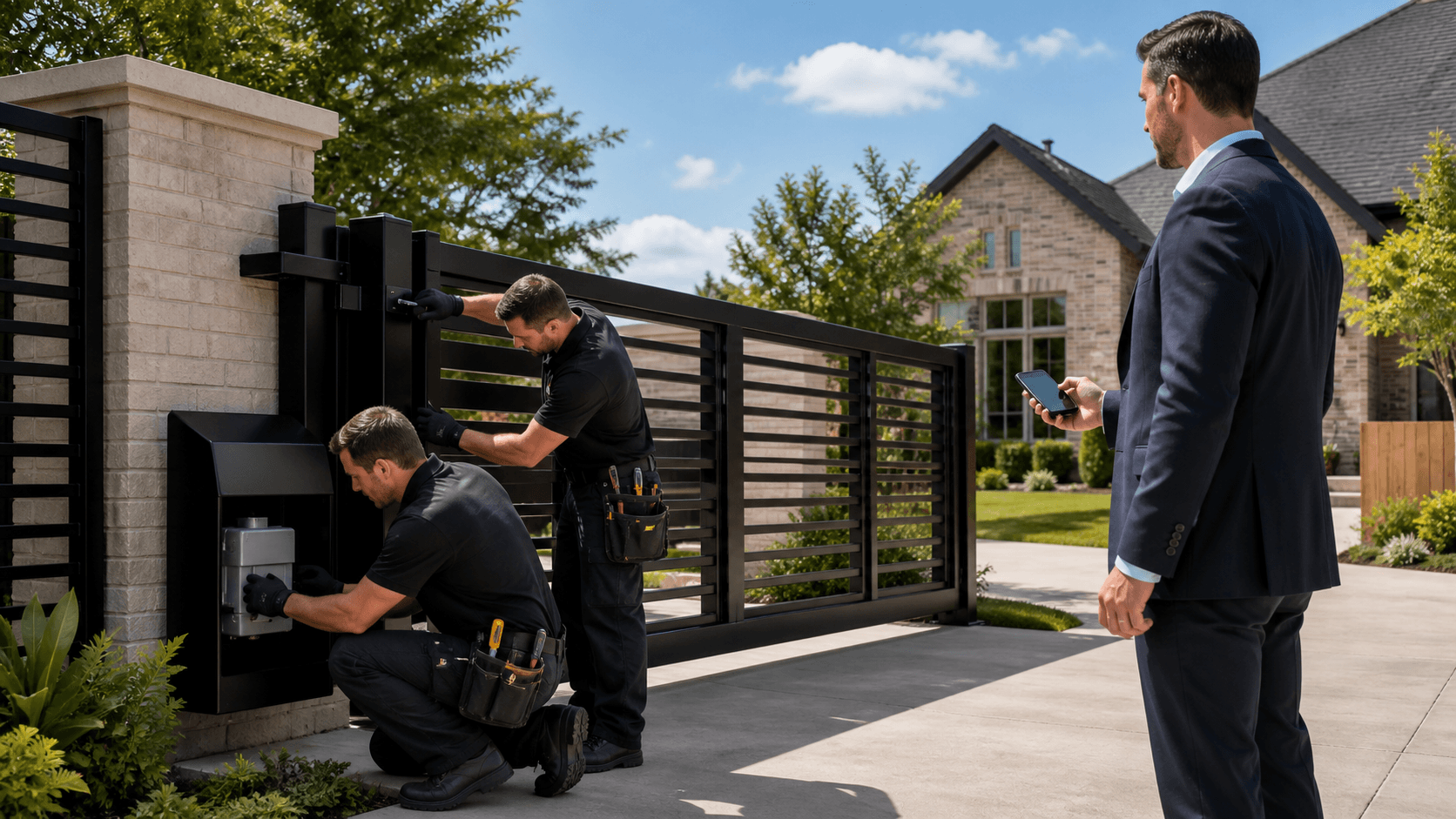
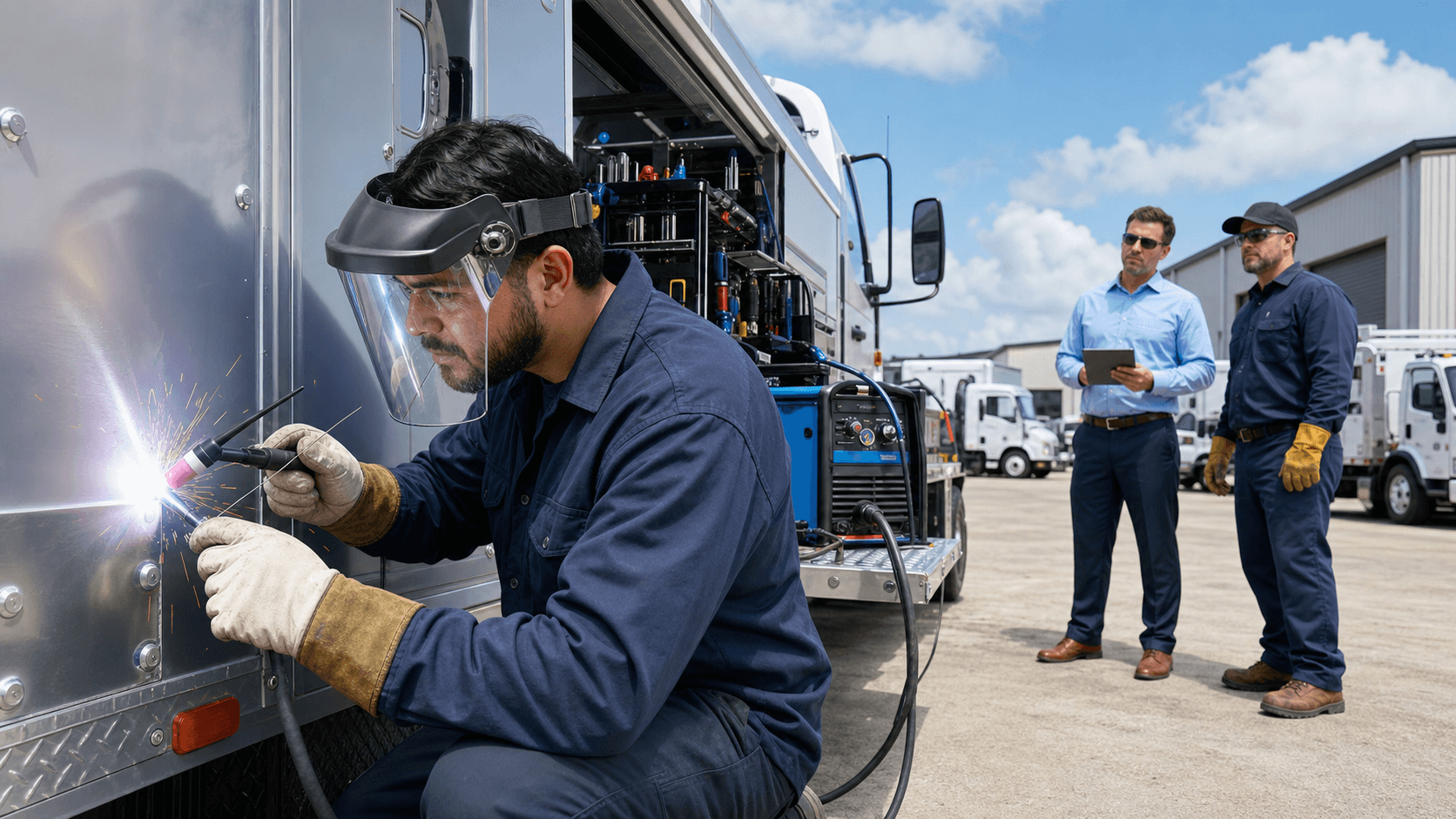
A mobile aluminum welder brings the repair shop straight to your yard or jobsite. That means less time waiting, less time towing equipment, and more time with wheels on the road. When the schedule is packed and every route matters, having repairs done where the vehicles sit can keep your operation moving.
Our team at Weldit provides mobile welding and metal fabrication across major Texas markets, including the Houston area. We focus on code-compliant work in the field and in our shop, so fleet managers can keep trucks safe, legal, and productive when the calendar is busy and the heat is relentless.
Why Aluminum Fleet Equipment Fails Faster in Houston Summers
Aluminum is a great material for trucks and trailers because it is lighter and resists rust, but it has its own weak points in a climate like Houston. Long days in direct sun, high humidity, and constant heat are hard on every aluminum component.
Here is what that looks like in real life:
- UV and heat can speed up fatigue in thin panels and brackets
- Moist, salty air can attack unprotected surfaces and joints
- Repeated expansion and contraction can help small flaws turn into cracks
- Dirt, road grime, and wash chemicals can get trapped in seams and pinholes
Add normal fleet work to that, and the stress multiplies. Liftgates go up and down all day. Truck bodies flex and twist on rough roads and job sites. Toolboxes slam shut. Fuel tanks vibrate mile after mile. During summer rush or holiday peaks, many fleets run longer hours and carry more weight too.
All of this can lead to:
- Hairline cracks in welds or corners
- Broken brackets on racks and guards
- Loose hinges on liftgates and cargo doors
- Leaks or worn spots in tanks and boxes
If those issues sit too long, they do more than look bad. A cracked ladder rack or damaged liftgate can become a real safety hazard. Missing or broken parts can trigger inspection problems, possible DOT violations, and surprise out-of-service times. Fixing small aluminum problems quickly and correctly helps avoid bigger headaches down the road.
What a Mobile Aluminum Welder Can Do for Houston Fleets
A mobile aluminum welder is like having a mini fab shop that comes to your lot. Instead of pulling vehicles out of service for days, many repairs can happen right where the units park at night.
Common fleet repairs in the field include:
- Welding or patching cracked trailer floors and side panels
- Reinforcing liftgate hinges, mounts, and support arms
- Repairing broken ladder racks, handrails, and safety rails
- Fixing steps, catwalks, guards, and small platforms
- Rebuilding or modifying aluminum toolboxes and storage boxes
Aluminum work is not the same as standard steel welding. It usually calls for:
- Specific welding processes, like TIG or MIG set up for aluminum
- Clean surfaces, with coatings and contamination removed the right way
- Careful heat control to avoid warping thin panels
Many general mobile welders focus mostly on steel. Aluminum often needs more practice, more prep, and a different touch. A qualified contractor that deals with aluminum on a regular basis can help make sure repairs hold up under real fleet use.
With the right field-ready power sources, portable welders, and mobile fabrication tools, a lot of work is possible right in the yard. Brackets can be cut and replaced, gussets can be added, and worn parts can be rebuilt so your team is not waiting for shop space while vehicles sit idle.
Safety, Code Compliance, and Insurance for Aluminum Repairs
Any part that carries load or protects people needs more than a quick patch. Structural or load-bearing aluminum repairs on trucks, trailers, and service bodies should be done by welders who understand codes, maker guidelines, and basic fleet safety standards.
Good aluminum repair includes:
- Choosing the right alloy and filler for the job
- Cleaning and prepping joints before welding
- Using proper joint design instead of just stacking more weld
- Controlling distortion so doors, lids, and gates still line up
When welding is done in a way that follows standard practices and documented procedures, it helps:
- Reduce the chance of failure during normal use
- Keep vehicles in better shape for inspections
- Support insurance needs after incidents or claims
- Protect drivers, cargo, and people around the work zone
Our team at Weldit focuses on certified, code-compliant field work. That means we pay attention to inspection, surface prep, welding process, and how parts are checked afterward. Solid repairs can help extend equipment life and keep the value of fleet assets stronger over time, especially when trucks and trailers work as hard as they do around Houston.
Onsite vs Shop Aluminum Welding for Houston Operations
Not every job belongs in the field, and not every job belongs in the shop. Knowing the difference can save time and stress for you and your drivers.
Onsite mobile aluminum welding works best for:
- Minor to moderate structural repairs
- Components that are hard or costly to remove
- Quick fixes that can be done between routes
- Light modifications or add-ons that fit in a normal service window
Shop-based aluminum work makes more sense when:
- There is major collision or impact damage
- Large sections of a body, bed, or trailer need rebuilding
- Precision fixtures, jigs, or heavy equipment are required
- Multiple systems are affected, not just aluminum parts
Busy fleets also have to think about timing and logistics. Many managers:
- Coordinate welding visits around dispatch schedules
- Set up night or weekend work so trucks stay in service during the day
- Bundle a list of small repairs into a single mobile visit
- Plan both field work and shop work as part of the same project
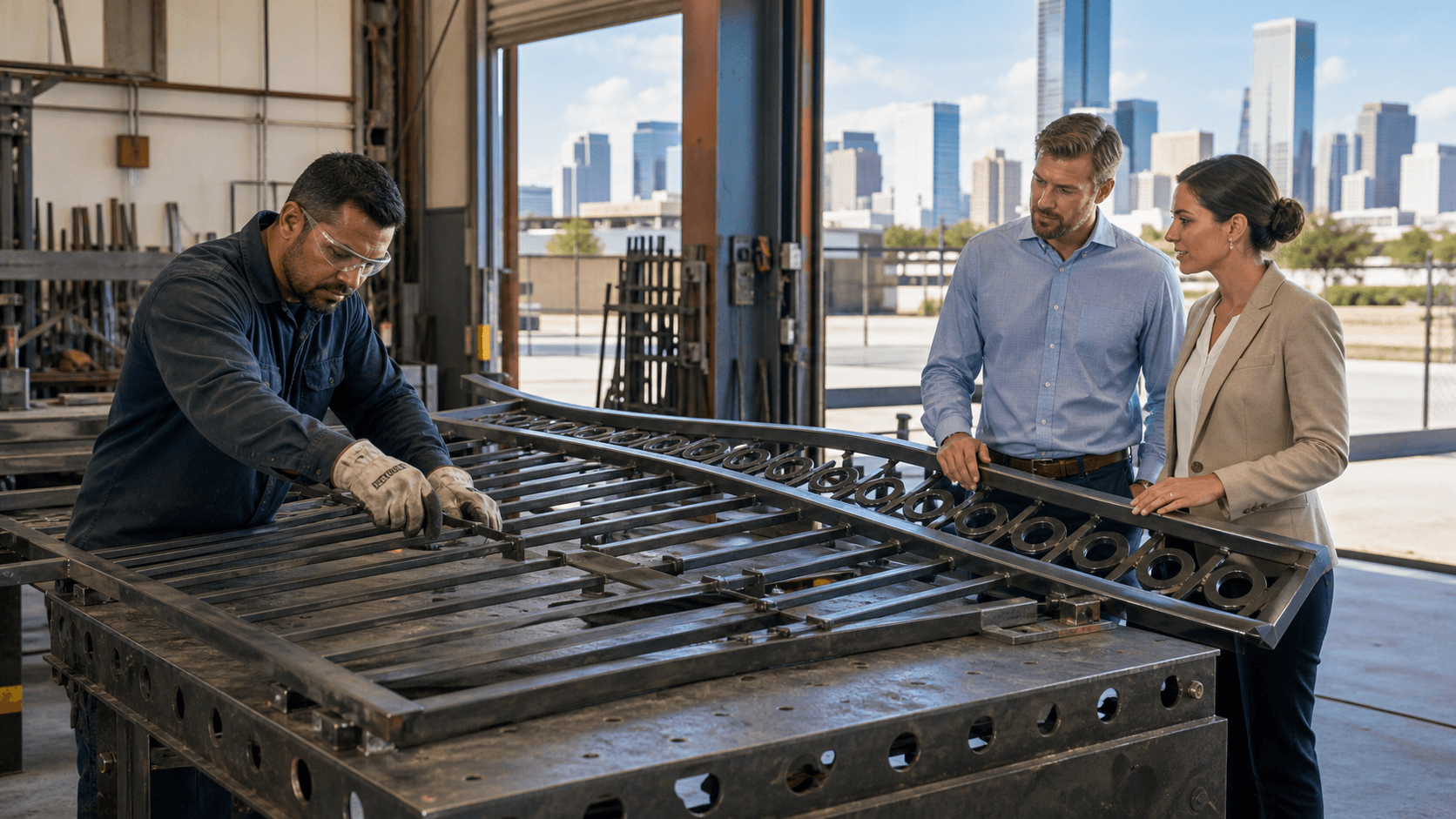
Weldit can move between mobile service and our Houston-area shop based on what each unit needs. That flexible approach helps reduce towing, cuts driver waiting time, and gets vehicles back into service as quickly as the repair allows.
Plan Your Summer Maintenance with a Mobile Aluminum Welder
The best time to fix aluminum problems is before they take a unit off the road. Summer and other peak seasons are perfect times to tighten up your maintenance plan so minor damage does not turn into a surprise breakdown.
Many fleets benefit from a simple seasonal approach:
- Walk every truck and trailer and note visible aluminum damage
- Prioritize units that carry people or heavy loads
- Set regular inspection intervals for liftgates, racks, and doors
- Create standard repair specs for common issues so work stays consistent
Using a mobile aluminum welder as part of this plan means repairs can be built into your normal routine. Trucks can be checked at the yard, repairs can be done on-site when needed, and larger work can be scheduled in the shop with less rush. That kind of structure keeps uptime more stable and makes it easier to plan around your busiest weeks.
Get Started With Your Project Today
If you are ready to repair, modify, or custom-build aluminum components on your schedule, our mobile aluminum welder service brings professional results directly to you. At Weldit, we evaluate your project needs, recommend the right approach, and complete the work with precision and safe on-site practices. Share a few details about your timeline and goals, and we will provide clear next steps and straightforward pricing. To schedule service or ask a question, simply contact us today.