Make the Right Call on Your Welding Method
Choosing the right welding process is not just a technical detail. It affects safety, your maintenance window, and how smoothly your shutdown work goes. When fall projects start stacking up, the welding method you choose can either keep your schedule on track or cause delays and rework.
Gas-shielded metal arc welding, often called GMAW or MIG, is one of the most common processes we use on industrial, commercial, and specialty metalwork. It works on many types of steel, and with the right setup, it can meet strict code requirements for structural work and pipe. But it is not the best fit for every single job.
Our goal is to help you understand where gas-shielded metal arc welding makes sense, where it struggles, and how to match it to the work you have lined up for your next Q4 shutdown or fall maintenance push across Texas.
What Gas-Shielded Metal Arc Welding Does Best
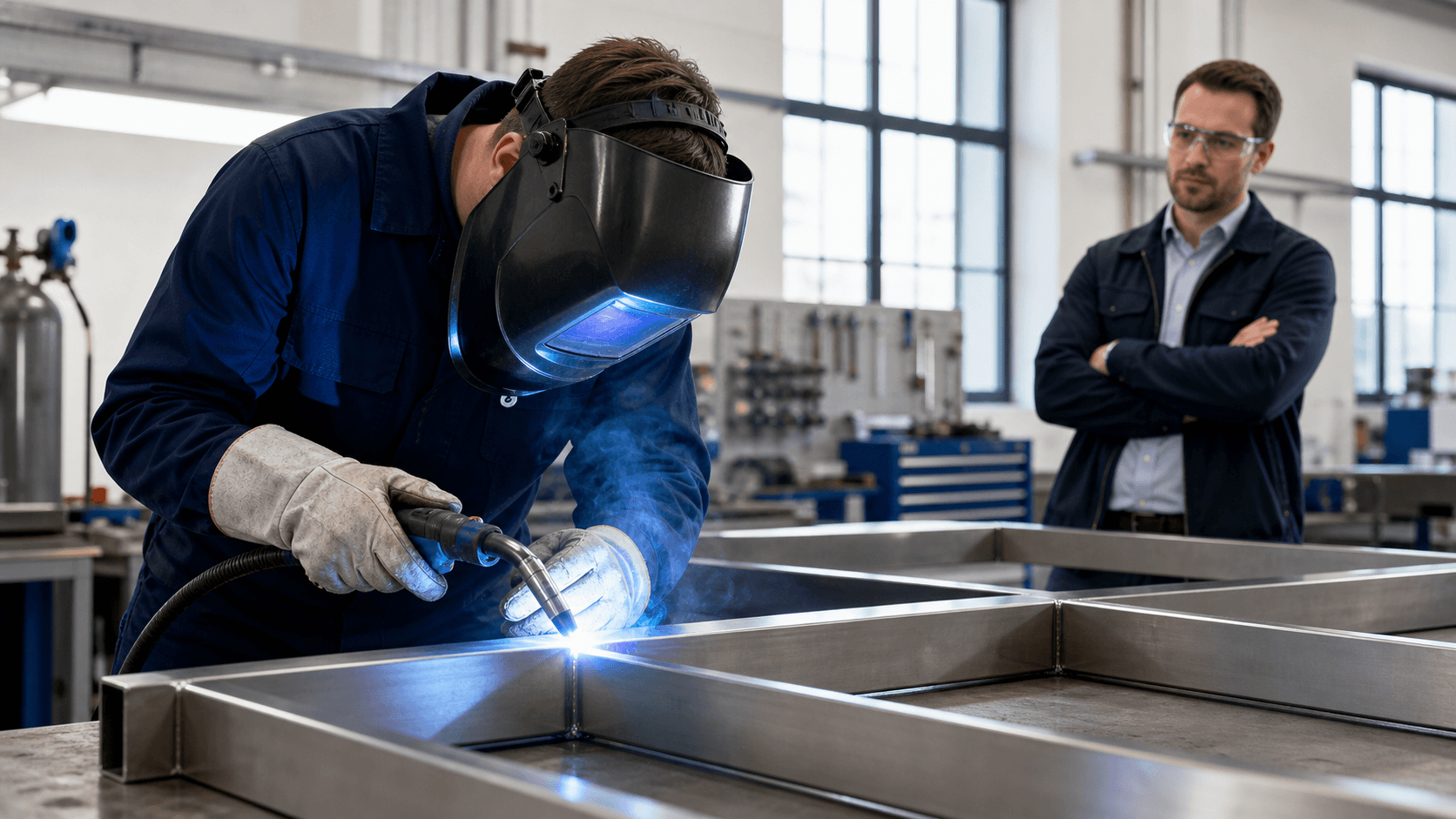
Gas-shielded metal arc welding uses a consumable wire electrode that feeds through a welding gun. A shielding gas flows around the arc and weld pool. That gas protects the molten metal from the air, which helps produce cleaner, more consistent welds.
In simple terms, this process gives you:
- A continuous wire feed for fewer stops and starts
- Less slag to chip and clean
- A fairly smooth, neat weld bead when set up correctly
- Good control with the right settings and skilled welders
These features are handy in both shop and field work. For many Texas projects, gas-shielded metal arc welding helps with:
- Structural fabrication where speed and repeatability matter
- Production runs of brackets, frames, and other commercial metalwork
- Code-driven work that needs consistent weld quality
- Tight fall timelines where every hour of downtime counts
Because the wire feeds continuously, welders can put down metal fast. That can shorten welding time on long seams, repetitive parts, or large structural assemblies. Less slag cleanup also helps keep crews moving, especially when many trades are sharing the same space during a shutdown.
When Gas-Shielded Metal Arc Welding Might Not Be Ideal
Gas-shielded metal arc welding is not a one-size-fits-all answer. Texas job sites often have open, windy areas. Wind can blow the shielding gas away from the weld. When that happens, you can get:
- Porosity in the weld
- Weak or inconsistent fusion
- Rework and delays after inspection
In very exposed spots, it can be safer to switch to a process that handles wind better, such as certain types of flux-cored arc welding or stick welding, especially when code compliance is on the line.
There are also limits related to material condition and thickness. For example:
- Very thick sections may call for processes with deeper penetration
- Heavy mill scale, rust, or dirty surfaces can be tough for gas-shielded work
- Certain joint designs and positions can be easier with other methods
Remote sites can bring power and access issues too. GMAW equipment generally needs steady power and gas cylinders. On some locations, it can be more practical to run stick or other options that are easier to move into tight or elevated spaces. In those cases, choosing another process often protects weld quality and helps meet the codes you are working under.
Safety, Codes, and Quality You Cannot Compromise
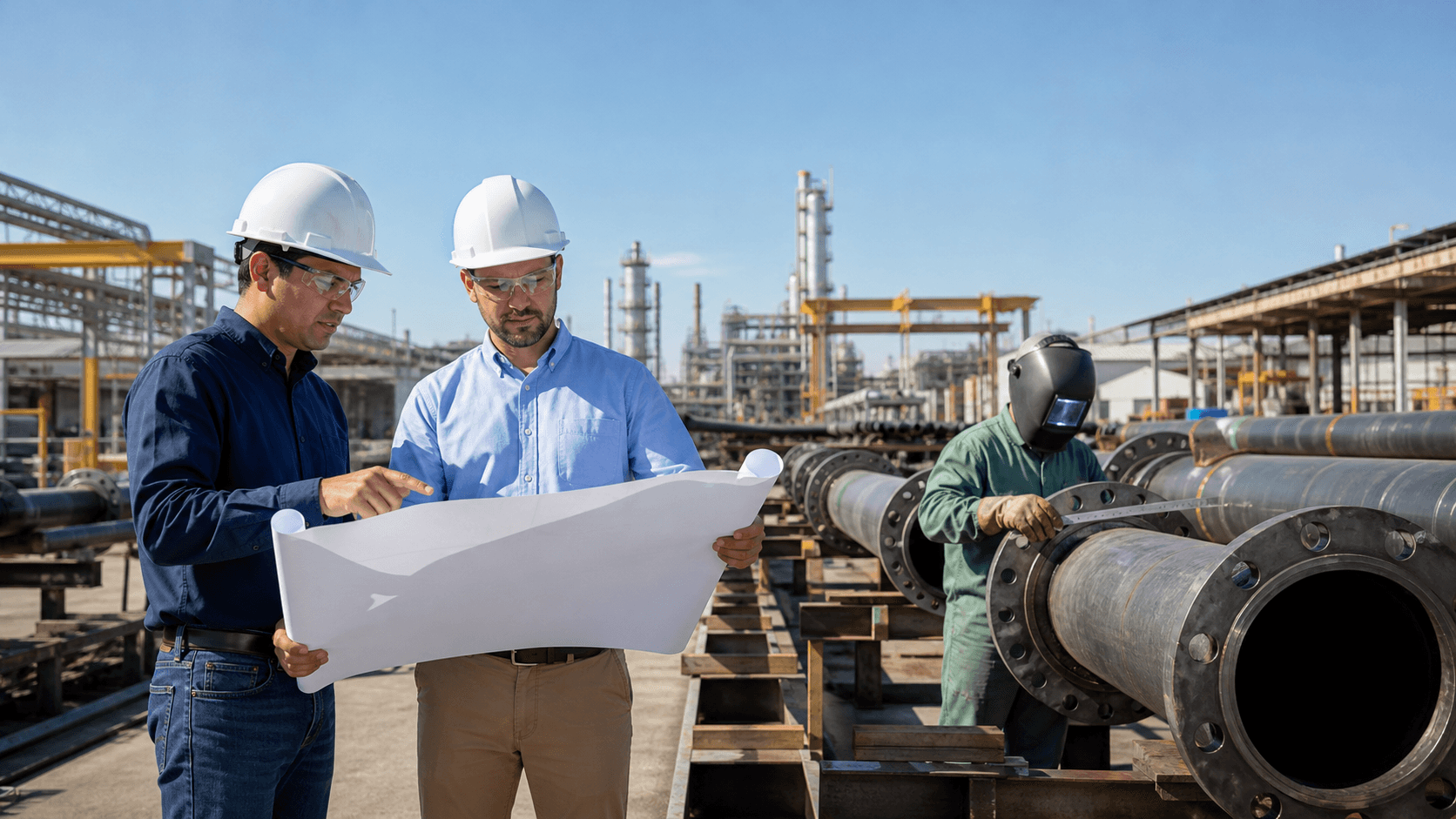
When it is planned and performed correctly, gas-shielded metal arc welding can support code-compliant structural work, process piping, and pressure-related applications. The key is not just the process, but the way it is set up and controlled.
Strong projects usually include:
- Procedure qualification records tailored to the materials and joints
- Welders tested and certified for the process and position
- Material traceability from receipt to final weld
- Clear inspection requirements and acceptance criteria
For fall maintenance and turnaround work, safety needs to stay front and center. That includes basic welding safety plus some items that stand out in our warm Texas climate:
- Safe handling and storage of shielding gas cylinders
- Adequate ventilation for shop and enclosed field work
- Careful hot work planning in dry areas with nearby combustibles
- Fire watch where needed, especially around coatings and old insulation
- Proper PPE for both shop and mobile field welding
Good planning around these points helps keep work moving while protecting people, property, and inspection results.
Matching Welding Method to Your Texas Project Needs
So how do you decide if gas-shielded metal arc welding is the right call for your next project? It helps to look at a few simple questions:
- Where is the work being done, shop or field, enclosed or exposed?
- What type of material, thickness, and joint design are involved?
- How many parts or joints do you need to complete?
- How important is weld appearance compared to access and position?
- How tight is your schedule, and how much rework risk can you handle?
Here are some general patterns we see:
- Structural frames and supports in a controlled area often fit gas-shielded work well, especially when you need repeatable results.
- Field tie-ins where access is tight may lean toward stick or TIG, depending on the code and cleanliness needed.
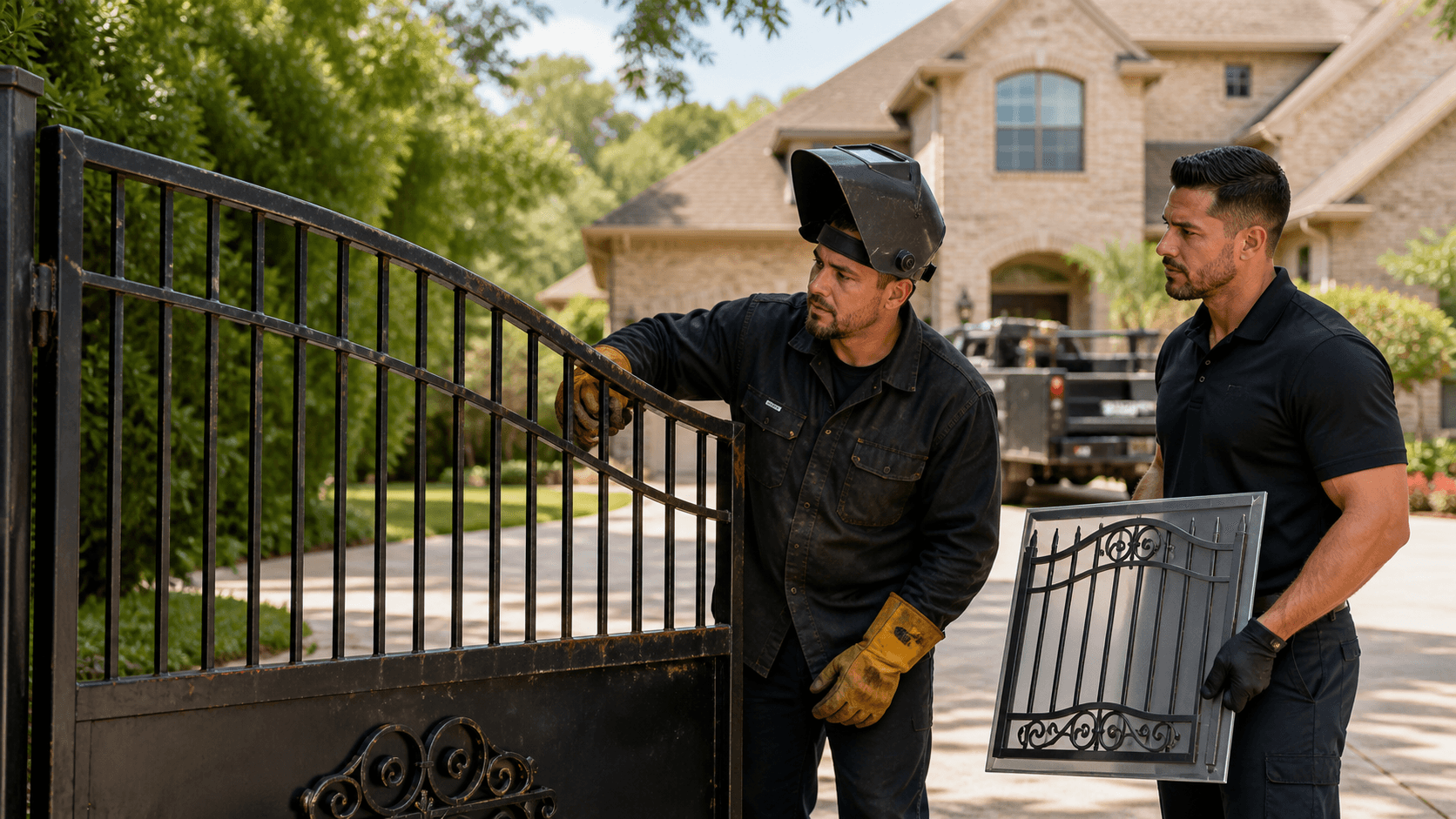
- Specialty custom fabrication with visible welds might use GMAW for speed on hidden joints and TIG on areas where appearance is critical.
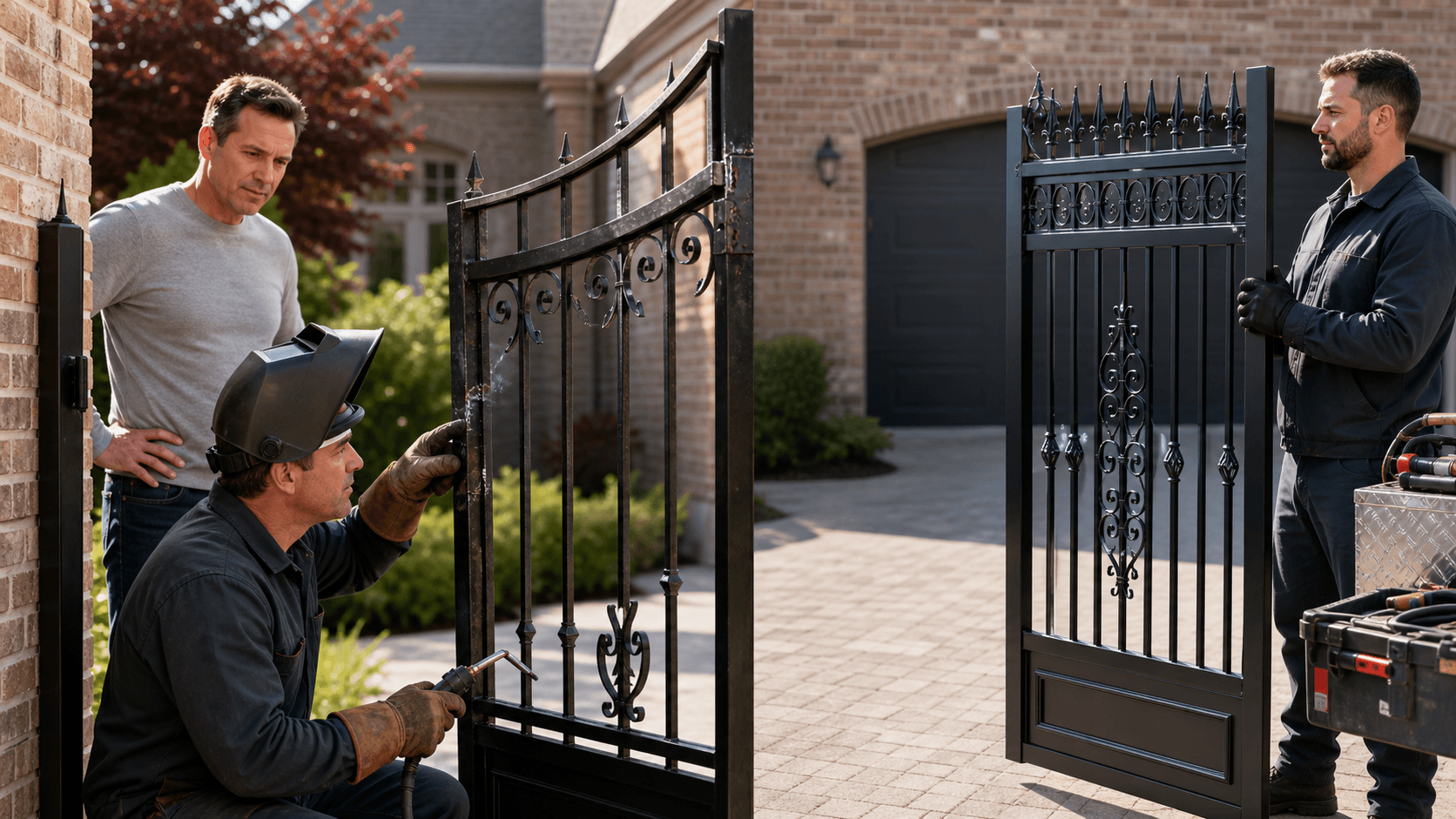
Mobile capabilities can make a big difference. When welders can bring multiple processes to your site, they can look at real conditions, not just drawings. That means they can select gas-shielded metal arc welding where it makes sense, then switch to stick, TIG, or flux-cored welding when wind, access, or joint design call for a different approach.
Plan Your Next Weld-Ready Project with Confidence
As fall work ramps up and you review shutdowns, structural upgrades, or system tie-ins, it helps to flag the areas where gas-shielded metal arc welding might increase speed without giving up quality. Anywhere you have repeatable joints, decent access, and the ability to control wind and ventilation is worth a closer look.
Weldit provides certified mobile welding and fabrication services across Texas, with a strong focus on code-compliant pipe, structural work, and custom fabrication. Our team can evaluate your project needs, match the welding process to your site conditions, and put together a plan that supports safe, efficient, and reliable results.
Get Started With Your Project Today
If your next project demands precise, reliable results, our team at Weldit is ready to help you move from planning to completion with confidence. We use advanced gas-shielded metal arc welding techniques to deliver durable, code-compliant work tailored to your specifications. Tell us about your schedule, scope, and performance requirements, and we will build a clear path forward. To discuss your project or request a quote, simply contact us today.