Faster Tenant Turnovers with Onsite Mobile Welding
Tenant build-outs and retrofits move on tight clocks in Houston. Landlords, property managers, and general contractors all feel the squeeze when a space sits empty, even for a few extra days. Every delay pushes back move-in dates and rental income, and small issues with steel or metal work can quickly snowball into bigger schedule problems.
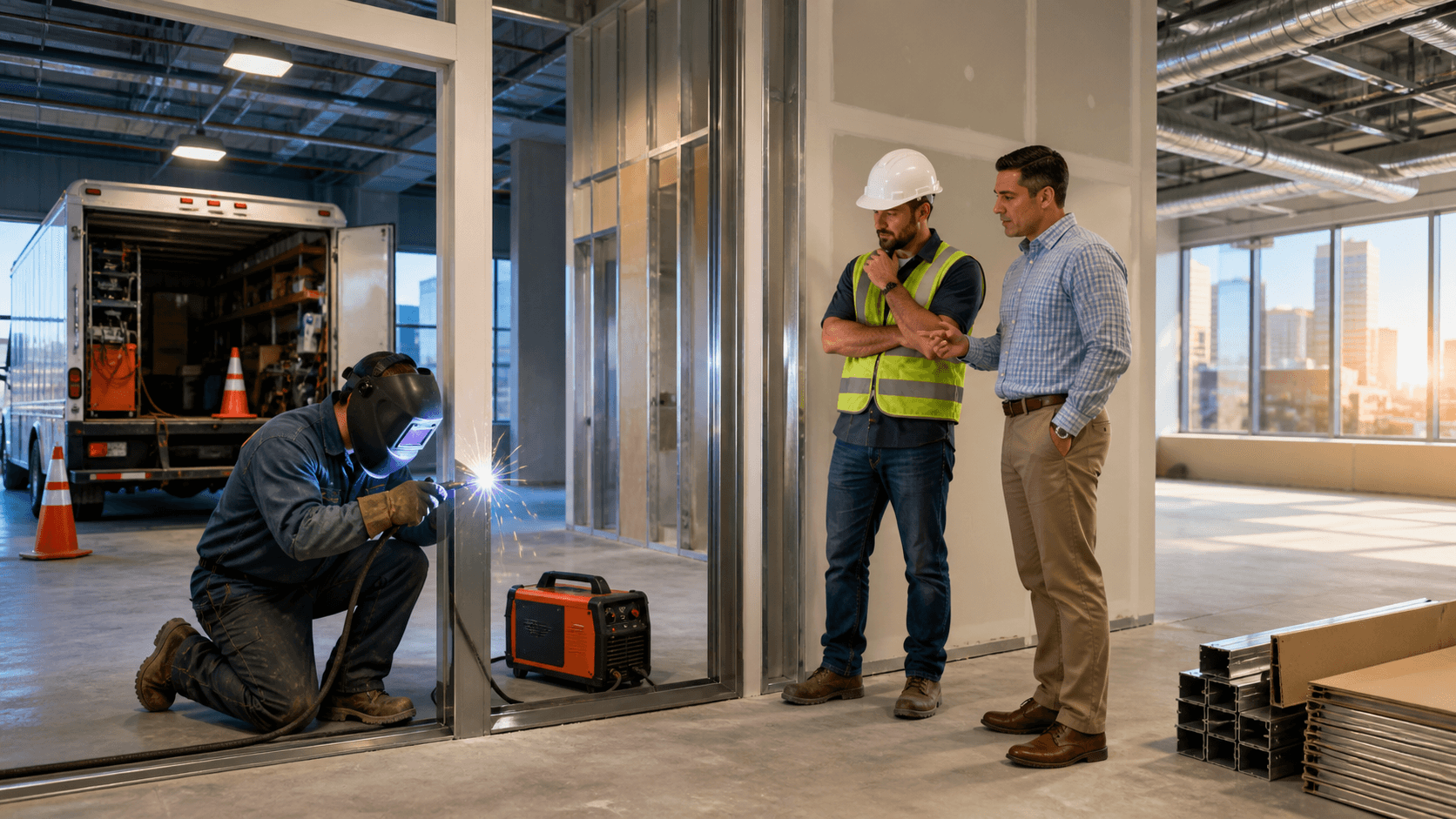
Onsite mobile welding keeps that clock from getting away from you. Instead of waiting on shop schedules and multiple trips back and forth, the welding crew comes straight to the property with the gear, materials, and skills needed to get steel work done in place. That means less downtime between tenants, smoother inspections, and fewer last-minute scrambles.
When welding and metal fabrication happen right at the job site, coordination is easier. Field conditions can be handled in real time, and there is less chance that a small steel change stalls the whole build-out. For owners and GCs, this can be the difference between a stressful turnover and a clean, on-time handoff.
What Houston Tenant Build-Outs Really Demand
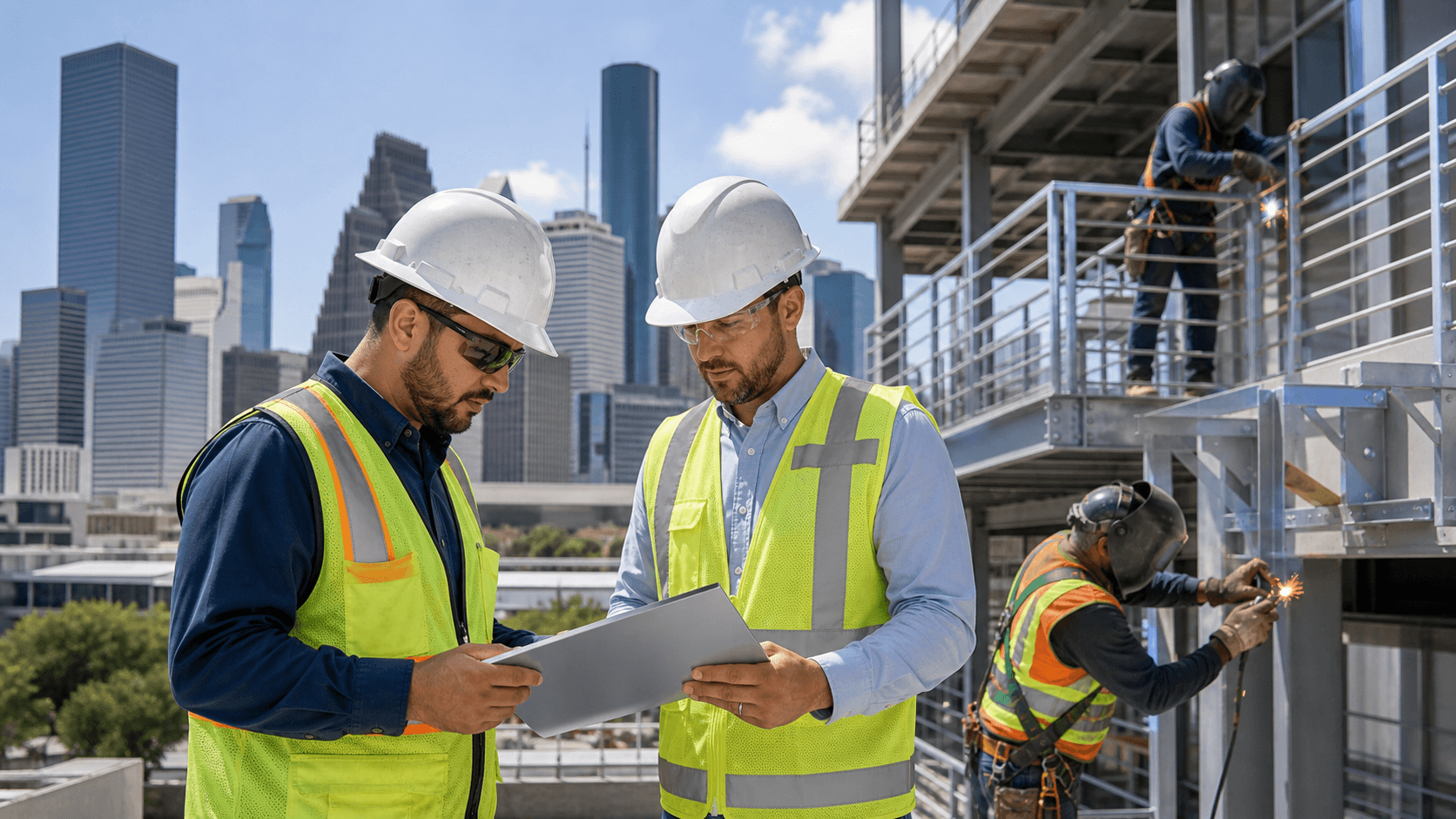
In Houston, tenant build-outs for offices, light industrial spaces, and retail suites often move fast, especially during late summer and the push to get leases wrapped before year-end. Spaces flip, tenants roll out, new tenants want custom layouts, and everyone wants keys and access as soon as possible.
Those quick timelines usually come with a familiar set of metal work needs, including:
- Structural steel modifications for walls, openings, and new layouts
- Stair and handrail changes to match new access routes
- Storefront framing adjustments for doors, entries, and security
- Bollards and guards to protect walls, doors, and equipment
- Equipment supports, platforms, and custom brackets for new gear
On top of that, there is the pressure of inspections and approvals. Fire and life safety rules, structural requirements, and landlord standards all have to line up. Welded connections need to be clean, strong, and compliant, not patched together at the last minute. Poor welds or "close enough" fixes can trigger inspection failures, extra visits from engineers, and unexpected delays that nobody has time for during a tight turnover.
Why Onsite Mobile Welding Beats Shop-Only Fabrication
Shop fabrication has its place, but for many tenant build-outs and retrofits, it slows things down. When steel has to be removed, hauled to a shop, modified, then hauled back and reinstalled, the clock keeps ticking and other trades often have to wait.
Onsite mobile welding changes that by:
- Reducing or avoiding the need to dismantle existing steel
- Cutting out transport time and handling risks
- Making it easier to adjust and fit pieces directly in the space
- Limiting extra site visits and measurement do-overs
With welding and fabrication happening on location, it is much easier to respond when field conditions do not match the drawings. Maybe a beam is slightly out of line, or existing steel is different from what the plans showed. A mobile welder can measure, fabricate, fit, and weld right there instead of stopping the project to send something back to a shop.
This flexibility also helps when design changes hit late in the job. If a tenant tweaks a layout, adds equipment, or changes a stair or guardrail, onsite welding crews can handle those items and punch-list work while other trades keep moving. That keeps the schedule from resetting every time something shifts.
Solving Real-World Retrofit Challenges in Occupied Spaces
Many Houston tenant build-outs happen in buildings that are still partly occupied. Office floors may have active suites, retail centers may have open stores, and industrial buildings might still be running production in other bays. That brings a different set of challenges for steel work and welding.
In these settings, mobile welding setups are built to work inside or near occupied areas with:
- Portable power sources and welding machines that can move around tight spaces
- Fume extraction where needed to help manage smoke and fumes
- Fire protection gear, including fire blankets and fire watches during hot work
- Compact tools and rigs that work within restricted access zones
Noise limits, access windows, and safety rules from building management all play a part. Careful staging helps keep paths clear for building tenants and visitors. Good planning around hot work permits, elevator use, loading dock time, and after-hours work can make steel changes almost invisible to the people next door.
When structural members need reinforcement, stairs and platforms must be adjusted, or existing handrails need repair, having mobile welding teams that respect the building's rules and routines is key. That way, the build-out keeps moving while daily operations nearby can continue without major disruption.
Code-Compliant Steel Work Houston Inspectors Trust
Tenant build-outs must do more than simply look finished. Structural steel, mezzanines, stairs, handrails, and equipment supports all have to meet the expectations of engineers, inspectors, and insurance carriers.
AWS and ASME code-compliant welding helps support that level of trust. Certified welders follow documented procedures and use materials with known traceability so the people signing off on the work have confidence in what they see. This is especially important when:
- Tying new steel into existing beams or columns
- Modifying load-bearing supports or platforms
- Building or changing stairs, guards, and handrails
- Adding or reinforcing equipment frames and mounts
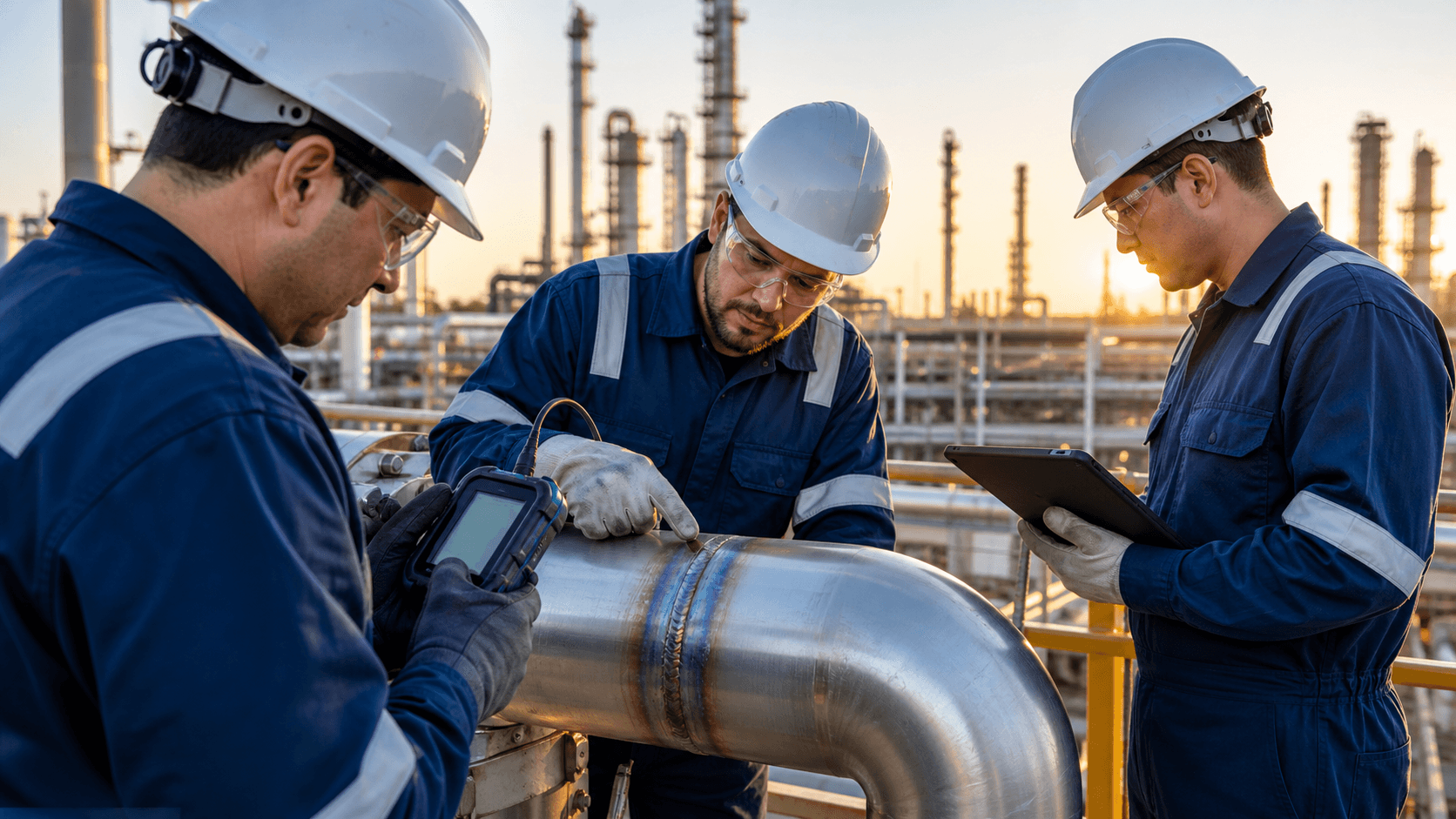
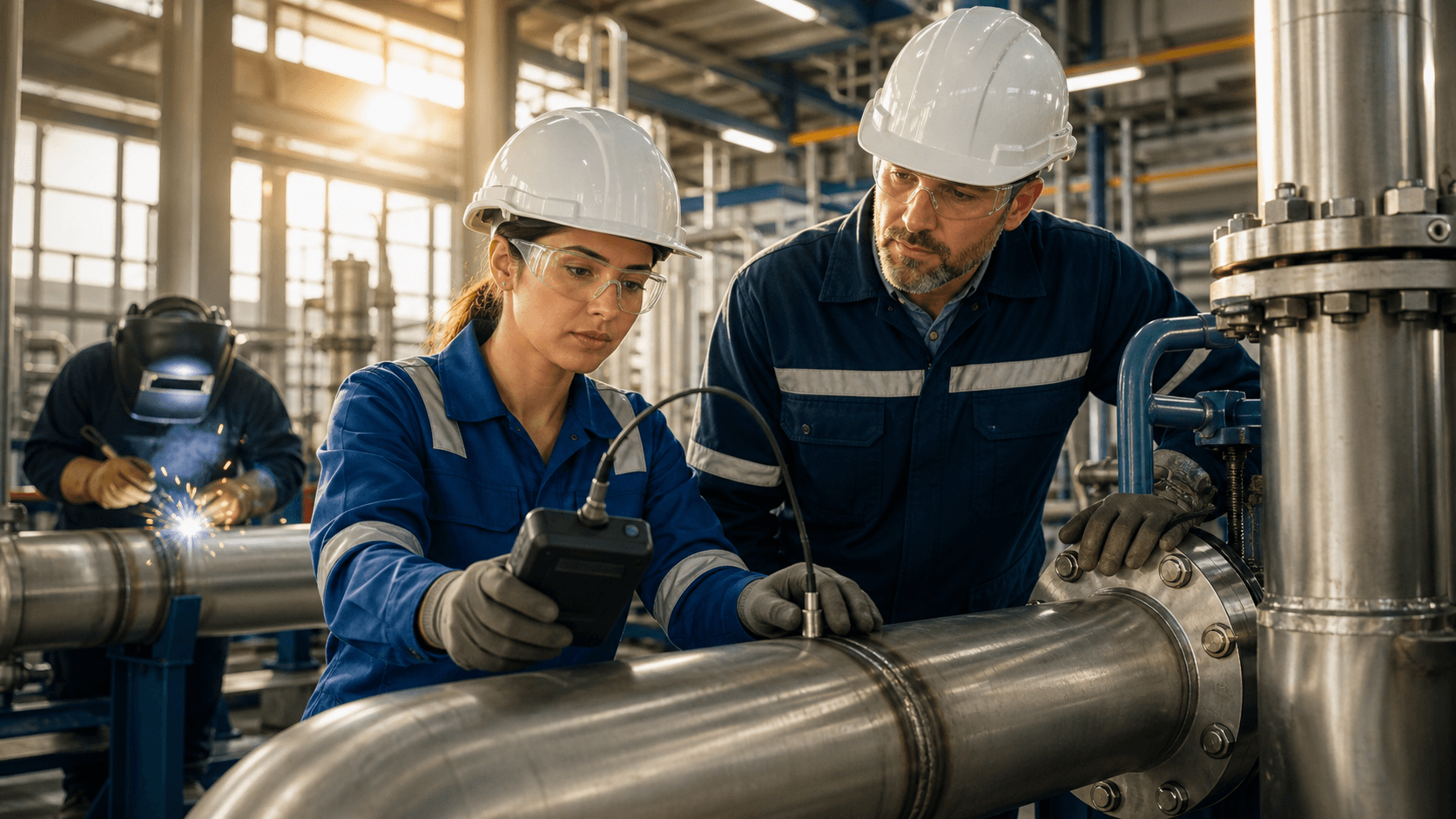
Quality control steps, such as visual weld inspections, testing when required, and clear as-built information, help reduce the risk of an inspection setback. When inspectors can see that welds match specified procedures and that required documents are in order, the chance of rework drops and the schedule is easier to protect.
How Onsite Mobile Welding Keeps Build-Outs on Track
Keeping a tenant build-out on budget and on schedule often comes down to how quickly and clearly metal work is handled. A typical onsite mobile welding workflow can include:
- A site walk to review existing conditions and access limits
- A scope review with the GC or facility manager to align expectations
- Field measurements and checks against drawings and work letters
- A fabrication and installation plan that fits around other trades
- On-location execution, adjustments, and punch-list completion
When one contractor handles both fabrication and installation, there are fewer gaps for miscommunication. If a bracket or frame needs a change, the same team can adjust it on the spot rather than pointing fingers between a shop and an installer. That helps limit change orders created by small changes in field conditions.
Houston build-outs often ramp up in late summer and into the fall, as owners and tenants aim to wrap projects before holiday seasons and new year lease starts. During those busy cycles, it helps to plan for proactive repairs and reinforcements to existing steel while crews are already on site. Strategic scheduling of mobile welding work can also help reduce overtime and avoid rush conditions by tackling known steel items early instead of waiting for them to become emergencies.
Get Started With Your Project Today
If you need reliable onsite mobile welding for your facility, Weldit is ready to help you keep your systems running safely and efficiently. We bring certified welders, specialized equipment, and precise planning directly to your location so your project stays on schedule. Tell us about your timelines and requirements, and we will outline a clear path from inspection to final welds. To schedule service or request a quote, simply contact us today.