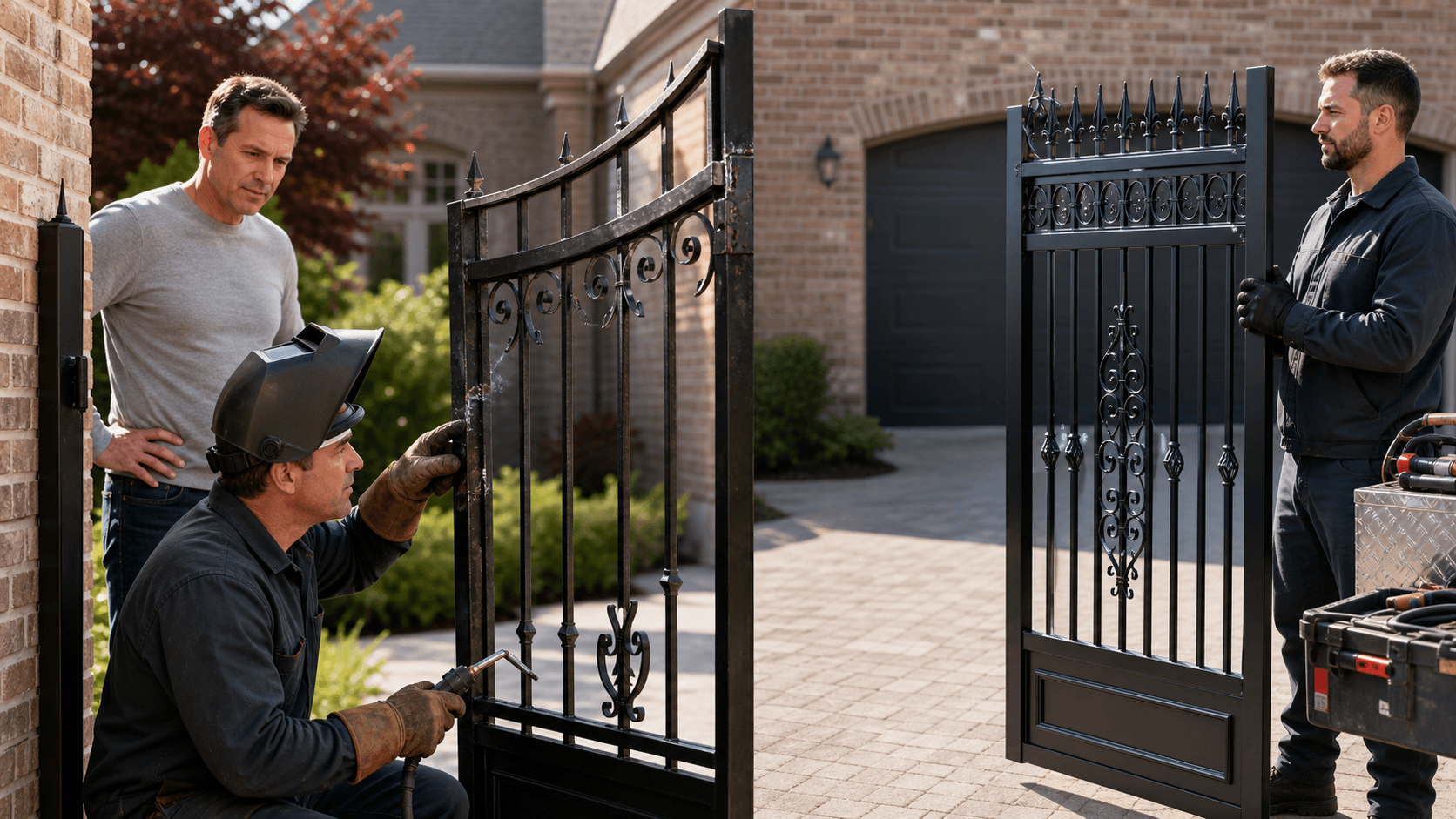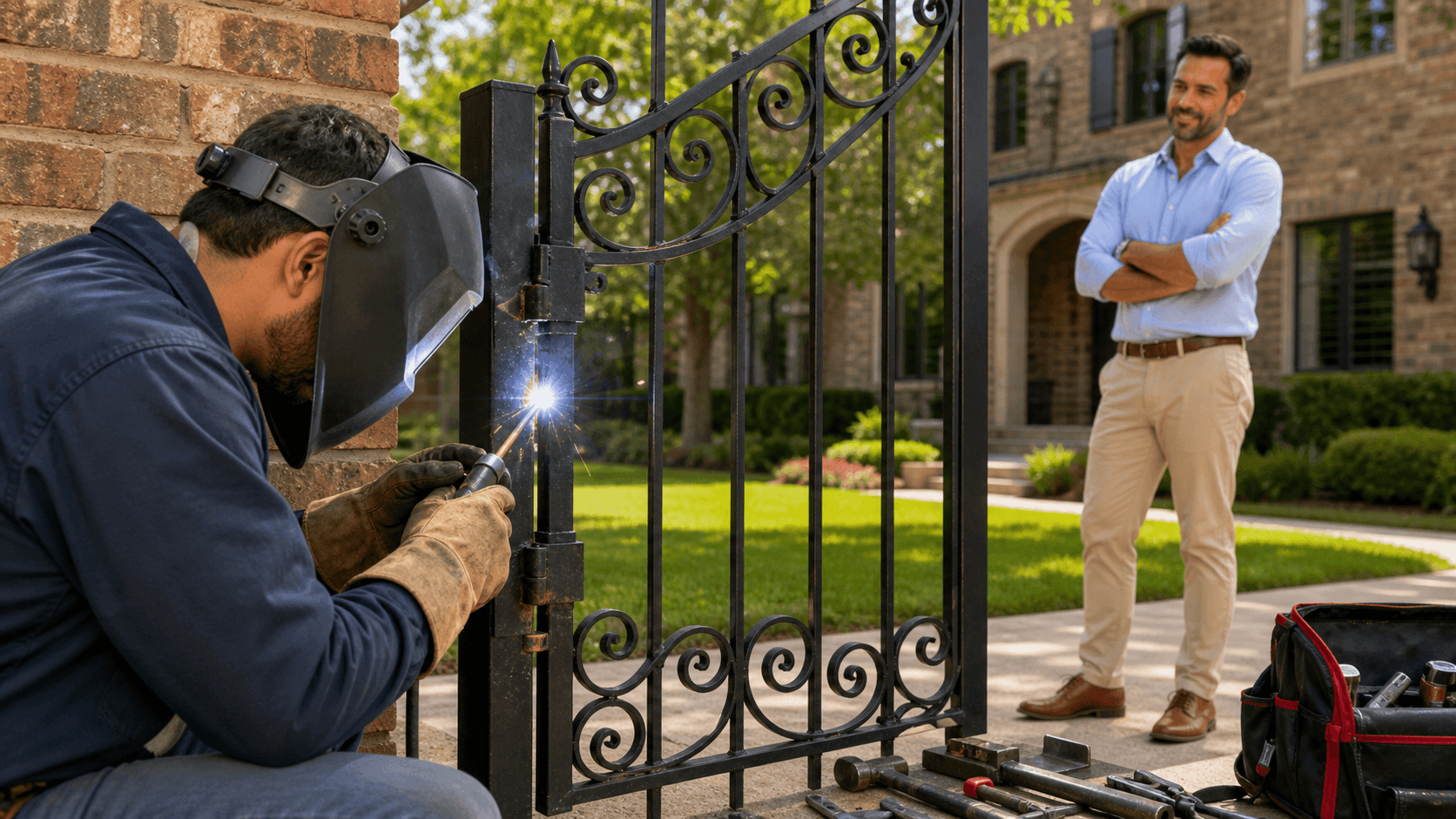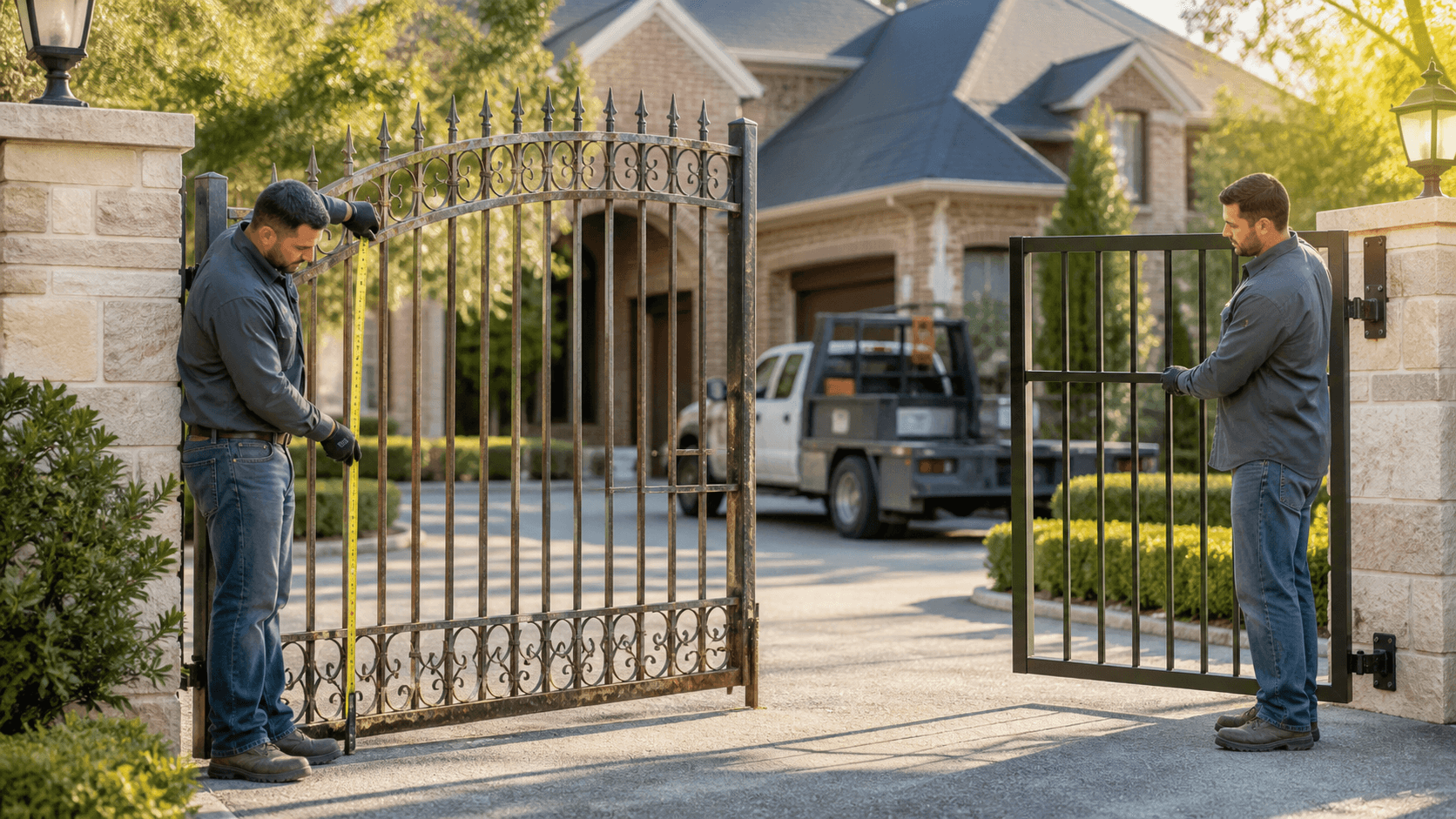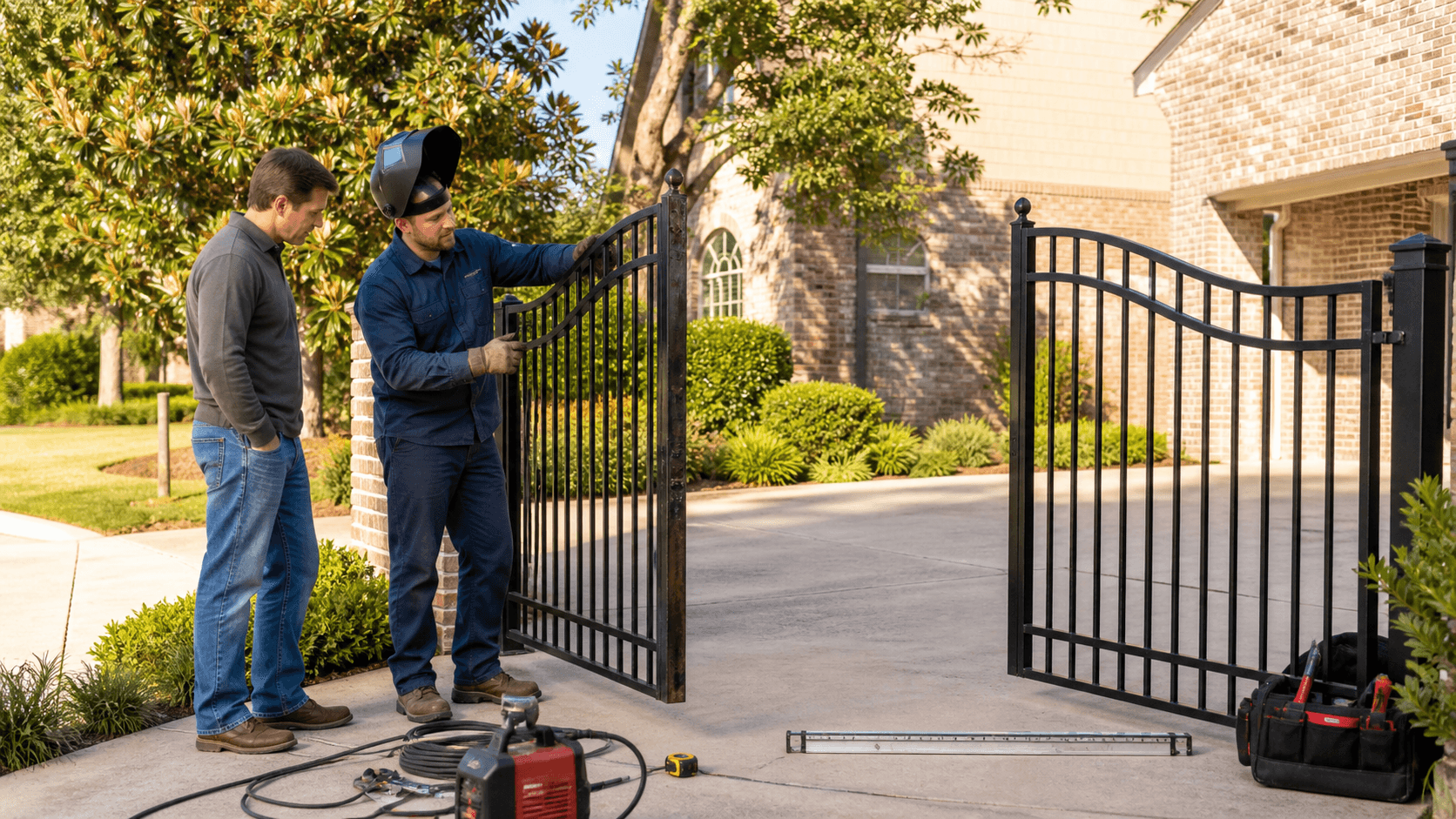
Metal fence gates take a lot of abuse in Houston. When yours starts sagging, scraping the driveway, or showing rust spots, it raises a fair question: should you schedule metal fence gate repair or just replace the whole thing? This choice matters, because your gate is not only part of your curb appeal, it also helps protect your family, pets, and property.
Fall is a smart time to look closely at that stubborn gate. The storms have calmed down a bit, the days are still long, and you have time to get ahead of winter rain and next year's heat. A clear repair or replace plan now can save you from a gate that fails right when guests, deliveries, or clients are coming through.
Stop Fighting That Stubborn Gate: Find the Right Fix
Many Houston property owners know the routine. You grab the metal gate, give it a hard pull, and it drags across the concrete. The latch barely lines up. After a big storm, it seems to stick even worse. You might give it a kick, slam it shut, and hope it behaves tomorrow.
At some point, you start asking yourself:
- Is metal fence gate repair going to solve this for a while?
- Or is this gate so tired that a full replacement is the smarter move?
Timing makes a big difference. When you deal with issues in the fall, you give your gate a chance to survive heavier rain, shifting soil, and another round of heat without a major failure. A certified mobile welding and fabrication team can look at the entire setup, from hinges to posts, and help you figure out what is still solid and what is not.
How Houston's Climate Beats up Your Metal Fence Gate
Houston is rough on metal. The mix of humidity, salty air drifting in from the Gulf, and frequent rain sets the stage for rust and corrosion. Even a good quality gate can start to show orange spots and flaking metal, especially around hinges and latches where water likes to sit.
Heat makes things worse. Metal expands when it is hot and contracts when it cools. Fast swings between hot afternoon sun and cooler evenings can cause:
- Sagging gates that drop over time
- Latches that no longer meet cleanly
- Extra stress on posts and welds
Then there are storms and heavy rain. Soft, shifting soil can let posts lean, tilt, or sink. When that happens, a gate that was once square suddenly scrapes the ground or refuses to close. Flooding can also leave behind moisture that feeds more rust at the bottom of the frame.
Before you decide between repair and replacement, it helps to understand which of these forces have done the most damage. Surface rust and minor misalignment can often be handled. Deep rust, bent frames, or moving posts might point toward a bigger solution.
When Metal Fence Gate Repair Is the Smart Move
Not every tired gate needs to be replaced. Many issues are repair-friendly when caught early. Good repair-candidate gates often have:
- Rust that is only on the surface, not all the way through
- Loose or worn hinges that still attach to solid metal
- Latches that miss by a little, but the frame is still straight
- Small cracks at welds instead of large, torn joints
With professional help, many of these problems can be fixed on site. A welding contractor can:
- Reinforce or replace hinges so they carry the load better
- Reweld cracked corners and joints to bring back strength
- Add support brackets or gussets where the gate is sagging
- Adjust or upgrade hardware so the gate closes smoothly
One big benefit of repair is less disruption. Your yard, driveway, or business entrance usually stays in service. You avoid tearing out posts or waiting for a brand-new gate to be built. When you handle these repairs in the fall, you often gain extra years of service through rainy months and another hot season.
Clear Signs It Is Time to Replace the Entire Gate
There is a line where repairs start to feel like Band-Aids. If your gate has any of these red flags, replacement may be the safer and smarter call:
- Rust that has eaten through the frame or pickets
- Metal that feels thin, soft, or flakes away when you tap it
- Gate panels that are twisted or warped out of shape
- Posts that lean or move even after attempts to straighten
Safety and security also matter. A gate that will not latch, drags so hard it shakes the fence, or shows big cracks at major welds can fail without much warning. That can be a real problem around kids, pets, vehicles, or high-traffic driveways.
If you keep repairing the same spot over and over, that is another sign. Repeated fixes often mean there is deeper structural fatigue that you cannot see. At that point, a new gate can be a better investment, especially if you want to:
- Upgrade to a heavier-duty frame or hardware
- Add an automatic opener or access control
- Match a remodel, new driveway, or updated fence style
Comparing Real Costs and Long-Term Value
Even without exact numbers, you can think about what drives the cost of metal fence gate repair versus replacement. Repair costs are shaped by:
- How much rust and damage must be removed
- How easy it is to access hinges, latches, and welds
- The size and weight of the gate
- The welding time needed and any new hardware or bracing
Replacement costs are shaped by different factors:
- Material type like steel or aluminum
- Design details such as solid panels, pickets, or custom work
- Removing and hauling away the old gate
- Any work needed on posts, footings, or support structures
The long-term value question is simple: will a repair give you enough extra life to feel good about it, or are you likely to face another failure soon, maybe during a big storm or busy season? An on-site look from a certified welding contractor can give you a clear written comparison and help you understand the tradeoffs over time.
How a Pro Welding Contractor Extends Gate Life
A proper gate checkup is more than a quick glance at the rust. A professional inspection should include:
- Hinge alignment and wear
- Weld quality at corners, hinges, and latch points
- Post stability and any signs of movement
- Ground clearance and any dragging points
- Corrosion levels, especially at the bottom of the gate
- Evidence of older, poor-quality repairs
With mobile welding, a pro can bring structural reinforcement right to your property. That might mean adding gussets to support weight, swapping undersized hinges for heavy-duty options, or using better materials and coatings that hold up to Houston's humidity and salty air.
For wider driveway gates or light commercial entries, safety and code expectations are important too. The gate needs to carry its own weight, handle regular use, and work with any openers or access systems. A shop that works with structural steel and custom fabrication can also design and build a stronger replacement when repairs are no longer worth it.
Make the Call Before Winter Rains Hit Houston
Fall is a good window to deal with your gate. You can see the damage from summer storms and heat, and there is still time before heavier rain and busy holiday schedules. If the gate feels solid in your hands but just looks worn, repair is often a good path. If it feels weak, warped, or unsafe, it may be time to plan for a full replacement that will last.
At Weldit, we work across Houston and other Texas markets with mobile welding and shop fabrication for metal gates, structural steel, piping, skids, and custom projects. We know how local climate and soil treat metal over time, and we know the difference between a gate that can be saved and one that is ready to retire. A careful look today can help you choose metal fence gate repair or full replacement with confidence, long before the next storm tests your gate again.
Get Started With Your Project Today
If your gate is sagging, sticking, or showing signs of damage, our team can help you restore it quickly and safely. At Weldit, we provide expert metal fence gate repair tailored to your property and budget. Share a few details about your gate and schedule a convenient time, and we will walk you through the best options. When you are ready to move forward, simply contact us to book your service.