How Houston Builds Can Hide Costly Miscellaneous Steel Risks
Miscellaneous steel services sound small, but they can cause big problems on Houston jobs. When stairs, rails, embeds or brackets are late or wrong, inspections stall and schedules slip. The structure might look ready, but the inspector does not sign off until these items are safe and code compliant.
Houston builds move fast. High-rises, plants, tilt-wall projects, all racing to hit tight dates while dealing with heat, humidity and storm prep. In the rush, misc steel often gets treated like a punch-list item instead of a core trade. That is where risk creeps in, hiding inside the stuff everyone assumes will be "figured out in the field."
Miscellaneous does not mean optional. Those stairs, landings, guardrails, supports and embeds are what people walk on, lean against and hang heavy equipment from. The question is simple: are those pieces being engineered, fabricated and welded to AWS and ASME expectations, or just "good enough to pass from the ground"? As a certified mobile welding and fabrication team, we focus on closing those gaps before they show up in front of an inspector.
What Miscellaneous Steel Really Means on a Jobsite
On paper, misc steel can look like a small line in the scope. On site, it touches almost every part of the build. In the real world, miscellaneous steel usually includes things like:
- Stairs, landings and intermediate platforms
- Handrails, guardrails and grab rails
- Lintels, embeds and angle supports at openings
- Equipment frames, access ladders and rooftop rails
- Bollards, brackets and small structural connections
These are the parts that tie the big systems together. They connect structural steel to concrete. They hold glazing and cladding clearances. They give HVAC, electrical and plumbing trades safe access to what they need to install and maintain.
Because misc steel touches so many trades, coordination is everything. A missed field dimension or a guessed slab edge can throw off:
- Door and curtain wall fits
- Clearances for piping, conduit and ductwork
- Anchor locations for canopies, rooftop units and catwalks
Code-compliant misc steel work is not just about making it look square from a distance. It should line up with AWS D1.1 structural welding requirements and the ASME codes that match the service and loads on the item. Local Houston building rules and the engineer of record's details matter more than "shop standard" habits. When teams skip those references, they end up welding to tradition instead of to the design.
Why Miscellaneous Steel Services Derail Houston Schedules
Most Houston builders have felt the sting of misc steel problems at least once. It usually does not start with a big mistake. It starts with "we will field verify later," then later shows up too late.
Common misc steel pain points include:
- Late or skipped field measurements
- Shop drawings that do not match real site conditions
- Embeds cast in the wrong spot or left out completely
- Connections that do not line up once structural steel, concrete and MEP are in place
The fallout hits fast. Failed inspections send crews home. Fireproofing, glazing and finish trades get pushed back because rails or stairs are not done. Lost crane time hurts when you are trying to fly in rooftop supports before the next storm system moves into the Gulf. Rework in high heat or during hurricane prep is harder on crews and often less clean because space is tight.
When misc steel services are driven by code and handled by AWS and ASME focused welders, a lot of that drama drops away. Good misc steel support helps general contractors:
- Cut down RFIs from unclear details
- Reduce change orders tied to "field fixes"
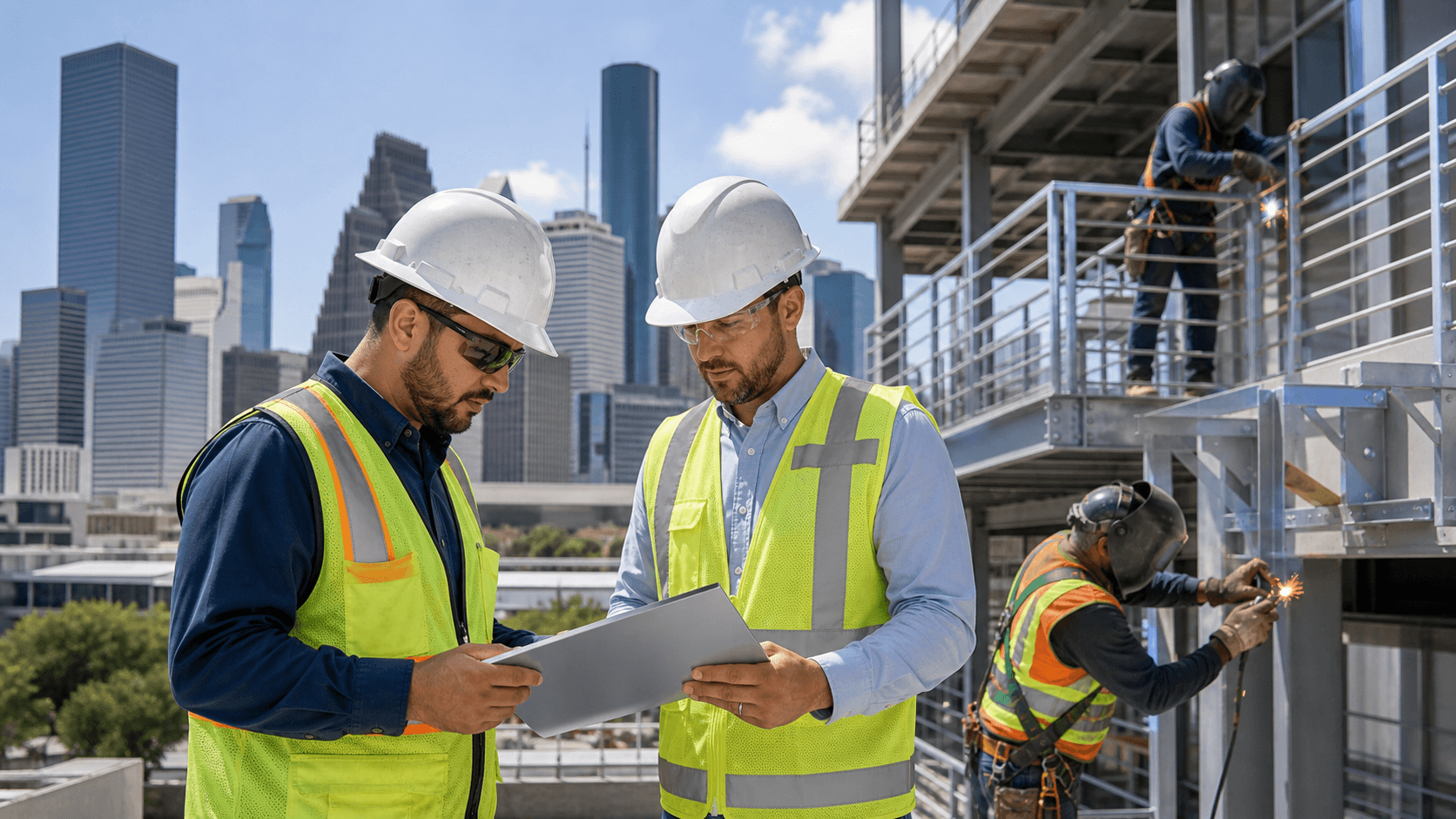
- Keep inspections smoother on high-rise, industrial and tilt-wall work
Mobile welding that arrives ready to work to code can turn what would have been a schedule hit into a quick correction that still satisfies the engineer and inspector.
Code-Driven Welding for Safer, Stronger Misc Steel
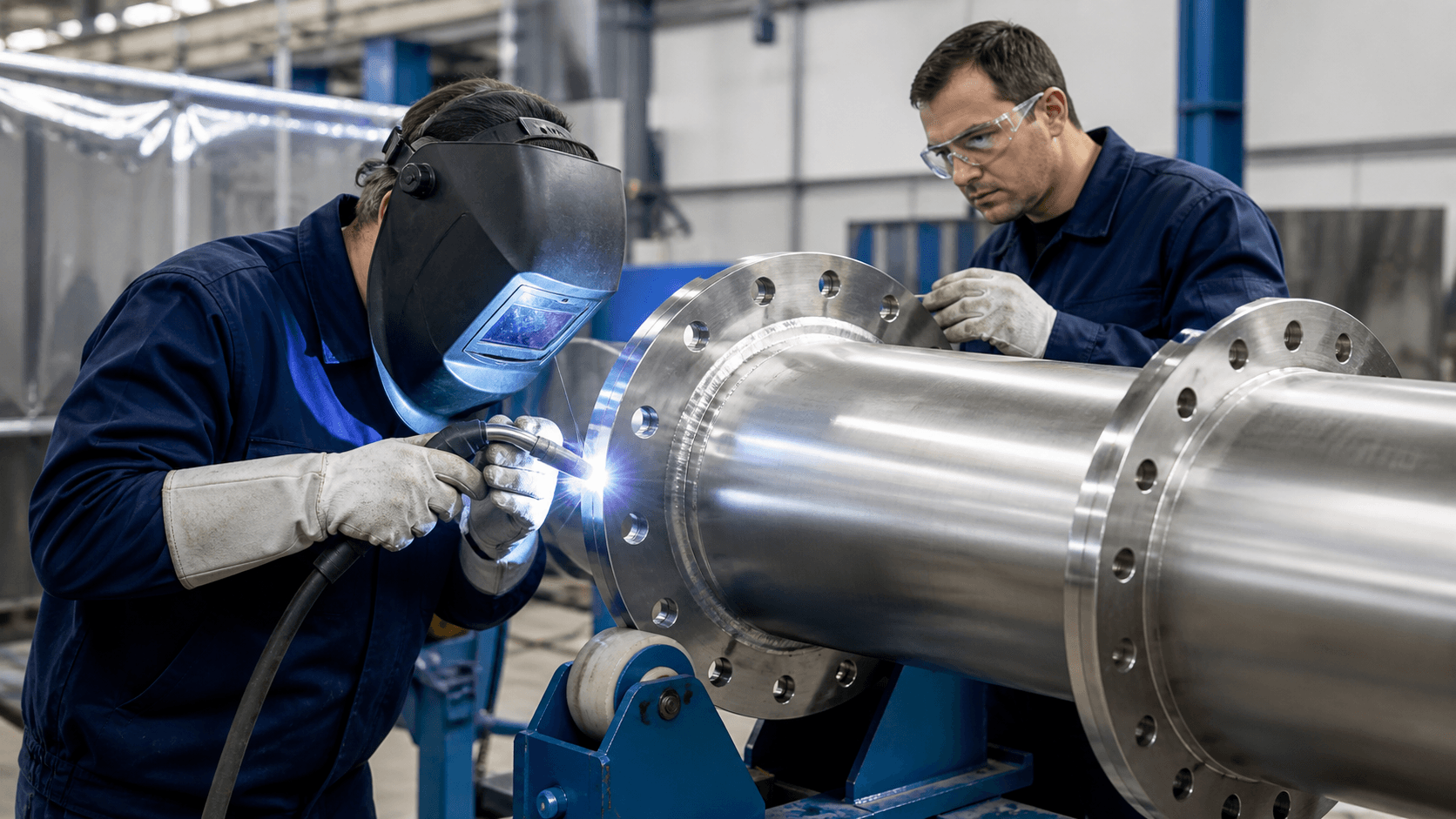
It is easy to think of a stair rail or ladder bracket as "just a small weld." In reality, people trust their weight and safety to those joints every day. Code-driven welding turns those small items into strong, repeatable parts of the structure.
Details that matter include:
- Proper joint prep and fit-up
- Choosing the right filler metal for the base material and service
- Correct preheat where it applies
- Specified weld sizes and lengths, not just "weld all around if it fits"
- Visual inspection and, when needed, additional testing
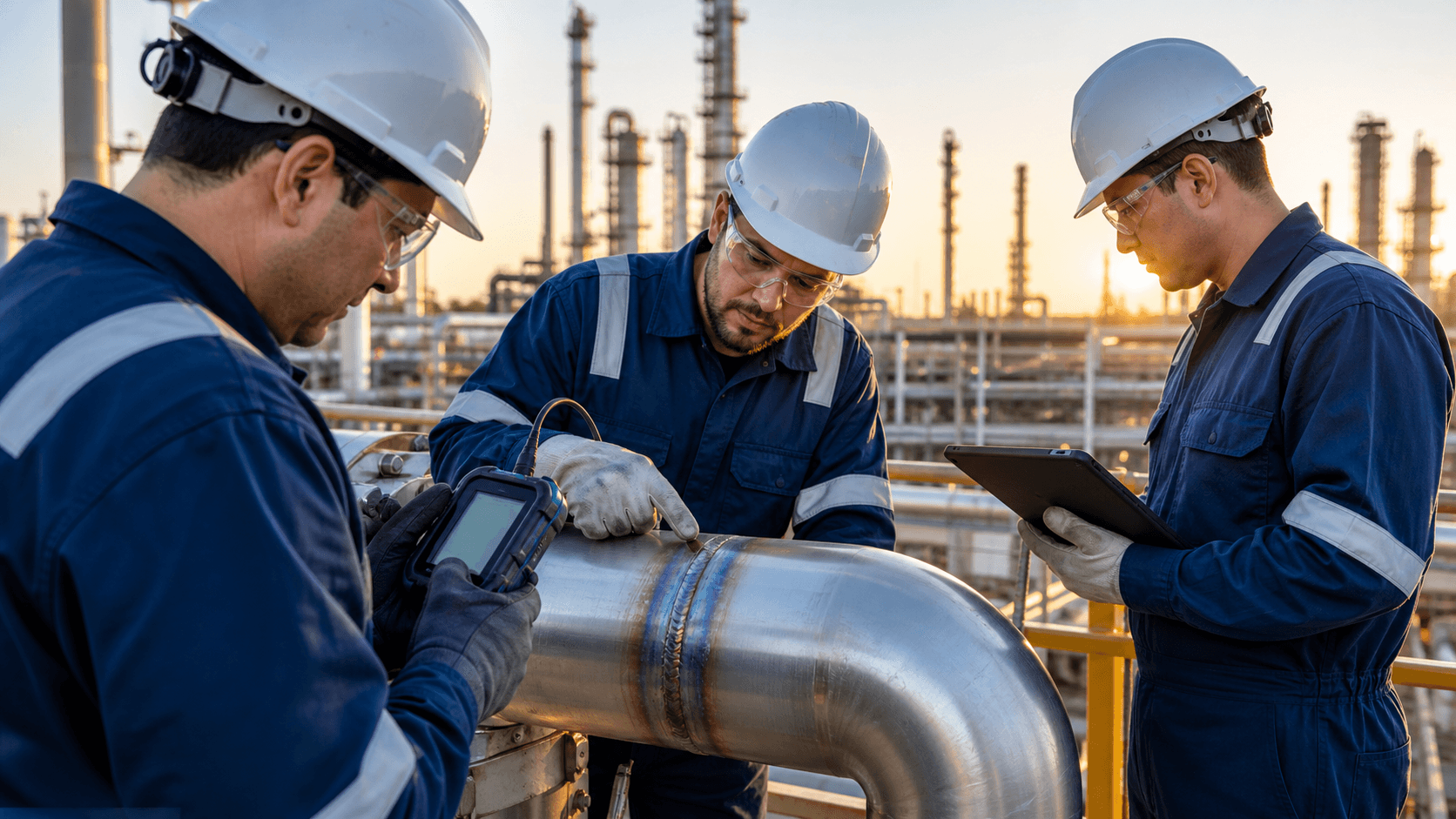
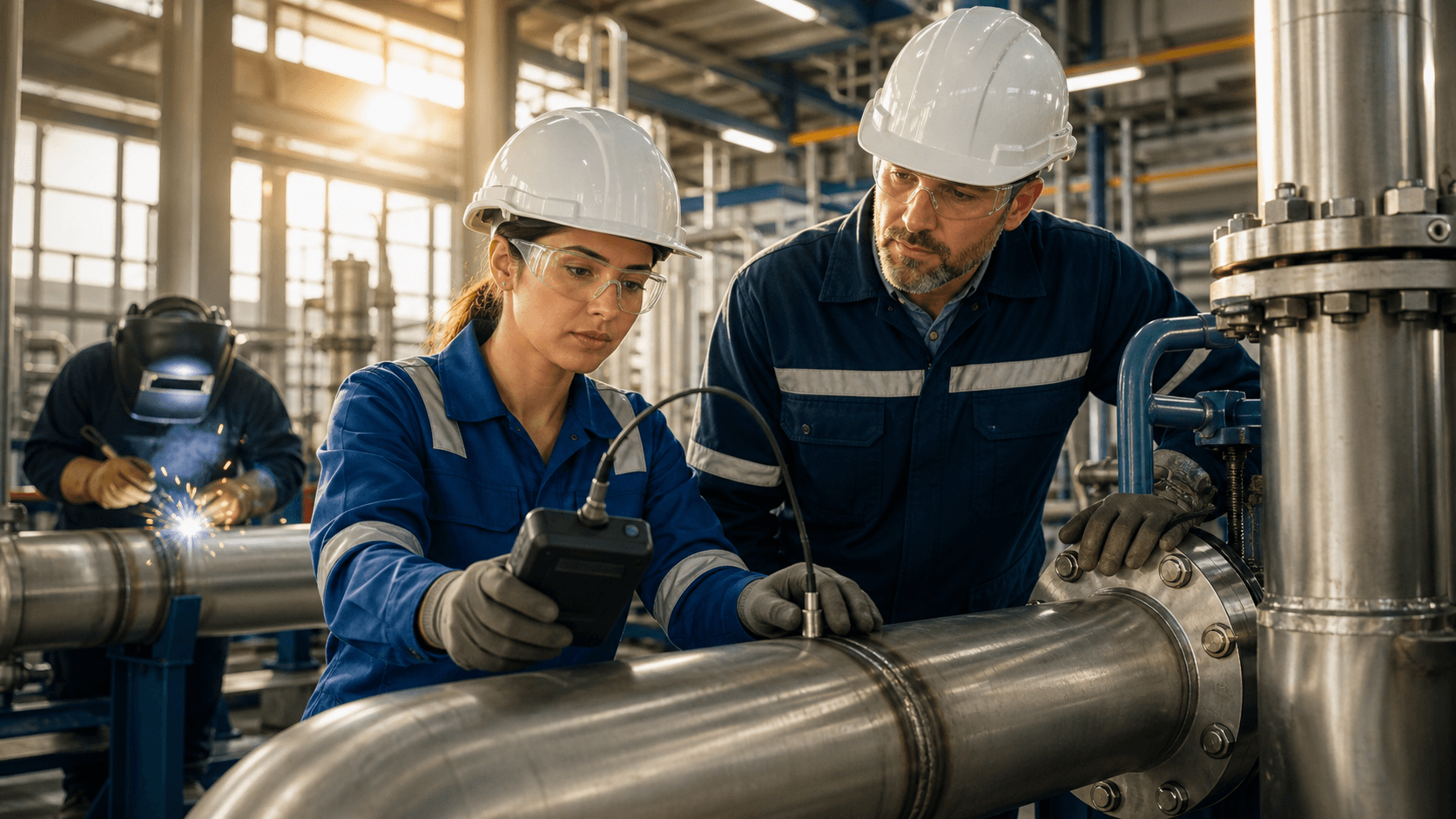
Certified welders working to written welding procedure specifications, and backed by welder qualification records, give owners, engineers and third-party inspectors confidence that the work is not guesswork. Documentation shows that the welds are done with purpose, not just by habit.
Mobile welding units add another layer of value on Houston builds. Once concrete is poured and MEP rough-in starts, changes are hard to undo. A mobile crew that can show up, adjust misc steel, add supports, or repair a weld while still working to AWS and ASME expectations helps keep the project moving without cutting corners on safety.
Houston Heat, Storms, and Seasonal Demands on Steel
Houston's climate is tough on steel, especially on the roof and around building edges. Late summer and fall bring steady heat, heavy humidity and the peak of hurricane season. Rooftop rails, ladders, canopies and equipment supports take a lot of that abuse.
All of that affects how misc steel should be planned and built. Smart misc steel work looks at:
- Material selection that stands up to moisture and sun
- Galvanizing or coatings that protect against corrosion
- Drainage paths so water does not sit and eat at joints
- Weld quality that handles thermal expansion and strong wind loads
When these things are thought through before the storms line up, misc steel becomes part of the building's defense, not its weak spot. Proactive misc steel work during late summer and early fall can harden roofs and access points before systems are fully loaded and before weather exposes poor details. That beats rushed emergency welds in tight, hot spaces after the first big storm shows where the problems are.
Questions to Ask Your Miscellaneous Steel Partner Now
If misc steel has tripped your projects before, it may be time to question how that scope is being handled. A simple checklist can reveal a lot about your current approach to miscellaneous steel services:
- Are the welders working on misc steel AWS and ASME certified?
- Who is responsible for stamping misc steel drawings and details?
- How are field measurements taken, checked and shared with the team?
- What happens when site conditions change and embeds or supports do not match the drawings?
- How fast can mobile welding support arrive and still meet code and inspection expectations?
The bigger question is this: is misc steel being treated as an afterthought or as a code-critical part of the job that needs early planning and clear documentation? When misc steel is pulled into the conversation at the start, not at the end, Houston builders and plant managers are in a better spot to meet aggressive completion dates without last-minute surprises.
At Weldit, we focus on code-compliant mobile welding and metal fabrication for industrial, commercial and custom projects across the major Texas metros, including right here in Houston. By treating every stair, rail, embed and support as a serious structural and safety item, we help keep schedules tighter, inspections smoother and buildings ready for the real conditions they face all year.
Get Started With Your Project Today
If you are ready to move your project forward with reliable fabrication and installation, our team at Weldit is here to help. Explore our specialized miscellaneous steel services to see how we can support your design and construction needs. Tell us about your timelines, drawings, and site conditions so we can recommend the best approach. To discuss details or request a quote, simply contact us.