Why Gas Shielded Metal Arc Welding Matters for Pipe Spools
Gas-shielded metal arc welding sits at the heart of reliable pipe spool work. When you are connecting process lines in refineries, chemical plants, oil and gas facilities, or large HVAC systems, the welds are either helping you stay online or setting you up for costly delays. Strong, clean welds keep leaks away, help you pass inspections, and protect people and equipment.
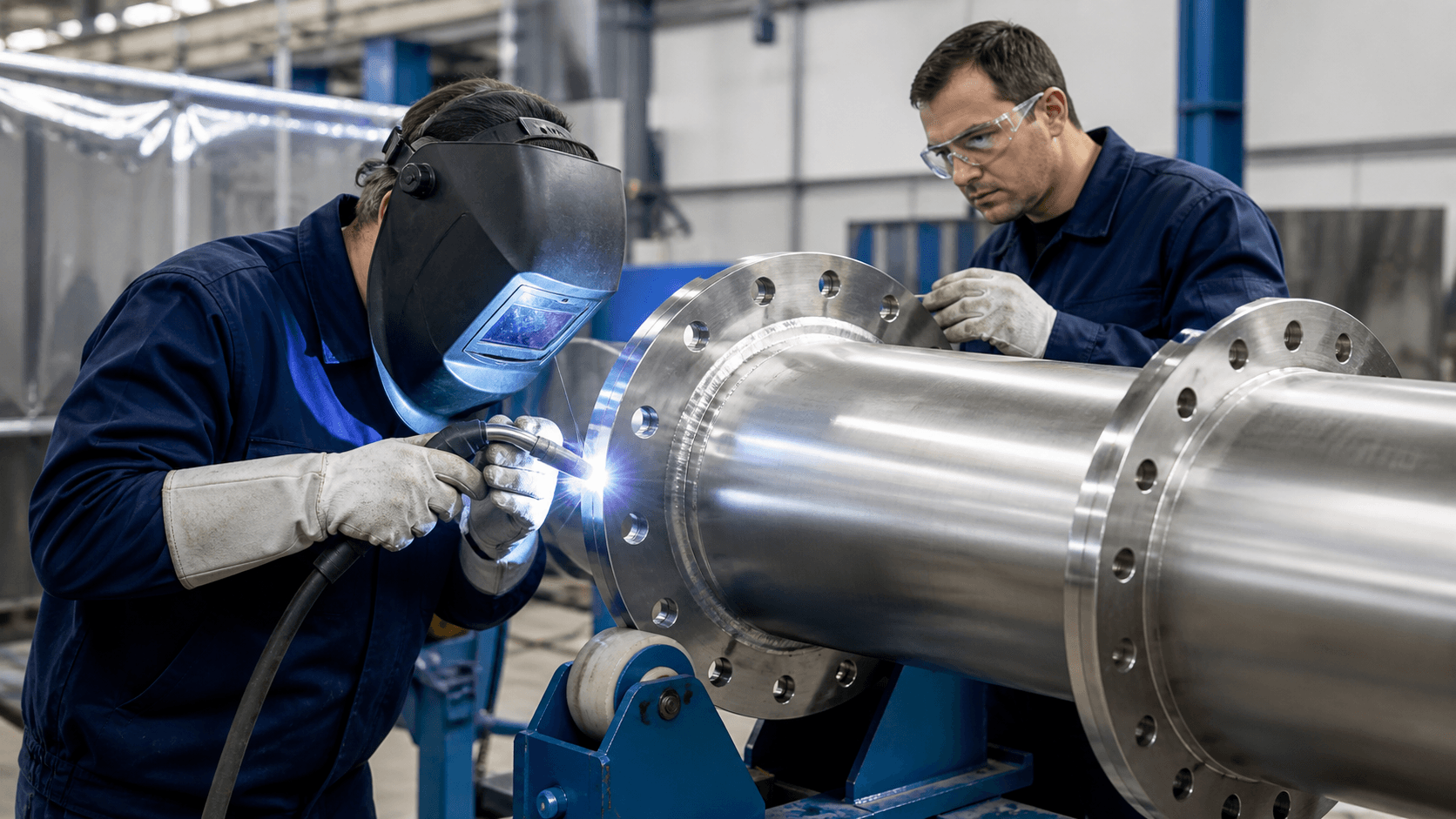
Gas-shielded metal arc welding is a family of welding processes that use a wire electrode and a gas cloud to protect the molten metal. In simple terms, the wire feeds in, the arc melts it, the gas shields it, and you get a solid, sound weld bead. It is a go-to option for high-integrity pipe spools because it can be both fast and consistent when set up and run the right way.
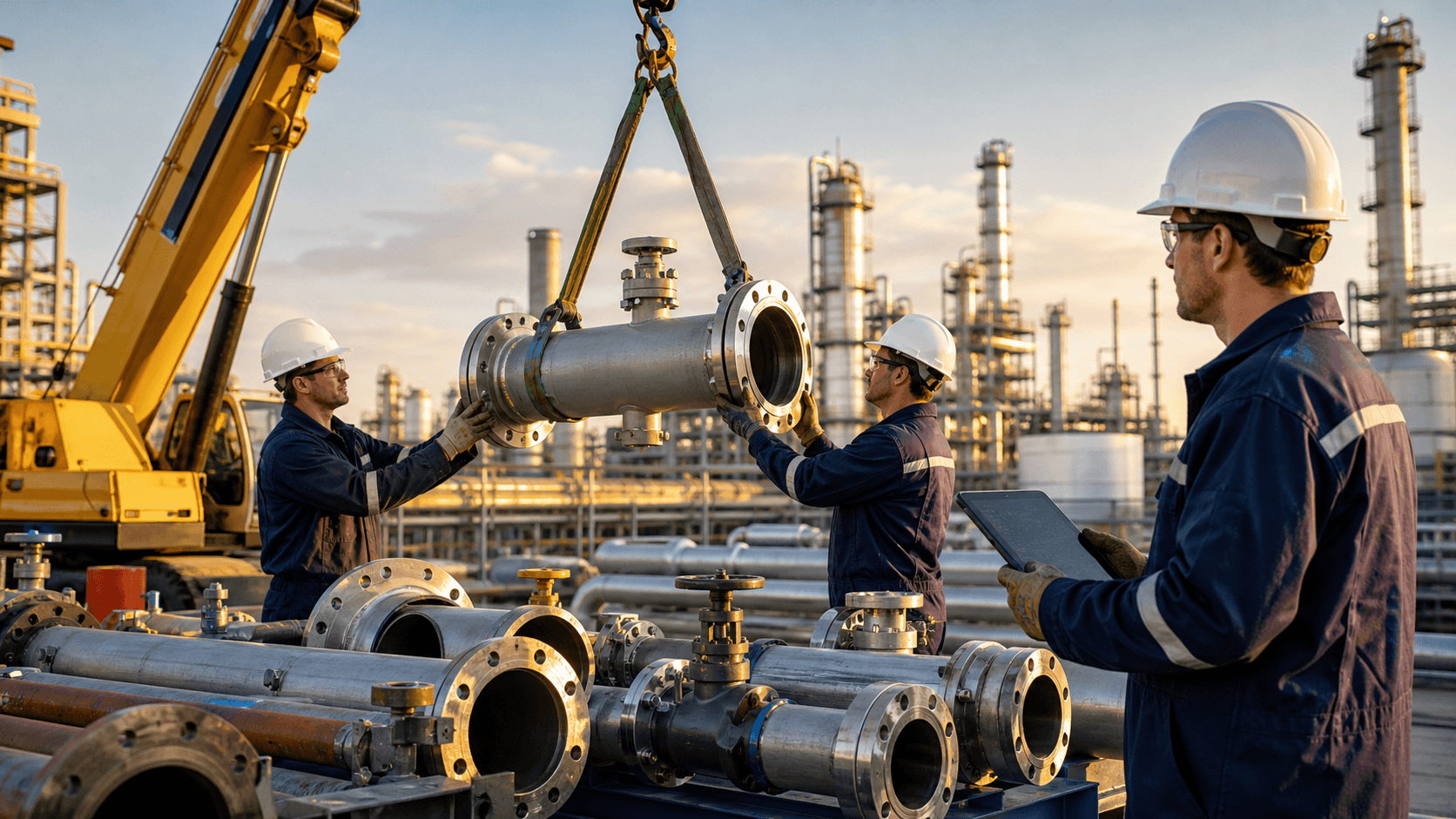
As we move into fall, many Texas facilities are planning outages, expansions, and turnaround work before the holiday season. Pipe spools have to be built, moved, fit, and tied in on a tight schedule. That is where a certified mobile and in-house welding partner that works to AWS and ASME codes becomes a key part of the plan, keeping projects on track from drawing to final tie-in.
What Gas Shielded Metal Arc Welding Actually Is
Gas-shielded metal arc welding is an umbrella term, not just one process. Two common methods sit inside this group:
- GMAW, often called MIG, which uses a solid wire and shielding gas
- FCAW, flux-cored arc welding, which uses a tubular wire with flux and may also use external gas
All of them share the same basic building blocks. You have:
- A welding power source that controls current and voltage
- A wire feeder that pushes the consumable electrode into the arc
- A gun or torch that directs the arc and gas
- A shielding gas that flows out around the arc and weld pool
The gas keeps oxygen, nitrogen, and moisture in the air away from the hot metal. Without that shield, you get porosity, weak spots, and a rough-looking bead. With it, you get smoother welds, better fusion, and less cleanup.
For pipe spool fabrication, gas-shielded processes often fit better than stick welding. Travel speeds are usually higher, so you can lay down more metal in less time. There is no heavy slag layer to chip between passes, and settings can be dialed in for repeatable welds across dozens or hundreds of similar joints.
Why Gas-Shielded Metal Arc Welding Excels on Pipe Spools
On pipe spools, the root pass makes or breaks the joint. It decides if you have full penetration, a clean inside profile, and solid fusion between edges. With the right wire, gas, and technique, gas-shielded welding can produce very consistent roots and fill passes.
Key benefits for spool work include:
- Steady bead shape and penetration when parameters are controlled
- Less rework due to lack of fusion, undercut, or porosity
- Smoother transitions between passes, which helps with inspection
Productivity is another big plus. In a shop setting, where you can rotate the pipe, gas-shielded welding really shines. Welders can maintain a comfortable position, keep the gun angle steady, and repeat the same motion on joint after joint. That means:
- Faster completion of large batches of similar spools
- Less time spent grinding and cleaning between passes
- More predictable schedules for fabrication and delivery
For work that must meet AWS and ASME codes, consistency is as important as speed. Gas-shielded processes can be tightly controlled through qualified welding procedures. When those procedures are followed, owners see better pass rates on visual checks and nondestructive testing, which reduces the risk of schedule hits during start-up.
Key Variables That Make or Break Pipe Spool Welds
Gas-shielded welding for pipe is not just about pulling the trigger. Small changes in settings or prep can have a big impact on weld quality. Core variables include:
- Current and voltage, which shape bead size and penetration
- Wire feed speed, which affects deposition rate and arc stability
- Shielding gas mix, which influences arc characteristics and spatter
- Travel speed, which helps balance heat input and bead profile
Too hot, and you might get burn-through or excessive reinforcement. Too cold, and you risk lack of fusion or a ropey bead. The goal is a smooth, even weld that ties in at the toes and matches the joint design.
Joint prep and fit-up matter just as much:
- Bevel angle and land must match the procedure
- Root gap and alignment need to be controlled and consistent
- Surfaces must be clean, free of oil, rust, and coatings
Poor prep often shows up later as porosity, undercut, or misalignment that will not pass inspection. For industrial work in Texas, owners usually expect more than just a quick visual check. Common steps include visual inspection, radiographic testing, and sometimes ultrasonic testing, especially on critical lines. Under AWS and ASME codes, procedure qualification records and welder qualifications link the weld you see in the field or shop to proven test results.
Field vs. Shop Welding for Spools Across Texas
Shop welding and field welding are two very different worlds. Inside a shop, you can control lighting, part position, and airflow. You can rotate the pipe, keep the gas shield stable, and set up fixtures that hold everything where it should be.
In the field across Texas, welders deal with:
- Heat, sun, and long days during outage work
- Wind that can blow shielding gas away from the arc
- Dust and contaminants that try to settle on hot metal
- Tight spaces that force awkward body and gun positions
Gas-shielded welding still works very well in the field, but it takes planning. Common mitigation steps include:
- Wind screens and barriers to protect the gas shield
- Careful gas flow settings to avoid under or over shielding
- Preheat where procedures call for it, especially on thicker materials
- Logical sequencing of welds during large shutdowns so fresh welds are not disturbed
A mobile team that is used to Texas plant conditions can line up shop-built spools with on-site fit-up and tie-in work. That coordination helps keep fall maintenance and construction timelines moving, even when many trades are working in the same area.
Choosing a Qualified Welding Partner for Your Next Outage
When you are planning gas-shielded metal arc welding work on pipe spools, the welding company you pick has a direct impact on safety, uptime, and inspection results. Key things to look for include:
- Proven experience with AWS and ASME code work on pipe
- Qualified welding procedures for the processes and materials you use
- Good control over material traceability and documentation
- Strong safety performance and field-ready crews
Good planning starts early. Before outages and Q4 projects stack up, it helps to:
- Review spool drawings and isometrics for welding requirements
- Confirm material types and availability
- Schedule site walk-downs to spot tight areas and special conditions
- Align on inspection methods and documentation expectations
When those pieces are clear, gas-shielded metal arc welding becomes a powerful tool for getting pipe spools fabricated, delivered, and tied in on time. A certified mobile and in-shop partner like Weldit can bring the people, procedures, and equipment needed to support process piping and spool work across Texas from first arc to final inspection.
Get Started With Your Project Today
If your next build depends on precise, reliable joins, we are ready to help you plan and execute every weld with confidence. Our certified team at Weldit specializes in gas-shielded metal arc welding that supports demanding commercial hydronic piping systems. Tell us about your project scope, schedule, and performance requirements so we can propose the right approach for your facility. To discuss details or request a quote, simply contact us.