Why Hydronic Piping Precision Matters in Houston
Hydronic piping keeps a huge part of Houston running. Chilled water, hot water, and condenser water loops move through high-rises, plants, hospitals, and campuses to keep spaces cool, protect equipment, and support process loads. When that piping is built right, most people never think about it. When it is not, everyone feels it fast.
Hydronic systems move water in closed loops to carry heat away from buildings or equipment, or to bring heat where it is needed. The way those pipes are fabricated and welded affects energy use, comfort, water treatment, and how long pumps, chillers, and boilers last. Poor welds, out-of-square flanges, or wrong materials can lead to leaks, corrosion, and sudden shutdowns that wreck schedules and delay inspections.
In Houston, where cooling loads stay high and projects move on tight timelines, hydronic piping needs careful planning and tight field work. As a certified mobile welding and fabrication team based in this area, we understand how local codes, design intent, and fast-track schedules all collide on real jobsites.
Core Basics of Hydronic Pipe Fabrication
Good hydronic piping starts long before a welder strikes an arc. The choices made at the fabrication stage shape how the system will perform over its life.
Key elements include:
- Pipe sizing that matches system flow and pressure needs
- Material selection, such as carbon steel, stainless, or copper alloys
- Fittings, flanges, and specialty components sized and rated for the service
- Supports and guides that match building structure and expansion plans
- Layouts that are ready for insulation and access by other trades
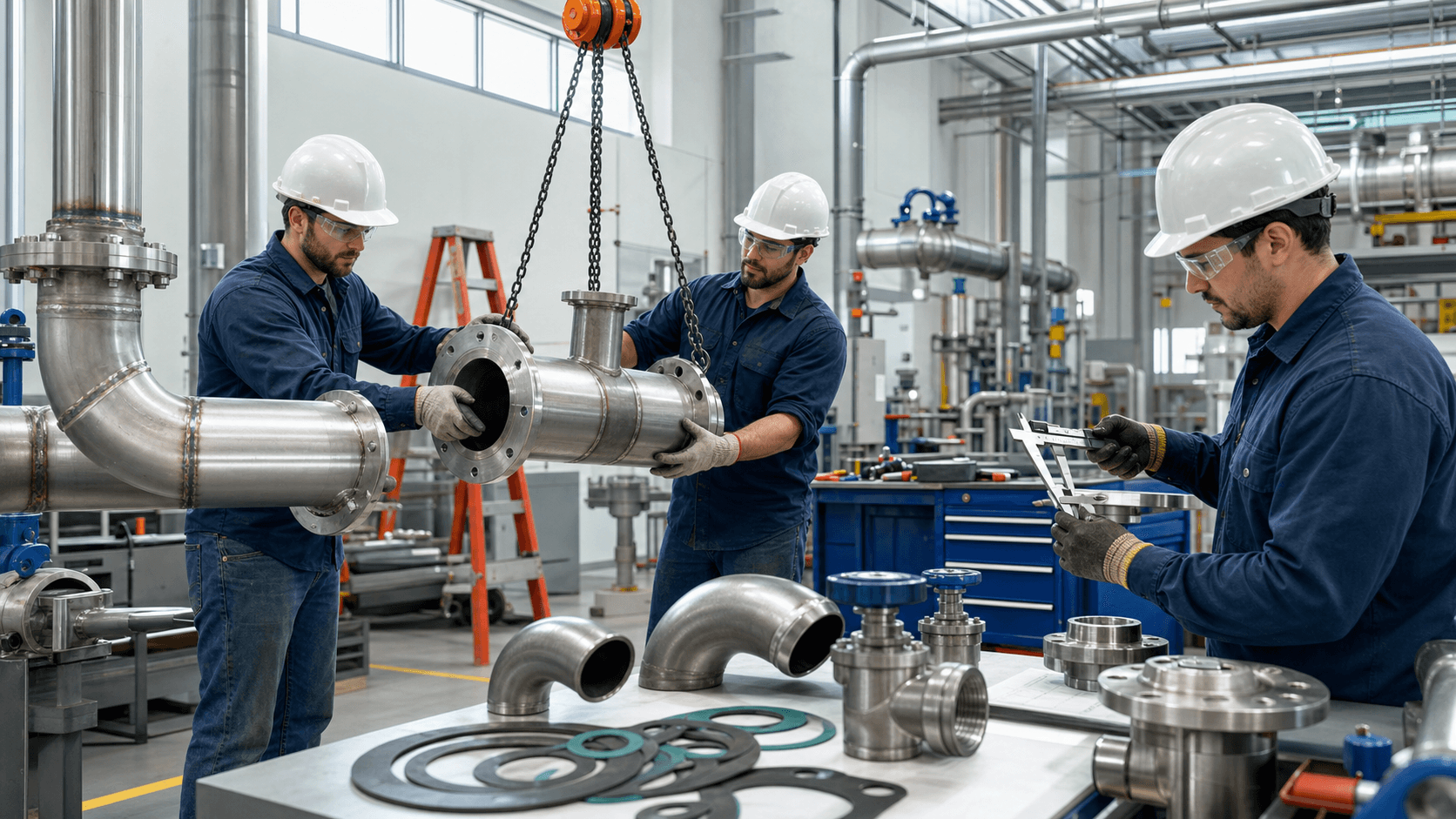
Shop prefabrication plays a huge role. When we cut, bevel, and fit spools in a controlled shop, we can:
- Hold tighter tolerances on dimensions and squareness
- Keep weld prep clean and consistent
- Reduce cut-and-fit chaos out in the field
- Speed up installation when windows are short
Houston brings its own set of challenges. High temperatures, humidity, and local water quality push corrosion, movement, and insulation to the front of the conversation. That means thinking about:
- Corrosion allowances and lining options where needed
- Expansion loops, offsets, and anchors for long runs
- Drain and vent locations for flushing and maintenance
On top of that, code requirements and owner standards shape details like wall thickness, joint design, and inspection levels. Hospitals, data centers, and campus systems often call for specific joining methods and non-destructive examination, so the fabrication plan has to match those documents from the start.
How Code Compliance Protects Hydronic Piping Systems
Hydronic piping might not look like high-pressure refinery work, but it still sits under a web of codes and standards. In Texas, work often touches ASME piping codes like B31.1 or B31.9, structural standards such as AISC for supports, and welding codes like AWS D1.1, along with building and mechanical codes and owner quality programs.
These rules are not just paperwork. They help protect the system and everyone who depends on it. Certified welders, qualified Welding Procedure Specifications and Procedure Qualification Records, and clear inspection records all work together to give owners and insurers confidence.
Common checks include:
- Visual testing of fit-up and finished welds
- Radiographic or ultrasonic testing where required
- Hydrotesting to confirm joints hold as designed
Some risk points in hydronic systems need special care. Pump connections, vertical risers, chiller and boiler headers, and transitions into equipment are all areas where stress, vibration, and movement come together. Code-compliant details, such as proper weld profiles, correct flange alignment, and smooth transitions between different materials, lower the chance of leaks or failures.
When fabrication and welding follow the right codes, projects tend to pass inspections faster, avoid rework, and reduce future warranty claims. That also means safer jobsites and more reliable cooling and heating for the long term.
Shop Prefab and Mobile Welding for Houston Jobsites
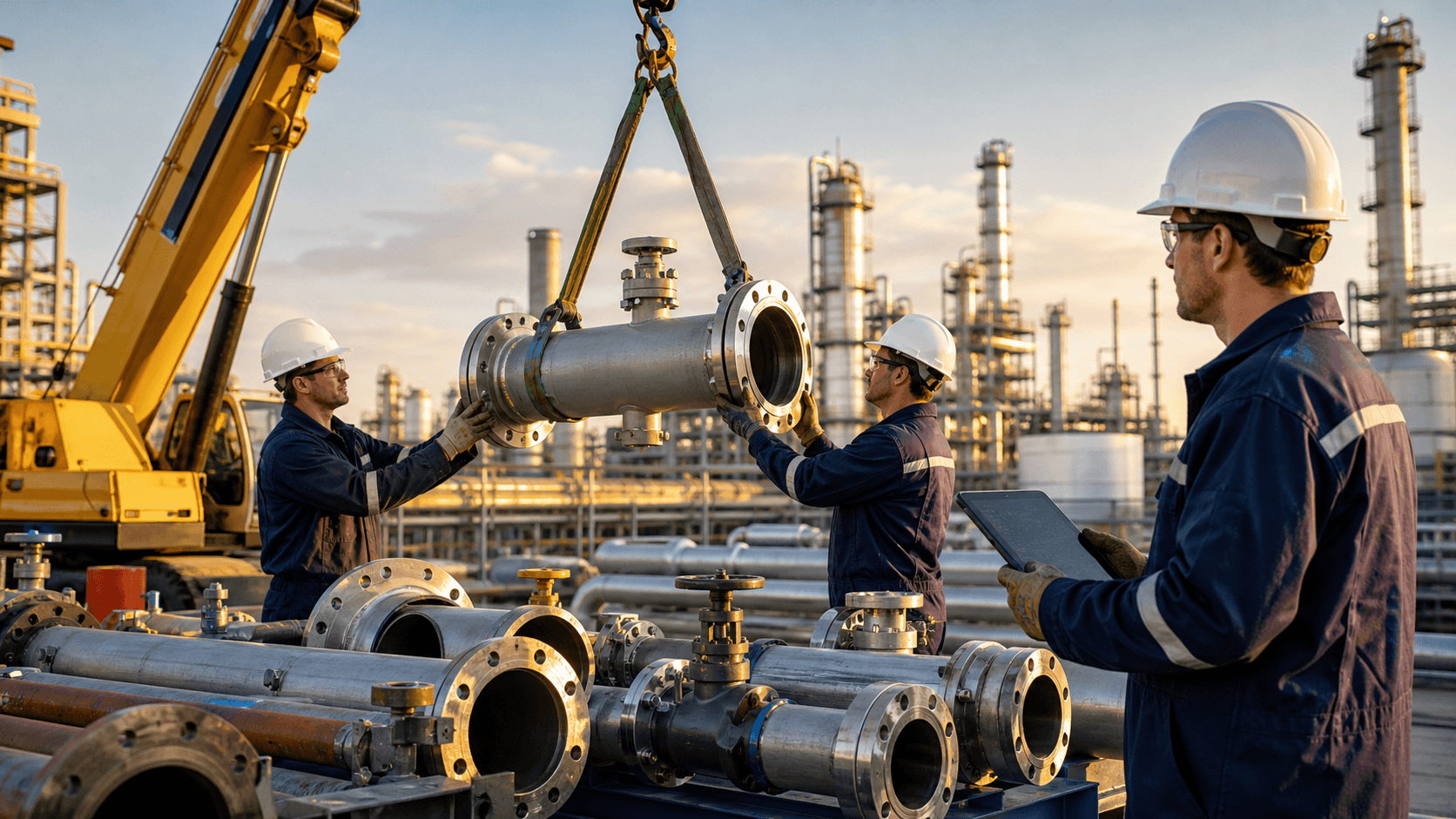
Hydronic work in Houston rarely happens in a calm, empty space. Crews often work around live tenants, running plants, and tight outage windows, especially during peak cooling season. That is where combining shop prefabrication with mobile welding really helps.
A typical workflow looks like this:
- Coordinated BIM models or spool drawings prepared with the mechanical team
- Shop fabrication of spools, including trial fits and quality checks
- Tagging and tracking of each spool so it lands at the right zone on site
- Mobile welding crews handling field welds, supports, and final tie-ins
By keeping most of the hot work in the shop, the field work gets cleaner and faster. There is less cutting and grinding around occupants and less disruption for other trades. During Houston's summer rush, that can mean shorter chilled-water outages and quicker retrofits for active buildings.
Well-equipped mobile rigs carry generators, welding positioners, preheat equipment, and tools that bring shop-style control to the field. That helps keep welds consistent, even in tight mechanical rooms, roofs, or congested tunnels.
Best Practices for Reliable Hydronic Piping Welding
Owners, general contractors, and mechanical contractors can look for some core best practices when hydronic piping is being welded on their projects.
On the welding side, that includes:
- Clean joint prep and tight fit-up
- Proper root passes with full penetration where required
- Controlled interpass temperature to protect material properties
- Documented weld parameters that match qualified procedures
Hydronic systems do not live alone. Coordination with controls, insulation, and structural teams is key. Supports, anchors, and guides need to line up with actual steel and concrete. Expansion loops and offsets must remain clear of cable trays, ductwork, and access paths so they can move freely as the system heats and cools.
Maintenance should also be part of the conversation from day one. That means planning:
- Valving and bypasses that allow partial shutdowns for future work
- Access to strainers, control valves, and flexible connections
- High-quality welds in locations likely to see vibration or chemical exposure
During times when cooling demand spikes, proactive planning becomes even more important. Night and weekend work, sequenced shutdowns, and mobile response help keep buildings online while upgrades, repairs, or tie-ins take place.
Putting Houston Hydronic Piping on a Welded Foundation
Strong hydronic pipe fabrication is about more than looks. Precision fabrication, code-compliant welding, and a smooth blend of shop and mobile work all feed into uptime, energy performance, and long-term operating costs. When these pieces line up, systems start up smoother, inspections are less stressful, and building teams can focus on running their facilities instead of chasing leaks.
At Weldit, we focus on bridging that gap between shop-quality fabrication and on-site welding for hydronic piping projects across Houston and other Texas markets. By planning early with facility managers, mechanical contractors, and project teams, we help line up spools, phases, and inspection needs so projects stay on track and systems are ready when people need them most.
Get Started With Your Project Today
If you are planning a new installation or upgrading an existing system, our specialized hydronic piping welding services can help you meet performance, safety, and schedule requirements. At Weldit, we work closely with your team to coordinate timelines, address site constraints, and deliver work that holds up in real-world conditions. Tell us about your project goals, and we will provide a clear path forward with practical recommendations. To discuss scope, schedule, and pricing, simply contact us and we will follow up promptly.