Why Onsite Mobile Welding Beats Trailer Transport Risks
When a key piece of steel or equipment cracks during a busy summer push, you do not have time to play guesswork. You need it fixed fast, fixed right, and fixed in a way that does not add more risk to your job. That is where onsite mobile welding becomes the smarter choice.
Instead of dragging heavy steel or process pipe across town on a trailer, more teams are choosing to bring the welders to the work. This approach can cut safety risks, protect your schedule, and keep your project on track during peak season when everything already feels tight.
Cut Risk and Downtime with Onsite Mobile Welding
Picture a hot afternoon in Houston. Production is maxed out, crews are moving nonstop, and then a structural support or key pipe weld shows a crack. You now face a big decision: do you pull it offsite or fix it right where it sits?
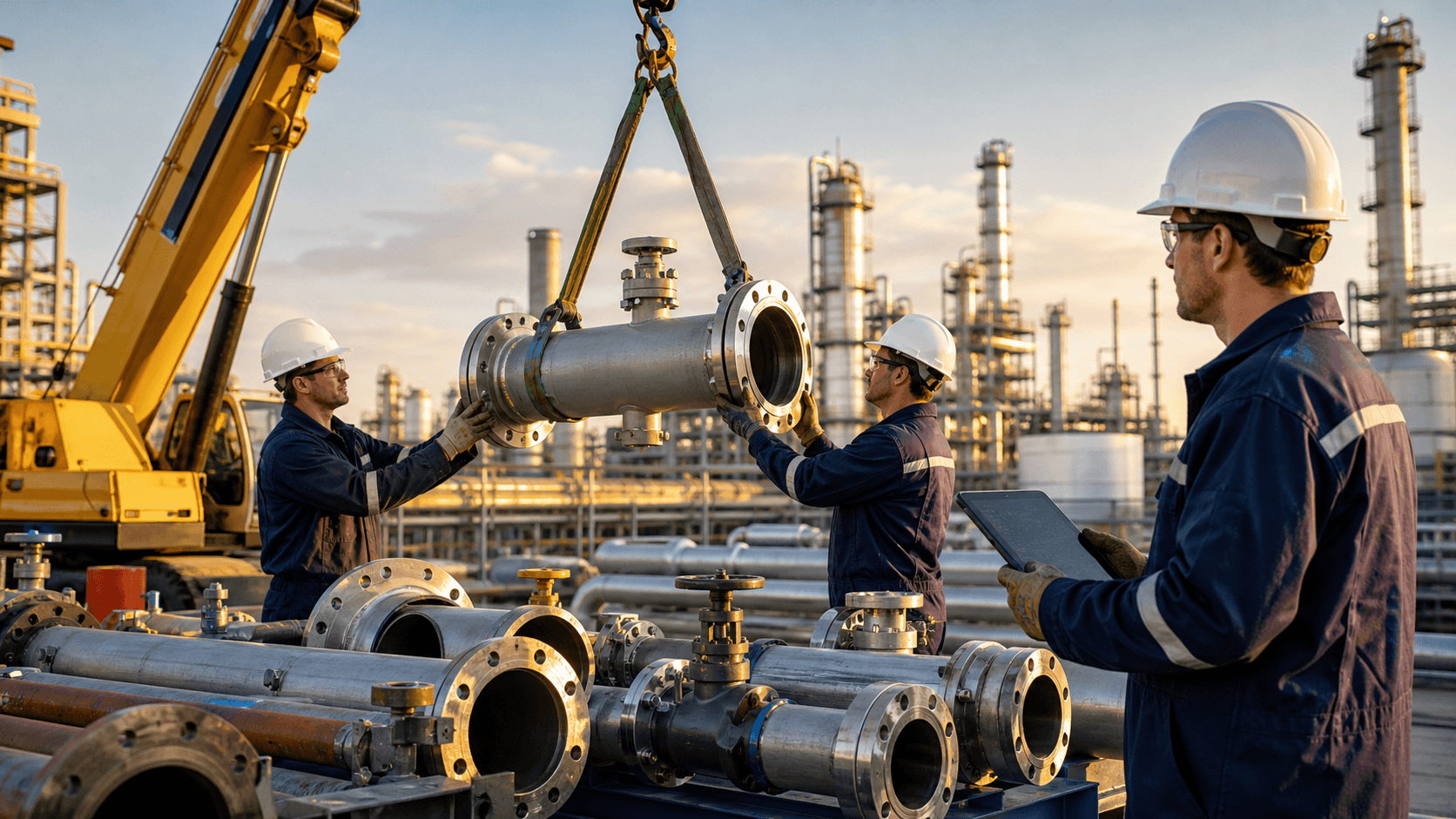
Moving heavy pieces offsite can feel like the "normal" answer, but it comes with a lot of hidden problems. You have to rig it, lift it, load it, strap it, haul it, then do it all again on the way back. Every step is another chance for damage, delays, or an accident.
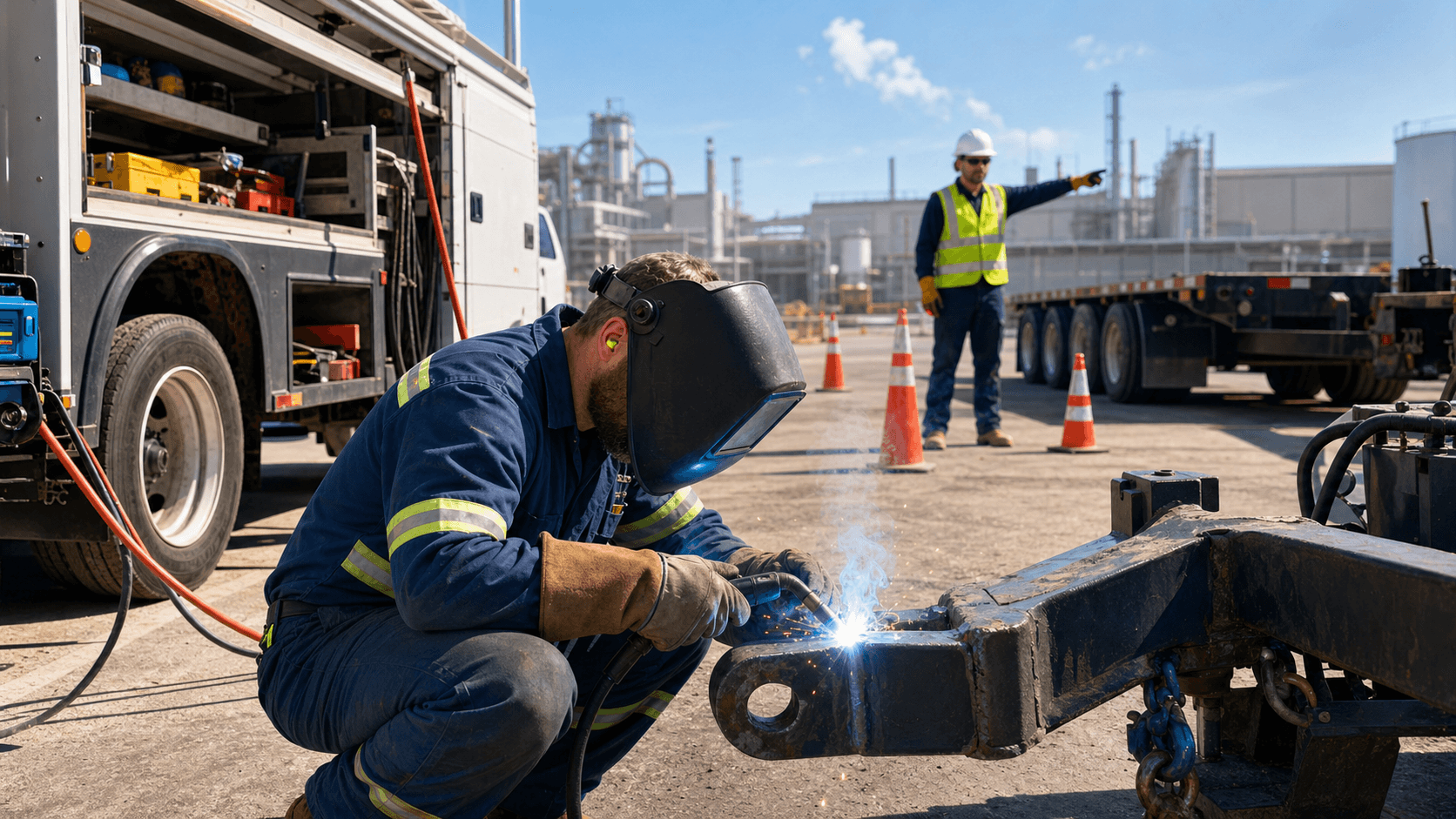
Onsite mobile welding flips that script. Instead of hauling the problem away, the welding crew comes to your facility, yard, or job site. The work happens with the equipment or steel in place, in real operating conditions, with less handling and less mystery.
With this approach, the goal is simple:
- Keep people safe
- Keep the structure or system stable
- Keep your schedule moving
Hidden Dangers of Trailering Heavy Steel and Equipment
Pulling damaged or half-built steel on a trailer sounds simple until something goes wrong. The load never rides exactly like it did on paper, and the road does not always cooperate.
Common risks when you move heavy or sensitive pieces offsite include:
- Load shifting when you hit bumps, potholes, or sudden stops
- Tie-downs loosening or failing under vibration and heat
- Sudden storms dropping heavy rain and cutting visibility
- Other drivers making bad moves around a slow or wide load
Any of these can lead to:
- Accidents on busy Texas roads
- Damage to structural members, piping, or equipment
- DOT issues if the load is not secured or sized correctly
- Insurance questions and finger pointing when something breaks in transit
Even when nothing dramatic happens, trailer runs can still cause trouble. Vibration can start microcracks in already stressed welds. Heat can cause expansion, then contraction, which may lead to warping. Half-assembled steel can twist just enough that bolt holes no longer line up back at the job site.
What began as a simple "haul it to the shop" plan can turn into:
- More rework
- Extra fit-up time
- A longer outage than anyone expected
Why Onsite Mobile Welding Keeps You in Control
Onsite mobile welding means the welding shop rolls up to your gate. A fully equipped rig, certified welders, and the right procedures are brought directly to your plant, job site, warehouse, or property.
Instead of building or repairing out of position, the welding happens where the steel or pipe really lives. That offers real control:
- Welds are made with the structure in its true service position
- Alignment can be checked against real beams, racks, or foundations
- Supports and tie-ins can be adjusted on the spot
By staying onsite, you cut out a whole layer of risk. There are fewer lifts, no highway hauling, and no reloading with cranes at a remote shop. Critical members, pipe spools, and equipment stay where they belong until the work is complete.
Onsite welding also supports code compliance and documentation. When repairs and modifications are done where the asset is installed, it is easier to line up with AWS, ASME, API, structural, and pressure code expectations. Weld procedures, welder qualifications, and inspection notes can be tied to the exact location and service conditions of that piece of steel or pipe.
Time and Cost Savings That Show Up on Your Bottom Line
Every time you load something onto a trailer, you start the clock. You are paying for rigging crews, crane time, trailers, fuel, and often escort vehicles when the load is big. Then you have to pay it all again to bring it back.
Onsite mobile welding can remove many of those line items:
- No transport or escort costs for oversized loads
- Less crane time for repeated loading and unloading
- No shop minimums for small but urgent fixes
There are also indirect savings that do not show up on a simple invoice:
- Less downtime waiting for parts to leave and return
- Fewer surprises that ripple through your construction or shutdown schedule
- Less need for temporary bracing or workarounds while pieces are offsite
In busy Texas metros, crews that can roll out same day or next day help turn a serious outage into a single-shift repair. That matters during summer when many plants are on tight outage windows, commercial projects are rushing to hit opening dates, and residential work stacks up fast.
Staying onsite keeps your project rhythm steady. Instead of "hurry up and wait," your team can keep moving while the welders handle the repair in parallel.
Precision Fabrication Without Ever Leaving the Job Site
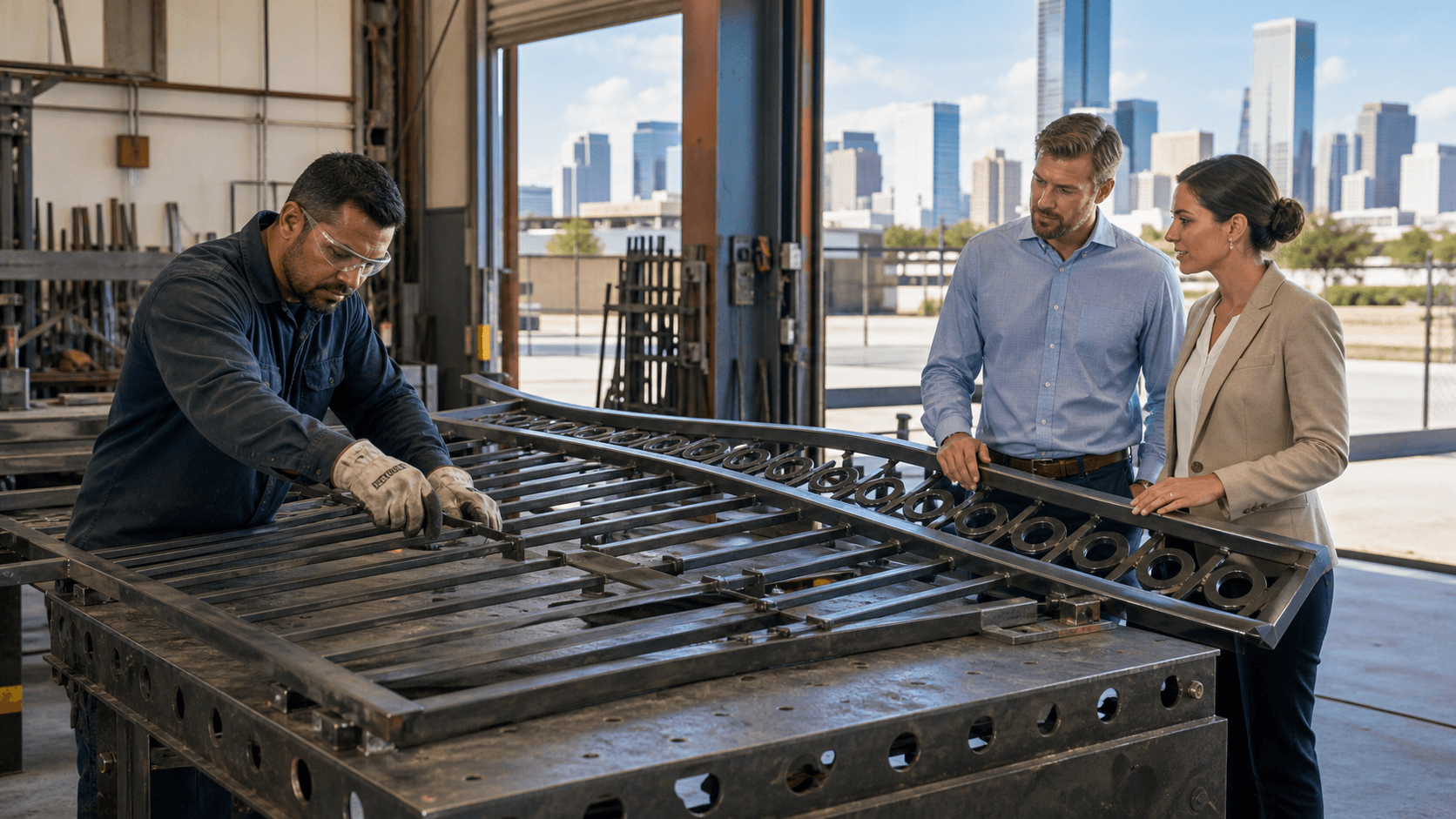
Onsite welding is not just about repairs. With the right mobile setup, a lot of fabrication work can happen right at your job site.
Typical field work might include:
- Structural steel changes, clip angles, and embeds
- Pipe spooling fit-up and tie-ins
- Custom brackets for equipment or racks
- Guardrails, stairs, and safety barriers
Working this way means your welder is taking real-world measurements, not guessing off a drawing. When we measure, cut, and weld in place, we see all the little things that do not show up on a plan: walls that are not perfectly straight, beams that sit a little low, existing pipe that has settled over time.
Field fit-up has big advantages:
- Fewer misaligned bolt holes or flanges
- Less cutting and rework on "finished" pieces
- Better clearances around doors, conveyors, or equipment
Summer heat also matters here. Steel and pipe move when they are hot. By taking dimensions onsite, in real operating conditions, we can account for that expansion and set clearances that work for both hot days and cooler nights.
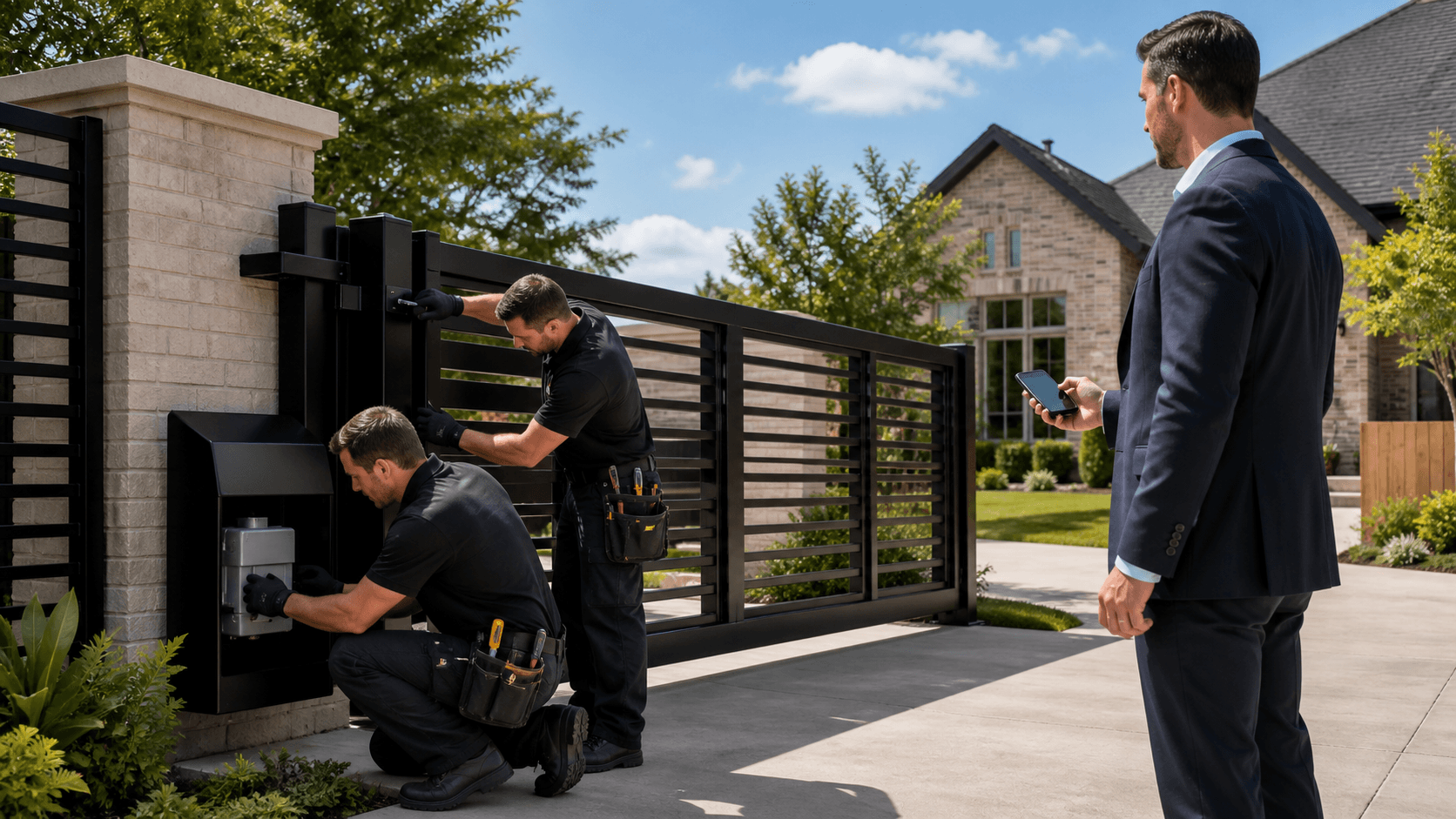
For mixed environments like industrial plants next to commercial offices or residential spaces, onsite fabrication lets you tailor solutions to real walls, real driveways, and real inspector expectations.
Choosing a Texas Welding Partner You Can Trust Onsite
Not every welding provider is set up for field work. When you bring someone into your plant or onto your project, you are trusting them with safety, schedule, and reputation.
Things to look for in an onsite welding partner include:
- Certified welders with proven skills in structural, pipe, and process work
- Clear understanding of AWS, ASME, API, and building code requirements
- Fully equipped mobile rigs ready for field conditions
- A strong safety record on active job sites
You also want a team that documents what they do. Good records, such as weld procedures, welder qualifications, inspection notes, and job photos, protect you when auditors, insurers, or future project teams ask what was done and how.
Weldit provides mobile welding and fabrication across Greater Houston and other major Texas metros, with experience in structural steel, pipe spooling, and custom metal work. When you work with a single, reliable onsite partner, it is easier to keep communication clear between general contractors, plant managers, facility owners, and inspectors, especially during the busy summer season when everyone is juggling multiple jobs.
Protect Your Assets and Schedule with Onsite Mobile Welding
Every time you load steel or heavy equipment on a trailer, you are adding risk, time, and possible extra work. Onsite mobile welding offers another path. By bringing the welders to the job instead of the job to the welders, you keep control of safety, quality, and schedule.
For many industrial, commercial, and residential projects, the fastest win is simple: stop hauling as much, and fix more right where it sits. When high heat, tight deadlines, and full workloads stack up, that choice can be the difference between a small bump and a full-blown shutdown.
Get Started With Your Project Today
If you are ready to fix critical repairs or move a project forward without disrupting your schedule, our team at Weldit is here to help with reliable onsite mobile welding. We bring fully equipped welding capabilities directly to your location so you can keep operations running smoothly. Tell us about your project timeline and requirements, and we will provide a clear plan and estimate. Have questions or need to schedule quickly? Just contact us to get started.