Turnaround pipe-work in Houston refineries and plants is no joke, especially when the outage lands in peak summer heat. Every extra hour on a tie-in means hotter steel, tired crews, more permits, and more risk for everyone on site. When spools show up in a pile with poor tagging or bad fit, things slow down fast and people pay the price.
This is where smart pipe spool prefabrication in Houston really pays off. With the right plan for laydown space, tagging and weld mapping, tight fit-up control, and just-in-time delivery, we can turn field welding from chaos into a steady, controlled flow. Tie-ins go faster, inspectors get what they need without waiting, and crews spend more time actually installing and less time hunting, grinding, or reworking.
Turnaround-Ready Spools That Slash Tie-in Hours
Turnaround windows are short, and the work is packed. Add Houston sun, humidity, and hot steel, and every tie-in shift feels twice as long. When spool prefab and logistics are loose, those precious hours get eaten up by searching, re-fitting, and arguing with the clock.
Disciplined prefab changes that picture. Instead of random field welds scattered across a unit, we get:
- Spools built and tested in a controlled shop
- Clear weld mapping that inspectors can follow fast
- Planned delivery that drops the right spools at the right tie-in at the right time
When laydown planning, tagging, weld maps, fit-up tolerances, and delivery are all aligned, tie-in durations shrink. Rework drops. And units come back online closer to plan. We focus on blending shop-quality fabrication with mobile welding support across the Greater Houston area and other Texas metros so that turnarounds run more like a controlled project and less like a scramble.
Why Pipe Spool Prefabrication in Houston Demands a Plan
On an unplanned turnaround, the same problems tend to show up:
- Spools stacked three deep with no clear view of IDs
- Tags lost, faded, or covered in dirt and grease
- Weld maps missing or sitting in a trailer while crews guess in the field
- Misfit spools that will not line up in the heat, causing schedule creep
In Houston plants, we also have to think about:
- Plant access lanes and security rules
- Crane and rigging time that must be booked and respected
- Traffic congestion for deliveries into and out of the site
- Storms and heat that push work into shorter safe windows
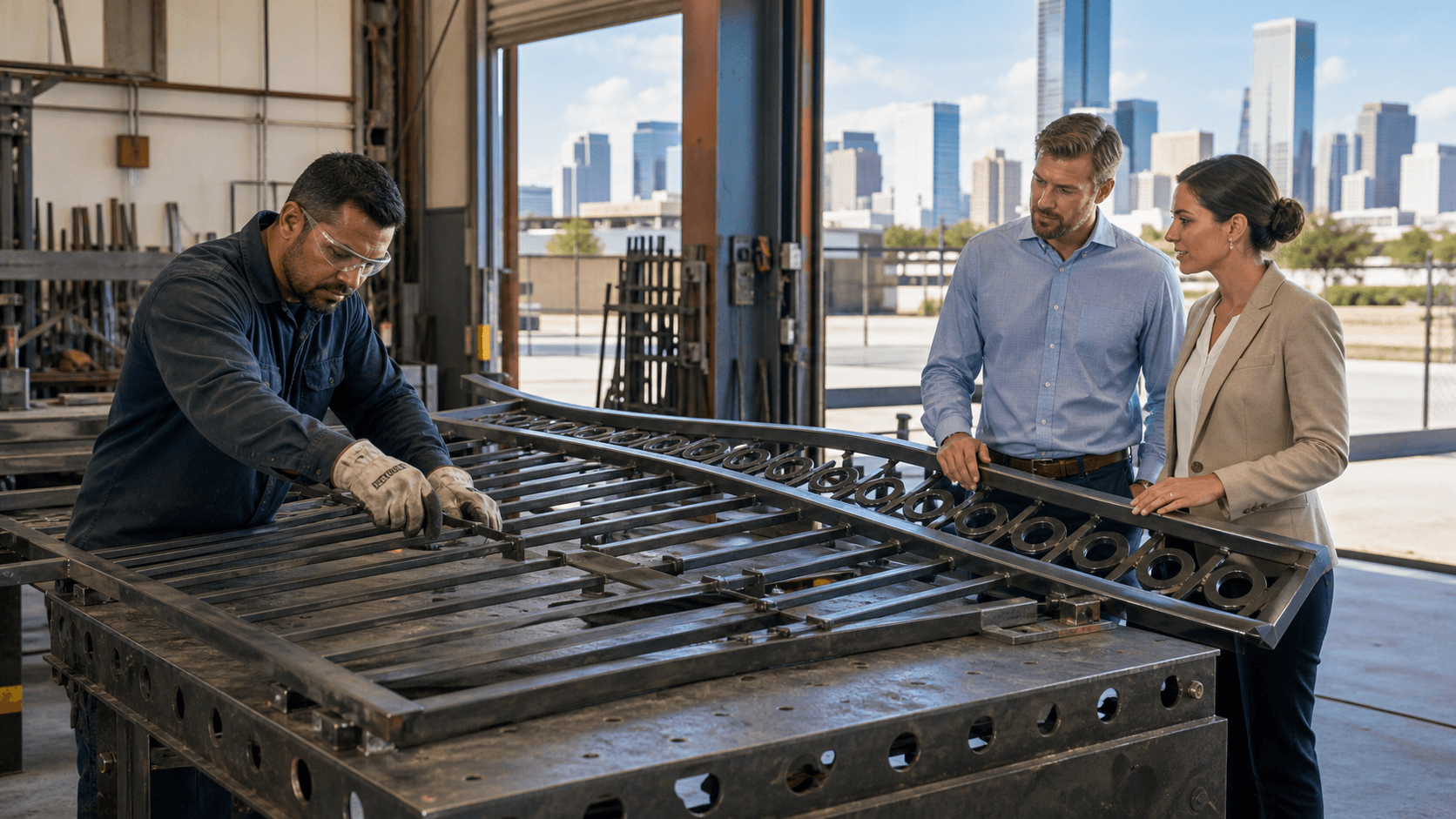
Doing as much welding as possible in a shop environment brings big gains. Indoors, we can control lighting, position, consumables, and inspection flow. NDE is easier to schedule and complete. Then mobile welding crews in the field focus on what they do best: final tie-ins, critical field welds, and adjustments that cannot be done in the shop.
Keeping AWS and ASME code expectations aligned from drawing to shop to field matters too. Matching WPS, welding processes, and consumables cuts the risk of quality gaps that cause hold points and long punch lists when you are least in the mood to see them.
Smarter Laydown Space and Staging That Keep Crews Moving
Laydown space can make or break a turnaround. You can have perfect prefab spools, but if they are buried behind the wrong system or blocked by a crane path, crews still lose hours.
Good laydown design usually includes:
- Zoning by system, line number, and priority
- Clear forklift and crane corridors that stay open all shift
- Ground protection for rainy days so heavy loads do not sink or shift
It also helps to separate pre-outage staging from live turnaround work. Pre-staged areas can sit outside hot zones, ready to feed the active laydown inside the unit once permits open. When planning, it is smart to think about hot work areas, permit shack locations, and egress routes so the laydown does not choke people flow or emergency access.
Storage choices matter too. Vertical racks work well for small-bore spools, while large-bore or heavy spools may need ground cribs or saddles. Alloy spools should sit in protected areas so gaskets, seals, and coatings are not baking in direct sun all day. Clear rack labels that match spool tags keep crane and rigging crews from guessing what to pull next.
One of the best habits is a pre-turnaround mock run. Before the outage clock starts, walk through:
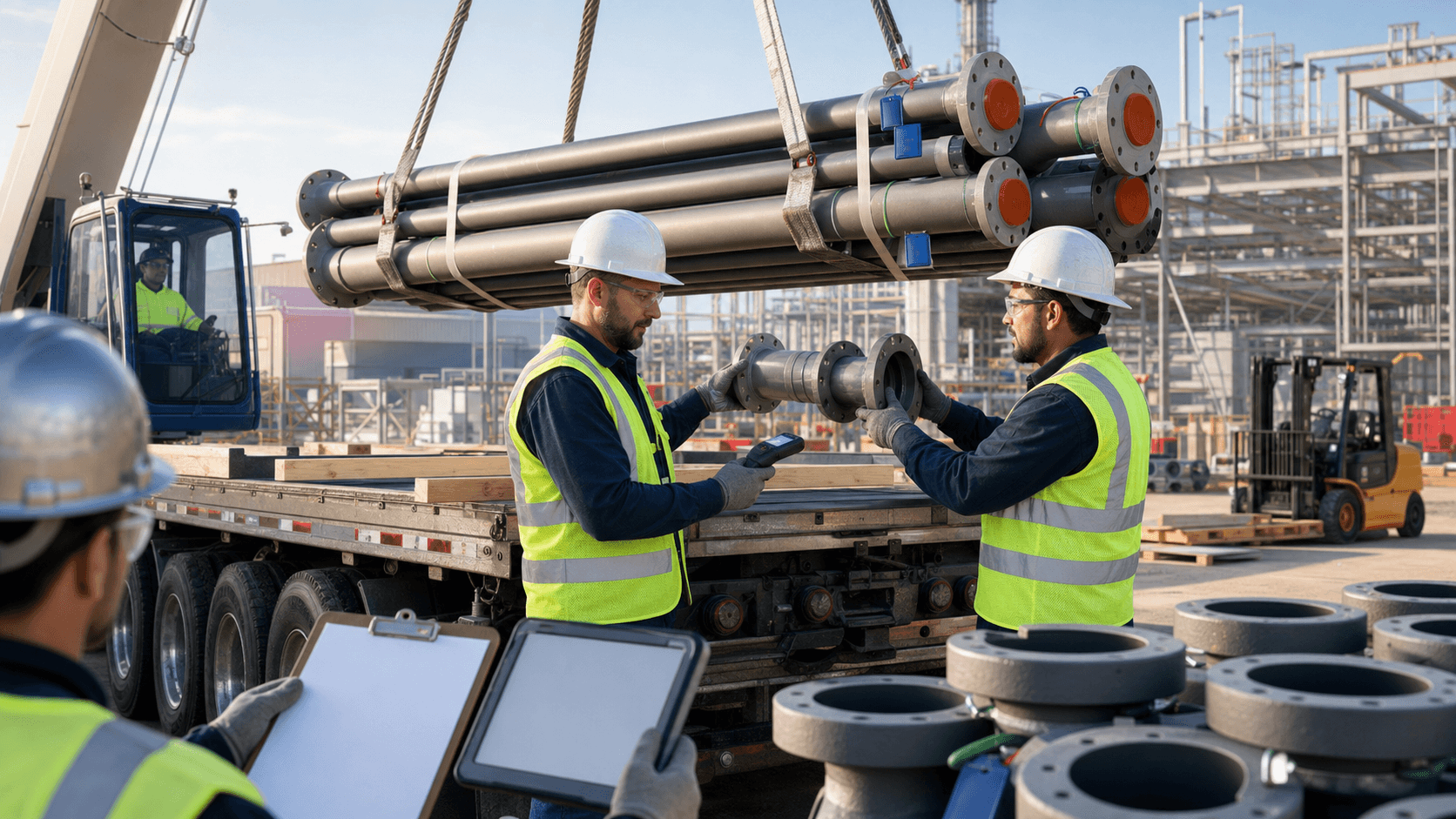
- How each spool moves from truck to laydown to hook to final location
- Crane reach and angles
- Rigging plans and time-on-hook targets
Fixing those issues early is a lot easier than doing it under outage pressure.
Tagging, Weld Mapping, and QA Traceability That Travel to the Field
Good tagging is like giving crews a map and a flashlight. Bad tagging is like turning off the lights. We like to build a tagging system that ties together:
- Isometric drawing numbers
- Spool IDs
- Line class and service
- Tie-in priority or window
When a crane sets a load down, the crew should be able to glance at a tag and know exactly what line it belongs to, what welds are on it, and where it is going.
Weld mapping ties the shop and field together. Each weld gets a unique number, with:
- Welder ID and process used
- Heat input records where needed
- NDE results and any repairs
- PWHT charts if required
For Houston heat and humidity, tags need to last. Metal tags, UV-resistant labels, and paint stencils all help. QR codes can link to digital weld maps and documents, as long as the field has a simple way to access them. Redundant marking on both the spool and any skid or frame is a big help when one label eventually gets scratched or dirty.
When full traceability travels with the spool, inspectors can verify fast. MTRs, weld logs, PWHT data, and NDE reports do not live in separate binders. They are tied to the same ID the fitter is holding in their hand. That cuts walk time and waiting time and keeps the outage clock from eating your lunch.
Managing Fit-up Tolerances and JIT Delivery to Cut Tie-in Time
Fit-up is where perfect drawings meet real steel. On high-pressure or alloy lines, there is not much room for sloppy work. Typical expectations include tight flange face alignment, controlled high-low, and consistent root gaps that meet AWS and ASME code and project specs.
The trick is getting engineering, shop, and field to measure the same way. Shared tools like laser measurement, total stations, or 3D scans give everyone one set of numbers. That means fewer misfits, fewer hot work extensions, and fewer on-the-fly reroutes that burn crew energy.
A good just-in-time delivery model looks something like this:
- Spools loaded in order by system and tie-in priority
- Time-stamped delivery slots that line up with permits and crane windows
- Trucks unloading directly into planned laydown zones, not random patches of open ground
Mobile crews can confirm field dimensions before the outage, then drive any last changes into prefab. Short pup pieces or adjusted spools can be built in a local shop, inspected, and brought in only hours before install. That is how tie-in durations shrink from half a shift of wrestling and rework to a smooth pick, fit, weld, and release.
When all these parts line up, welding stops being the bottleneck in a Houston summer turnaround. It becomes the part of the plan that actually pulls the schedule forward instead of holding it back.
Cut Turnaround Tie-In Hours With Smart Pipe Spool Prefab Planning
If you are ready to cut tie-in hours and keep your turnaround schedule tight, we can help you line up shop prefabs with field welds the right way. Our team at Weldit coordinates laydown space, weld mapping, and fit-up tolerances so your pipe spool prefabrication in Houston flows smoothly from shop to rack to tie-in. We work directly with your planners and foremen to sequence loads and deliveries so crews are welding instead of waiting. To schedule a walk-through or request a quote, just contact us and tell us your next outage dates.