Hurricane prep along the Gulf Coast is not just about plywood and sandbags. If you run an industrial plant, commercial site, or coastal residential facility with structural steel, stairs, platforms, or pipe, your real problem is what happens when that metal moves, bends, or breaks. This is where mobile welding and fabrication, ready before the storm, can keep damage from turning into long-term shutdowns.
We want to walk through how planning for a rig welder team, pre-staged steel, temporary structural stabilization, and clean documentation can help you get through hurricane season with fewer surprises. When you know who will show up, what they will bring, and how they will record the work, those first hours after a storm feel a lot less chaotic.
Hurricane-Ready Welding Support for Gulf Coast Facilities
Early summer is peak prep time along the Gulf Coast. Storm tracks might still be forming, but your facility's weak points are already there. Waiting to see what happens can turn a minor issue into a full structural mess.
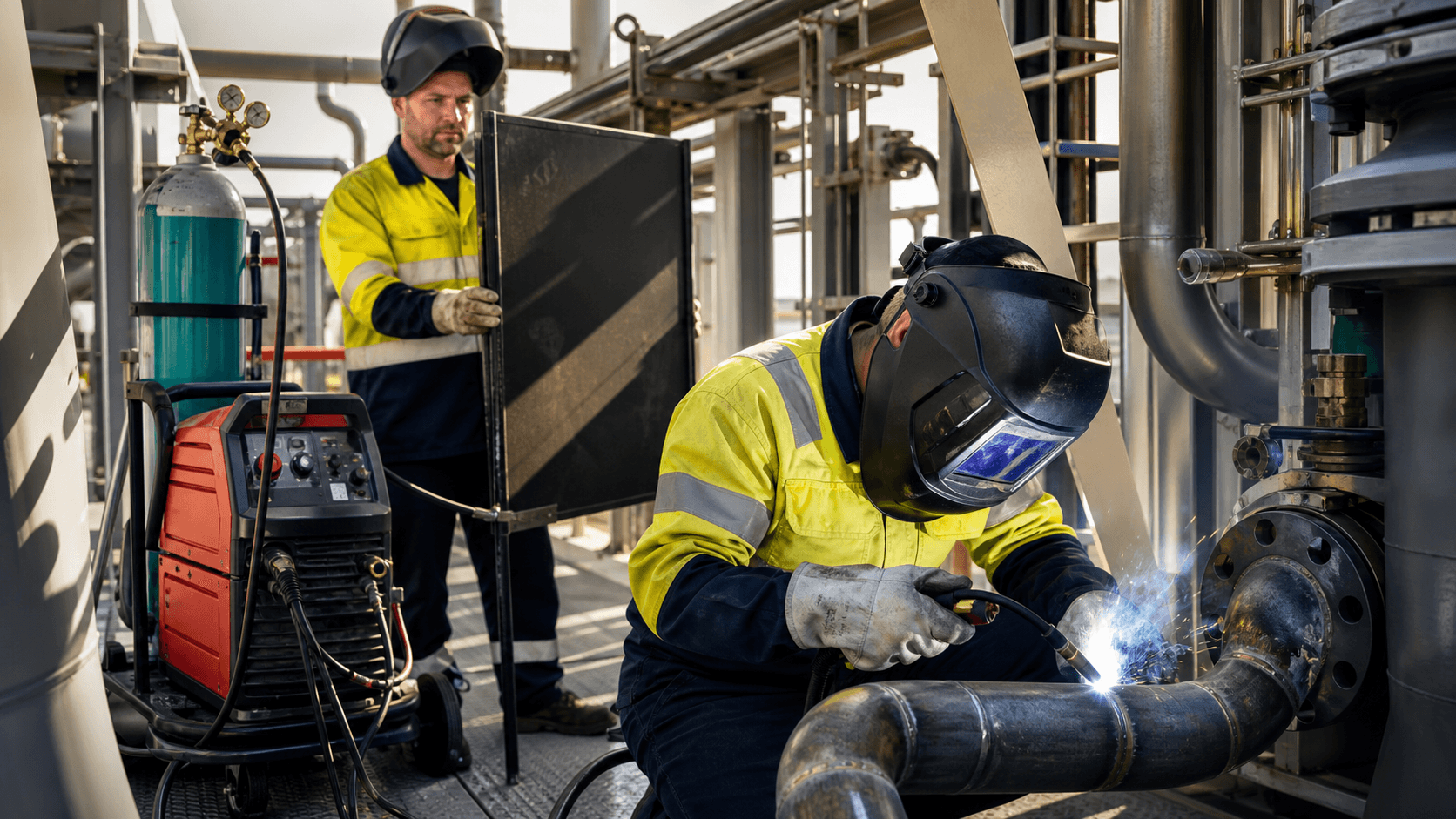
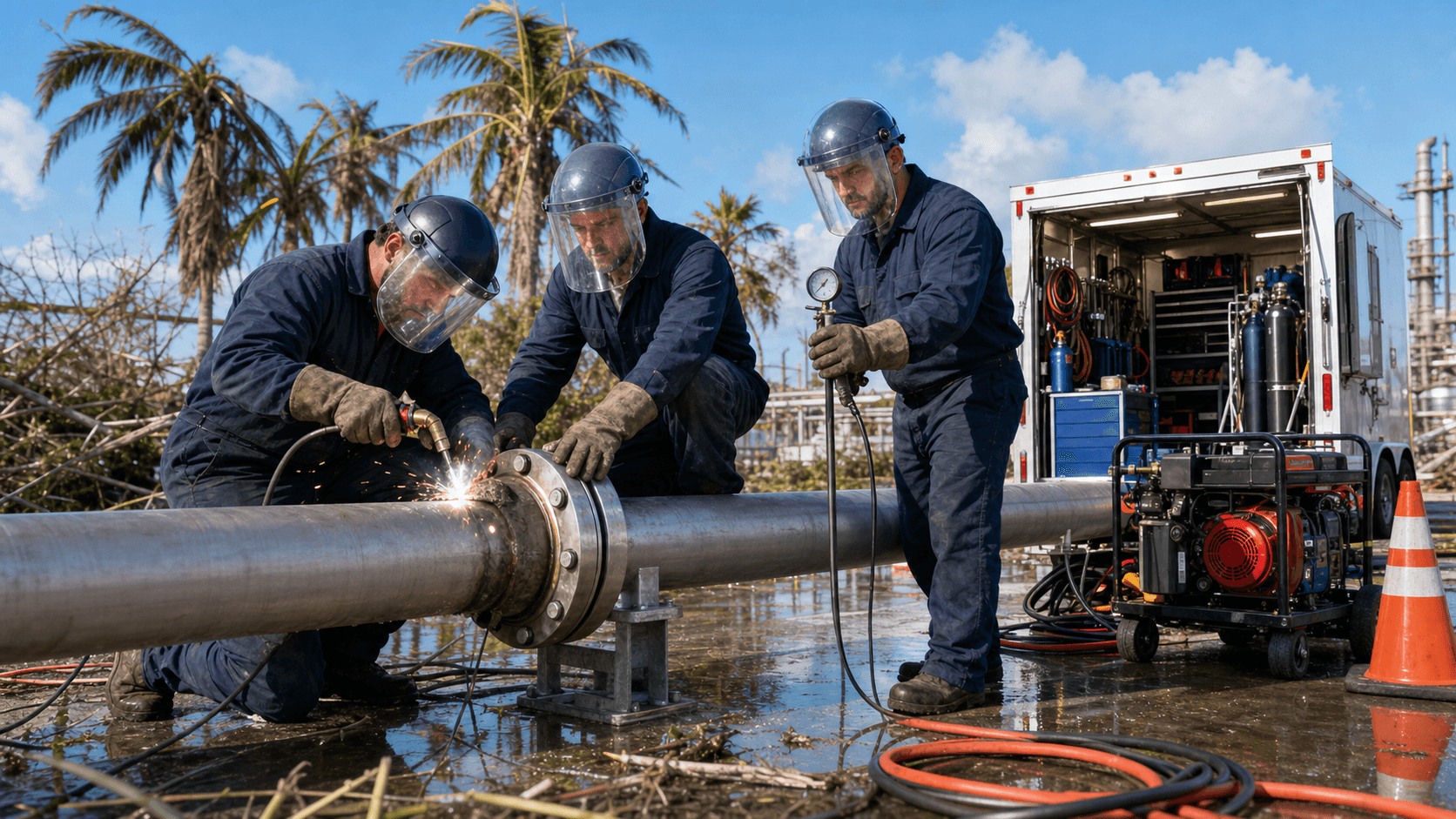
Mobile welding support matters because storm damage usually hits access and structure at the same time. You might lose gates, stairs, or pipe supports that you need just to start cleanup. With certified mobile welding crews on call, you can bring shop-level fabrication straight to your site when it is safe to roll trucks.
Hurricane-ready welding support focuses on three big goals: shrink outage windows, keep people safer, and keep you ready for insurance and code checks. When the rig welder, materials, and paperwork plan are all set ahead of time, you can move from damage to action much faster.
Anticipating Hurricane Impacts Before Landfall
Gulf Coast storms are hard on metal. Common damage patterns show up again and again:
- Roof and canopy uplift that twists structural members
- Steel frames racked out of square by wind and impact
- Blown-out access gates and security fencing
- Pipe racks knocked out of alignment
- Buckled stairs, ladders, and platforms that are unsafe to use
Pre-season checks with a structural-focused welding and fabrication partner can catch problems that are just waiting for the next strong wind. That might mean:
- Aging welds on tank supports and legs
- Rusted handrail posts and guardrails
- Loose or cracked connections on braces and frames
- Old repairs that do not match current code intent
We like to walk sites with facility managers, safety leads, and engineers before hurricane season gets busy. Together, we map:
- Priority assets that must stay standing or be restored first
- Safe access routes for trucks, trailers, and rig welder units
- High-risk structures that might need fast temporary bracing
That planning turns into a simple "first 72 hours" welding playbook so everyone knows what happens once the storm clears.
Pre-Staged Steel, Hardware, and Mobile Rig Readiness
Pre-staging is one of the smartest steps you can take. Instead of hunting for steel after a storm, you already have the basics on hand, protected, and labeled. Common items include:
- Structural shapes like angle, channel, and small beams
- Plate and gussets for reinforcing bent members
- Pipe, posts, and handrail components
- Anchors, bolts, and other connection hardware
These materials can be stored in secure, storm-resistant spots on your site or in nearby yards that are easy to access after high wind and heavy rain.
On our side, hurricane season also means setting up mobile welding trucks and rig welder units for rough conditions. That usually includes:
- Power for welding and tools when the grid is down
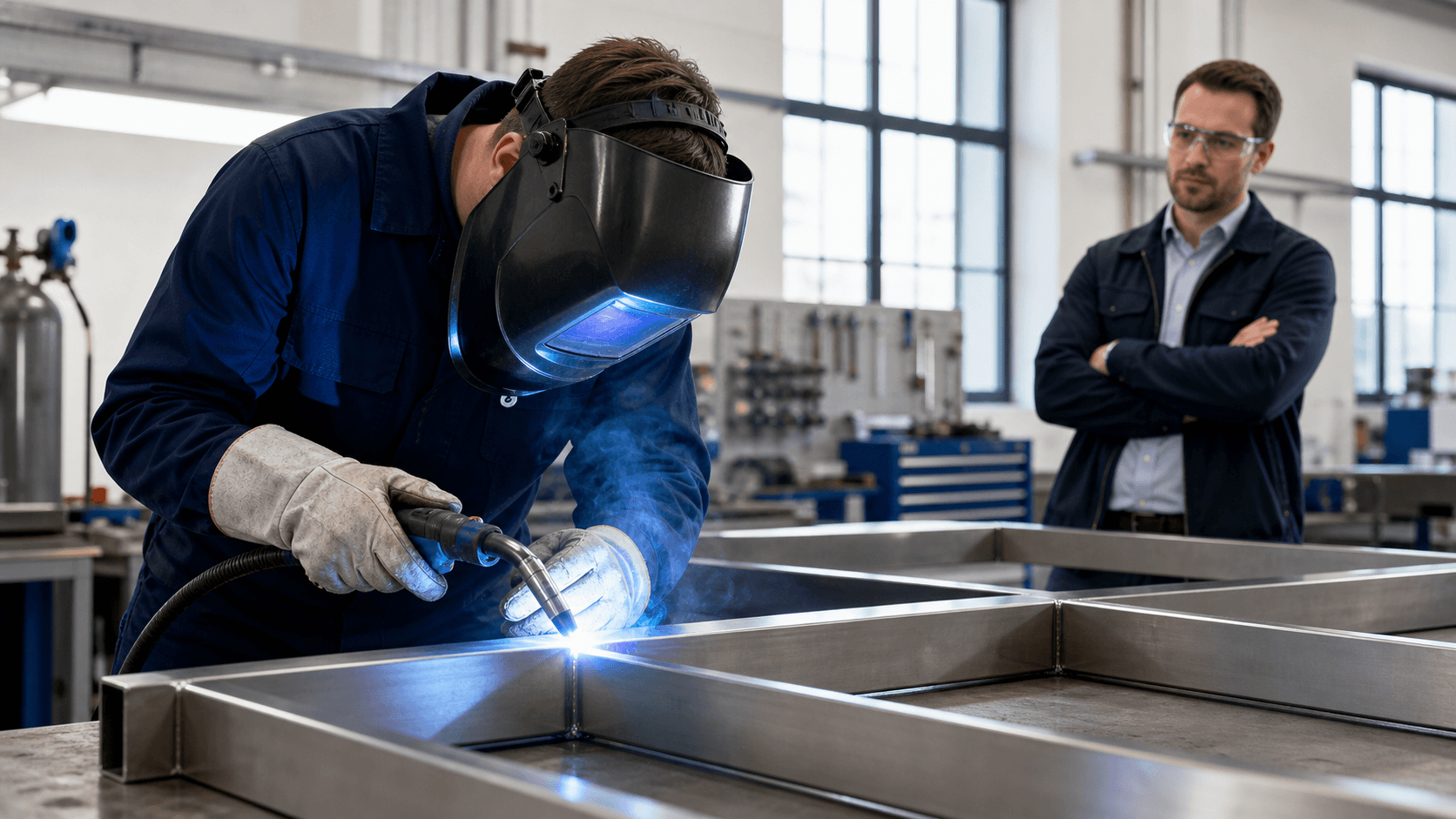
- Multiple welding processes for carbon steel and different thicknesses
- Fuel, lifting gear, jacks, and blocking for field work
- Portable lighting and PPE for long, hot, low-visibility shifts
Logistics planning matters too. Before storms build, we work with you to:
- Plan alternate routes around flood-prone or low-lying roads
- Confirm access details and property entry rules
- Set communication paths so crews know when it is safe to mobilize
This kind of readiness means that once the weather passes, crews can move straight into action instead of wasting hours sorting basic details.
Temporary Structural Stabilization in the First 72 Hours
The first few days after a hurricane are about making things safe and stopping further damage. Temporary structural stabilization through field welding and bracing can prevent small problems from turning into big failures.
Common emergency welding and bracing tasks include:
- Stabilizing bent or leaning columns so they do not keep moving
- Reinforcing loose or partially failed connections
- Securing leaning pipe racks and platforms
- Shoring stairs, ladders, and landings that people must use for access
Our approach in that window is simple: assess fast, triage hazards, and put in temporary fixes that respect safety rules and code intent. When needed, we work directly with your engineers so that every temporary repair can be followed by permanent design work later.
Some practical temporary welding solutions might be:
- Clip-on bracing and kickers welded to sound structure
- Welded shims to take out unsafe gaps or movement
- Temporary support frames under damaged beams or platforms
- Welded tie-backs to keep equipment or panels from shifting
- Secure welded closures for doors, gates, and barriers to limit entry
These are not meant to be pretty. They are meant to keep people out of danger and keep your structure stable until final repairs are ready.
Fast, Accurate Documentation for Insurance and Compliance
Storm recovery is not just about fixing steel. It is also about proving what happened and how it was repaired. Good documentation from welding crews can make insurance and regulatory steps move faster.
Useful records often include:
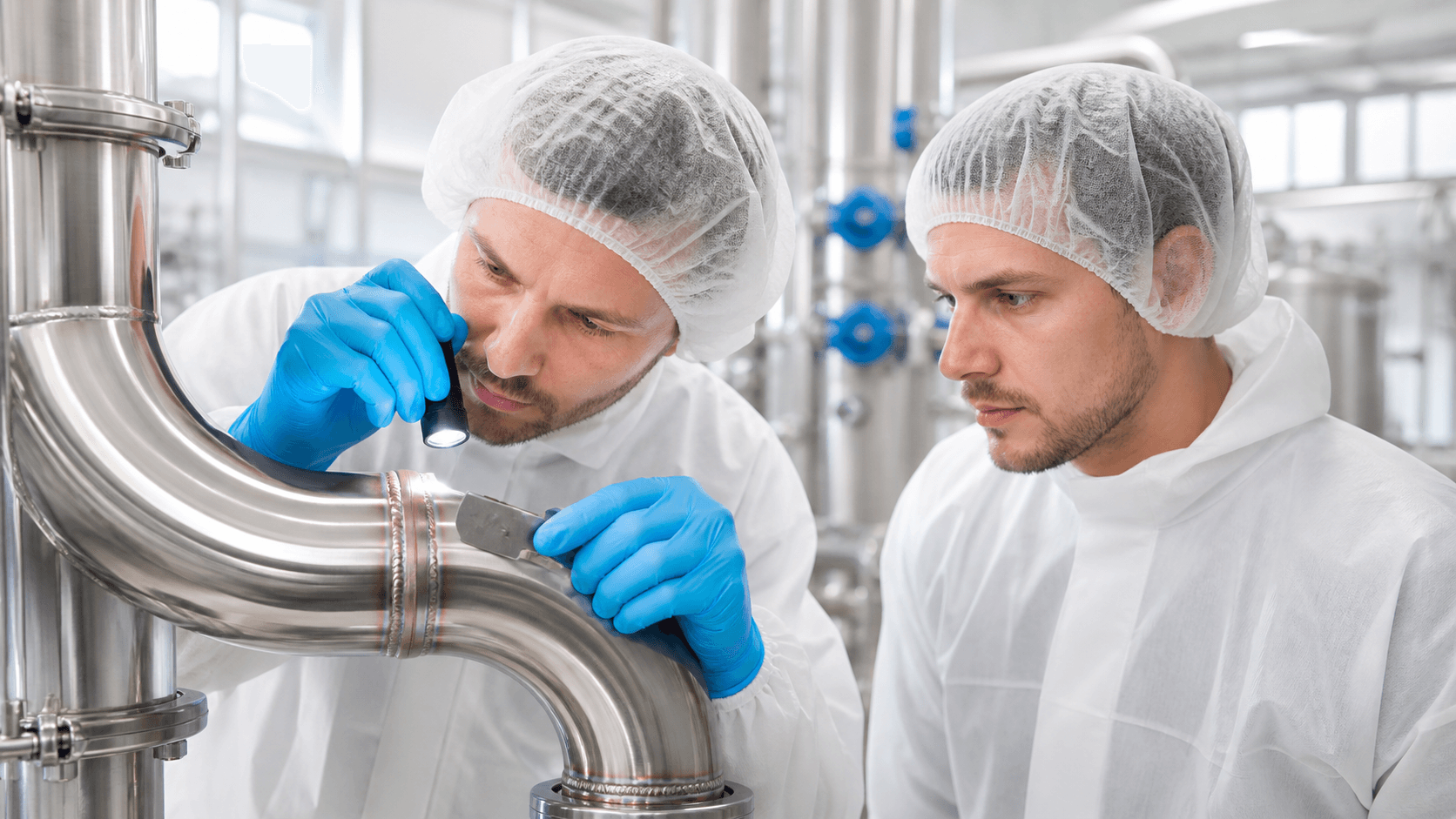
- Time-stamped site photos before and after work
- Detailed damage notes tied to specific locations
- Close-up images of critical welds and connections
- Logs of what was reinforced, removed, or rebuilt
On more controlled projects, we can also provide structured documents such as:
- Heat and weld maps showing where work took place
- Material traceability, when required by your standards
- The welding procedures used for different joints
- Welder certifications and sign-offs for code-related work
Digital deliverables help everyone stay in sync. Shared folders or portals give claims adjusters, facility managers, and engineers quick access to the same set of facts. That makes it easier to check scope, estimate replacement work, and confirm that both temporary and permanent welds were completed correctly and safely.
Building a Hurricane Welding Plan Now
The best time to plan for hurricane welding support is before any storm has a name. A quiet pre-season site walk with an experienced rig welder team can help you:
- Spot weak points in stairs, platforms, racks, and frames
- Decide which structures must be first in line for repair
- Choose where to store pre-staged steel and hardware
- Outline what "back online" looks like for your operations
From there, operations, safety, and maintenance leaders can work together on a standing emergency response agreement with clear expectations. That typically covers 24/7 contact paths, realistic mobilization timelines, pre-approved terms, and agreed staging areas for materials and equipment.
Weldit is based here in Texas, and we know how fast a normal week can turn into storm prep along the Gulf Coast. With a thoughtful hurricane welding plan, pre-staged materials, and ready mobile crews, your facility can move from shock to action with a lot more control and a lot less guesswork when the next big storm heads your way.
Secure Hurricane-Ready Mobile Welding Support Before the Next Storm Hits
If your Gulf Coast facility needs reliable hurricane response planning, we can pre-stage materials, set up mobile crews, and be ready to roll as soon as a storm passes. Our certified rig welder teams combine shop-level fabrication with on-site structural stabilization and clear documentation for insurers and inspectors. Weldit works directly with your maintenance, safety, and risk teams so everyone knows the plan before the season's next named storm. To schedule a preparedness walk-through or request emergency standby support, contact us today.