Keep Your Houston Fleet Moving With On-Site Aluminum Repairs
Keeping trucks, trailers, and service bodies on the road in Houston is a full-time job, especially as Q4 shipping, construction, and holiday work stack up. One damaged aluminum trailer side, cracked liftgate, or broken ladder rack can take a unit out of service fast. When several units go down at the same time, schedules slip, customers wait, and stress goes up.
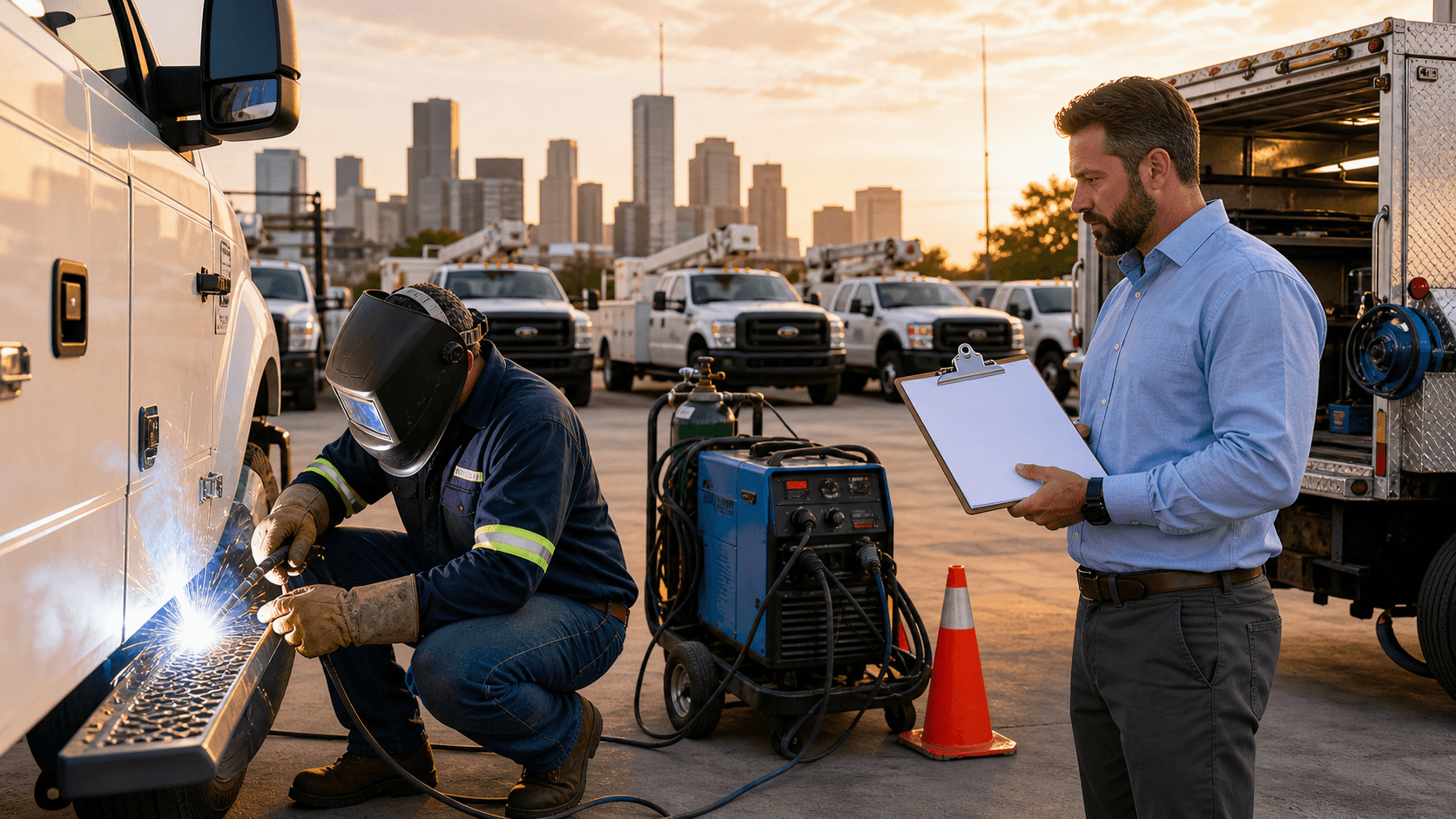
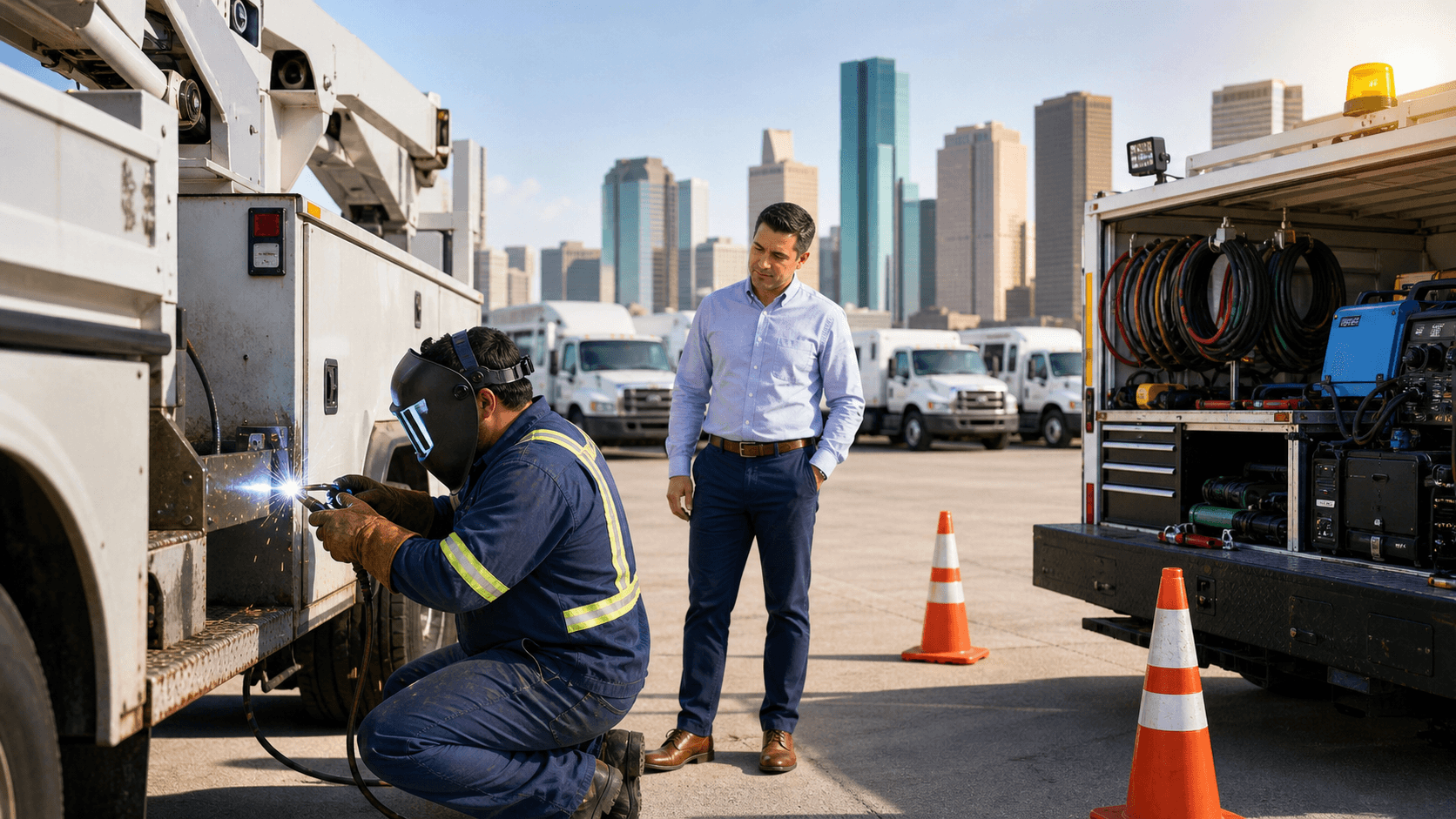
That is why on-site aluminum repair matters. A mobile aluminum welder who comes to your yard, job site, or roadside location can get you back in service without waiting on a shop slot or moving out-of-service units across town. When those repairs are done with a strong QA and QC focus, they help protect uptime now and make audits and safety reviews easier later.
Our goal is to be that kind of field-ready welding partner, with certified procedures, aluminum-focused skills, and documentation that lines up with commercial and DOT expectations. We care about safety, but also about keeping trucks rolling when your calendar is already packed.
Why Aluminum Fleet Repairs Demand Specialized Mobile Welders
Aluminum is everywhere on modern commercial fleets. It shows up on:
- Dry van and reefer trailers
- Flatbeds and drop decks
- Service bodies and toolboxes
- Racks, ladders, and steps
- Liftgates, fuel and product tanks, and guards
You get the weight savings and good corrosion resistance that aluminum brings, which means more payload and less rust. But aluminum does not behave like steel when it is welded. It conducts heat fast, has a stubborn oxide layer, and softens easily if the wrong process or heat input is used.
Houston fleets deal with long stretches of heat, sun, humidity, and heavy traffic. That can lead to:
- Fatigue cracking around old welds and crossmembers
- Corrosion where aluminum meets steel brackets or fasteners
- Impact damage at dock corners and rear frames
- Stress around hinges, spring hangers, and suspension brackets
A generic mobile welder might be fine for a simple steel bracket, but aluminum fleet repairs are different. The welder needs to be qualified on aluminum processes, understand how to control heat on thin skins and extrusions, and work with a QA and QC mindset that fits DOT safety expectations. When the repair touches structural or safety-related parts, there must be more than guesswork involved.
Field-Ready Welding Procedures That Stand up to Audits
Good aluminum repairs start long before the truck rolls into the yard. They start with Welding Procedure Specifications, or WPS, that are built and qualified for the actual work your fleet needs. Common jobs include repairs on 5xxx and 6xxx series aluminum, such as:
- Trailer frames, side rails, and crossmembers
- Deck plates and floor sections
- Toolboxes, racks, and formed panels
A WPS lays out details like joint prep, how much to bevel or clean, preheat ranges if needed, and travel speeds that control heat input. It also covers process choice, like pulse MIG or TIG, and gives a range for amperage and voltage that will produce sound welds without burning away thin material.
When a mobile aluminum welder shows up prepared, they bring:
- Prequalified WPS ready for common fleet joints
- Clear control of essential variables, such as filler classification, wire feed speed, and polarity
- Fit-up and tack methods that give repeatable results from truck to truck
For fleet managers, this is not just paperwork. The use of WPS and welder qualification records helps answer questions from:
- Insurance carriers after a claim
- Prime contractors who demand proof of qualified repairs
- DOT or commercial auditors curious about who welded what
If someone asks how a structural repair was done, you can point to more than a verbal promise. You have records that tie the work to a documented process and a qualified welder.
Smarter Filler Metal, Cleaning, and Heat Control for Aluminum
Aluminum filler selection is a big deal for fleet repairs. Different alloys bring different behavior for crack resistance, strength, and corrosion. For example, ER4043 is often used for its good fluidity and crack resistance on some 6xxx series parts, while ER5356 is often chosen where higher strength or better corrosion behavior in certain environments is needed. Picking the wrong filler can lead to early cracking or problems around dissimilar metals.
Cleaning is just as important. Before any aluminum weld on a working truck, a good mobile welder will:
- Mechanically remove oxide with a stainless steel brush or suitable tool
- Degrease to remove road film, fluids, and deicers or chemicals
- Keep the joint dry and protected from moisture and airborne dirt
Skipping these steps can leave porosity, lack of fusion, or weak tie-ins hidden in the weld.
Heat control is another common failure point in field repairs. Thin skins, formed panels, and extrusions can warp, soften, or melt if the welder is not careful. To keep parts in shape and within safety expectations, a field-ready welder will often use:
- Pulse MIG or TIG settings that reduce overall heat input
- Stitch welding patterns to spread out heat and control distortion
- Backing bars or chill plates to support thin sections
- Controlled cooling, with no hosing hot welds with cold water
The goal is simple: strong welds, minimal warpage, and no burn-through on parts that matter for DOT compliance and safe use.
Documentation and Inspection That Support DOT Compliance
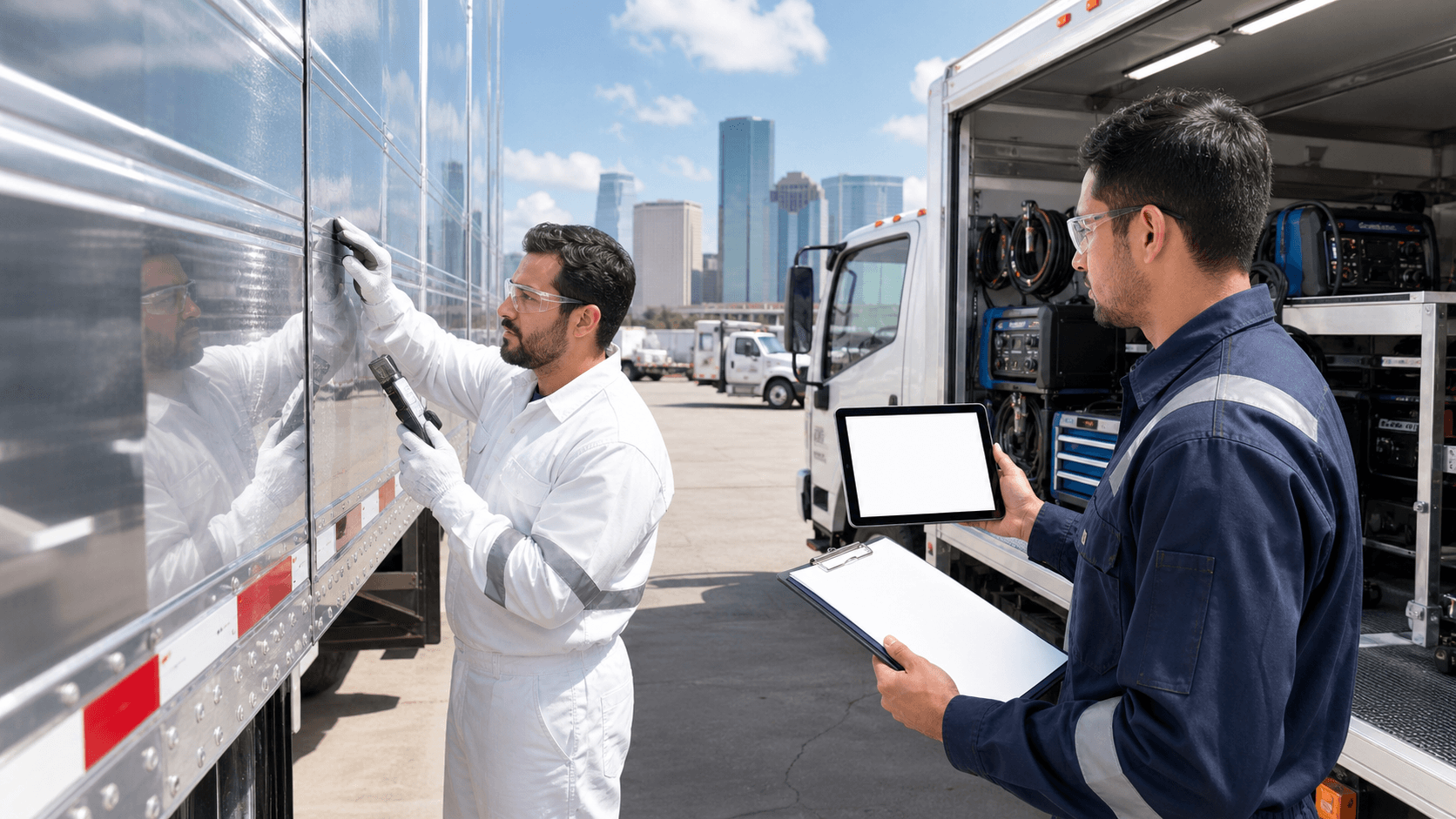
Inspectors and risk managers are usually interested in a few basic things. They look for visible repair quality, the integrity of load-bearing members, and some way to trace who did the work and under what procedure. They want to know that a quick field fix did not create a new weak point.
A QA- and QC-driven mobile aluminum welder can support your files with items like:
- Repair descriptions that list the damaged area and what was done
- References back to the WPS used for the repair
- Welder qualification details for the person doing the work
- Base metal identification and filler metal lot or classification
- Before-and-after photos for your maintenance records
On-site, simple visual and dimensional checks matter too. We focus on:
- Weld profile that fits the joint without heavy overbuild
- No sharp undercut at the toes of the weld
- No porosity or visible cracking at starts and stops
- Correct alignment of doors, hinges, brackets, and suspension parts
- Full function checks where parts move, latch, or carry load
These steps help fleet managers show due diligence if a DOT inspector, prime contractor, or customer ever asks how fleet repairs are handled.
Prepare Your Houston Fleet for Peak Season with Weldit
Late October is when many Houston fleets start feeling the squeeze. Holiday freight ramps up, construction stays busy, and industrial sites push toward year-end goals. This is a smart time to fix those small aluminum cracks, broken brackets, and body issues before every unit is booked solid and every delay hurts.
Standardizing how aluminum repairs are handled can remove a lot of guesswork. Instead of ad-hoc fixes, you can work with a certified, documentation-focused mobile aluminum welder who understands fleet needs and keeps QA and QC front and center. At Weldit, we are based in Texas and built around industrial and commercial welding work, including mobile services that support major markets like Houston.
A planned walk-through of your fleet, a list of high-risk aluminum components, and a recurring field welding and documentation routine can keep your trucks compliant, safe, and earning through the busiest part of the year.
Get Started With Your Project Today
If you are ready to move forward with precise, on-site aluminum repairs or fabrication, our mobile aluminum welder service brings the equipment and expertise directly to you. At Weldit, we work around your schedule and location so you can keep your project or equipment on track with minimal downtime. Tell us about your project and we will recommend the most efficient path from first inspection to final weld. Have questions or need a quote now? Just contact us and our team will respond promptly.