Outsourcing pipe fabrication in Houston is not a low-risk choice. Tight shutdown windows, long lead items, and safety-critical systems all depend on welds you cannot see from the outside. If the wrong shop touches your pipe, you can end up with failed inspections, blown schedules, and crews standing in the heat with nothing to install.
This is why a clear vendor qualification checklist matters before any purchase orders go out. When owners, general contractors, and project managers ask the right questions up front, they avoid surprises later. Below we walk through a practical checklist you can use to qualify pipe fabrication partners on code compliance, NDE, MTRs, traceability, and documentation handoff, so your next Houston project stays on track.
Avoid Costly Delays with the Right Pipe Fab Partner
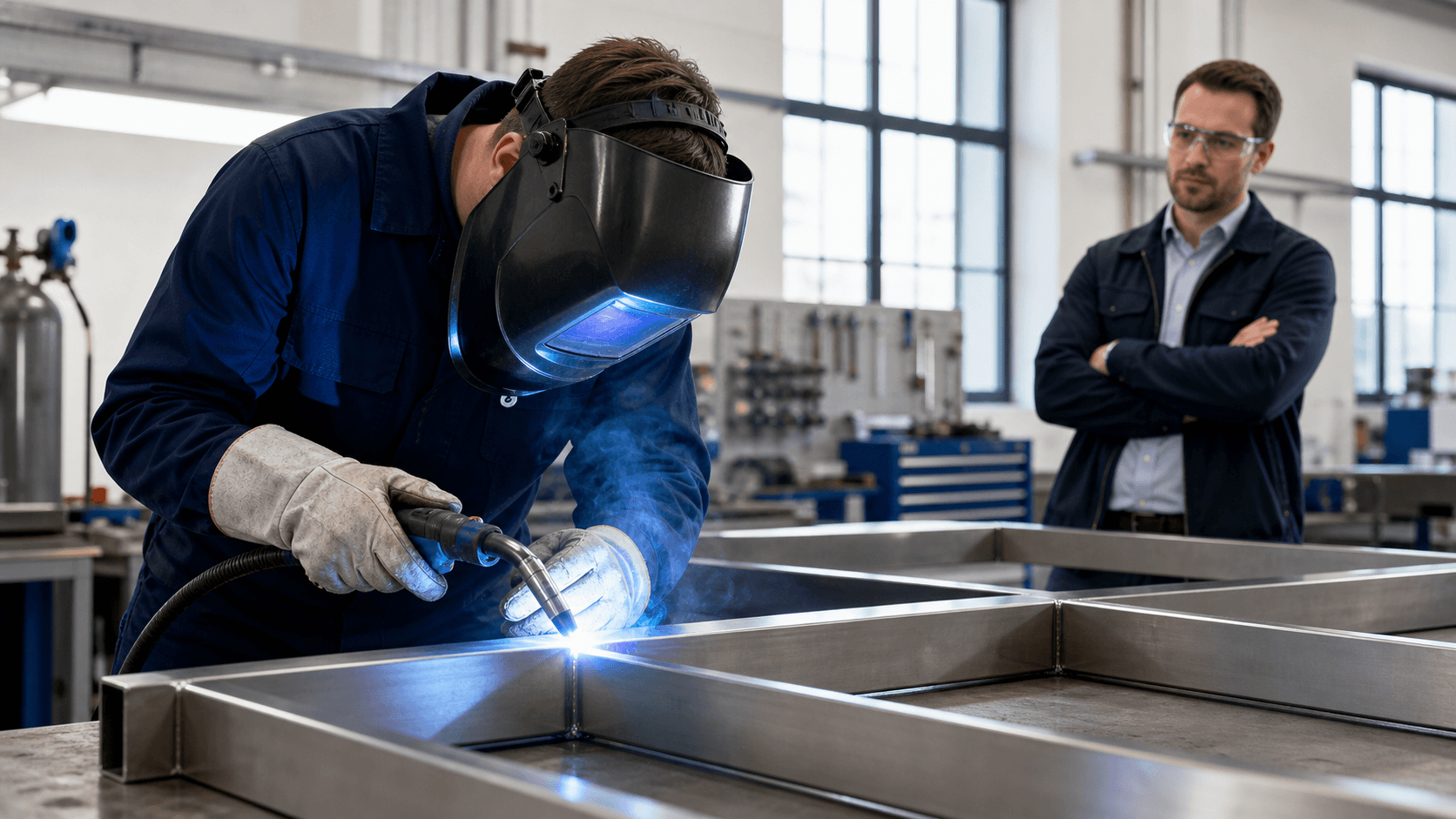
Pipe fabrication is not just cutting and welding. On industrial, commercial, and large residential jobs, the pipe ties into systems that carry steam, gas, chemicals, or critical HVAC. A missed step in the fab shop can slow commissioning and push back startup dates that were already tight.
Outsourced pipe fabrication in Houston has extra pressure. Many projects try to get as much done as possible before peak summer operations, and outage windows are short. When you add in coordination with inspectors and other trades, there is not much room for rework.
A solid vendor checklist helps you:
- Catch gaps in procedures and records before you award work
- Align expectations around code, quality, and inspection
- Protect your schedule when the job hits the field
Confirm Code Compliance, Certifications, and WPS/PQR
Start by making sure the shop is actually set up to do the type of code work your project needs.
Key things to confirm:
- Which codes they work to, like ASME B31.1, B31.3, Section IX, AWS D1.1, or API standards
- Any required R, S, or U stamps if your project or client demands them
- A written quality manual that covers pipe fabrication, inspection steps, and documentation control
Next, dig into their welding procedures. A skilled shop should have written Welding Procedure Specifications and supporting Procedure Qualification Records for each process and material grade you plan to use. Check that essential variables are clearly written and that procedures match your project specs.
For welders, ask to see:
- Welder qualification records tied to specific WPS numbers
- Continuity logs showing their qualifications are current
- Position, thickness, and process ranges that match your scope
Set inspection and acceptance criteria up front. Agree on visual and dimensional checks, pressure tests if required, and any hold points where your team or a third-party inspector needs to sign off. Also decide who coordinates with inspectors and how nonconformances will be documented, reviewed, and cleared.
Validate NDE Capabilities and Quality Control Processes
Nondestructive examination is where many projects get hung up. If the shop cannot get the right method at the right time, your spools sit in the yard instead of on pipe racks.
First, match NDE methods to your risk profile:
- Visual testing for every weld
- Penetrant or magnetic particle for surface-breaking issues
- Radiography, conventional UT, or phased array UT where your code or client requires it
Confirm if the shop has in-house NDE or uses reliable Level II or Level III providers. Either way, they must be able to support your schedule, especially when spring and summer workloads spike across the Houston area.
Ask for sample NDE procedures and a few anonymized reports:
- Clear links to specific joints or spool numbers
- Reference to isometrics or drawings
- Legible results and dispositions for indications
Make sure NDE is built into the workflow. Agree on sequencing around fabrication, any heat treatment, and coating so you are not grinding off fresh paint to repair a weld. Set up fast communication loops for indications on critical path welds, with expectations for repair approval and re-exam turnaround.
Ensure MTRs, Heat Numbers, and Full Traceability
On pressure piping, material mix-ups can cause serious problems. You want to know that every elbow, tee, and spool can be traced back to the right material record.
Require that MTRs are provided for all pressure-containing and code-critical components. Those reports should show chemistry, mechanical properties, and compliance with the needed ASTM or ASME material standards. Ask how the shop verifies material on receipt, matches packing slips and MTRs, and locks that in before cutting starts.
Then look at their traceability methods:
- How heat numbers are marked, such as stamping, tagging, color coding, or barcoding
- How they protect markings through fit-up, welding, PWHT, and coating
- How they handle outdoor fabrication yards where paint and weather can obscure tags
Request examples of their record system. Good signs include:
- Traceability matrices that link each spool or line number to MTRs, WPS numbers, welders, and NDE reports
- Clear weld maps and line class logs
- Defined retention periods and fast record retrieval, often as searchable PDFs or exports from a QC system
Plan the Documentation Handoff and Turnover Package
A lot of projects stall late because paperwork is scattered. If the shop cannot hand over clean documentation, your client, inspectors, or operations team may not accept the system.
Define documentation deliverables in the contract. Common items include:
- WPS and PQR sets used on the job
- Welder qualification records that tie to weld maps
- NDE reports, hydrotest records, and any PWHT charts
- MTRs, weld maps, as-built isos, and deviation or NCR logs
Agree on how the turnover will be organized. Many teams prefer by system, line number, or area so field crews and startup teams can find what they need fast. Decide on digital formats like PDFs, CAD files, or Excel logs, and whether you want the package on a shared drive, thumb drive, or QC platform.
Tie turnover timing to milestones, such as batch releases of spools, major system completions, and final acceptance. Assign people on both sides to review, comment, and sign off so there are no last-minute surprises before pressure testing and startup.
Protect Your Schedule with Onsite and Mobile Welding Support
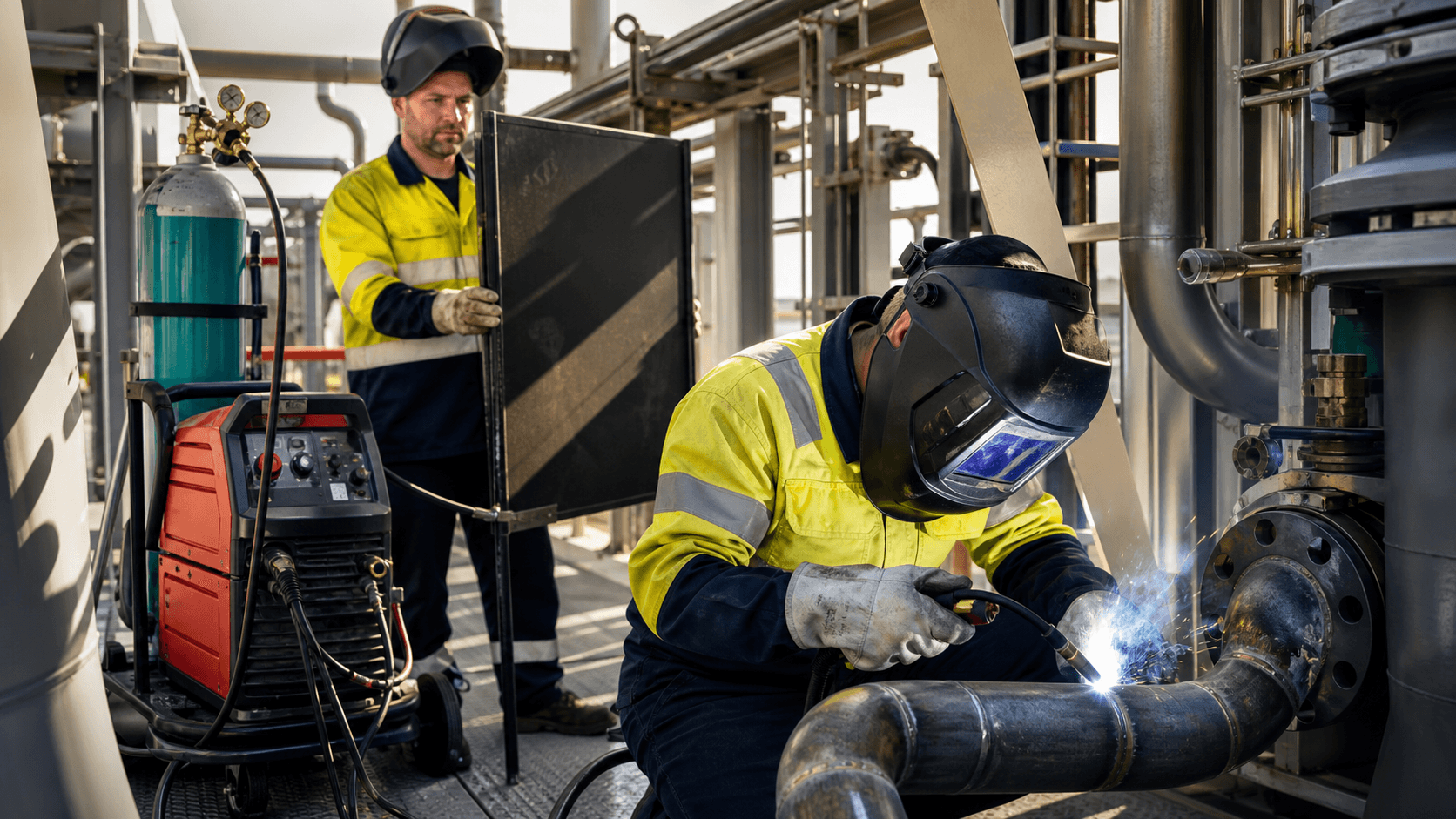
Even the best shop fabrication does not always match exact field conditions. Lines shift, supports move, or new tie-ins appear during construction. A partner that can handle both shop pipe fabrication in Houston and certified mobile welding in the field helps you keep control.
Ask if the same WPS, PQR, welder qualifications, and documentation standards apply in the field. You do not want a gap where shop welds are well documented but field tie-ins are not.
For seasonal peaks, talk through:
- Crew capacity during planned outages and shutdowns
- Response to emergency repairs or late design changes
- Backup plans for heavy rain, access limits, or site congestion
Finally, confirm that field crews align with your safety program. This includes site training, PPE, permits, hot work procedures, and logistics like laydown areas, lifting plans, and access to elevated work. Good coordination with other trades in the field keeps everyone moving instead of waiting.
Next Steps to Qualify a Houston Pipe Fab Partner
A clear, disciplined checklist reduces risk long before the first length of pipe is cut. By checking code compliance, NDE capabilities, MTRs, traceability, and turnover planning, project teams give themselves a much better chance of hitting startup targets during busy seasons.
Gather your project codes and specs, shortlist a few vendors, and ask for real sample documents. Review their WPS and PQR sets, welder qualifications, NDE reports, and traceability logs, then sit down for a pre-award QA and QC meeting. At Weldit, we help owners, GCs, and PMs across Houston and other Texas metros line up integrated shop and mobile welding support for upcoming pipe fabrication scopes so field work, inspections, and documentation stay in sync from the first weld to final handoff.
Qualify Your Houston Pipe Fabrication Partner With Confidence
If you are ready to apply this vendor checklist to a real project, our team at Weldit can step in with code-compliant procedures, traceable materials, and clean documentation handoff. Learn how our certified welders approach pipe fabrication in Houston so your inspections, audits, and start-up stay on schedule. Share your specs, required codes, and timeline, and we will respond with a clear plan and quote, or you can contact us to talk through your requirements.