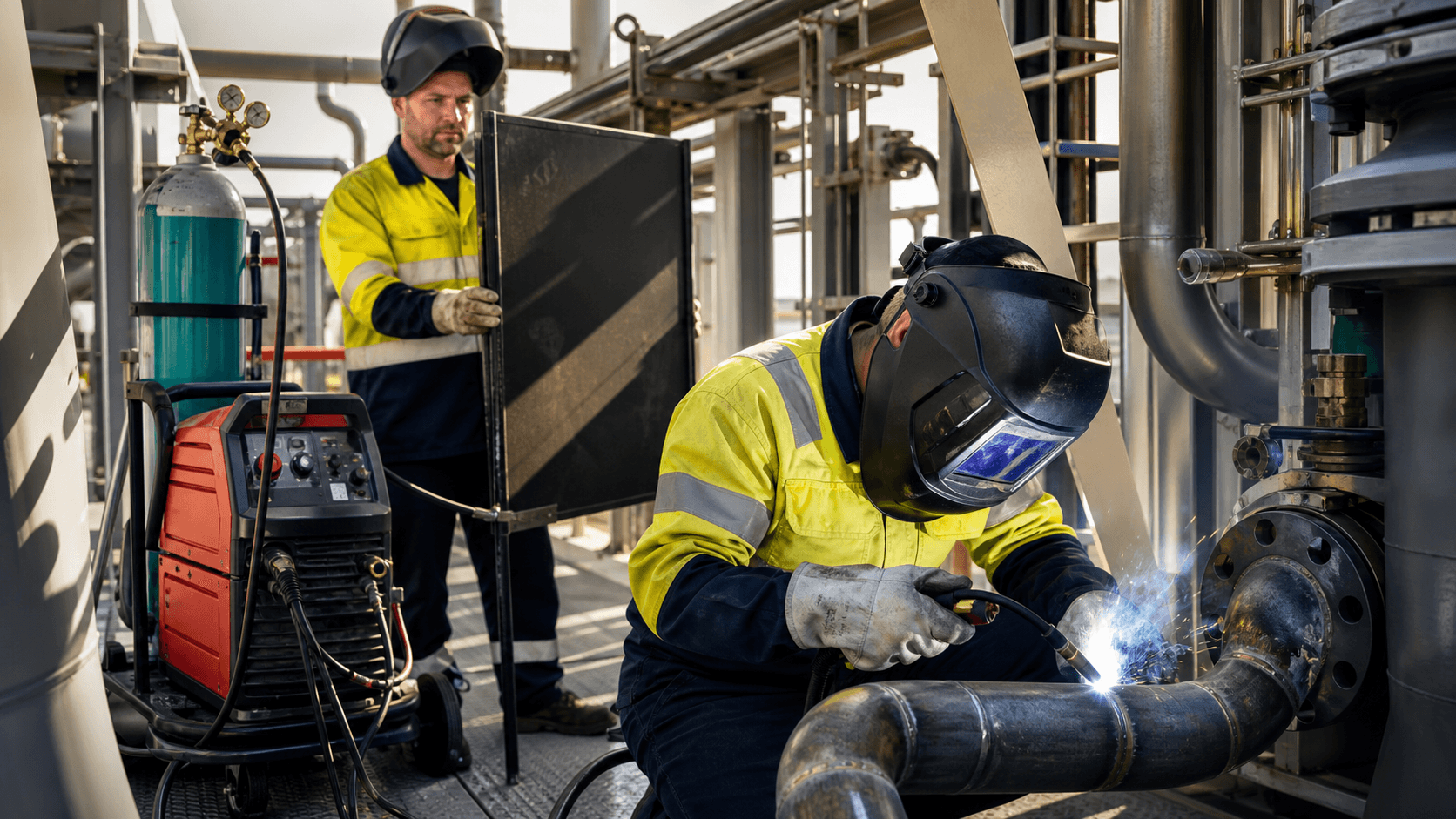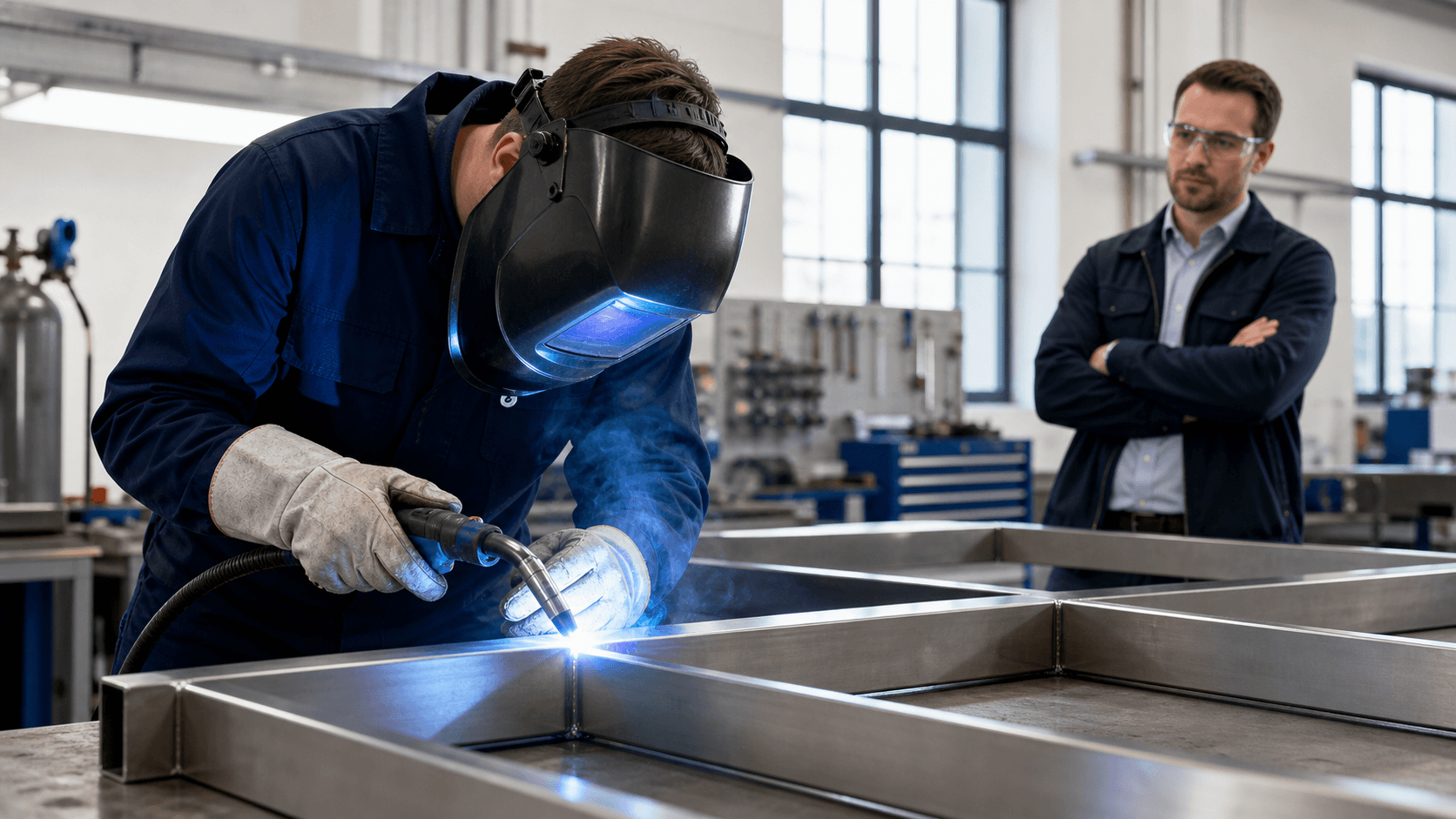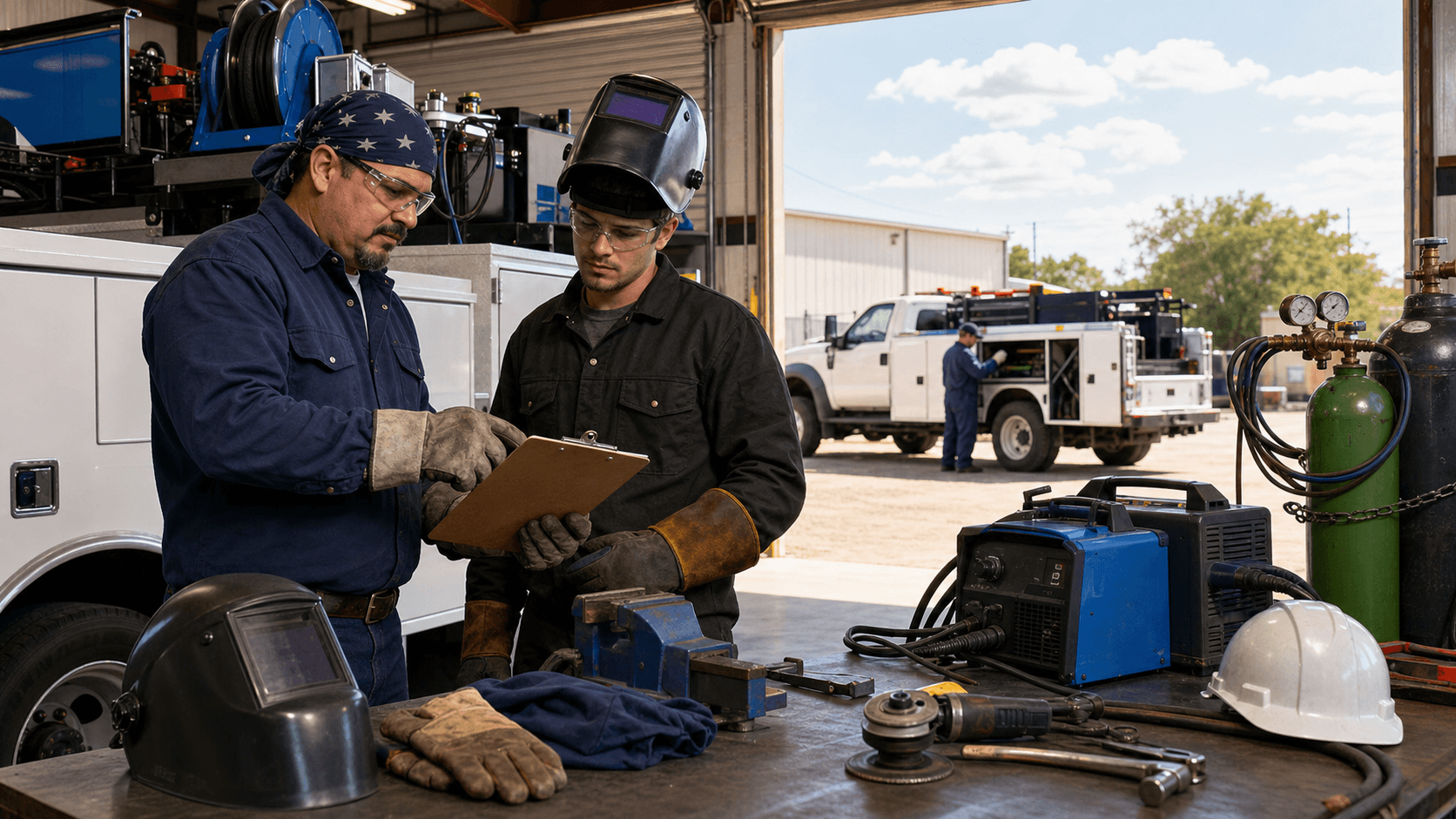
Starting a welding business in Texas takes more than strong welds and a good hood. It takes clear planning so your truck, insurance, licensing, gear, and cash are all lined up before the phones start ringing. When you price your launch the right way, you give yourself room to grow instead of scrambling when a big job shows up.
Across Texas, construction, industrial work, and commercial projects tend to pick up as we move toward summer. That means more opportunity, but also more pressure to be ready for long drives, tight timelines, and strict codes. Texas has its own way of doing things, and clients expect fast, on-site work that passes inspection the first time. A welding franchise model can help bring order to that chaos by giving clear startup plans, standard rigs, and a tested way to handle cash flow.
Skip the Guesswork on Texas Welding Startup Costs
Getting your numbers wrong at the start can slow you down for years. Under-budget and you might stall out right when bigger, better jobs come your way. Over-spend in the wrong places and you end up with shiny gear but no fuel money or marketing.
Texas brings a few special factors that affect budgeting and readiness, especially for mobile work across large regions:
- Long drives between jobs across major metros
- Heat that is tough on people, trucks, and tools
- Clients who expect you to be on-site and ready fast
- Inspections tied to AWS and ASME codes
A welding franchise can also reduce uncertainty early on by tightening up the way new owners buy, set up, and manage the business:
- Standardizing rigs and setups
- Lining up vendor relationships
- Sharing a clear cash flow playbook for new owners
In this guide, we walk through the main cost buckets so you can plan with confidence.
Insurance Costs That Protect Your New Welding Shop
Insurance is the safety net under your business. Skip it or cut it too thin and one bad job can wipe out years of work.
Most new welding businesses start by pricing a small set of core policies, then adjusting coverage based on the types of jobs and clients they take on:
- General liability for property damage or injury claims
- Commercial auto for your welding truck and rig
- Inland marine for tools and equipment on the move
- Workers comp or occupational accident coverage if you have a crew
Texas summers and storm season bring special risks, including heat stress on jobsites, slippery conditions after heavy rain, heavy traffic around the big metros, and tight, busy sites where it is easy for a torch, grinder, or load to damage something. Many new welders try to save money by underinsuring, then regret it when something goes sideways.
You can hunt for policies on your own, or you can work with an insurance pro who knows welding, or plug into a welding franchise structure that already has access to resources designed for this line of work:
- Pre-vetted carriers that understand welding work
- Group programs that can simplify choices
- Recommended coverage limits based on real jobs
To help keep premiums down, it usually comes down to reducing avoidable risk and proving you run a safe operation:
- A clean driving record and regular truck checks
- Written safety procedures and jobsite rules
- Safety training for anyone who steps onto a site
- Limiting the highest hazard work in your first year
Licenses, Certifications, and Code Compliance Budget
Texas does not treat welding like a hobby, especially on structural and pressure work. On the business side, you will likely need to budget time and fees for the registrations and access requirements that let you operate legally and get onto sites:
- Business registration for your company
- Sales tax permits if you are collecting tax
- Local contractor registrations where required
- Site-specific clearances, like refinery orientations or port badges
On the technical side, many commercial and industrial clients expect welding certifications based on AWS or ASME codes. Getting certified to the right procedures takes testing fees and time away from the field, practice on the processes you plan to sell, and clear, written procedures that match what you do in real life.
If you want structural steel or pressure work, being able to show proper WPS and PQR paperwork and pass an audit can be the difference between small repair tickets and larger contracts. A welding franchise can help here by making the documentation and expectations more consistent from job to job:
- Standardizing documentation
- Sharing proven procedures tied to AWS and ASME codes
- Guiding you through what each type of client wants to see
It pays to get this paperwork in order before peak summer build season so you are not stuck watching the bigger projects pass you by.
Trucks, Rigs, and Mobile Setup in Texas Heat
Your truck is your rolling shop. Cut corners here and you will feel it in breakdowns, payload limits, and long days on the road.
A simple mobile setup often includes the core components that let you show up and work efficiently without constant trips back to a shop:
- A 3/4 ton or 1 ton truck
- Welding machine sized for field work
- Generator or welder with generator power
- Leads, torch setup, and air compressor
- Lockable boxes and racks for tools and materials
In Texas, you also have to think beyond the basic build list. The size of the state and the climate can turn "good enough" into expensive downtime if you do not plan for the reality of long drives, heat load, and legal payload.
Key factors to plan around include:
- Long highway drives between cities or across metro areas
- Idling in high heat while running equipment
- Payload for steel, pipe, and gear so you stay safe and legal
You can build your own rig slowly, or you can follow a tested truck and rig spec from a welding franchise that has already worked through the layout decisions that affect speed, safety, and day-to-day wear:
- Layout for safe, fast work
- Weight balance and payload
- Access to the tools you touch every day
Practical ways to control your truck and rig costs include focusing spending on what produces revenue first, while planning maintenance and real operating expenses from the start:
- Phasing gear purchases, starting with what earns money right now
- Buying quality used equipment from trusted sources
- Planning regular maintenance for truck and machines
- Budgeting fuel, tolls, and parking for cities like DFW, Houston, Austin, and San Antonio
Welding Equipment and Shop Tools You Actually Need First
It is easy to get carried away with gear. A smart approach is to separate what you truly need now from what can wait, especially when you are trying to protect early cash flow.
Must-have items for most mobile welders include:
- Field-ready welding machines for SMAW and GMAW work
- PPE like hoods, jackets, gloves, and eye and ear protection
- Grinders, torches, clamps, and basic layout tools
- Inspection tools like levels, squares, and gauges
Nice-to-have later items might be:
- CNC plasma tables
- Large positioners or turning rolls
- Full fabrication shop buildout with heavy equipment
If you plan to run a small shop as well as mobile, you also have to think about infrastructure that keeps people safe, supports your machines, and protects materials from theft and damage. That includes ventilation for welding and cutting, electric power that can handle your machines, and secure storage for steel, pipe, and consumables.
Cheap tools often look good on day one, then fail when you push them on code work. For welding tied to AWS and ASME expectations, professional-grade tools help limit rework and protect your name. A welding franchise can support you with equipment planning that matches what real jobs demand:
- Standard equipment lists that fit real jobs
- Vendor relationships that match brand, model, and price to the work
- A setup that has already been tested in the field
First 90 Days Cash Flow Plan for Texas Welding Startups
The first three months are where many welding businesses either build momentum or stumble. Cash flow planning is not fancy, it is just honest.
In the early phase, you will have recurring expenses that show up whether or not you are fully booked yet:
- Fuel and tolls as you chase bids and run jobs
- Consumables like rods, wire, gas, tips, and discs
- Insurance payments and truck notes
- Storage, basic office costs, and simple software
- Marketing so people know you exist and what you do
Revenue does not show up all at once. Often there is a gap while you land your first paying jobs, and many owners start with smaller residential or repair tickets at the beginning. Larger commercial or industrial jobs can come later, and they often pay slower, sometimes with retainage, which makes planning even more important.
A simple 90-day cash forecast might assume some bids take time to approve, some contractors pay later than you would like, and some days get eaten by travel, site orientations, or weather delays.
Working under a welding franchise flag can help shorten that ramp by giving you more structure around how you win work and how you turn completed work into collected cash:
- Brand power and shared marketing efforts
- Proven pricing methods that keep you competitive and profitable
- Playbooks for estimating, billing, and collections
Turn Your Welding Skills Into a Scalable Texas Business
When you break your startup plan into clear buckets, the leap feels less like a gamble and more like a plan. Insurance, licensing, trucks, equipment, and cash flow all tie together. Miss one, and the rest feel shaky. Get them in sync, and your welding skills can grow into something much bigger than a one-truck shop.
At Weldit, we build our welding franchise model around these real-world startup questions. We focus on clear setups, code-driven work, and mobile services across the major Texas metros so welders can grow faster, safer, and with fewer surprises. As late spring projects gear up, this is the time to map your budget, line up your certifications, plan your rig, and decide whether you want to build solo or plug into a system designed to scale multiple trucks and territories over time.
Launch Your Texas Welding Business With The Right Partner
If this cost breakdown has you ready to build your own welding operation, we can help you skip the guesswork and hit the ground running with a welding franchise model that is already proven across Texas. At Weldit, we provide the structure, brand, and systems so you can focus on welding and building your customer base in those first 90 days. If you are ready to talk numbers, territory availability, or next steps, reach out through our contact us page and we will follow up with details.