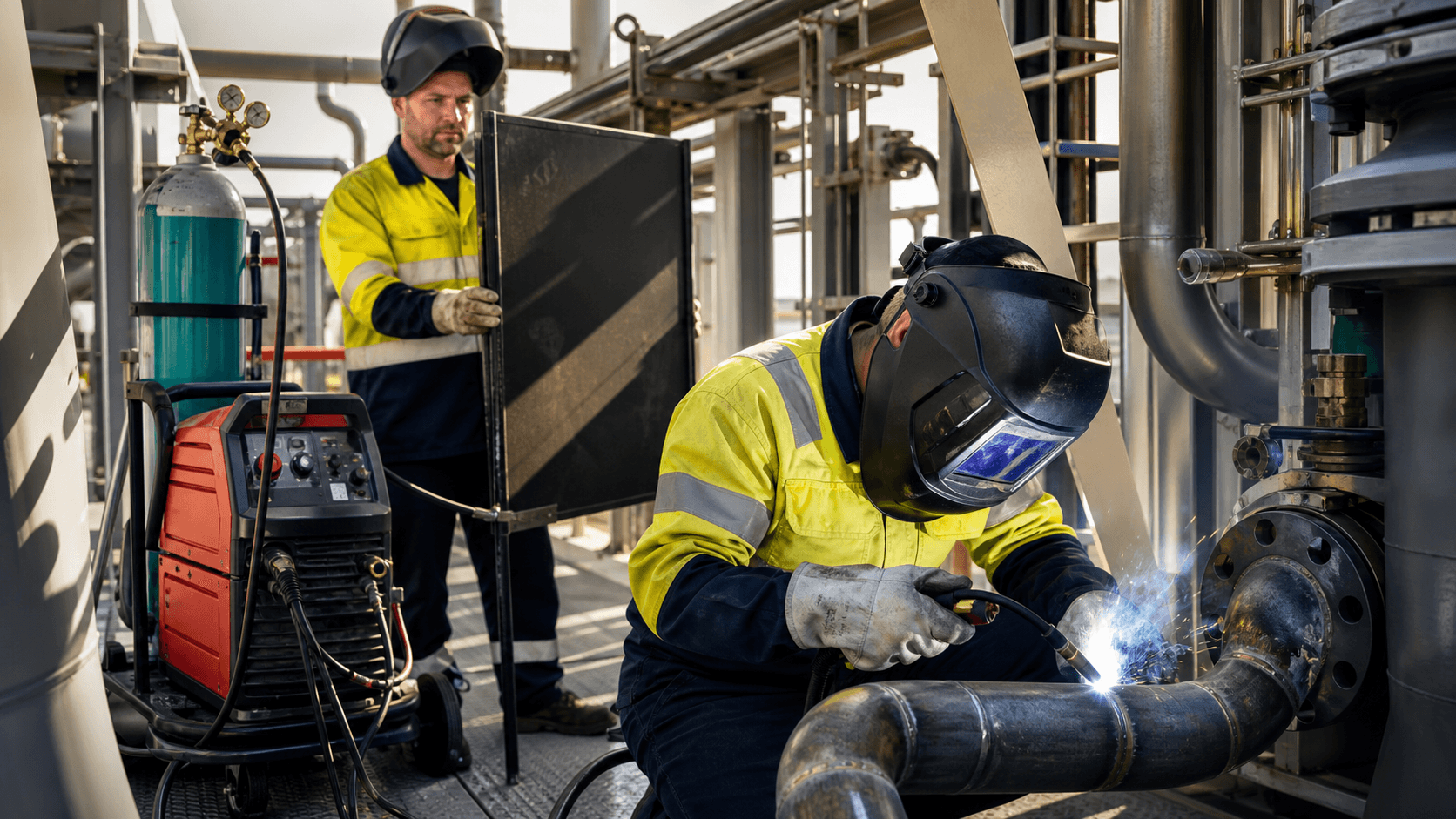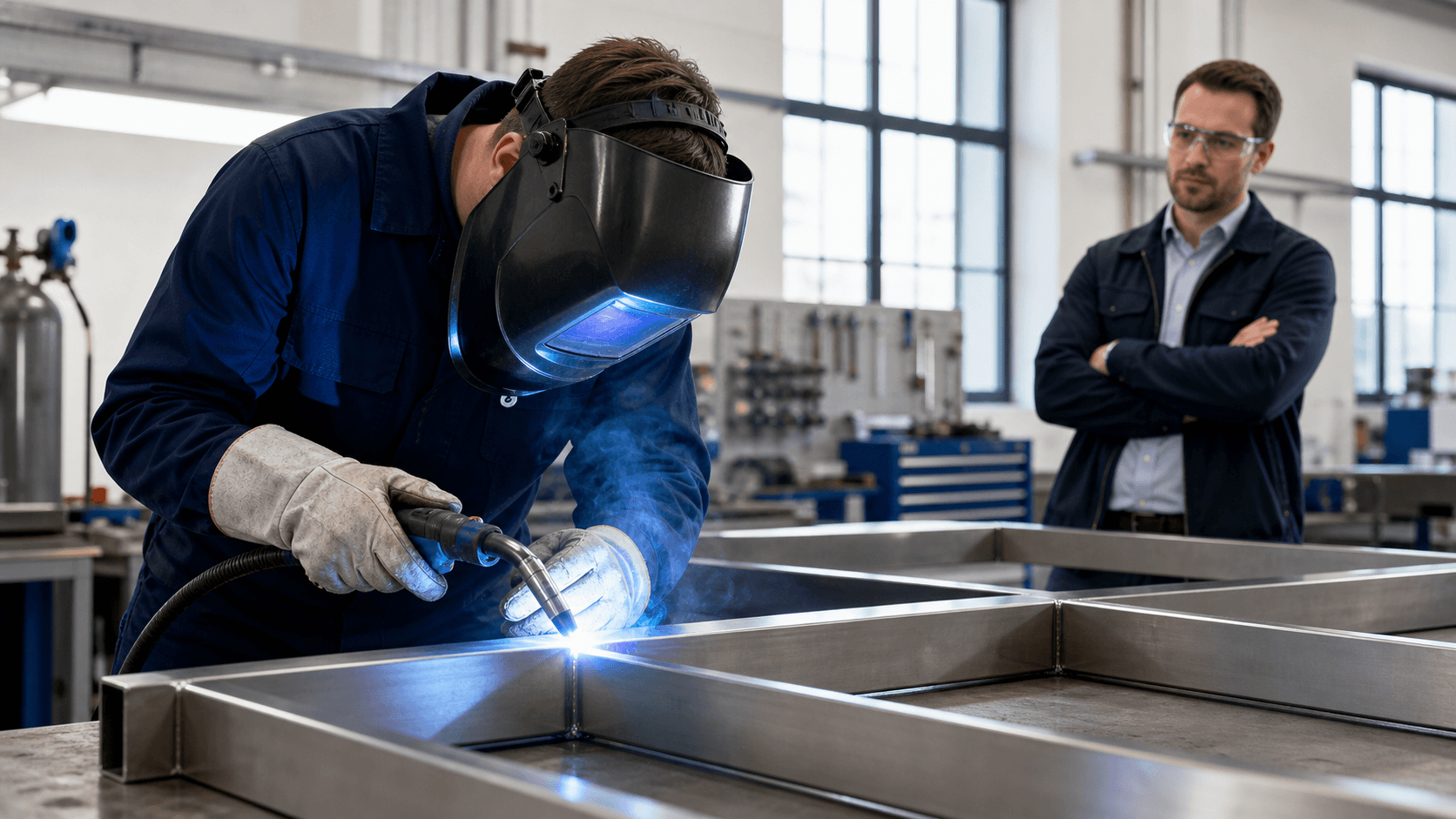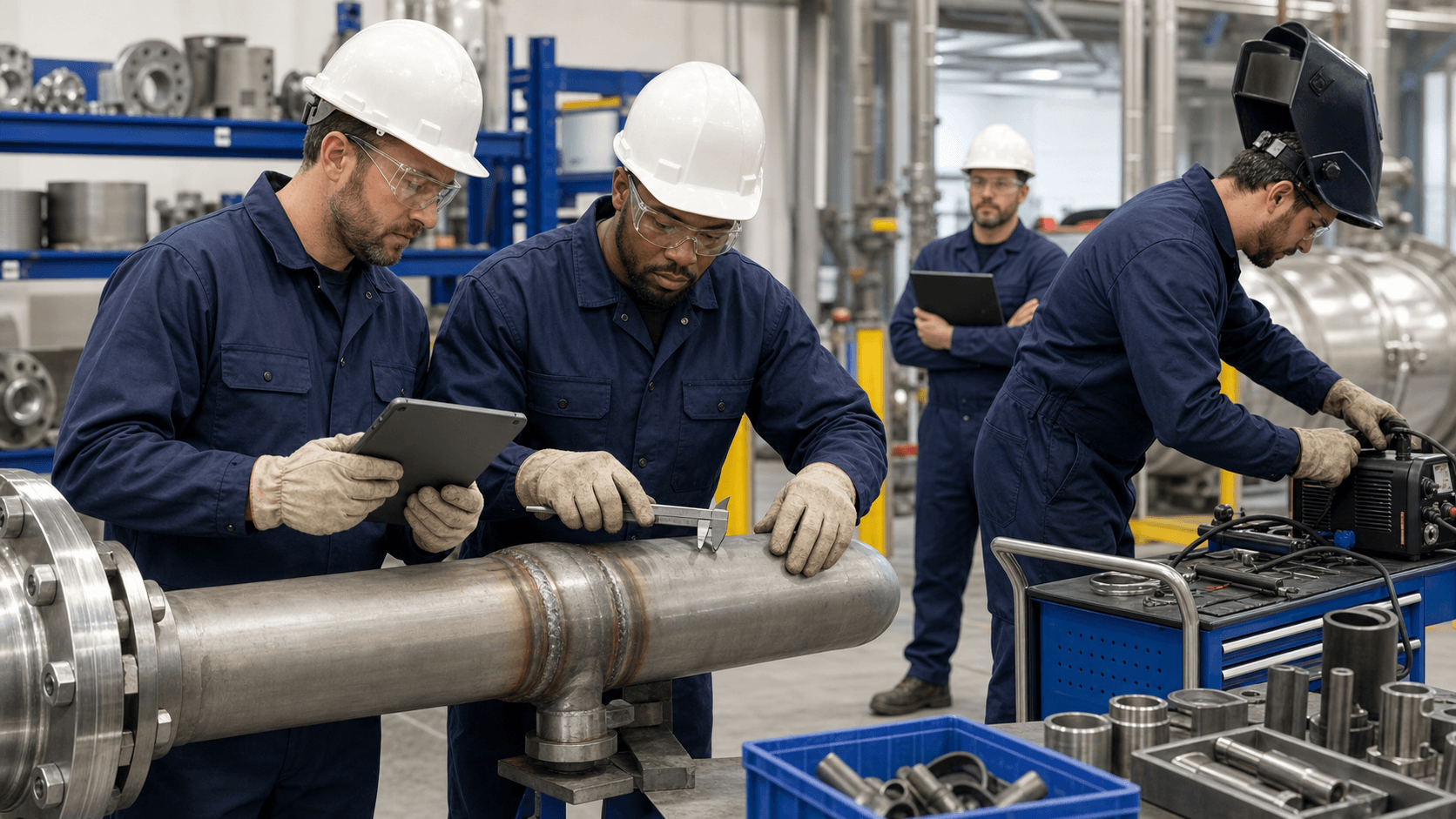
Peak production and hurricane prep are not the time to keep welding the same crack again and again. When the plant is running hard and every hour matters, repeat emergency welds do more than slow you down; they point to a problem that is not being fixed at the source. If a joint, support, or frame keeps failing, the weld is usually the messenger, not the main problem.
We work with a lot of industrial sites around Greater Houston and other Texas metros, and we see the same pattern. A leak or crack shows up, someone calls for emergency welding, the weld gets repaired, then the same area fails again a few weeks or months later. This does not have to be the norm. By focusing on root cause, vibration and support issues, and smart preventive maintenance triggers, plants can cut down on repeat emergency welding repairs in Houston and turn repairs into long-term reliability.
Stop the Cycle of Costly Emergency Welds
When production is ramping up and storm season is on everyone's mind, unplanned outages hurt twice. You are dealing with lost throughput at the worst possible time, added safety risk from rushed work in tight spots, and extra stress on operations and maintenance crews.
If the same welds keep failing, it usually means something deeper is wrong. Common underlying drivers include a design detail that never fit the real loads, a support that is in the wrong place or missing, or operating conditions that changed over time.
Rewelding the crack without asking why it happened almost guarantees another call later. The goal is to turn that emergency into a clue, then fix what is actually breaking the steel.
Finding the Real Reason Welds Keep Failing
Good root cause work does not have to be slow or complicated. In the field, a simple, steady process works best. When we respond to a failed weld, we focus on:
- Gather the history: when it first failed, past repairs, and any changes to the system
- Inspect the full system, not just the visible crack or leak
- Review operating conditions: temperature swings, pressure spikes, and vibration
- Confirm with photos, measurements, and basic checks like levels and gaps
Common hidden causes we see in Houston-area plants include thermal cycling from hot equipment and sun exposure on outdoor piping, process upsets that slam lines or supports harder than they were designed for, and misalignment and poor fit-up that bend the weld every cycle. Repeat failures can also come from using the wrong filler metal or procedure for the base material and service, corrosion under insulation eating away at base metal next to an otherwise sound weld, or load changes after system modifications, new tie-ins, or added equipment.
A key part of stopping repeat failures is documentation. A certified mobile welding team can help by creating:
- Weld maps that show exactly where repairs were made
- Clear photo sets before, during, and after repair
- Basic NDE reports where required, like UT or MT results
This kind of record gives plant engineers patterns to study, so problems get built into change management, capital projects, and PM plans instead of being treated like random bad luck.
Tackling Vibration and Support Before It Breaks Steel
If we had to pick one big driver of repeat weld failures, it would be vibration and support problems. Poor load paths beat up pipe racks, skids, structural members, and rotating equipment bases until something cracks.
Simple field checks go a long way:
- Loose or missing anchor bolts on equipment and structural bases
- Cracked or crumbling grout under pumps, compressors, and skids
- Sagging or twisted pipe supports and shoes that no longer sit flat
- Handrails and platforms that "drum" or buzz when you tap or walk on them
- Expansions and long runs without proper guides or anchors
- Old temporary braces that became "permanent" but were never designed for it
Instead of just welding up the new crack, practical fixes can include:
- Adding or moving supports so the load goes into steel, not into the weld toe
- Installing snubbers or guides where thermal growth or vibration is excessive
- Correcting anchor bolt issues with proper tightening or replacement
- Shimming and regrouting bases to restore flat, solid bearing surfaces
- Coordinating with reliability to address unbalance or misalignment at the source
When the structure and supports are doing their job, welds last much longer because they are not constantly being bent, stretched, or rattled apart.
Using PM Triggers to Catch Problems Before They Crack
Every emergency welding job is a chance to fine-tune your preventive maintenance plan. Instead of filing the work order and moving on, use the event to set triggers that keep eyes on known weak spots.
Some smart steps include adding specific locations to inspection routes (not just generic "pipe rack" notes), setting visual weld and support inspection intervals based on risk and access, and defining clear criteria for when to bring in industrial welding repairs in Houston, such as any sign of distortion, new cracks, or loose support hardware.
For many Texas plants, good PM triggers focus on:
- High-vibration equipment and the steel around it
- Piping near hot equipment or with long outdoor runs in the sun
- Structures, towers, and racks exposed to windstorm loads
- Any component that has had prior emergency repair or code notes in inspections
A welding and fabrication team can help build or sharpen PM checklists that include:
- Simple visual weld checks for cracks, undercut, or distortion
- Support condition checks: slippage, gaps, corrosion, and missing parts
- UT or MT on critical joints where a failure would be high risk
- Coating and corrosion checks, especially where insulation or clamps trap moisture
When these findings are logged with photos and clear notes in your CMMS, the plant gains a live map of stress points instead of waiting for the next break.
Houston Weather, Heat, and Seasonal Stress on Welds
As spring moves toward summer, plants in and around Houston feel the strain. Long hot days, humidity, and storm planning all push systems harder. Welds and supports feel that stress too.
Some assets that often need extra attention include:
- Outdoor structural steel with direct sun, wind, and rain exposure
- Flare lines and vent lines that see both heat and weather
- Cooling water systems with long pipe runs and changing loads
- Pipe racks that see big temperature swings from day to night
- Galvanized or painted steel where coating has chipped or worn away
A pre-summer structural and piping tune-up can make a big difference. With a mobile welding and fabrication crew on-site, plants can fix obvious cracks and loose supports before they grow, add or adjust supports where vibration or movement is visible, and bring problem spots back to code requirements and current standards.
Catching these issues early helps plants move through peak production and storm season with fewer surprises, fewer emergency weld calls, and more control over when and how work gets done.
By treating every emergency weld as useful data instead of just a fire to put out, plants can turn short-term repairs into long-term reliability improvements. A certified mobile welding partner that works both in-shop and on-site with structural steel, piping, skids, aluminum, stainless, and ornamental metals can help connect the dots between root cause, field fixes, and PM programs so emergency work slowly becomes the exception, not the everyday plan.
Stop Repeat Breakdowns With Proven Industrial Welding Repairs
If you are ready to fix the root cause of recurring weld failures instead of just patching the same problems, we can help. Our team at Weldit provides code-compliant industrial welding repairs in Houston backed by vibration, support, and PM-focused solutions that fit your plant's schedule. Whether you need a planned outage scope or 24/7 emergency response, we bring the shop to your site and keep your critical assets up and running. To schedule a walkdown or request a quote, contact us today.