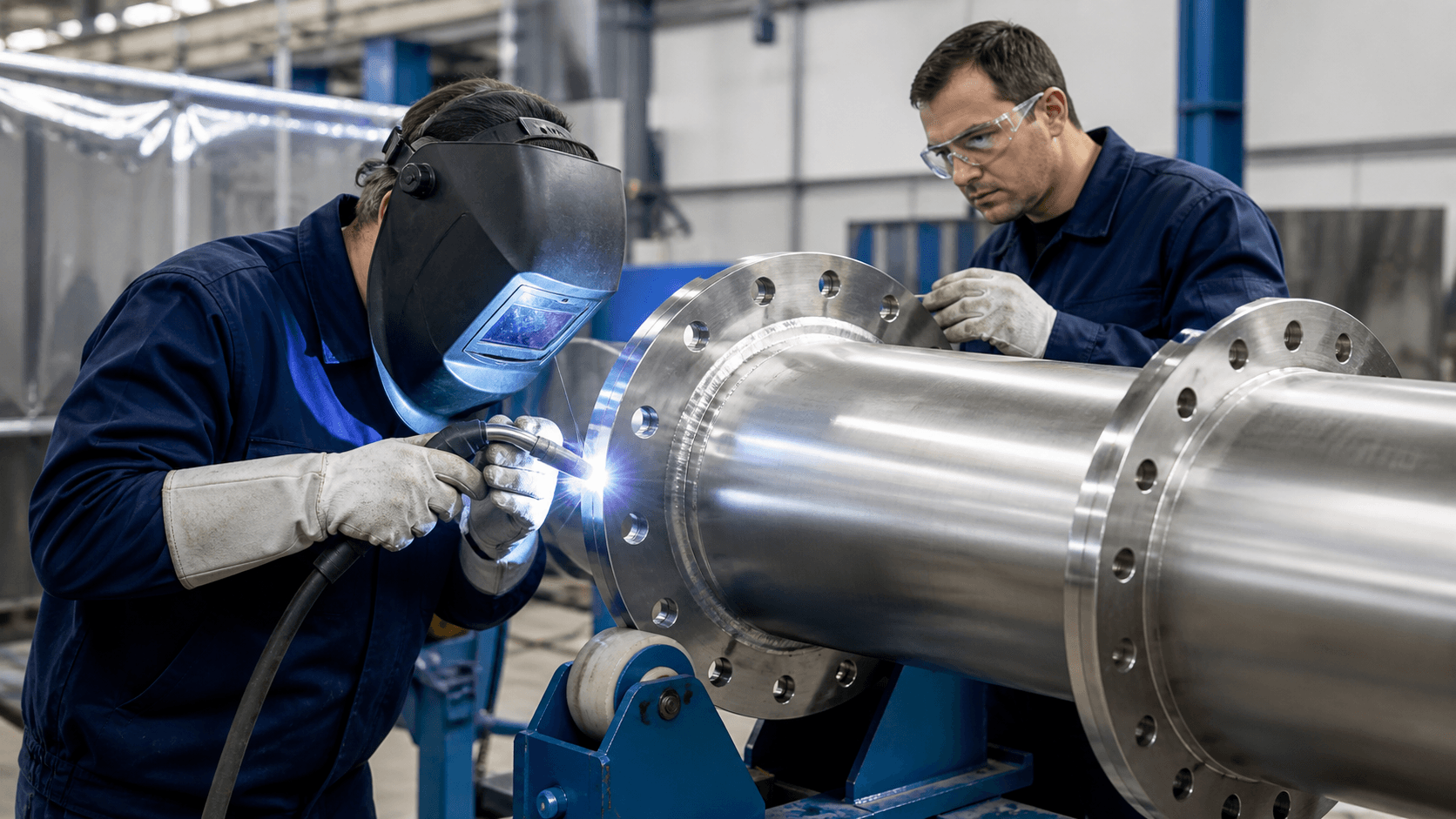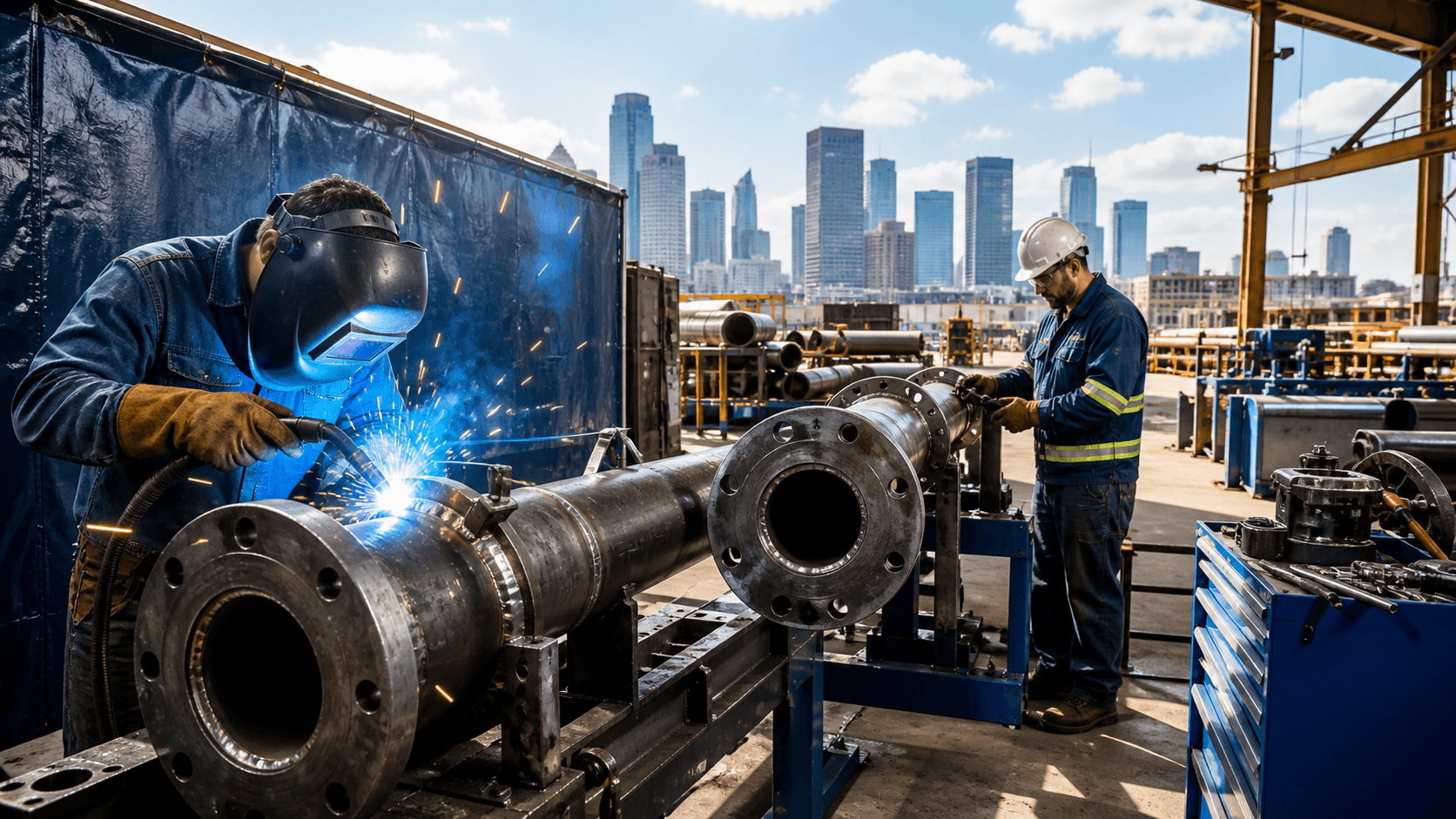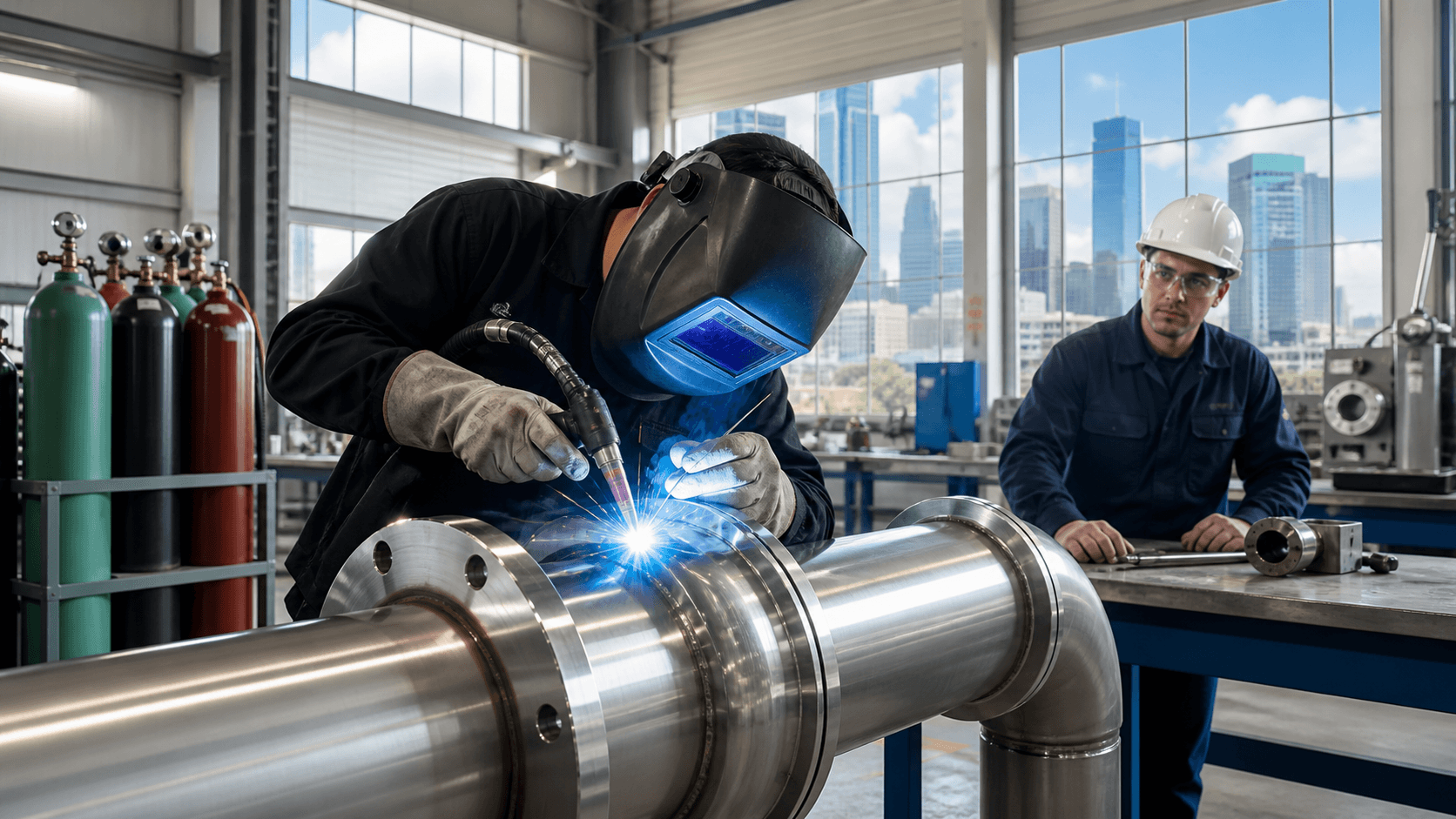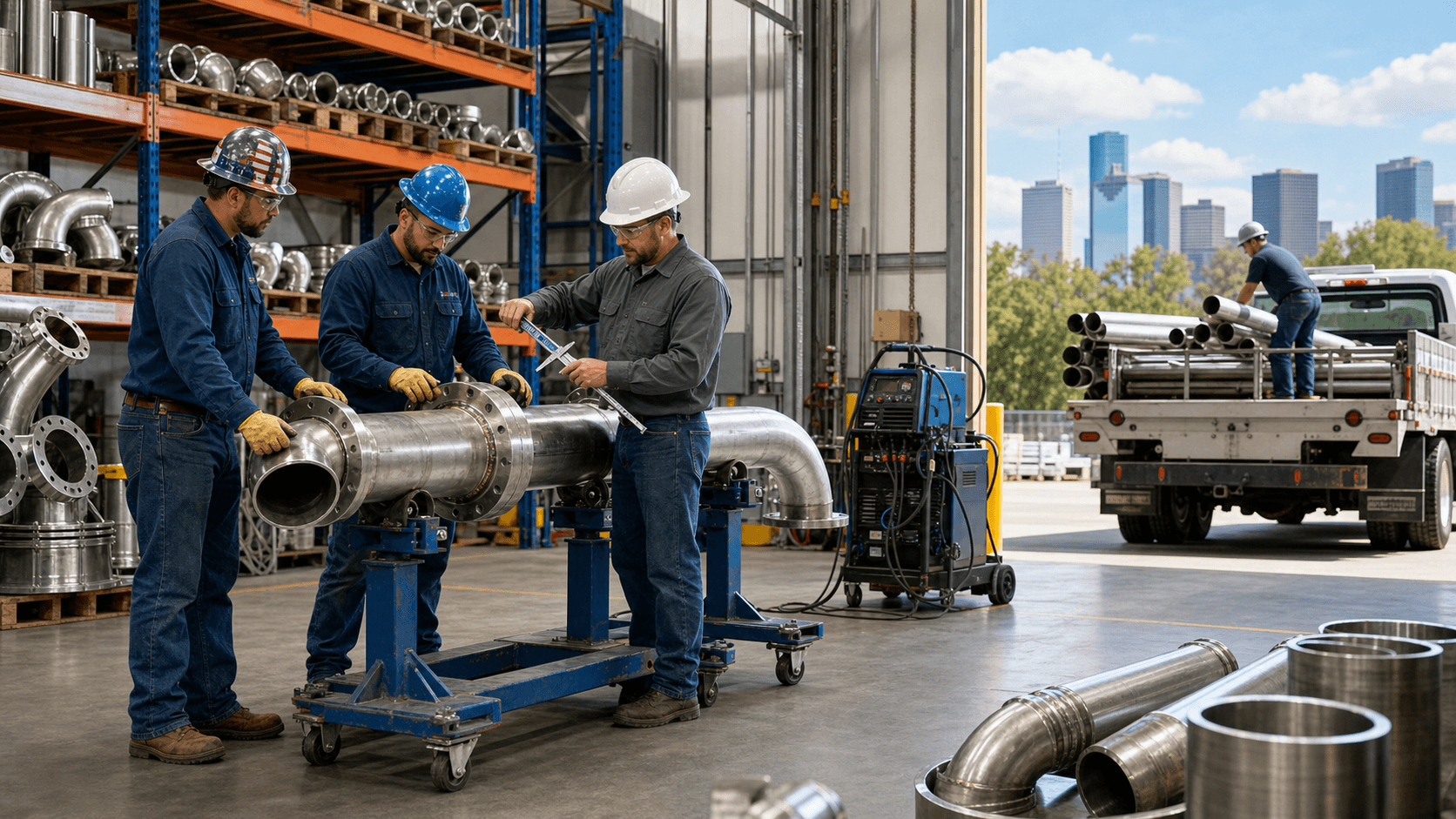
Late spring in Houston is when projects speed up. Plants plan turnarounds, commercial jobs push to hit milestones, and crews feel that squeeze in the calendar. In the middle of all that, there is a quiet decision that can make or break your schedule: do you keep pipe fabrication in-house, or do you hand part of it to a trusted partner?
We see this choice every day on industrial, commercial, and even large residential jobs. The wrong call can drag down your best people, slow the work in the field, and make inspections a lot more stressful than they need to be. Here is a clear look at how in-house pipe fabrication in Houston really plays out, what risks often hide in the background, and when it makes sense to pull in a mobile welding and fabrication crew to back you up.
Rethinking Pipe Fabrication for Houston's Growth Season
Late spring and summer across Houston usually mean more work in less time. Turnarounds, shutdowns, tenant build-outs, mechanical upgrades, and process changes all stack up at once. Schedules tighten, scopes shift, and everyone from project managers to foremen is pushed to move faster without losing quality.
In that rush, the choice between in-house and outsourced pipe fabrication in Houston can decide whether you stay on track or chase problems. When you keep all fabrication under your own roof, you might think you are saving time and keeping control. But if your shop is already stretched, that decision can:
- Pull experienced people off priority field work
- Create delays when one shop feeds several sites
- Increase stress around inspections and documentation
From our seat as a mobile welding and fabrication team working across Texas, we see both sides: nice, well-set-up shops and improvised spaces that are trying hard to keep up. Houston's heat, humidity, and regulatory demands only raise the stakes.
Hidden Costs of Keeping Pipe Fabrication in-House
On paper, in-house pipe fabrication looks simple. You already have people, a shop, and tools. But during the busy season, hidden costs start to show.
First, there is labor and opportunity cost. When your best welders and fitters spend long days in the shop, they are not:
- Handling critical tie-ins in the field
- Solving last-minute layout problems on-site
- Supporting punch-list work right before start-up
That can lead to overtime, burnout, and more pressure to bring in short term help that still needs training and supervision.
Second, there is the ongoing overhead of the facility and equipment. A Houston-area shop needs:
- Reliable welding machines, positioners, and lifting gear
- Ventilation, air conditioning, and fume control that actually works
- Up-to-date safety gear, QA tools, and consumables ready to go
Keeping all of that in good shape takes time and management focus. If those pieces slide, quality can drop just when your schedule is tightest.
Scheduling can become its own bottleneck. One internal shop feeding multiple jobs can run into:
- Queues for hot work that every superintendent says is "top priority"
- Rushed fit-up that leads to rework later
- Downtime when inspections or NDE catch code issues after the fact
All of that chips away at the schedule confidence you need during peak season.
Quality and Compliance Risks in a Hot, Fast-Moving Market
When everything is moving fast, quality and code compliance can feel like one more thing to juggle. But for process piping, supports, and structural tie-ins, they are not optional.
You may be working across several standards at once, like ASME or API requirements plus owner specifications and project structural details. If your in-house QA team is already loaded, it is easy to miss:
- Correct use of approved WPSs and PQRs
- Welder continuity and qualifications for specific processes and positions
- Proper traceability for materials, consumables, and weld records
Houston heat and humidity bring their own challenges. In improvised or under-cooled shop spaces, welders tire out faster and consumables need more careful handling. Poor storage, lack of climate control, or uneven air flow can affect:
- Weld appearance and soundness
- Distortion and fit-up
- Coating and prep work before and after welding
Inspection and documentation can also slow a project at the worst time. Missing weld maps, incomplete reports, or unclear procedures can stall start-up, delay client approvals, or lead to costly cut-outs and rewelds right before a key milestone.
When Local Pipe Fabrication in Houston Makes Sense
Keeping fabrication in-house is not always a bad choice. There are times it is the smartest path, especially if you keep the scope clear and realistic.
In-house pipe fabrication in Houston often makes sense when:
- You have small bore repairs that need quick turnaround
- You are dealing with one-off spools or simple utility lines
- The lines are low risk and mostly about getting services from point A to point B
Having your own shop tied closely to your field crews can help with:
- Fast field measurements and tweaks
- Close coordination between engineers, fitters, and welders
- Responding to minor design changes without losing days waiting on outside support
For in-house work to hold up under client and regulatory review, your facility should have:
- Qualified welders with current certifications
- Clear, written procedures and WPSs that people actually follow
- Calibrated equipment and tools with records
- Environmental controls that keep conditions steady enough for consistent work
- A quality program strong enough to stand up during audits or pre-startup reviews
When those pieces are in place, in-house fabrication can be a strong tool, as long as the volume and risk level fit your capacity.
Advantages of Partnering with a Mobile Fabrication Specialist
There are times when adding a mobile welding and fabrication partner is the smarter choice. A good partner works with your in-house team, not against it.
With a hybrid shop field model, a mobile crew can:
- Prefab spools, headers, and supports
- Roll right to your site for fit-up and tie-ins
- Keep field weld counts down by doing more in a controlled setup
During peak season, outside pipe fabrication in Houston helps smooth the workload so your in-house team does not have to carry everything at once. You can shift:
- High volume or higher risk welds to a partner
- Time consuming shop work off your schedule
- Some documentation and code compliance tasks to people who handle them every day
When one team takes responsibility for weld quality, records, and timing on their scope, it reduces finger pointing and gray areas. That kind of partner brings proven procedures and code conscious methods from many project types, from industrial sites to commercial builds and larger residential metalwork.
A Practical Checklist Before Your Next Pipe Fab Decision
Before you decide what to keep in-house and what to farm out, it helps to ask a few simple questions:
- Do you have enough qualified welders and fitters for both shop and field?
- Can your current shop environment support the quality level your client expects?
- Is your documentation system ready for audits, turnover, and long term records?
- What is your plan if a critical weld fails inspection days before start-up?
From there, a simple scorecard can help. You can rate each scope on:
- Size and complexity of the work
- Risk level if something has to be cut out and redone
- Timeline pressure and milestones tied to that piping
- How much supervision and QA attention it will need
Higher risk, higher volume, and high pressure work often belongs with a dedicated mobile fabrication team, while smaller, simple jobs can stay in your shop. At Weldit, we live in both worlds every day, bridging shop quality with mobile crews that know how Houston projects really run. By being honest about capacity and risk up front, you can build a mix of in-house and partnered fabrication that keeps your projects moving and your crews focused where they deliver the most value.
Keep Your Houston Pipe Projects On Schedule With Mobile Fabrication Support
If in-house capacity or shop delays are putting your schedule at risk, our mobile crews can step in to handle code-compliant pipe fabrication in Houston directly at your site or in our shop. At Weldit, we align with your contractors, plant managers, and project leads so field fit-up and tie-ins stay on track. Tell us about your upcoming project timelines and specs through our contact us page so we can quote the field-ready support you need.