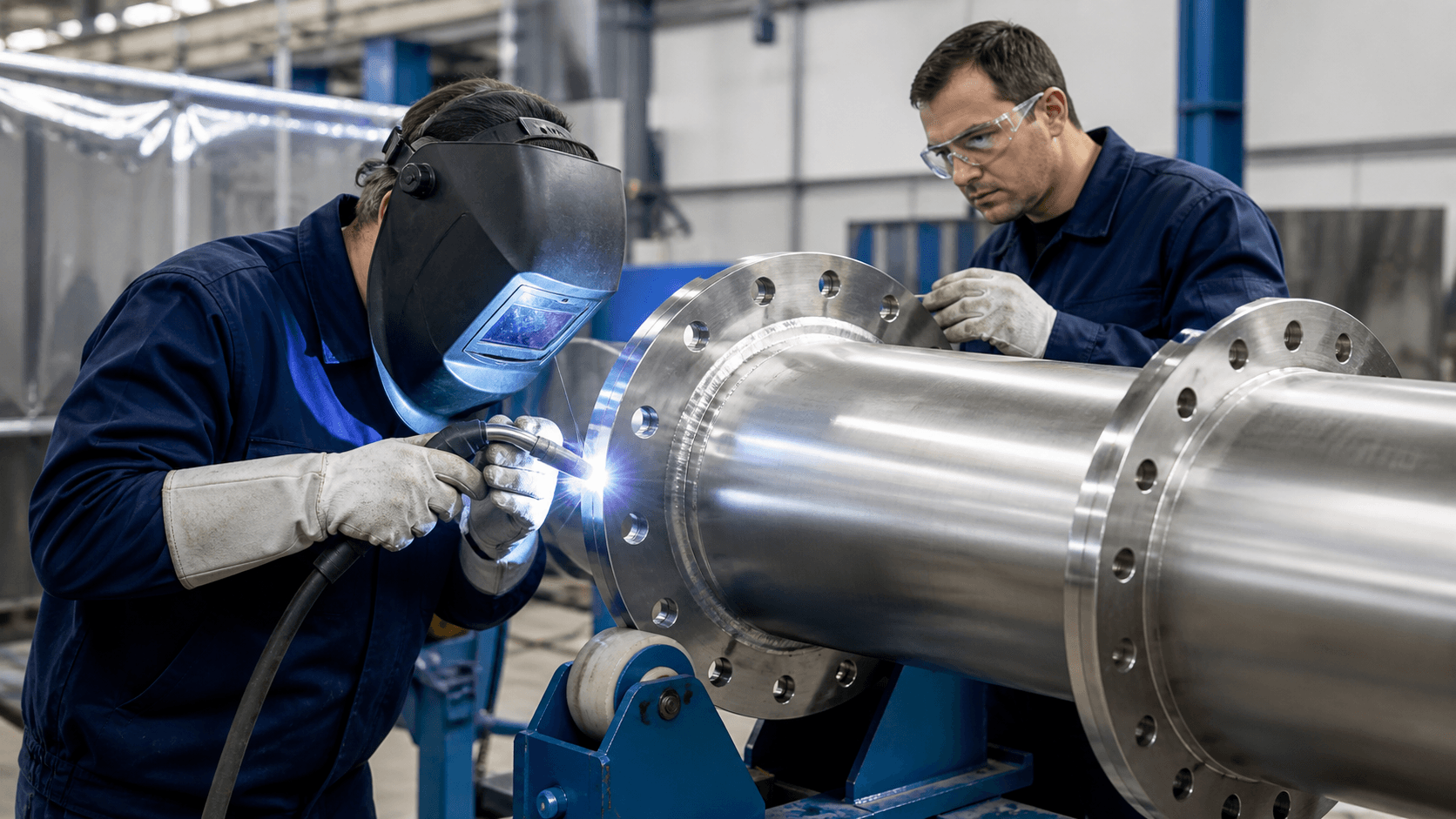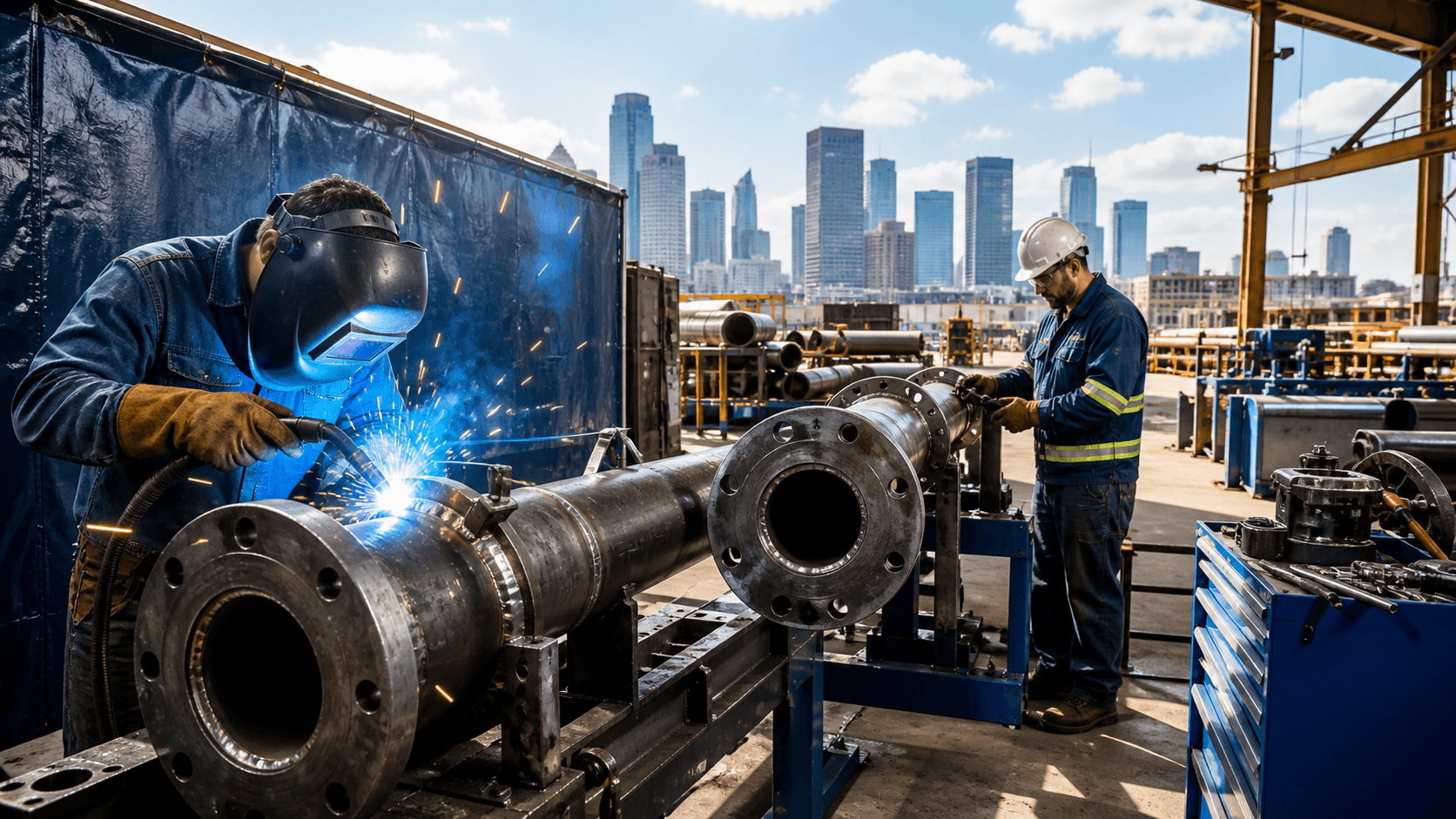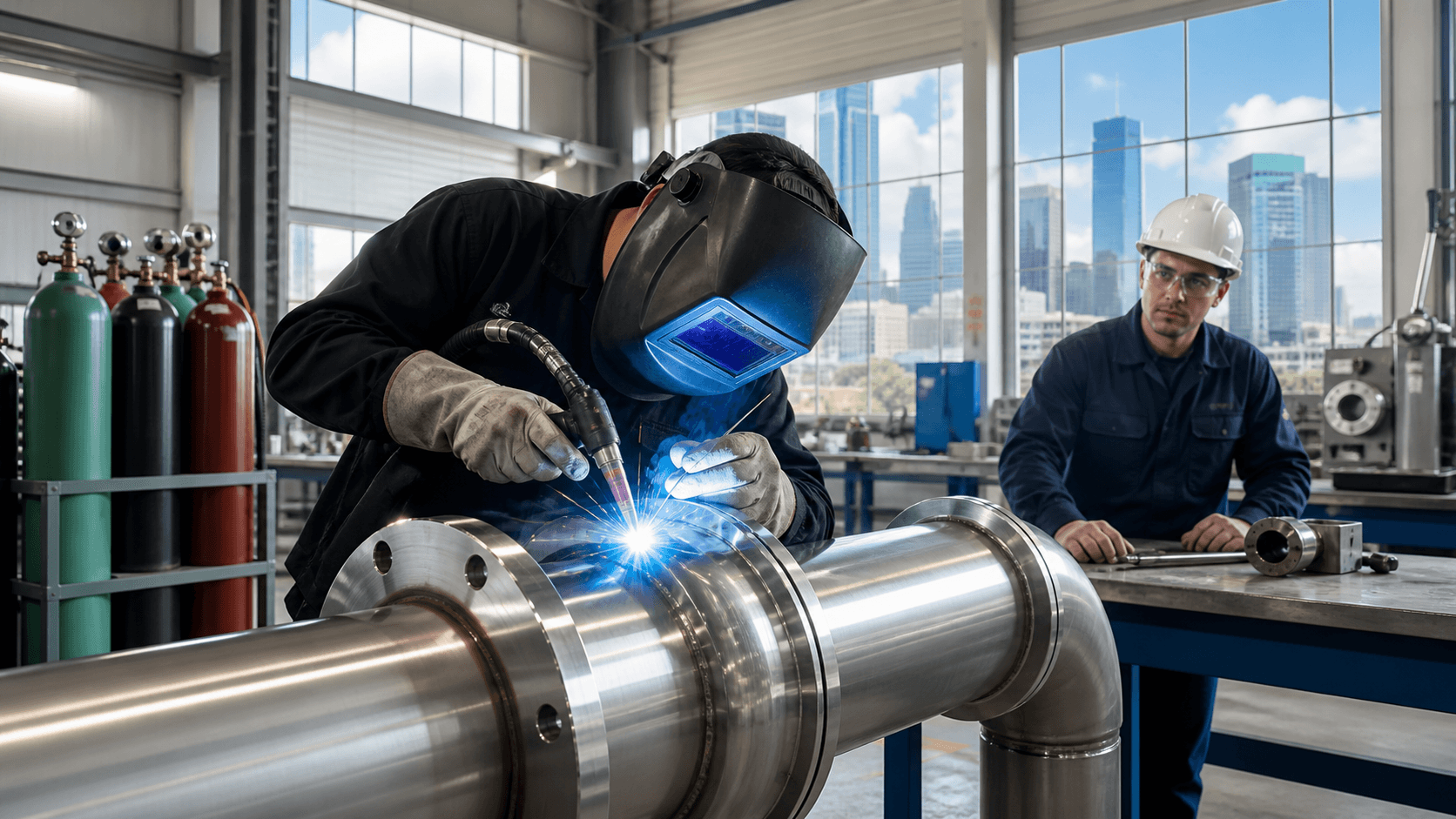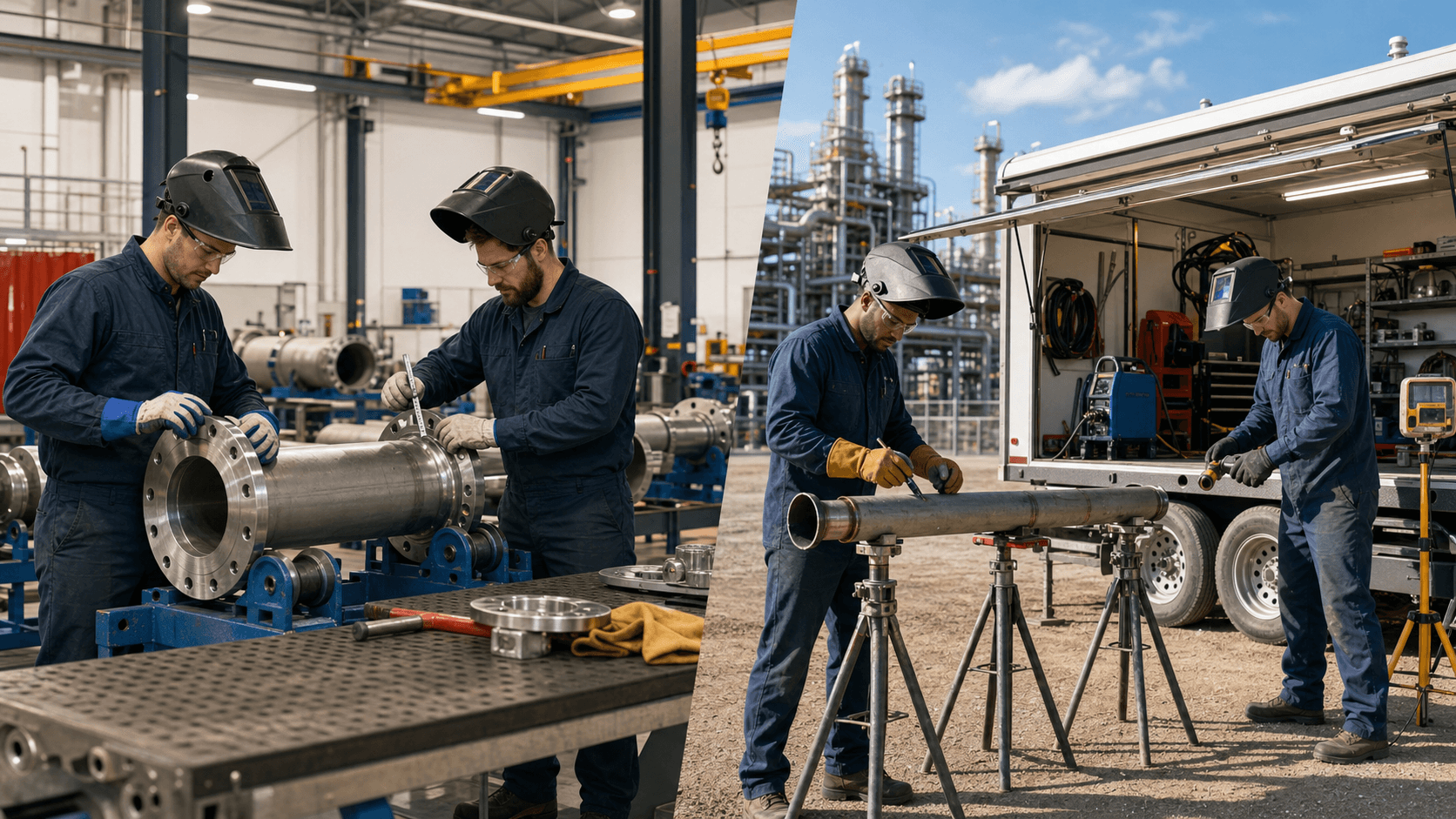
Rethinking how you handle pipe spooling can have a big impact on your schedule, stress level, and overall project risk. When you are trying to keep a plant online, finish a tenant build-out, or hit a shutdown window, the way those spools get built and installed really matters. The choice is not only about who strikes the arc, it is about where the work happens and how quickly you can respond when the real world does not match the drawings.
Across Texas, late spring and early summer are when industrial turnarounds, expansions, and commercial work all stack up. Crews are busy, sites are tight, and downtime hurts. This is exactly when in-house pipe spooling can start to drag, with schedule overruns, constant coordination calls, and change orders that feel never-ending. So it is worth asking: when does it actually make sense to keep all pipe spooling in the shop, and when does it pay to bring certified mobile pipe fabrication right to the jobsite?
Rethinking Pipe Spooling for Texas Projects
Many teams are used to a traditional path. Design sends drawings to the shop, the shop spools everything they can, trucks haul spools to the field, then the field crew fights the last 10 percent to make it all work. That process can work, but it often comes with headaches like:
- Spools that do not quite fit because other trades shifted their work
- Delays while the shop squeezes your change order into a full schedule
- Extra handling and storage on a site that is already crowded
On top of that, any late routing change can ripple through the shop. By the time corrected spools come back, your window may be gone. For industrial sites and large commercial projects around Houston, Dallas, Austin, and San Antonio, the question becomes less about habit and more about risk: do you really need every spool built in-house, or can mobile pipe fabrication on-site give you more control?
As a mobile welding and fabrication contractor, we see both sides up close. Our goal is not to say one method is always better, but to help you see where each one fits so your projects move with fewer surprises.
How in-House Pipe Spooling Really Impacts Your Budget
Shop fabrication can look simple on paper. You send drawings, you get spools. But behind that are a lot of hidden pieces that affect your budget even before the first weld hits the site. Common shop cost factors include:
- Labor for layout, cutting, fit-up, and welding
- Machine and tool overhead, including maintenance and idle time
- Shop utilities and QA/QC staffing
- Moving, staging, and storing finished spools until the site is ready
Then you add freight, rigging, and on-site handling. Every time a spool is lifted, shipped, or re-staged, there is more time and more chance something gets damaged or misplaced.
The bigger hit comes when the design keeps moving. A clash with cable tray, a new piece of equipment, or a last-minute route change can turn finished spools into scrap or rework. That can mean:
- Cutting up "finished" spools in the field to make them fit
- Sending them back to the shop, waiting for revisions, then paying for another delivery
- Extra coordination meetings as teams try to reshuffle priorities
When shop schedules, field schedules, and design updates are out of sync, your project clock keeps ticking. During peak work seasons in the major Texas metros, long shop lead times can push start dates and squeeze already tight outage windows.
What Mobile Pipe Fabrication Delivers on Active Sites
Mobile pipe fabrication flips that script. Instead of pushing everything through a distant shop, certified welders, tools, and QA/QC support come to you. On active industrial and commercial sites, this can remove whole steps from the process.
On-site pipe fabrication can help you:
- Cut down on freight and heavy deliveries of finished spools
- Make real-time field fit changes as you discover clashes or tight spots
- Coordinate with other trades face to face while everyone is on the same deck or floor
Because the team is right there, design tweaks can be handled in hours, not days. If an elbow needs to shift or a tie-in height adjusts, the change happens with the pipe in front of you, not in a queue at a shop across town.
Quality and compliance still stay front and center. Welds can be completed to code, material heat numbers can be tracked, and testing can be handled on-site with clear documentation. This helps cut down on the risk of a truckload of spools arriving, failing inspection, and freezing the critical path while you sort it out.
Comparing Speed, Safety, and Flexibility in the Field
With in-house spooling, your project often follows a straight line: design, shop fabrication, ship, then install. Each step depends on the last being fully finished. If something slips, the whole chain stretches out. That can be tough when your shutdown or tenant turnover date is fixed.
Mobile pipe fabrication lets more of the work overlap. As soon as areas are released and real field dimensions are known, spools can be built and installed almost in the same breath. This can pull time out of the schedule without forcing your design team to lock every detail too early.
There are safety and congestion benefits too:
- Fewer large truckloads of finished spools showing up all at once
- Less need for big laydown areas on already tight sites
- Reduced rigging and re-staging of bulky assemblies around active work zones
In Texas heat and long daylight hours, flexible phasing also matters. Mobile teams can adjust work blocks around hot work permits, access limits, and other trades. If one area is held up, they can shift to another, instead of sitting idle waiting on the next truck from the shop.
Deciding When in-House Spooling Still Makes Sense
In-house spooling absolutely still has its place. Some piping scopes are predictable and repeat the same runs many times. Typical examples include:
- Straightforward, repetitive runs on greenfield projects
- Standard utility lines where the layout is not likely to change
- Facilities that already own and staff a shop and keep it steadily busy
The judgment call comes when you add real-world pressure. To decide, it helps to ask:
- Is the design locked in, or is it still shifting with equipment and trade coordination?
- How tight is the site, and do you have space to store finished spools?
- What happens if you miss your outage or turnover date?
- How tight is access to qualified pipe fabrication in Houston or other nearby markets when your work peaks?
For many teams, a hybrid path works best. Use your in-house shop for long, repetitive spools that are unlikely to change. Bring in mobile pipe fabrication for complex tie-ins, tricky routing, late changes, and peak season shutdown work where schedule risk is highest.
How Weldit Supports Your Next Texas Piping Project
When we step onto a site, our first goal is to understand how your design team, in-house shop, and field supervisors are already working. Mobile welding and pipe fabrication should not replace what is working, it should fill the gaps that keep giving you headaches.
A simple way to think about it is to sort scopes into three buckets:
- Stable, repetitive runs: a good fit for in-house spooling
- Field-fit heavy or congested areas: a strong case for mobile fabrication
- High-risk tie-ins and shutdown work: often best handled with a mobile team on standby
By mixing these approaches, you keep the flexibility of pipe fabrication in Houston and other Texas metros close at hand, while still getting value from any in-house capacity you already have. That balance is what helps keep projects on track when the schedule is tight, the heat is up, and the work just has to get done.
Keep Your Pipe Projects On Schedule With Mobile Fabrication Support
If you are weighing in-house spooling against mobile solutions, our team at Weldit can step in where you need us most with certified pipe fabrication in Houston. We bring qualified welders, procedures, and equipment directly to your facility or jobsite so you can reduce rework, field fit-up issues, and downtime. Tell us about your next shutdown, expansion, or fast-track project and we will tailor a mobile fabrication plan that fits your schedule and QA requirements. Ready to talk details and timelines today? Just contact us.