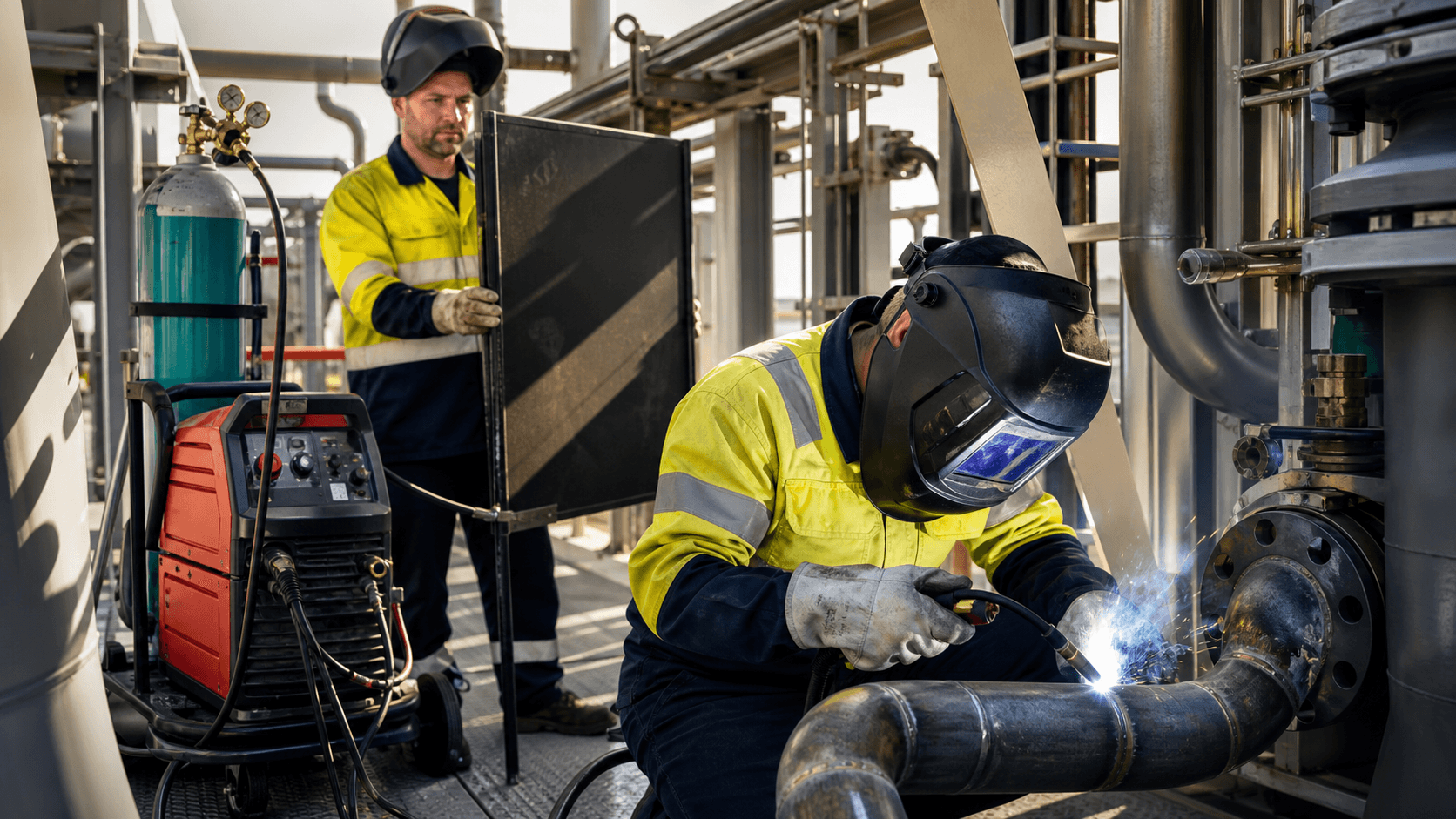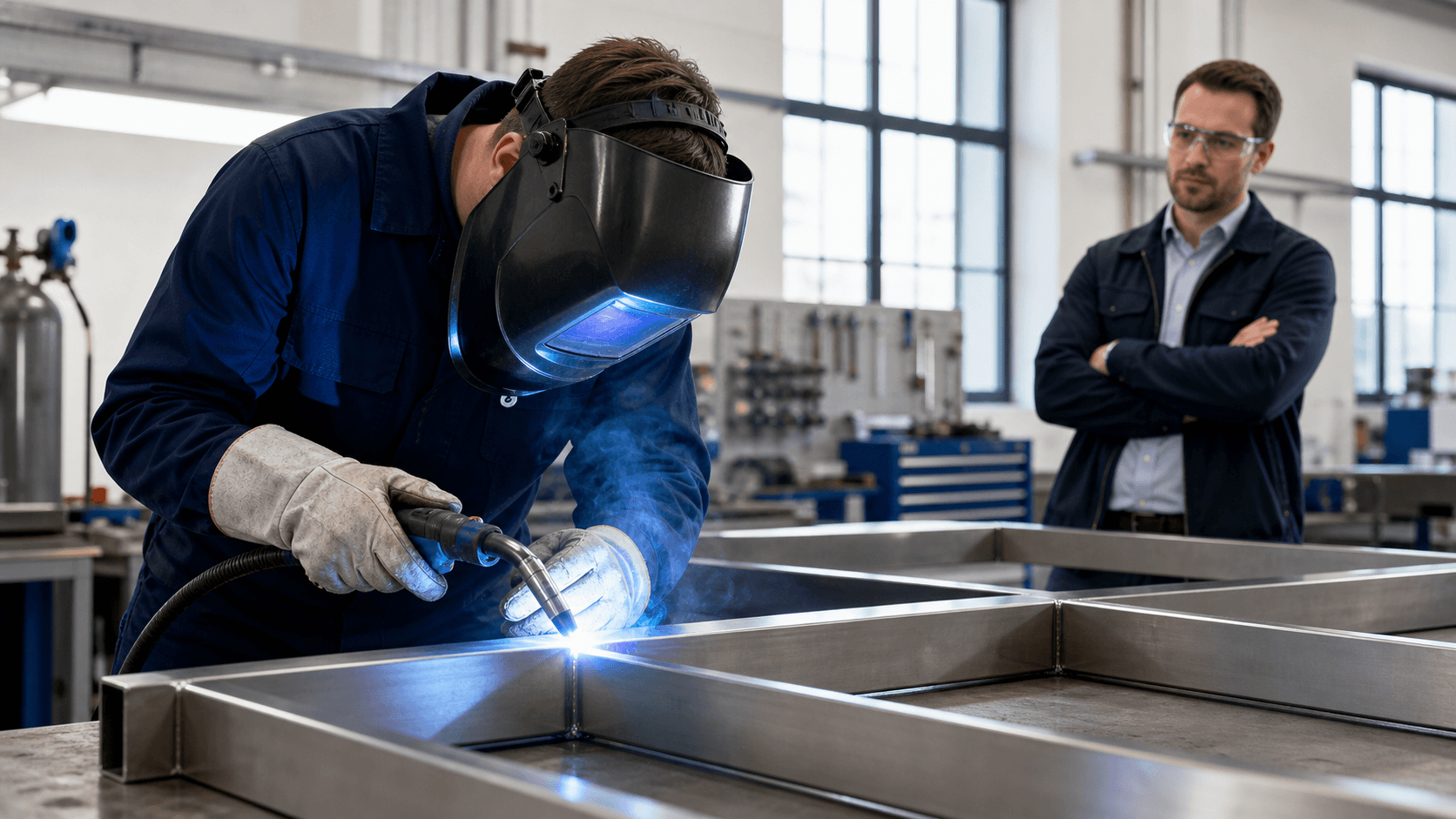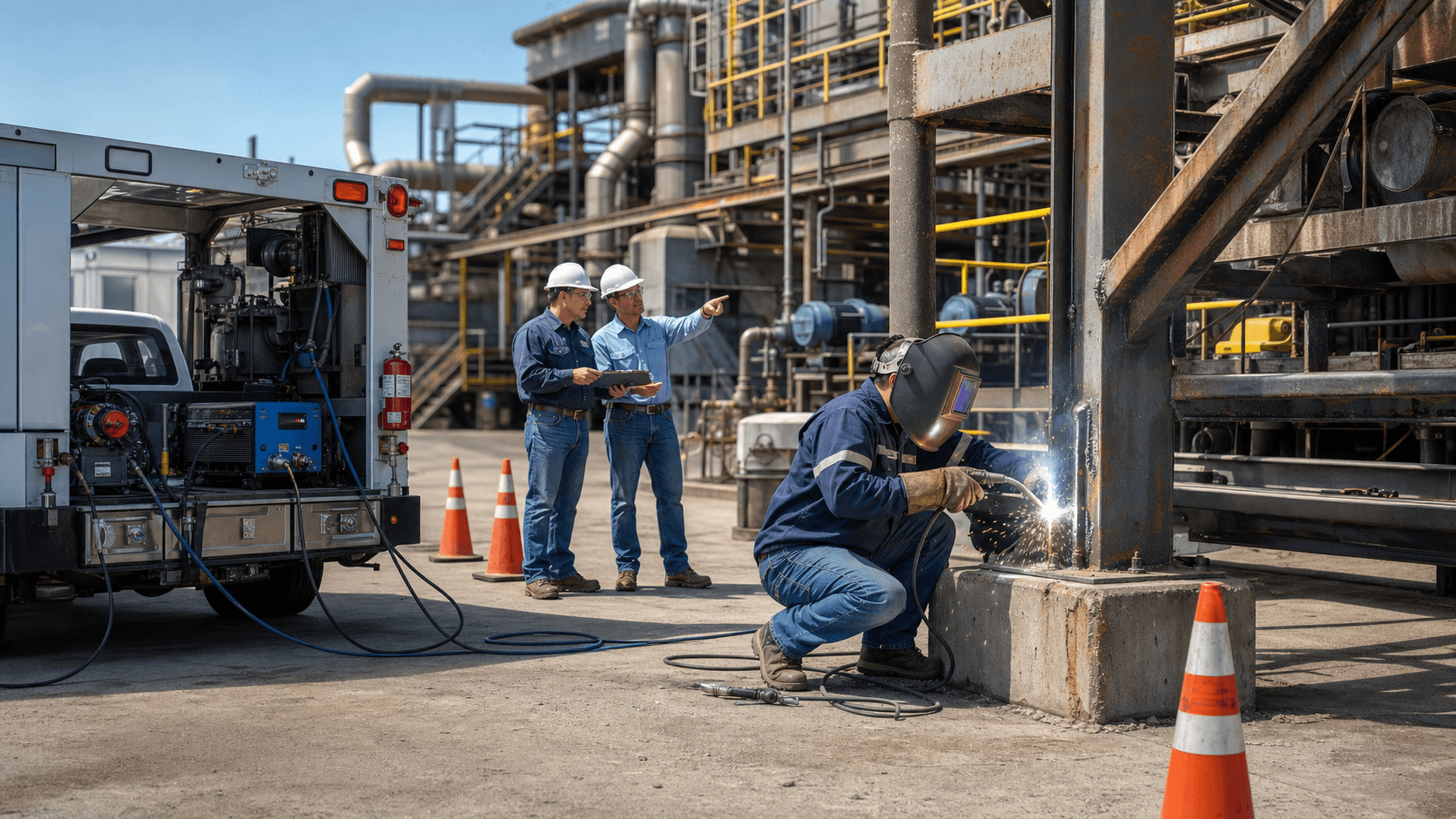
Your facility does not stop just because a weld cracked or a frame failed. When a key beam, handrail, or equipment base gives out, production slows, people are at risk, and stress goes up fast. Onsite mobile welding is about bringing the fix to the problem, instead of dragging the problem somewhere else.
In this guide, we are going to walk through clear signs that your Houston operation is ready for onsite mobile welding support. We will talk about visible damage, corrosion in our Gulf Coast climate, repeating failures, layout changes, and what to look for in a welding partner so small issues do not turn into long shutdowns.
Keep Downtime Low with Fast Onsite Repairs
Onsite mobile welding means certified welders show up at your plant, yard, or jobsite with welding machines, tools, and materials ready to go. Work happens where the damage is, whether that is in a tight corner of the warehouse or on a platform three stories up.
This matters a lot in Houston's industrial, energy, and logistics scene, where:
- Production runs hot during summer
- Hurricane season adds pressure on structures and schedules
- Any unplanned stop can ripple through shipping and customers
When a cracked frame or broken rail stops a line, every minute counts. Having a mobile welding team you already trust lets you move from "we have a problem" to "we have a repair plan" much faster. The key is spotting the warning signs early.
Visible Damage You Cannot Ignore Any Longer
Some problems are easy to see; they just get pushed to the bottom of the list until it is too late.
Cracked or Distorted Structural Steel
Walk your facility and look up, not just down. Warning signs include:
- Fatigue cracks in beams or columns
- Bent supports under racks or equipment
- Warped brackets or gussets around heavy loads
- Deep rust or flaking metal on key members
Putting off these repairs can lead to structural movement, safety concerns, and surprise shutdowns, especially when HVAC systems are shaking the steel and summer storms push against roofs and walls.
Damaged Safety Barriers, Railings, and Guardrails
Loading docks, parking structures, and plant aisles take hits from forklifts and trucks. Watch for:
- Loose or wobbly handrails
- Broken or missing toe boards
- Bent bollards that no longer protect doors or equipment
- Cracked welds on safety cages or gates
These are not "someday" repairs. They are tied directly to worker and visitor safety and to OSHA expectations. Onsite mobile welding lets you shore up these systems in place, usually without blocking the whole area for long.
Failing Platforms, Catwalks, and Ladders
Access systems are easy to overlook until someone feels them move underfoot. Signs of trouble include:
- Loose treads or grating panels
- Cracked welds at ladder connections or platform joints
- Soft or heavily corroded spots along walk paths
- Platforms that shift, bounce, or rattle under load
With onsite welding support, these repairs can happen right where the structure hangs, even in hard-to-reach plant areas, without tearing down entire assemblies.
When Wear, Corrosion, and Heat Start Winning
Metal does not fail overnight. It loses the fight slowly to moisture, chemicals, and heat, especially in our Gulf Coast environment.
Houston Humidity and Coastal Corrosion
Gulf air is tough on steel, even miles from the water. Look around tank farms, docks, and outdoor storage for:
- Rust spreading from welds or joints
- Flaking, scaling, or bubbling metal
- Pinholes or perforations in tanks, chutes, or hoppers
- Thinning railings or stairs where hands and feet land every day
Onsite mobile welding lets you cut out bad sections and rebuild in place before corrosion forces a shutdown or replacement.
High-Heat and Heavy-Cycle Equipment Fatigue
Boilers, ovens, furnaces, and heavy production lines see constant heat and vibration. Warning signs include:
- Hairline cracks at the edges of welds
- Frames that drift out of alignment
- Extra vibration or new rattling noises
- Fastener holes that keep elongating or tearing out
These are calls for a weld inspection, not just another bolt or shim.
Seasonal Stress During Peak Summer Loads
Summer brings longer shifts, heavier loads, and hurricane prep. All of that pulls harder on existing welds and metal structures. Planning preventive onsite welding before your peak season lets you:
- Reinforce supports and frames
- Address known cracks and corrosion
- Strengthen outdoor steel that may see wind or flying debris
A little prep now can prevent a scramble during your busiest weeks.
Operational Red Flags That Call for Onsite Mobile Welding
Sometimes the metal looks fine at a glance, but your maintenance log tells another story.
Recurring Breakdowns in the Same Areas
If the same racks, gates, or equipment bases keep failing, it is a sign that:
- Temporary fixes are maxed out
- The original design is too light for current loads
- Welds or joints were never right for how you use them now
Onsite welding allows reinforcement and redesign in place. You can add bracing, upgrade connections, and correct weak spots without hauling equipment offsite.
Logistical Headaches with Offsite Repairs
Any time you have to unbolt, rig, crane, haul, then reinstall a big piece just for a weld repair, you are losing time. Onsite mobile welding helps you:
- Avoid extra crane or trucking needs when parts are still repairable
- Keep lines closer to normal while work happens around them
- Limit how many systems you have to shut down at once
Safety Audits and Compliance Findings
When OSHA, internal EHS teams, or insurance inspectors point out damaged rails, noncompliant stairs, or unprotected edges, welding support often sits at the top of the fix list. Partnering with an onsite team lets you close those items quickly and keep clear records of what was repaired, where, and how.
Growth, Reconfiguration, and Custom Metal Needs
Onsite mobile welding is not only for emergencies. It is also a strong tool when your operation is changing.
Facility Expansion and Layout Changes
New production lines and equipment moves usually mean new:
- Supports and frames
- Skids and bases
- Brackets and hangers
- Access points and platforms
Field welding lets you build and adjust these structures right where they live, so they match real site conditions, not just drawings.
Upgrading for Efficiency and Safety
Many facilities use onsite welding to add:
- Machine guards and protective cages
- Safety rails and midrails
- Pipe supports and cable trays
- Service platforms and steps
Work can be done in phases so you keep running while you upgrade.
Seasonal Prep for Storm and Heat Risks
As hurricane season approaches, it often makes sense to reinforce:
- Anchors and braces for outdoor equipment
- Racks and storage frames in yards
- Canopy supports at docks
- Generator frames and containment structures
Having welding support onsite means you can tackle this prep in a planned, controlled way instead of waiting for the next storm warning.
How to Choose the Right Onsite Mobile Welding Partner
Not every welding crew is ready for plant work in Greater Houston. A good fit should bring the right skills, gear, and mindset to your site.
Verify Certifications, Codes, and Industry Experience
You want welders who are trained, follow written procedures, and understand the standards that apply to your type of facility. It helps when they have real experience in environments like:
- Oil and gas, and petrochemical
- Manufacturing and distribution
- Commercial and municipal facilities
Confirm Response Time and Mobile Capability
For onsite work, speed and access matter. Ask about:
- How quickly they can dispatch to your area
- How their trucks are equipped for different processes
- Whether they can work safely in tight, elevated, or remote spaces
- Coverage beyond Houston if you have other Texas locations
Safety, Documentation, and Communication
Good welding support fits smoothly into your safety culture. Look for a team that:
- Respects your permits and hot work rules
- Coordinates with your EHS or safety staff
- Provides clear notes, photos, and weld records
This kind of documentation helps with internal compliance, insurers, and future audits.
By spotting these signs early and lining up strong onsite mobile welding support, you can keep your Houston operation safer, steadier, and ready for whatever the next season brings.
Get Started With Your Project Today
If you need dependable onsite mobile welding, Weldit is ready to come to you and keep your project on schedule. We handle repairs, fabrication, and custom work right where your equipment or structure is located, saving you time and hassle. Tell us what you are working on and we will recommend the best approach and a clear timeline. To schedule service or request a quote, simply contact us today.