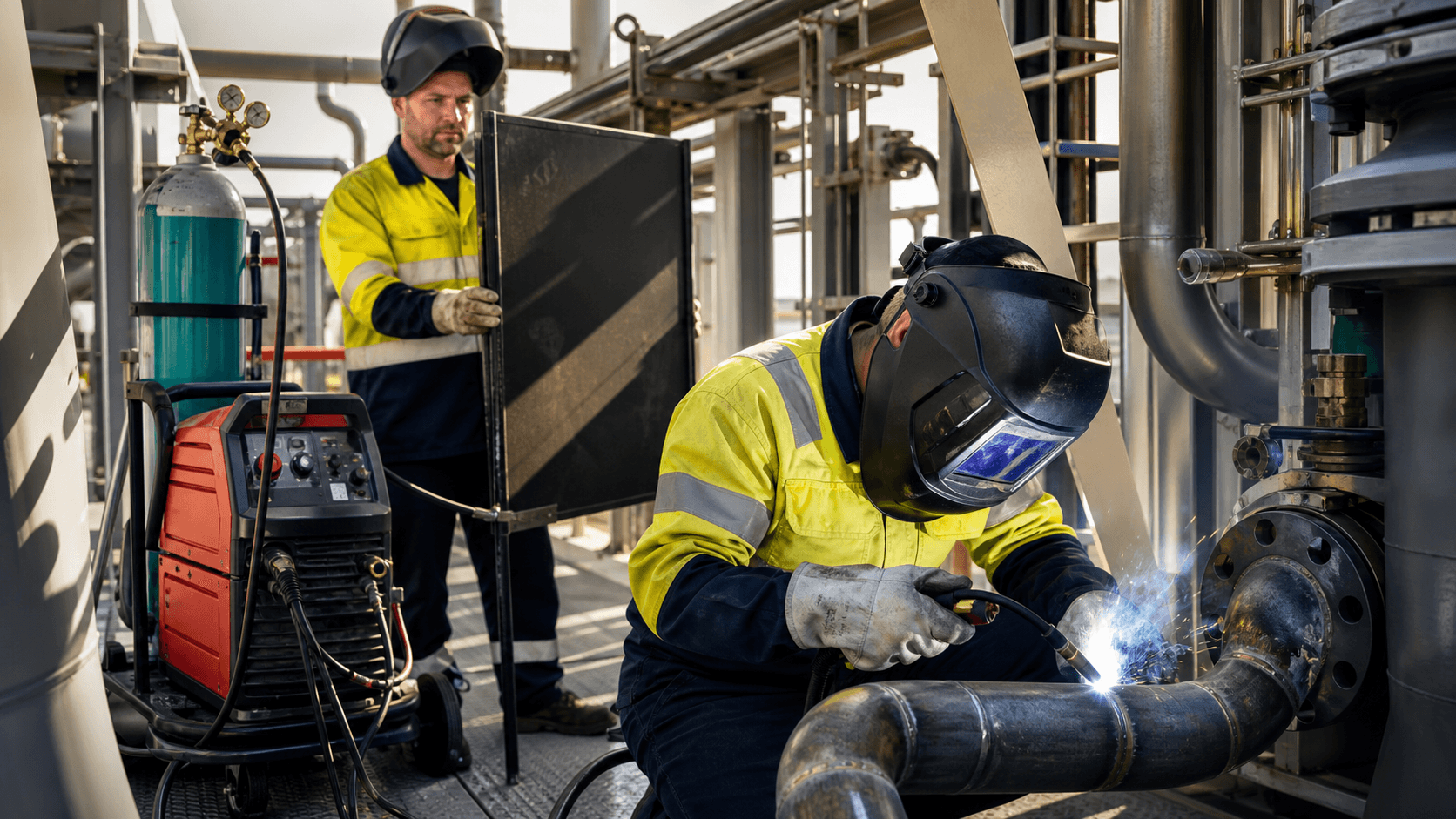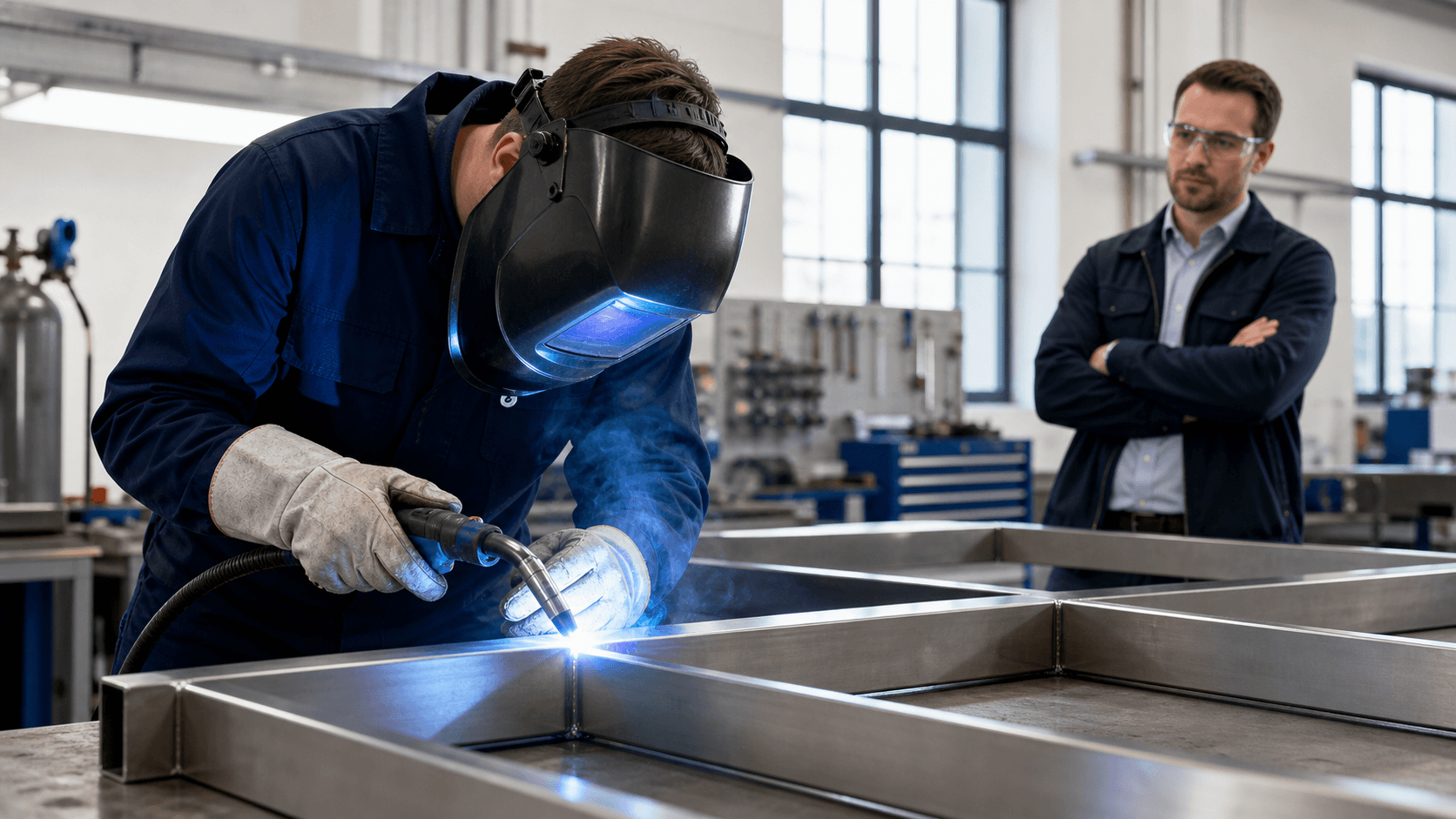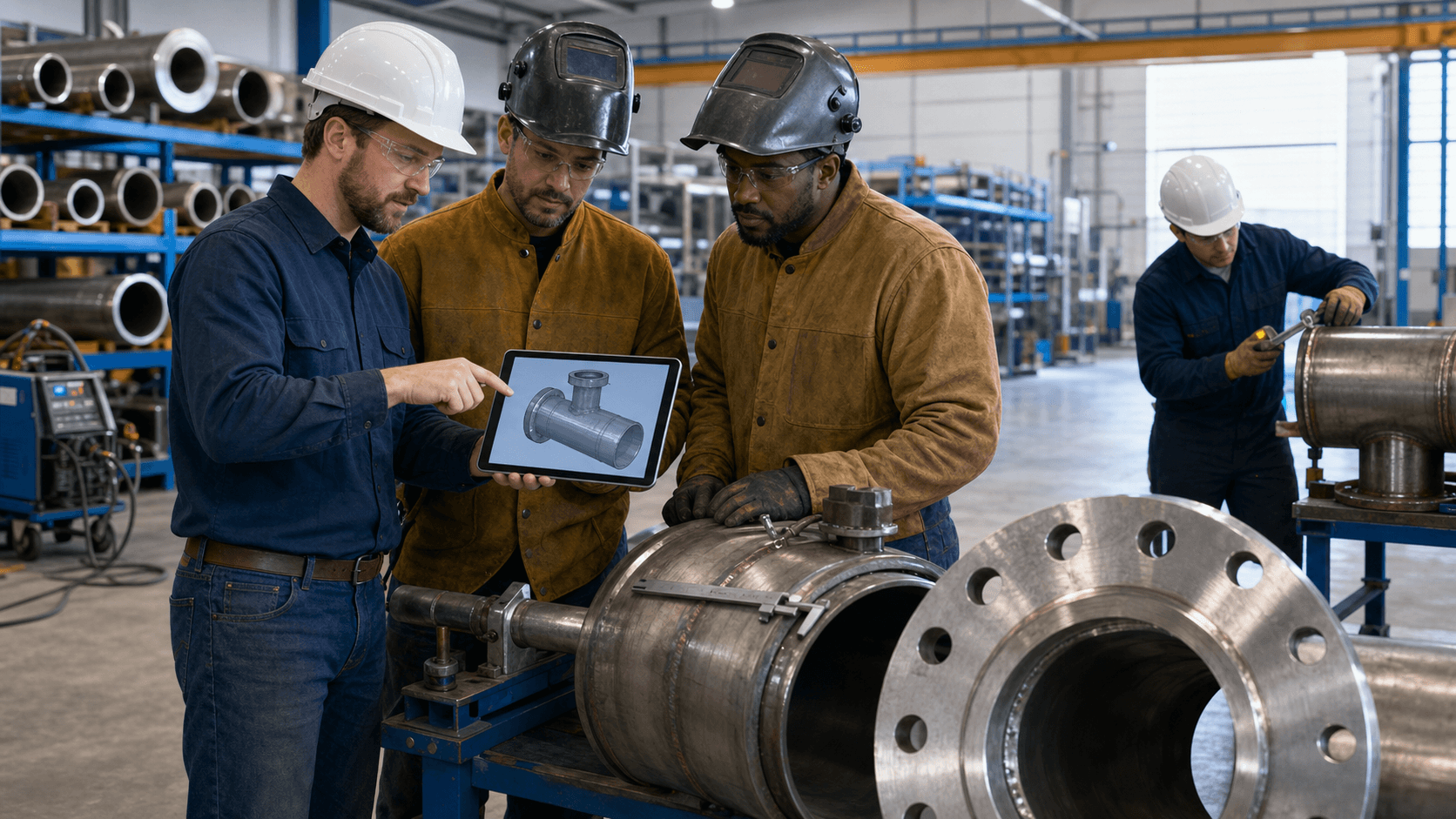
Industrial pipe work sounds simple on paper, but one weak plan can bring a whole project to a stop. When a pipe system is late, nothing upstream or downstream runs right. Crews stand around, tempers rise, and every small fix feels like an emergency. That is why catching trouble early in your pipe fabrication plan matters so much.
In Texas, this hits even harder in the summer. Plants line up maintenance, turnarounds, and upgrades all at once. Heat, storms, and tight outage windows turn small planning gaps into big shutdown problems. Here are clear signs your plan for industrial pipe fabrication in Houston needs a rethink, plus ways to reset before the first piece is cut.
Stop Costly Delays Before They Start
On a large project, lost hours do not trickle away; they stack up fast. A missed dimension here, a late valve there, and soon you have:
- Crews on overtime waiting on parts
- Delivery penalties tied to missed milestones
- Production targets slipping day after day
Texas summers make this worse. Afternoon storms cut power or access. Humid air slows coatings and testing. Units are hot and busy, so every shutdown minute is precious. When the plan is shaky, there is no room to absorb these hits.
A solid fabrication plan shows its strength long before welders strike an arc. If you are unsure where you stand, the next sections will help you spot the warning signs in your own project.
When the Scope Keeps Changing, Your Risk Is Rising
If the plan never seems to settle, you are not just dealing with "normal changes." You may be building risk into every spool.
Frequent scope shifts often look like this:
- Constant line routing tweaks
- "Can we slide this line a bit?" requests
- Late add-ons for future tie-ins or expansion
Each change affects supports, elevations, material lists, and drawings. Every update is a new chance for a miss, like a forgotten support or an old isometric that still shows the last version.
A common problem is weak field info at the start. When early planning skips thorough site walks, real measurements, or tie-in checks, the paper plan fights the real world. Existing steel, cable trays, ladders, and old lines suddenly show up as surprises during install.
In older Houston facilities, there can be legacy piping with unknown materials or undocumented tie-ins. If you do not sort those out before fabrication, you risk cutting in a spool that simply does not fit the unit you have in front of you.
To calm the scope:
- Lock in a pre-fab review with your welding contractor to confirm tie-ins, elevations, and clearances
- Mark certain critical lines as "frozen," where any change needs formal review and sign-off
- Make sure someone owns keeping drawings, models, and field notes in sync
Unrealistic Timelines Are Setting You up to Fail
A schedule that looks good on a slide deck can fall apart in the field. The biggest red flag is a timeline that leaves no space for how work actually happens.
Common misses include:
- Ignoring material lead times, especially for special alloys or custom pieces
- Forgetting time for QA testing, coatings, or paint cure
- Planning around perfect weather, perfect access, and zero rework
Summer industrial work in Houston often means busy suppliers and crowded plants. Turnaround season can stretch delivery windows, not shorten them. If your plan simply assumes that everything shows up exactly when you want it, you are relying on luck.
Access must be part of the schedule too. Units may only be available during short outages. Other trades need the same small work areas. If your plan assumes unlimited access, you will run into stacked crews, safety issues, and idle time.
A better schedule:
- Is built with your pipe welding team, not in a vacuum
- Moves as much fabrication as possible ahead of outages
- Includes clear time for NDT, inspections, hydrotests, and punch-list work
Planning for that extra day or two is cheaper than trying to finish everything in the middle of the night right before restart.
Your Fabrication Plan Ignores Houston's Heat and Weather
Heat and humidity in Houston are not just comfort issues, they affect weld quality. On thick-wall or high-pressure piping, high temperatures and wet air change preheat needs and cooling rates. A plan that treats summer like any other season is asking for repairs.
If your documents do not mention:
- Shade or tents for welding work
- Dehumidification or controlled conditions for certain welds
- Night or early morning shifts for critical joints
then weather is probably an afterthought.
Safety also changes in hot months. Long shifts in full PPE can wear people down. Fatigue, dehydration, and heat stress raise the chance of mistakes. Tools and cables may overheat and fail more often, adding more delays.
Weather-aware planning means:
- Sequencing key welds for cooler parts of the day
- Allowing schedule room for storms and lightning holds
- Confirming that your mobile welding team has the gear and plan to work in local conditions
Quality Control Feels Like an Afterthought
If the plan mainly says "fabricate and install" without clear checkpoints, quality is being left to chance. That often leads to discovering problems after full install, when fixes are slow and disruptive.
Warning signs of weak QC include:
- No written hold points for fit-up, root pass, or final visual inspection
- No mention of NDT where it is normally required
- Little or no focus on weld procedures or welder qualifications
When shop work and field work follow different standards, you also get trouble. A spool built to one expectation arriving at a site with another expectation can cause mismatched fit-ups, field cuts, or misaligned flanges.
To bake quality into the plan:
- Create a simple QC outline that states who inspects what, when, and to which codes or client standards
- Make sure both shop and field crews are working from the same procedures and drawing revisions
- Plan for basic documentation like weld maps, material tracking, and inspection records
Your Contractor Mix Is Too Complex for the Scope
Sometimes the plan looks good on paper, but there are simply too many different hands on the same system. Design by one firm, shop work by another, field work by a third, and testing by someone else can make it hard to know who owns what.
Common symptoms:
- Confusion about who fixes a fit-up problem
- Finger-pointing when schedule slips
- Gaps between what was drawn, what was built, and what got installed
Another issue is when your plan leans on shop-only work for a system that clearly needs field adjustment. Real plants are never perfect. Supports can be out of square, existing piping can be slightly off, and elevations can be different from old drawings. Without a strong mobile welding crew that can adjust on site, even small mismatches can stop the job.
Simpler is often better:
- Try to limit the number of different contractors on the same line or system
- Use a team that can handle both fabrication and mobile field welding when possible
- Make sure one project lead is clearly responsible for coordination and communication
Rethink, Reset, and Get Your Pipe Project Back on Track
If you recognize several of these warning signs in your current plan, it may be time for a reset. A quick self-audit can help. Look at scope stability, timeline realism, weather planning, quality steps, and contractor roles. Then decide which fixes protect safety and downtime first, followed by improvements to cost and paperwork.
Weldit works as a mobile welding and metal fabrication contractor based in Texas, and we see these issues often across industrial, commercial, and heavy residential jobs. Industrial pipe fabrication in Houston ties into many other systems like structural steel supports and skid packages, so a clear, practical plan makes a big difference in how smoothly the whole project runs. By tightening your plan before the first cut, you give your team the best chance to finish on time, protect people, and keep your facility running the way it should.
Get Started With Your Project Today
If you are ready to move your project forward with reliable precision and scheduling, we are here to help at Weldit. Learn how our industrial pipe fabrication in Houston can support your specs, budget, and timeline from initial design through final fit-up. Share your requirements and drawings, and we will provide a clear, detailed path to completion. To discuss your next step or request a quote, simply contact us today.