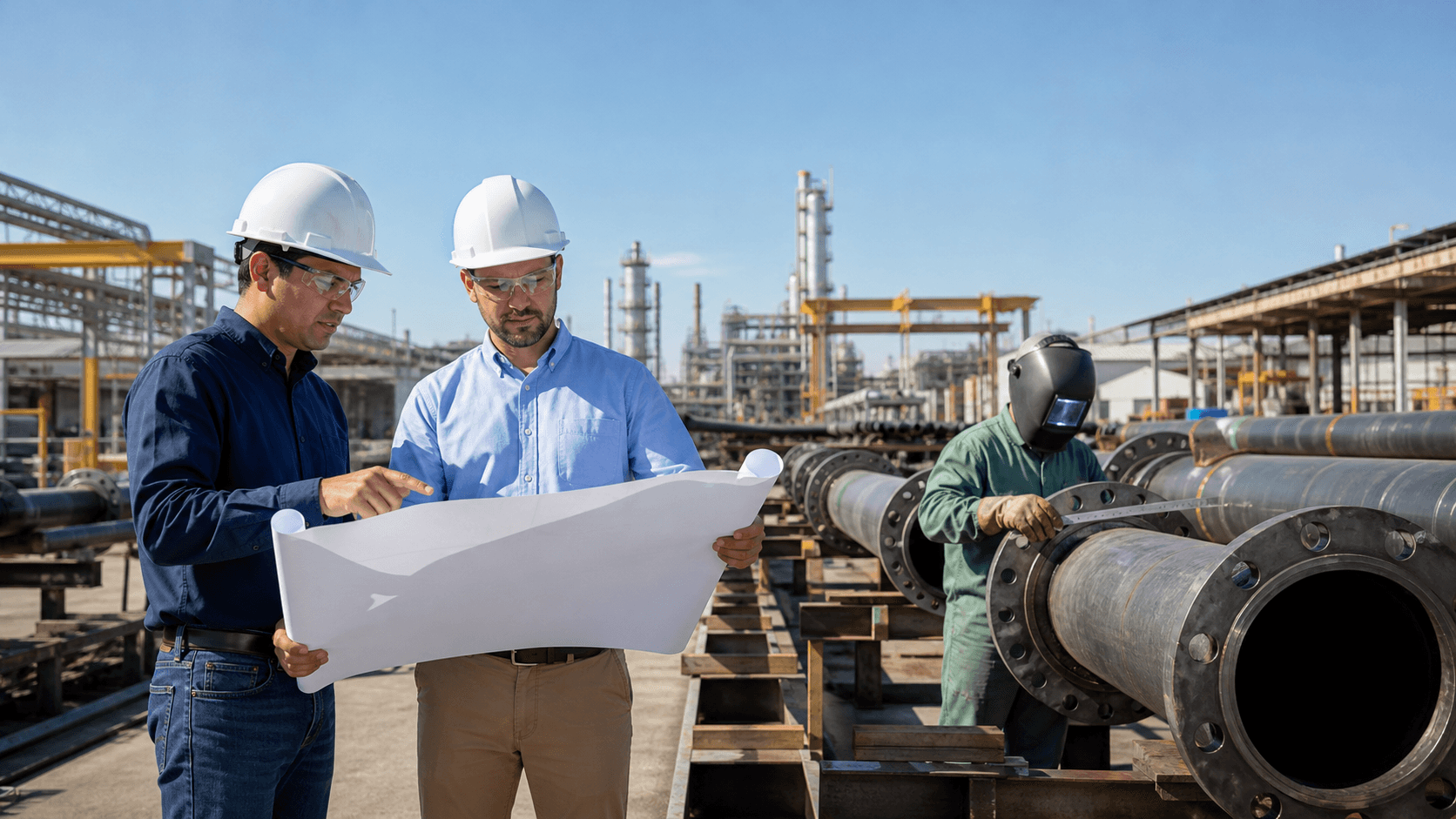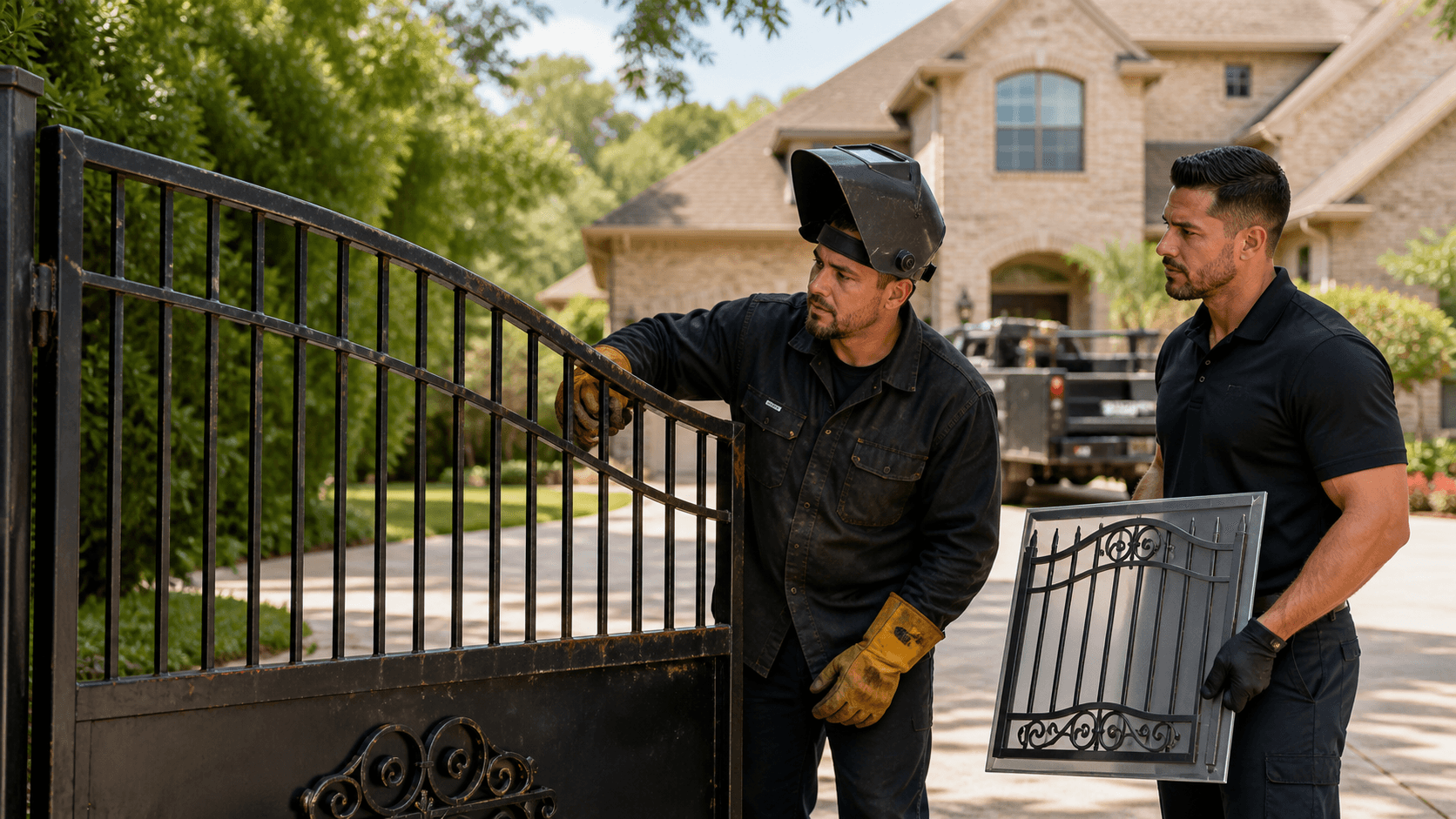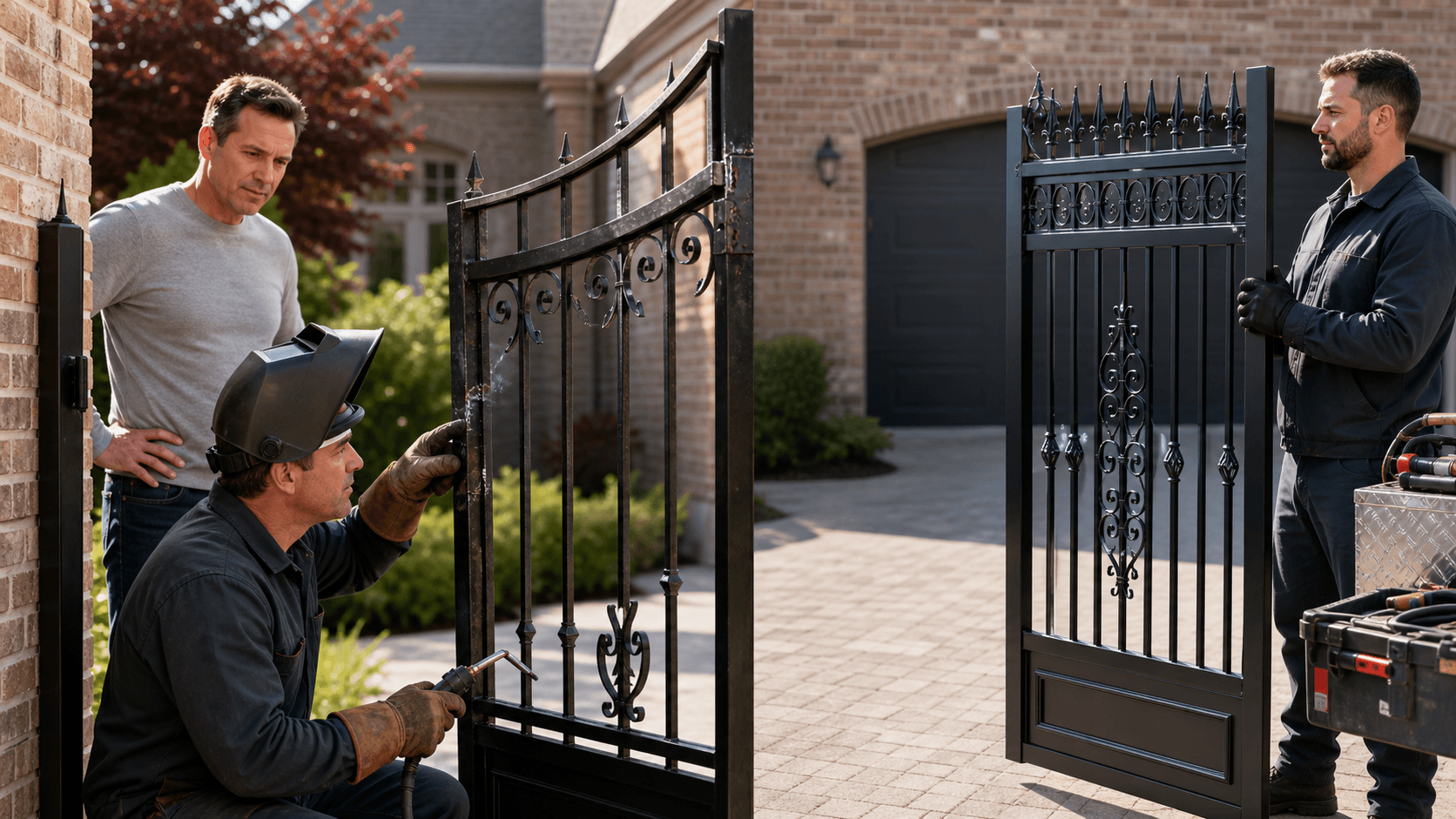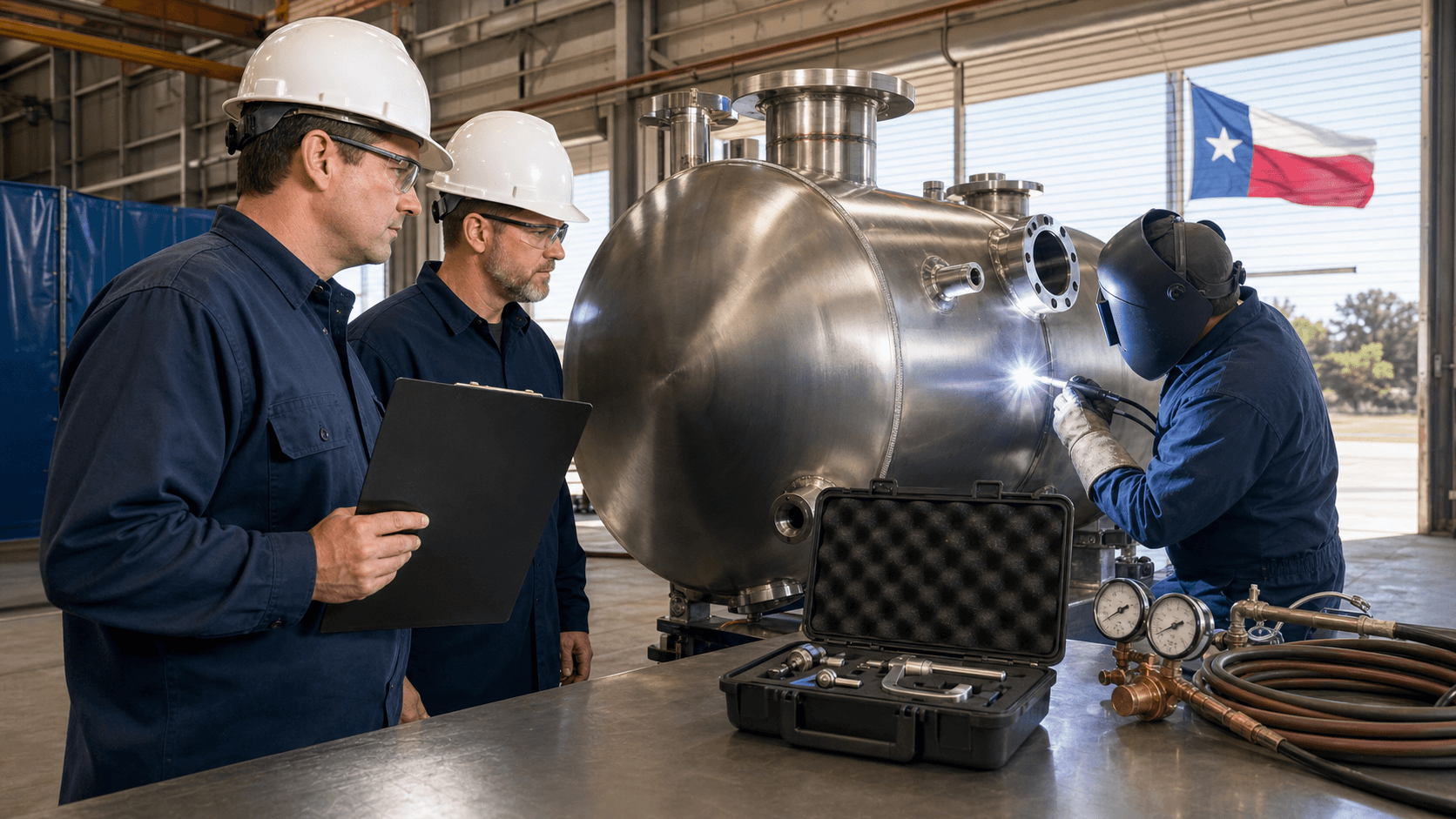
Texas welding work is high stakes. When you weld on structural steel, pressure pipe, or skids, you are touching life safety, production uptime, and long-term liability. Choosing the wrong welding contractor for code work can mean rework, failed inspections, and delays when your schedule is already packed.
In Texas, summer is peak time for shutdowns, tenant finish-outs, plant upgrades, and fast-track commercial projects. Before you issue a PO, you need a clear way to tell if a welding contractor, mobile crew, or welding franchise is truly qualified. In this guide, we share a simple way to check ASME and code qualifications, insurance, NDE, and documentation so your project stays safe, compliant, and on schedule.
Protect Your Texas Project with the Right Welding Partner
Across the major Texas metros, projects are stacked back to back once the days get longer. Plants plan outages, GCs push to finish build-outs, and owners race to hit opening dates. Welding support becomes a bottleneck fast.
That's why your welding partner matters. Whether it is a refinery turnaround, a new commercial building, or a custom residential feature, you need someone who can handle code requirements and paperwork, not just "burn rod." Before you pick a local shop, independent mobile welder, or welding franchise, slow down and qualify them with a simple framework.
Start with Codes, Scope, and Risk Level
Before you ask for quotes, get clear on what you are really buying. Different scopes fall under different codes and risk levels. For example:
- Structural steel frames or stairs, often tied to AWS D1.1 and building codes
- Process piping and pressure boundaries that may involve ASME or other process codes
- Skid packages and modular units that combine structure, pipe, and equipment
- Ornamental metals in public areas that still affect safety and egress
- Emergency repairs on critical equipment or live facilities
Think through three points: what it is, what it carries, and who it affects. Is the work load bearing? Under pressure? Exposed to the public or just inside a fenced plant? A handrail in a lobby is not the same risk as a high-pressure steam line.
A simple pre-planning checklist can help:
- Intended service: temperature, pressure, product, indoor or outdoor
- Owner or engineer specs: required codes, materials, weld processes
- City or AHJ rules: permits, inspections, and special approvals
- NDE requirements: what methods, what percentage, who signs off
- Documentation: what you expect at closeout, not just "some reports"
Once you know the code path and risk level, you can set real qualification requirements for your welding contractor.
Verifying ASME and Code Qualifications the Right Way
When a contractor or welding franchise says "we are certified," treat that as a starting point, not the finish line. For higher risk or code work, you want to see:
- Current ASME stamps, if your scope requires them
- Written Welding Procedure Specifications (WPS) for the processes and materials in your job
- Procedure Qualification Records (PQR) that support those WPSs
- Welder Performance Qualifications (WPQ) for each welder, showing positions, processes, and materials
Ask for a sample WPS from a similar project and check if it actually matches your scope. Request welder continuity records to show they are current and active. It is also fair to ask for examples of past similar projects, plus redacted test reports or NDE summaries.
Watch out for red flags like:
- Vague "fully certified" claims with no paperwork
- WPS or PQR dates that are old or do not match your materials or thickness ranges
- No clear link between welders, procedures, and final welds on the job
A qualified partner will not fight you on this. They will be used to sharing documentation before mobilizing.
Comparing Welding Franchises Versus Independent Contractors
Across Texas, you will see both independent welding outfits and welding franchise brands on job sites. Both can do good work, but they tend to operate differently.
Many welding franchises lean on shared standards, training, and structured processes. There may be corporate support for QA, safety, and recordkeeping, along with common WPS libraries. Independent contractors can be very specialized and flexible, with deep experience in certain plants or project types.
When you consider a welding franchise, ask:
- Who actually holds any ASME or other code certifications, the corporate office or the local unit?
- How is QA managed across different locations or metros?
- How are WPSs created, controlled, and updated?
- If you have projects in Houston, Austin, Dallas, or San Antonio, can they support all those areas in a consistent way?
The real choice is not franchise versus independent, it is documented quality versus guesswork. Look at the same items for both: procedures, qualifications, safety record, responsiveness, and how they handle paperwork for closeout.
Insurance, Safety Culture, and NDE You Can Trust
Even when the welds look good, you still have to protect your company on the risk side. For Texas welding work, you should expect, at a minimum:
- General liability coverage at limits that match your own risk level
- Workers' comp for all field crews
- Auto coverage for mobile welding rigs and support trucks
- Ability to name your company as additional insured, with waiver of subrogation if your contracts require it
Do not stop at insurance certificates. Ask how they handle safety in the field:
- Site-specific JSAs or JHAs before hot work
- Hot work permit knowledge on industrial and commercial sites
- Basic lockout/tagout awareness when working around energized systems
- Respect for client rules in occupied spaces and live plants
NDE is another key piece. Common methods include VT, PT, MT, RT, and UT. Your engineer or owner may call for one or more of these. Clarify upfront:
- Which welds will be tested and by which method
- Whether NDE is done by a third-party Level II or Level III provider or in-house
- Which code acceptance criteria will be used
- How results will be documented and shared with you
A good welding partner will help you line up the right NDE plan for the scope and code.
Closeout Documentation That Keeps You Covered
At the end of a project, paperwork can feel like a chore, but it is what protects you later when someone asks, "Who welded this?" or "Can we tie into that header?" For welding and fabrication projects, you may need:
- Weld maps or logs that tie weld numbers to locations
- NDE reports with clear identification of joints tested and results
- Material Test Reports (MTRs) for critical materials
- Welder logs that show who made what welds
- As-built drawings for skids, pipe runs, or structural changes
- Signed inspection or turnover forms for your files
The secret is to define all of this before work starts. Put documentation requirements in your RFQs and contracts, down to file formats, folder structure, and naming rules if your project is large.
When closeout is handled well, you save time on future expansions, reduce headaches for warranty questions, and have proof ready if an owner, insurer, or regulator ever calls.
As a Texas-based mobile welding and fabrication company, we see how fast projects can move once summer kicks into high gear. A clear qualification process helps everyone win. Whether you hire a welding franchise or an independent contractor, use the same playbook: confirm codes and scope, review procedures and qualifications, check insurance and safety, lock in NDE, and spell out closeout documentation before anyone strikes an arc.
Secure Qualified Welding Support For Your Next Texas Project
If you are ready to apply the standards in this Texas welding buyers' guide, our team at Weldit can review your scope, documentation needs, and schedule to confirm the right fit. Whether you are evaluating an independent contractor or a welding franchise, we can help you line up certified welders, proper ASME/code procedures, and clean closeout paperwork. Share your project details through our contact us form so we can respond with clear options, timelines, and next steps tailored to your facility.