Keep Summer Loads Safe with Smarter Hitch Repairs
Trailer hitch repair sounds simple until something goes wrong at highway speed. A small mistake can turn a fun lake trip or a normal workday into a scary moment on the road. When the hitch is not repaired the right way, the whole towing setup is at risk.
In Texas, summer means more boats, campers, toy haulers, and work trailers on the move. Extra towing puts more stress on every weld, bolt, and bracket. If those repairs are weak or done in a hurry, you can get trailer sway, jackknifing, lost cargo, or even a full hitch separation. We work with metal and structural loads every day, so we see how often small repair shortcuts lead to big problems.
In this article, we will walk through the most common trailer hitch repair mistakes, how to spot them, and why professional structural work matters before you get back on the highway. Whether you tow for work or weekends, a safer hitch starts with knowing what not to ignore.
Hidden Damage You Ignore After a Minor Incident
A lot of towing trouble starts with something that feels minor. A small bump from another vehicle in a parking lot. Backing into a low post. Dropping off a curb a little too hard. The truck looks fine, the trailer still hooks up, so many drivers keep moving.
The problem is, metal does not always show its first signs of stress on the surface. You can get:
- Micro cracks in welds that are too small to see with a quick glance
- Slightly bent receiver tubes that twist the load line
- Warped mounting plates that no longer sit flat on the frame
- Stretched or oval bolt holes that let the hitch shift under load
If you just look from a few feet away, it all can seem okay. Dirt, rust, and old paint hide a lot. Without cleaning the area, checking alignment, or using proper inspection methods, those early cracks stay hidden.
On Houston-area roads, with heat, humidity, and rough patches of pavement, those small flaws grow fast. Every start, stop, and bump is more stress on already tired metal. What started as a tiny crack can run through a bracket or weld and fail when you hit a pothole with a loaded trailer.
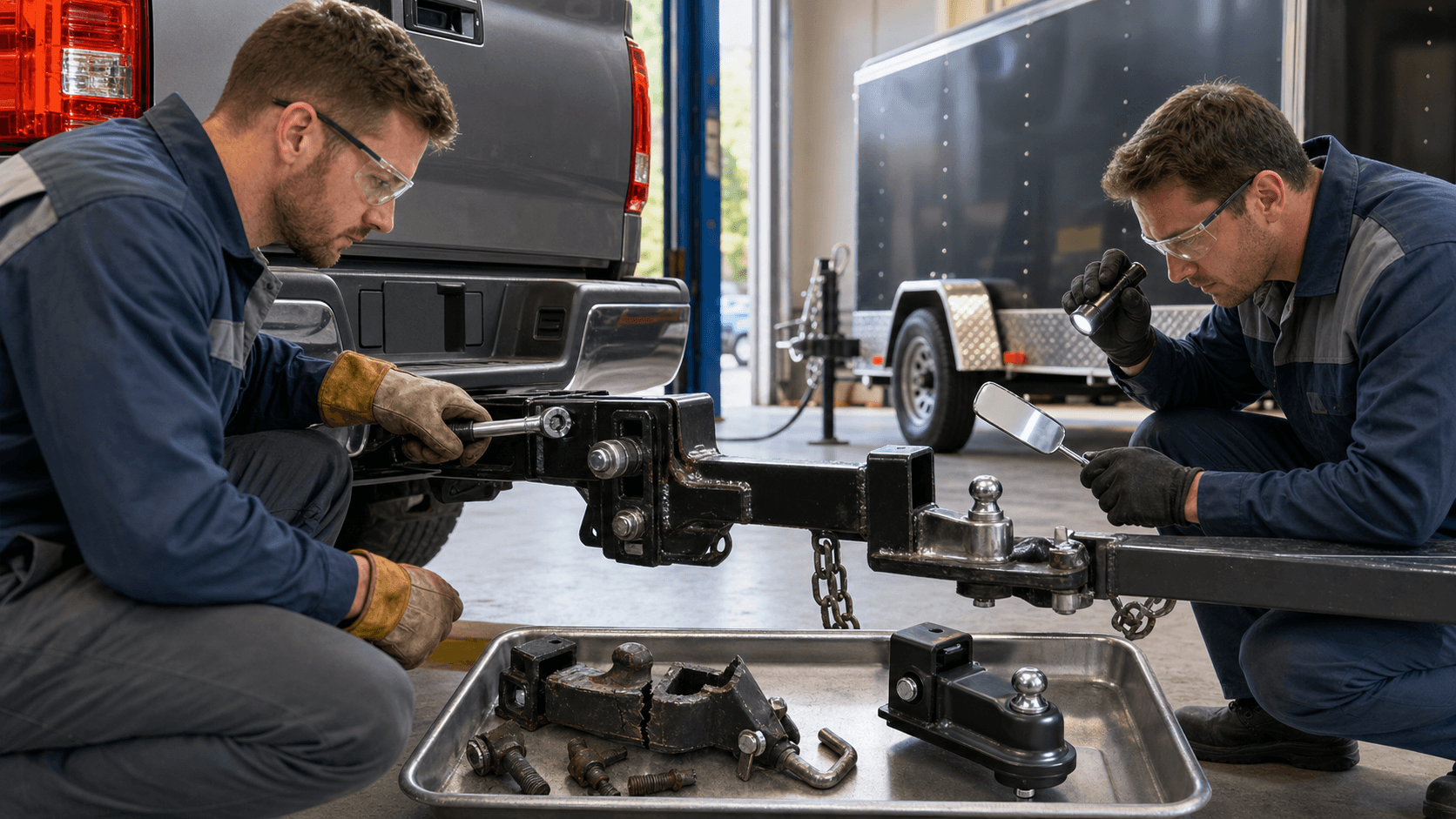
A proper structural assessment does more than a quick look. A qualified welder checks:
- All welds around the receiver and brackets
- The frame where the hitch ties in
- Mounting hardware and bolt holes
- Any spots that took direct force in the incident
If there has been any hit, hard curb strike, or jackknife event, the hitch and frame connection should be cleared by someone who understands how loads travel through steel, not just how it looks from the back of the truck.
Weak Welds and DIY Fixes That Fail Under Load
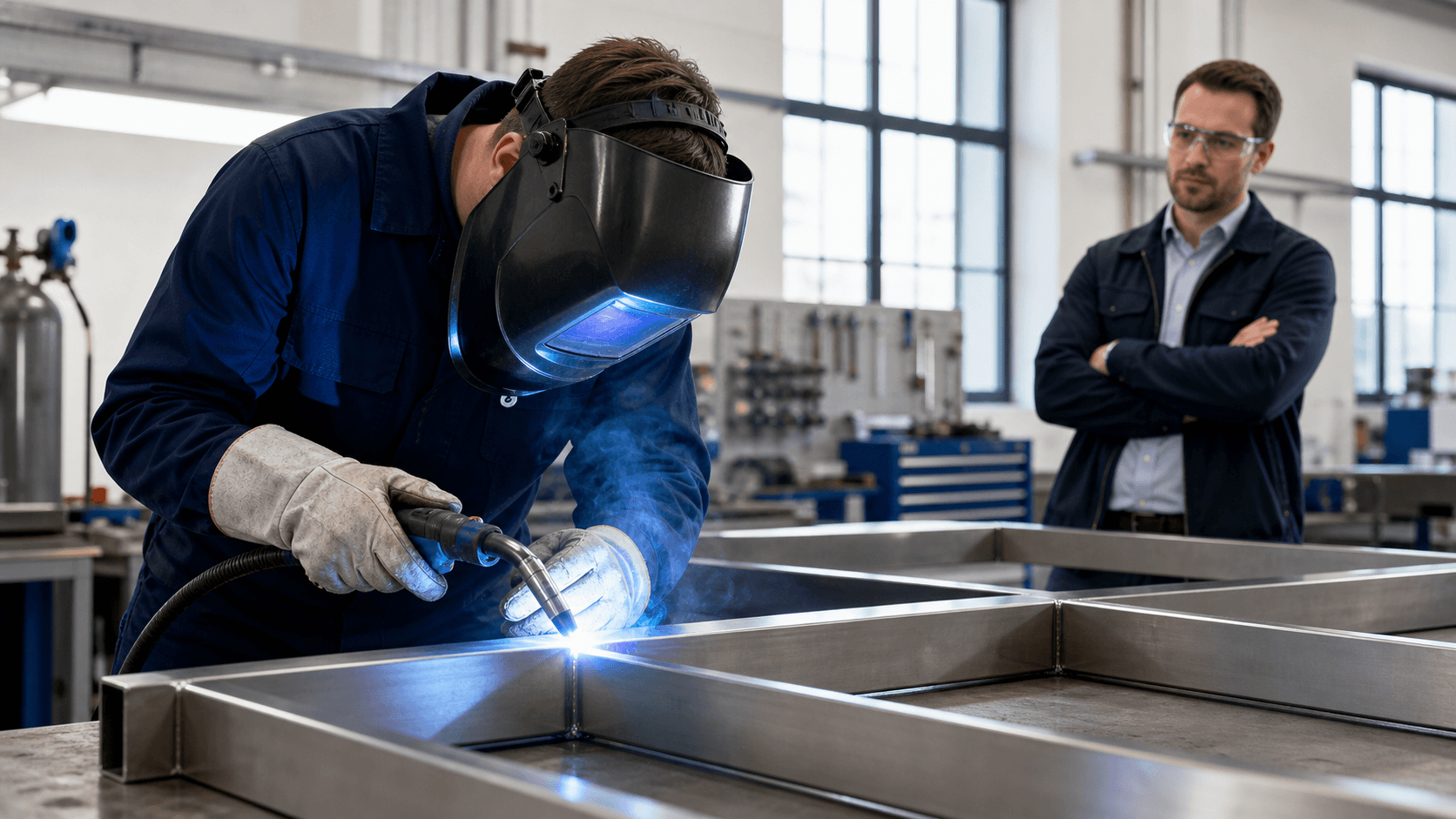
Welding looks simple from the outside. A little spark, some bead on the metal, and the pieces stick together. That is why trailer hitch repair often turns into a DIY project with a small welder from the store or help from a friend who has "done a few jobs before."
The problem is, towing loads are not gentle. They bounce, twist, and shift. The welds that hold a hitch have to carry those changing forces, not just a straight pull. Weak welds can come from:
- Wrong machine settings for the thickness of the metal
- The wrong filler wire or rod for the steel grade
- Poor joint prep, like leaving gaps or not grinding to clean metal
- Welding over rust, paint, grease, or old cracked welds
These mistakes can leave the weld full of tiny holes, lack of fusion, or only bonded on the surface. The bead may look decent from the outside, but inside it is fragile.
Shortcuts make it worse, such as:
- Stitch welding small sections instead of full, continuous welds where needed
- Skipping preheat on thick plates, which can cause hard, brittle areas
- Ignoring the original weld patterns or over-welding areas that stress the frame
On the road, that kind of repair can end in cracked brackets, a receiver tube that rips away from its mounting, or a complete separation between the hitch and the vehicle. At highway speeds, there is no safe place for cargo or people when metal lets go.
Mismatched Hardware and Overloaded Hitches
Even with solid welds, the hitch system can fail if the hardware does not match the load. Many people mix parts without thinking about how the ratings all tie together.
Common trouble spots include:
- Using the wrong size or class of ball mount for the receiver
- Cheap hitch pins or clips that are not rated for the trailer weight
- Safety chains and hooks that do not match the trailer capacity
- Couplers that are worn, rusty, or not sized correctly for the ball
Another risky habit is upgrading the truck, but not reviewing the hitch or trailer. A bigger truck can pull more, but the old receiver, ball mount, or trailer axle may still be the weak link. That gives a false sense of safety while tongue weight or gross trailer weight is quietly over the limit.
Summer is also when people load extra gear. Landscape equipment for big yard projects, ATVs and side-by-sides, building supplies for home upgrades, more coolers and camping gear. Loads creep up fast, especially after the hitch has been repaired and folks assume it is "stronger than before."
A safer approach is to:
- Read and match all labels: GTW, TW, GVWR
- Keep the setup limited to the lowest rated part, not the highest
- Treat any repair as a reason to re-check every component rating
A good structural repair is not just about fixing the broken spot. It should include a full look at all towing hardware and how it fits the way you actually use your trailer.
Skipping Rust Treatment and Seasonal Maintenance
In our warm, humid climate, rust does not take a break. Coastal air, rain showers, and daily use keep moisture on steel parts, especially on work trailers that live outside.
After a hitch repair, some people just spray on fresh paint and call it done. That might hide the orange color, but it does not stop rust that is already eating into the metal. Over time, rust:
- Thins brackets, safety chains, and mounting plates
- Works under weld toes and starts hidden cracks
- Locks up couplers and latches so they do not seat correctly
- Weakens bolts, nuts, and U-bolts until they snap under load
Before heavy summer hauling, it helps to make rust and wear checks part of normal prep. Focus on:
- Welds and brackets for flaking rust, bubbling paint, or pitting
- Mounting bolts and hardware for heavy corrosion or loosening
- Couplers and jacks for stiff movement or grinding sounds
- Electrical plugs and safety chains for damage and wear
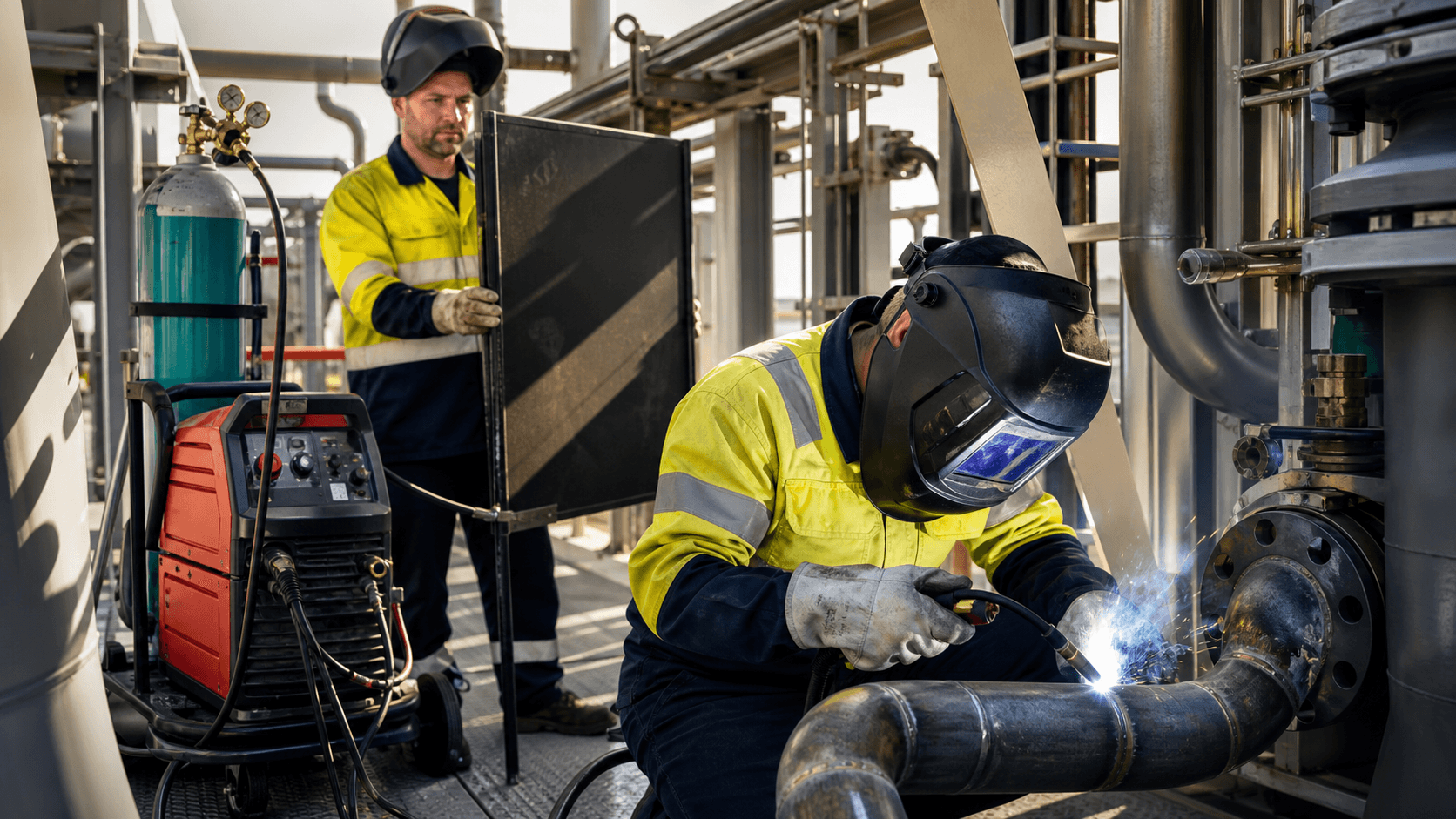
Mobile welding professionals can address deeper rust by cutting out bad sections, reinforcing areas that still have enough strength, or replacing parts that are too far gone. Fixing the structure beats just hiding the problem with a quick coat of paint.
When Trailer Hitch Repair Needs a Structural Pro
Some signs are clear warnings that it is time to stop towing and get professional help. Red flags include:
- Visible cracks in any weld, even if they look hairline
- Bent or twisted receiver tubes, especially if the ball mount no longer slides in smoothly
- Misaligned couplers that sit crooked on the ball or will not latch cleanly
- Loose, flexing, or noisy mounting plates and brackets
- Any history of a collision, severe jackknife, or towing far over the rated weight
A qualified mobile welding contractor brings more than tools. They bring structural knowledge, the right welding processes for each type and thickness of metal, and the ability to reinforce or custom build brackets and receivers that fit how you tow. The same skills used on industrial and commercial metalwork also help residential customers who need hitches and frames that hold up to Texas roads and long summer hauls.
For businesses with fleets, contractors running multiple trailers, and homeowners trying to prep for vacations without losing workdays, mobile service can keep downtime low while still giving the hitch the attention it needs. Safe towing starts where the steel meets the frame, and that is one place where cutting corners is never worth the risk.
Get Started With Safe, Reliable Towing Today
If your hitch is cracked, loose, or just not performing like it should, Weldit is ready to help you get back on the road with confidence. Our experienced welders handle precise trailer hitch repair so your vehicle can tow safely again. Tell us a bit about your project and we will recommend the best repair approach for your specific setup. If you are ready to schedule service or have questions, simply contact us and we will respond promptly.