Get the Right Steel Solution Before Work Begins
Choosing between shop and field miscellaneous steel services early can help you protect access, safety, and your project schedule. We help contractors, facility owners, and plant managers sort through that choice by looking at the actual scope, site conditions, and installation plan.
Miscellaneous steel covers the parts that make a facility usable and safe, even when they are smaller than the main structural frame. This can include stairs, handrails, platforms, equipment supports, bollards, catwalks, pipe racks, embeds, and custom brackets. A poorly planned railing or support frame can hold up other trades, create access problems, or lead to failed inspections.
For Greater Houston projects, November is often a busy planning period. Holiday schedules, year-end shutdowns, maintenance windows, facility upgrades, and humid weather can all affect when work can happen. By deciding what belongs in the shop and what must be completed onsite, we can help you reduce surprises before crews arrive.
Why Shop and Field Steel Work Differ
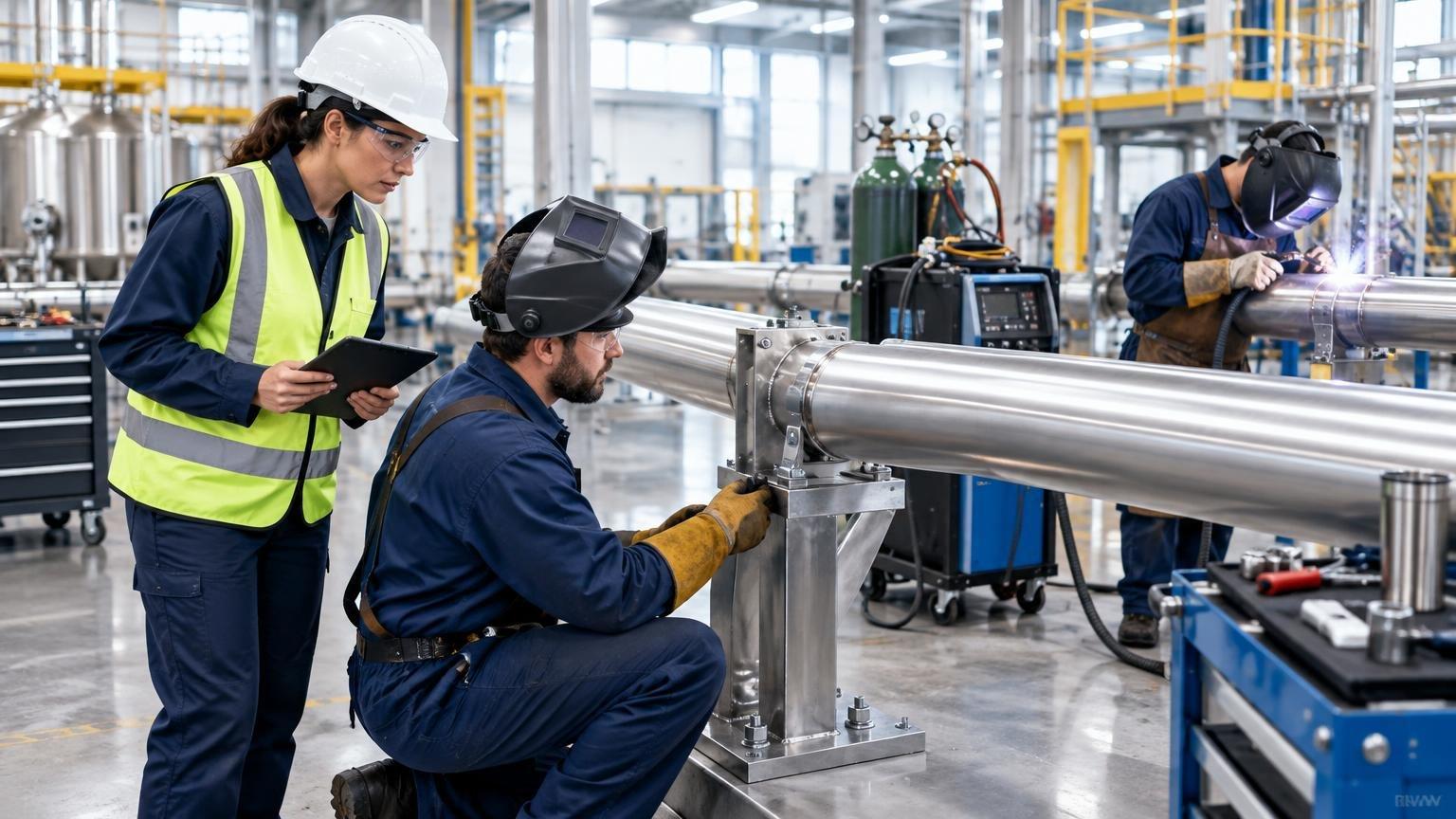
Shop fabrication takes place in a dedicated fabrication facility, where steel can be cut, fitted, welded, drilled, assembled, inspected, and prepared for coating before delivery. Controlled work areas give our team stable surfaces, proper material handling, and less exposure to rain, humidity, wind, and changing jobsite conditions.
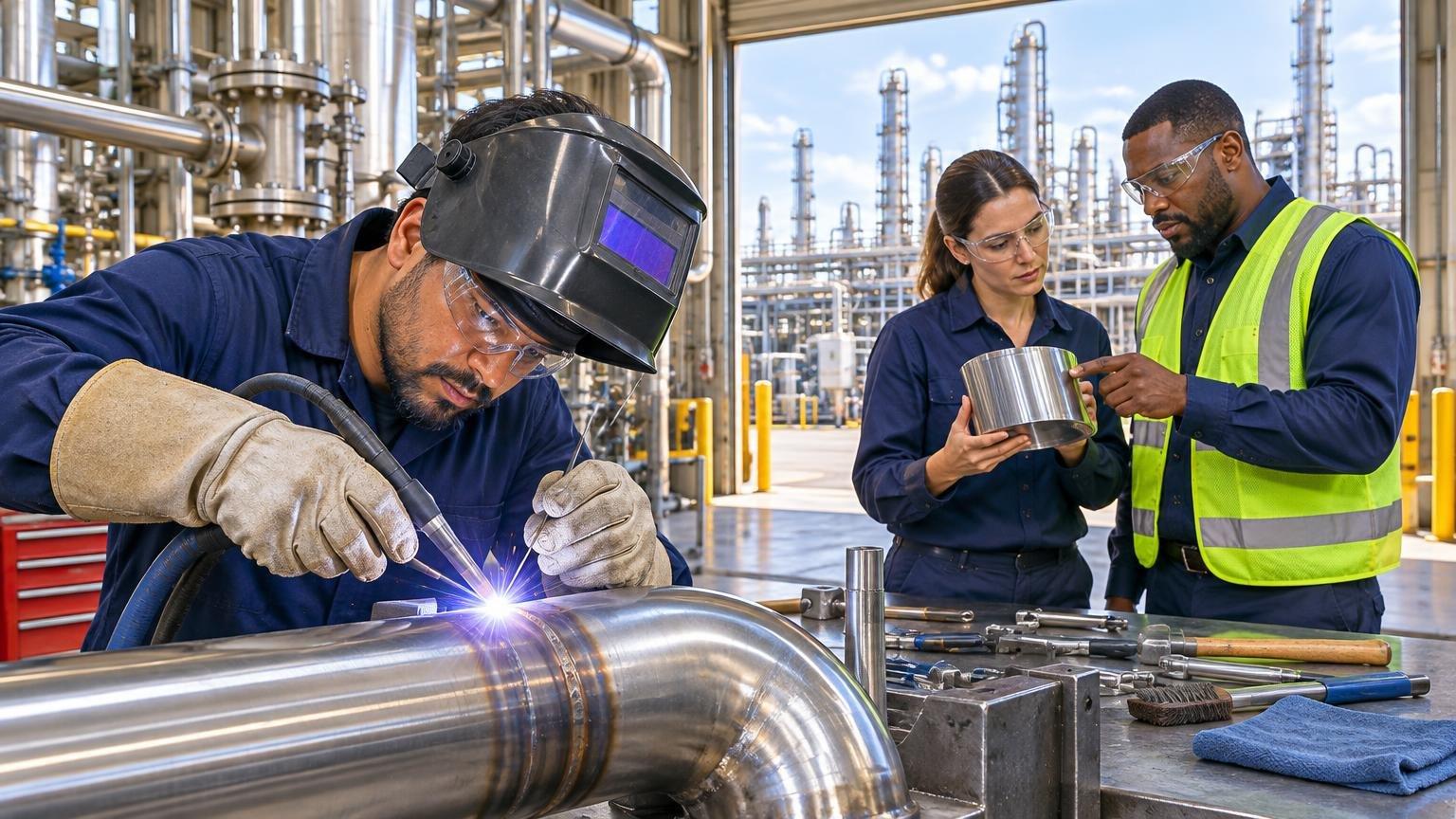
Field fabrication happens at your location. Our mobile welding crews may weld, fit, modify, repair, or install steel directly where it will be used. This approach is often needed when existing structures differ from drawings, final measurements must be taken in place, or a completed assembly cannot be safely transported to the site.
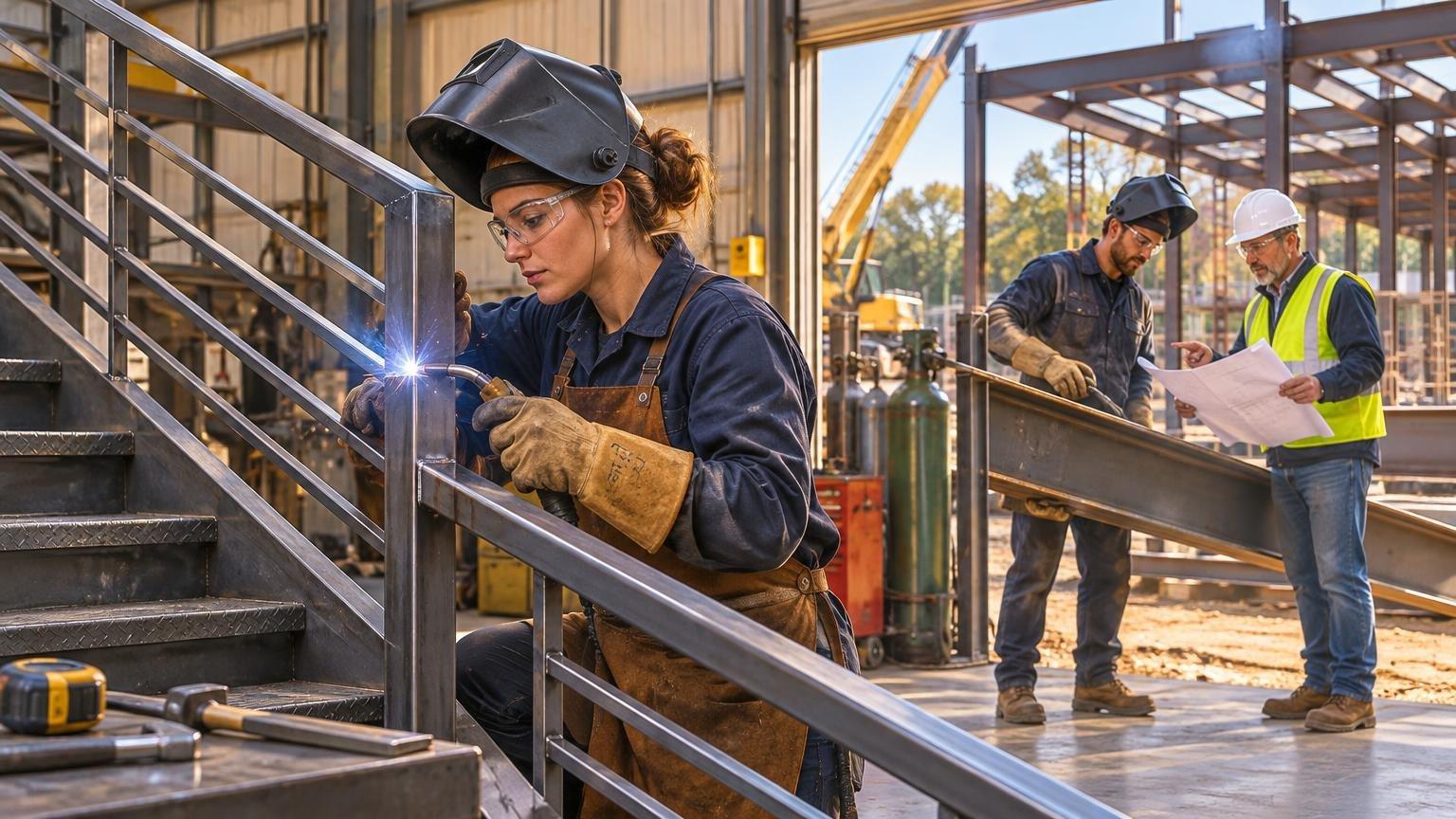
Most miscellaneous steel services are not strictly one or the other. A handrail system may be built in the shop, then field-fitted at its final connection points. A support frame may arrive mostly complete, while onsite welding handles tie-ins, small adjustments, and installation support. We look at the full picture before recommending the right mix.
Choose Shop Fabrication for Controlled Precision
When a component is repeatable, transportable, and based on confirmed dimensions, shop fabrication is usually the smoother path. Our shop environment supports consistent fit-up and weld quality because the work is completed with dedicated equipment, established inspection steps, and better control over how materials are moved and positioned.
Shop work is a strong fit for components such as:
- Handrail systems and guardrails
- Metal stairs, ladder cages, and access platforms
- Equipment skids, support frames, and pipe supports
- Structural brackets, embeds, and custom steel assemblies
Pre-fabricating these items can reduce the amount of welding and fitting required at an active facility. That matters when you are coordinating around operations, deliveries, equipment access, or other trades. Instead of building every piece onsite, crews can focus on setting, connecting, and completing the work in the right sequence.
Weather also plays a part. Greater Houston job sites can deal with heavy rain, heat, humidity, and sudden changes in working conditions. Completing as much fabrication as possible indoors can make production more predictable and help keep milestone dates from shifting. Delivery and installation can then be planned around the site's available access and work windows.
Use Field Services When Site Conditions Matter
Not every job can be measured, built, and finished away from the site. Older facilities, retrofit projects, equipment upgrades, and repairs often reveal conditions that were not clear on the original drawings. Existing steel, concrete, piping, or equipment may affect elevations, clearances, and connection details.
In those situations, field miscellaneous steel services allow our team to verify the real conditions before final work is completed. We can take measurements onsite, adjust connections, and fit steel to the space that actually exists. This helps prevent the frustration of delivering a finished piece that does not match the final opening, elevation, or attachment point.
Mobile welding is also useful when a damaged component needs prompt attention. Handrails, gates, platforms, guardrails, equipment supports, and structural attachments can all require repair work that cannot wait for a longer offsite production cycle. Field crews bring the welding and fabrication work to the location, helping you address a safety or operational concern where it occurs.
Onsite work requires careful planning, especially in industrial and commercial settings. Depending on the scope, field welding may involve:
- Site-specific safety planning and access coordination
- Hot-work permits and fire watch procedures
- Qualified welding personnel and approved procedures
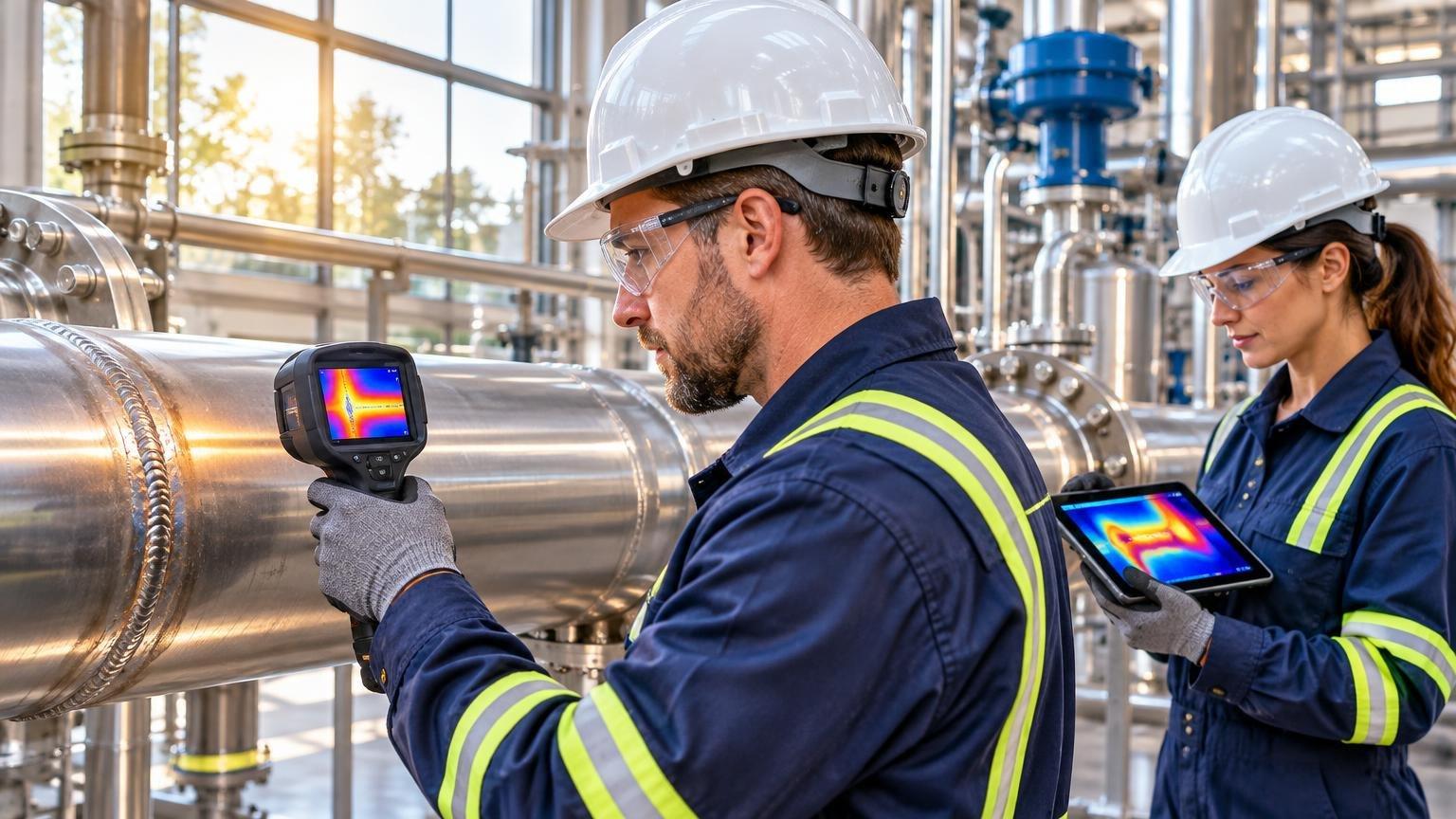
- Weld inspections and turnover documentation
We understand that AWS- and ASME-compliant metalwork may be required for projects where quality records, weld procedures, and inspection requirements matter. Planning those needs before the work begins helps everyone avoid last-minute delays.
Compare Schedule, Risk, and Compliance Needs
The best choice is rarely based on one factor alone. Shop fabrication can reduce onsite labor, limit weather interruptions, and keep work moving before the site is fully ready. Field work can avoid transport challenges and reduce the risk of building a component that does not match the actual conditions.
Schedule often guides the decision. For a planned facility upgrade, tenant improvement, or new construction project, shop fabrication can keep steel work progressing while other site activities are underway. For shutdown work, emergency repairs, or a retrofit with narrow access windows, field welding may be the practical answer.
Before fabrication starts, we recommend reviewing a few questions with your project team:
- Are the dimensions confirmed, or must they be verified onsite?
- Can the finished assembly be transported and safely positioned?
- Will the work take place around active operations or restricted access?
- What welding standards, inspections, and documentation does the owner require?
- Which tasks need to happen before other trades can continue?
A blended plan often gives you the most control. Shop fabrication handles repeatable pieces under consistent conditions, while field crews complete final tie-ins and adjustments after site measurements are confirmed. This approach can help prevent nonconforming work, failed inspections, and avoidable rework.
Build a Fabrication Plan That Fits Your Site
Shop fabrication is usually the right fit for transportable components that need controlled production and repeatable quality. Field welding is often the better fit for repairs, modifications, tie-ins, and conditions that can only be confirmed at the jobsite. The right answer depends on the steel itself, but also on access, sequencing, operations, and compliance requirements.
Before work begins, review drawings, delivery routes, installation order, site restrictions, and inspection expectations with a qualified fabrication partner. A clear plan makes it easier to decide what should be built in the shop, what should be completed in the field, and where both methods can work together.
Build With Fewer Surprises
Weldit helps teams coordinate fabrication and installation needs before they affect the schedule. Our miscellaneous steel services support practical solutions for commercial projects with demanding site conditions. To discuss your scope and next steps, contact us today.