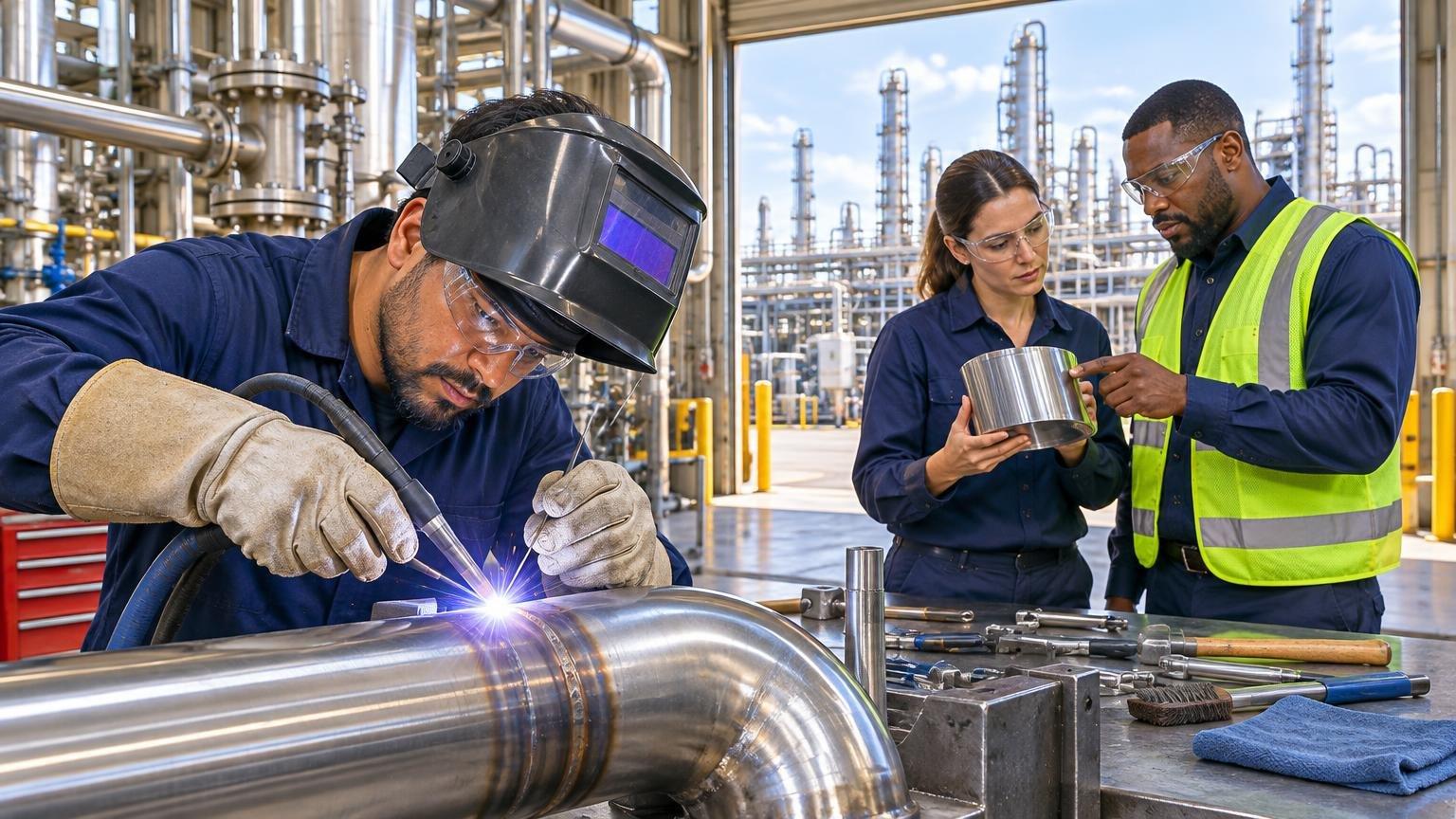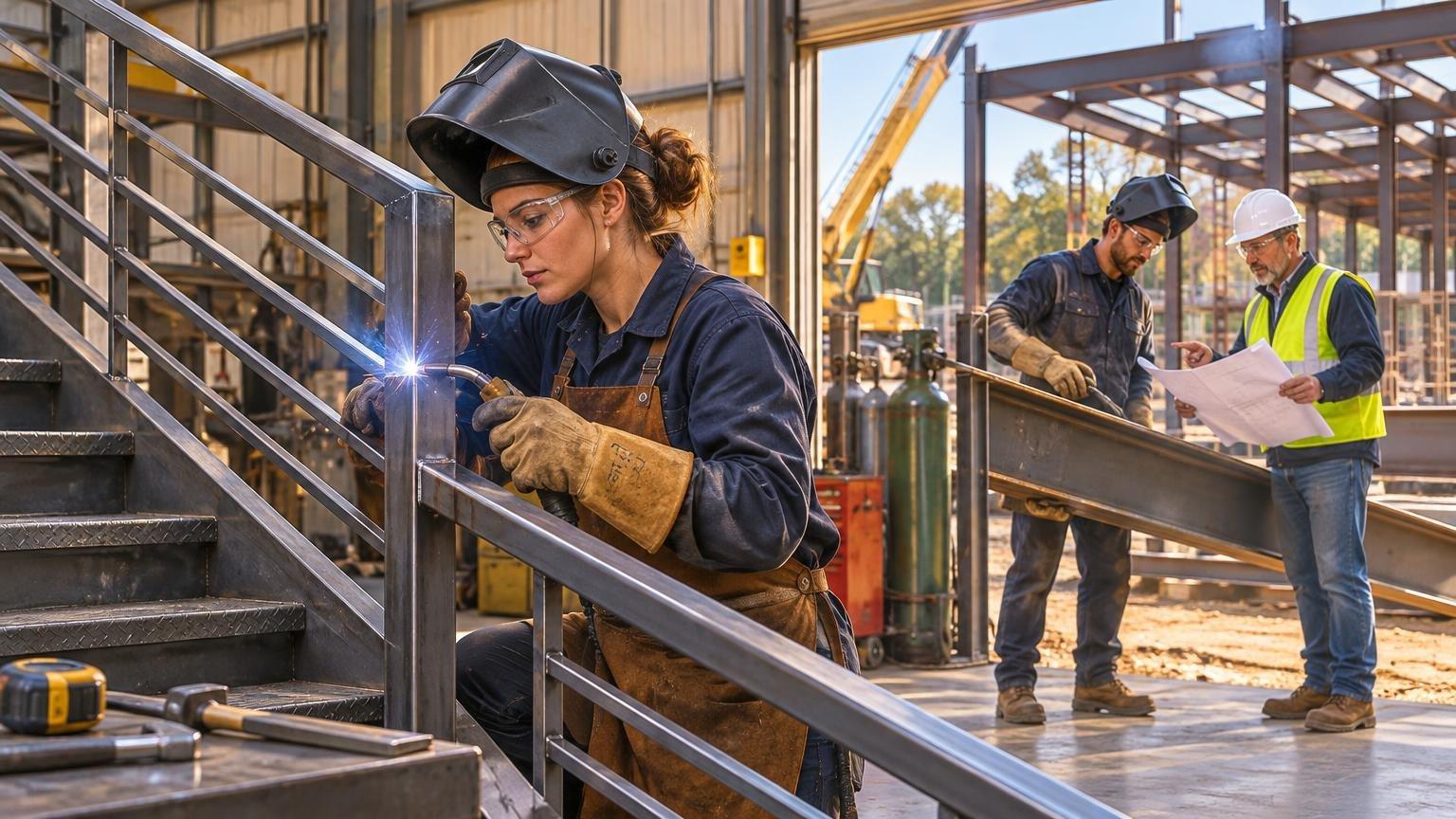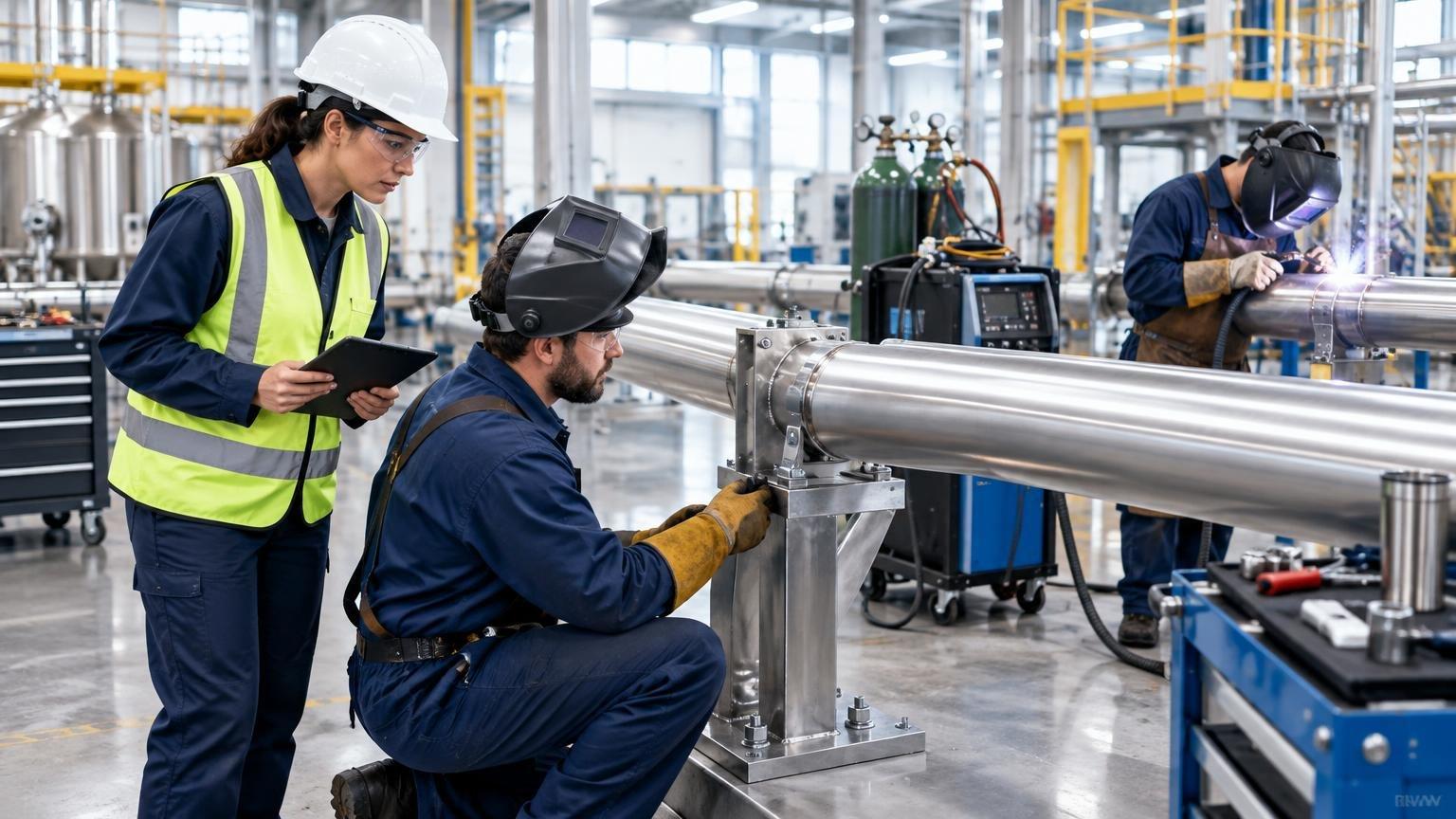
Industrial welding services should do more than fix broken metal. When production equipment, piping, supports, or access structures need attention, the work can affect safety, maintenance schedules, and plant operations. We believe you should expect a welding partner to arrive prepared, communicate clearly, and work around the realities of your facility.
For plant managers, dependable support starts long before a crew strikes an arc. It comes from planning, qualified personnel, documented quality practices, and a clear understanding of what matters most at your site.
Protect Uptime with a Proven Welding Partner
A welding contractor should understand that every repair has an operational context. A damaged pipe support may affect a maintenance plan. A structural repair near an active line may require careful access coordination. A fabricated replacement part may need to be ready before a scheduled outage begins.
Before work starts, we work to understand priorities such as critical equipment, production windows, safety rules, and site limitations. That early conversation helps us plan work that supports your operations instead of creating avoidable interruptions.
You should expect clear communication from the first call, including:
- A realistic schedule for assessment, fabrication, and field work
- Material, labor, and equipment needs
- Potential access or operational impacts
- Questions about safety requirements and work restrictions
Our welding personnel support urgent repairs as well as planned onsite and shop fabrication work. Across Greater Houston, we work with the needs of refineries, manufacturing facilities, processing plants, commercial properties, and contractor-led industrial projects in mind.
Define the Scope Before Crews Arrive
Good industrial welding services begin with good questions. Before mobilizing people, welding trucks, tools, and materials, we need to understand exactly what needs to be repaired, modified, or fabricated.
That review may include the equipment type, material grade, weld location, dimensions, surface condition, and access challenges. We also need to know whether the work affects structural steel, process piping, pressure-containing components, or another system with added inspection and compliance needs.
A clear scope should cover the practical details that keep a job moving:
- Required welding processes and consumables
- Field equipment, lifting support, and access needs
- Hot work permits and shutdown coordination
- Surface preparation, fit-up, and inspection expectations
- A projected completion timeline and possible constraints
Without this level of planning, small unknowns can become bigger disruptions. Restricted access, unexpected surface damage, incompatible materials, or additional repairs found after work begins can all change the path of a project. We prefer to identify those issues early, when there is still time to plan around them.
For outages, plant expansions, and larger maintenance projects, early involvement gives our team time to review drawings, fabricate components in the shop, stage materials, and coordinate with other contractors. That can reduce the amount of onsite welding needed once the installation window opens.
Verify Code Compliance and Weld Quality
Not every weld has the same requirements. The applicable standards depend on the asset, material, repair type, facility requirements, and whether the work involves structural or pressure-related components. For that reason, code compliance should be part of the conversation before work is approved, not an afterthought once the job is underway.
We can discuss AWS requirements for structural welding and ASME requirements for pressure-related work when they apply to the scope. Plant managers should also ask about welder certifications, welding procedure specifications, material traceability, inspection needs, and the documentation expected at closeout.
Reliable work follows approved procedures rather than improvised field methods. That approach helps reduce the chance of weld failure, rework, safety issues, and questions during future inspections. Quality control may include visual inspection, fit-up checks, dimensional verification, and coordination with third-party nondestructive testing when required.
Just as important, records should be organized and available. Clear documentation supports maintenance files, project closeout, regulatory reviews, and future repairs. When another team needs to understand what was repaired years later, complete records can save time and prevent guesswork.
Coordinate Crews, Safety, and Site Access
Onsite welding is a team effort between the facility and the welding contractor. We arrive ready to follow site-specific safety protocols, but the best results come from discussing those requirements before the crew is at the gate.
Depending on the work area, planning may involve hot work permits, lockout and tagout procedures, confined-space rules, elevated work requirements, fire watch coverage, personal protective equipment, and emergency response expectations. Each facility has its own operating environment, and those details shape how work is performed.
Access planning matters just as much. Before mobilization, we recommend identifying entry points, parking areas, laydown space, crane or forklift support, scaffold needs, utility availability, and restricted or classified areas. A welding crew cannot safely and efficiently complete work if the equipment, materials, or people cannot reach the work area as planned.
Daily updates also make a difference. We communicate progress, changing site conditions, safety concerns, and schedule impacts so you can coordinate operations and keep related maintenance activities moving. The right field equipment, whether mobile welding trucks, pipe welding tools, structural repair equipment, or shop-fabricated components, should match the work at hand.
Use November Planning for Upcoming Work
November is a smart time to review the welding items that have been pushed aside during a busy year. Holiday staffing schedules, year-end production demands, and material lead times can make last-minute repairs harder to coordinate. A short planning meeting now can prevent rushed decisions later.
We often recommend reviewing equipment and structures for concerns such as corrosion, vibration damage, leaking supports, cracked handrails, damaged platforms, worn piping supports, and aging fabricated components. Some items may need prompt attention, while others can be planned into an upcoming maintenance window.
This is also a practical time to identify shop fabrication needs for first-quarter shutdowns, plant expansions, or capital work. When components can be built ahead of installation, your team may have a more controlled onsite schedule once the work window begins.
A prioritized welding list helps turn scattered concerns into a workable service plan. Separate immediate safety items, production-critical repairs, preventive maintenance work, and future improvement projects. With that list in hand, you can set clearer expectations for scope, safety, quality, documentation, and coordination before the next equipment issue puts added pressure on your operation.
Keep Critical Welding Work Moving Forward
Weldit can help you align repair needs with dependable industrial welding services for piping, equipment, and facility infrastructure. Our team works with plant priorities to support safe, well-coordinated work and clear documentation. When you are ready to discuss your next project or repair, contact us to start the conversation.