Exotic alloy repair can protect or disrupt a Houston plant outage schedule. When a component needs repair, the work must fit into a short window that already includes inspection, mechanical work, testing, and startup tasks. We help plant teams plan early so material questions and welding restrictions do not become late surprises.
Late fall can bring workable outdoor conditions around Houston, but rain, humidity, access limits, and heavy demand for turnaround labor still affect production. Before the outage begins, we recommend confirming the alloy, finding the cause of damage, selecting a qualified repair approach, controlling field conditions, and planning inspection before equipment returns to service.
Plan Early to Protect Your Outage Schedule
Exotic alloy repair is rarely a simple patch-and-go task. Duplex stainless steel, super duplex, nickel alloys, titanium, and other corrosion-resistant materials often need specific filler metals, controlled heat input, careful shielding, and detailed inspection. If those needs are discovered after the outage scope is locked, the repair can quickly land on the critical path.
During Greater Houston's late-fall turnaround season, several factors can tighten the schedule at once. Material suppliers, inspection teams, specialty welding crews, and scaffold resources may all be committed to other projects. A repair that looked minor during planning can become a larger issue if the alloy is uncertain or the needed procedure has not been reviewed.
Early planning gives your team time to answer the questions that matter:
- What is the confirmed base alloy and component service?
- What type of damage is present, and what caused it?
- Does the repair need a specific welding procedure or inspection method?
- Are filler metals, purge equipment, and qualified welders available?
- What access, permitting, and safety controls will the work require?
By settling these items before the shutdown window closes, we can help keep repair work organized instead of rushed.
Identify Alloy Risks Before the Scope Is Final
Accurate material identification is the starting point for exotic alloy repair. High-alloy materials can appear similar in the field, yet their welding requirements may be very different. Choosing the wrong filler metal, using the wrong purge practice, or applying unsuitable heat can affect the repaired area and its ability to perform in service.
Whenever records are available, we review drawings, material test reports, operating history, and prior repair documentation with the project team. If that information is incomplete, positive material identification can help verify the alloy family before a welding procedure or filler metal is selected.
The visible defect also may not tell the whole story. A crack, leak, pit, or thin area can be the result of more than one condition. We look beyond the damaged spot to understand whether the component may have been affected by:
- Chloride exposure or corrosive process conditions
- Sour service concerns
- Thermal cycling and repeated expansion
- Erosion, fatigue, or vibration
- An earlier repair that did not match the material or service
Repairing only the surface damage without addressing the likely cause can leave the equipment exposed to repeat failure. An early assessment gives engineering, inspection, and welding teams a clearer path before work begins.
Match the Repair to a Qualified Procedure
A qualified welding procedure helps control the details that affect repair quality. For exotic alloy work, the procedure should match the base material, joint design, service environment, and applicable code requirements. Depending on the equipment involved, AWS or ASME requirements may guide the work.
Our welding procedure specifications and supporting qualification records should define the approved process, filler metal, shielding gas, purge method, preheat needs, interpass temperature limits, and any required post-weld treatment. These are not paperwork details to sort out after the crew arrives. They shape how the repair is prepared and completed.
Heat control deserves special attention. Too much heat input, poor interpass control, or weak shielding can change the microstructure and corrosion resistance of some high-alloy materials. Duplex stainless steels, for example, need balanced heat control to maintain the properties that make them useful in demanding process environments.
Before welding starts, we confirm that the welder is qualified for the process and material application. Consumables should be handled and stored correctly, joint preparation should match the procedure, and the repair area must be clean. Those checks reduce rework risk when every outage shift matters.
Control Houston Field Conditions During Turnarounds
A sound procedure still needs the right field conditions. Houston-area sites can see humidity, rain, wind, and changing temperatures during November, all of which can affect welding production and contamination control. Weather protection, dry base material, stable power, and proper shielding may be needed before work can proceed.
Access often creates another layer of planning. Exotic alloy components may be in crowded pipe racks, elevated structures, exchanger channels, vessels, or restricted process areas. We coordinate the repair scope with the practical site needs, including scaffolding, confined-space controls, equipment isolation, hot-work permits, crane access, and nearby mechanical or inspection activity.
Cleanliness matters just as much as access. Carbon steel dust, incorrect brushes, dirty grinding discs, and unsuitable tools can transfer contamination to corrosion-resistant alloys. Dedicated tools, controlled surface preparation, and disciplined housekeeping help protect the repaired area from problems that may not be obvious at first glance.
During an outage, onsite fabrication and mobile welding support can also help when the field scope changes. A spool adjustment, reinforcement part, replacement section, or structural repair may be needed to fit actual site conditions. Planning for these possibilities keeps the team ready without treating every change as an emergency.
Verify Repair Integrity Before Restart
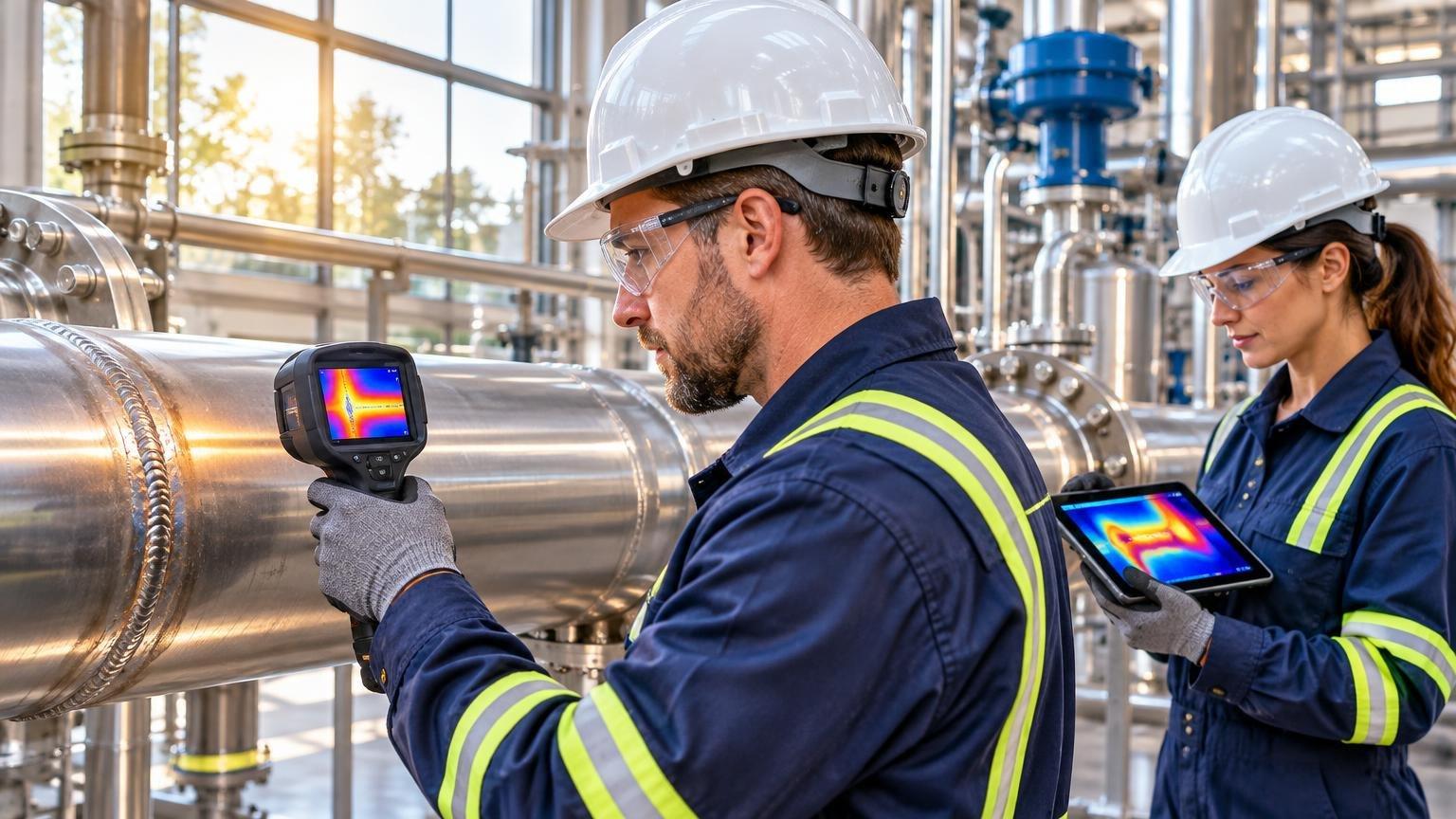
Inspection and documentation should be part of the repair plan from the beginning. Once welding is complete, we confirm weld profile, fit-up, reinforcement, alignment, root condition where accessible, and visible surface quality. Dimensional checks are especially helpful for piping and fabricated components that must fit into a tight final installation sequence.
The right nondestructive examination method depends on the component, service, weld geometry, repair specification, and expected failure mode. The plan may call for liquid penetrant examination, magnetic particle testing where appropriate, ultrasonic testing, radiographic testing, leak testing, or pressure testing.
Traceable records support a stronger closeout package. We recommend documenting material verification results, filler metal heat numbers, welding parameters, welder qualifications, inspection reports, and repair photographs. Clear records can support future maintenance decisions and make later reviews easier if the component needs attention again.
Prepare High-Risk Equipment Before Outage Windows Close
Before the holiday season and turnaround calendars become crowded, we recommend reviewing high-risk alloy equipment with known corrosion, recurring leaks, past weld repairs, wall-loss trends, or uncertain material records. Early coordination allows time to confirm the scope, site limits, inspection needs, equipment, and consumables without adding pressure to the outage schedule.
A well-planned exotic alloy repair gives your team a clearer path from inspection through startup. Confirming the material, damage mechanism, procedure, field controls, and verification steps before the outage helps reduce uncertainty when the plant is ready to return to service.
Get Skilled Support for Critical Alloy Work
Weldit provides practical field expertise for demanding repair scopes and outage schedules. See how our exotic alloy repair services can support your next project in Houston. To discuss your requirements with our team, contact us today.