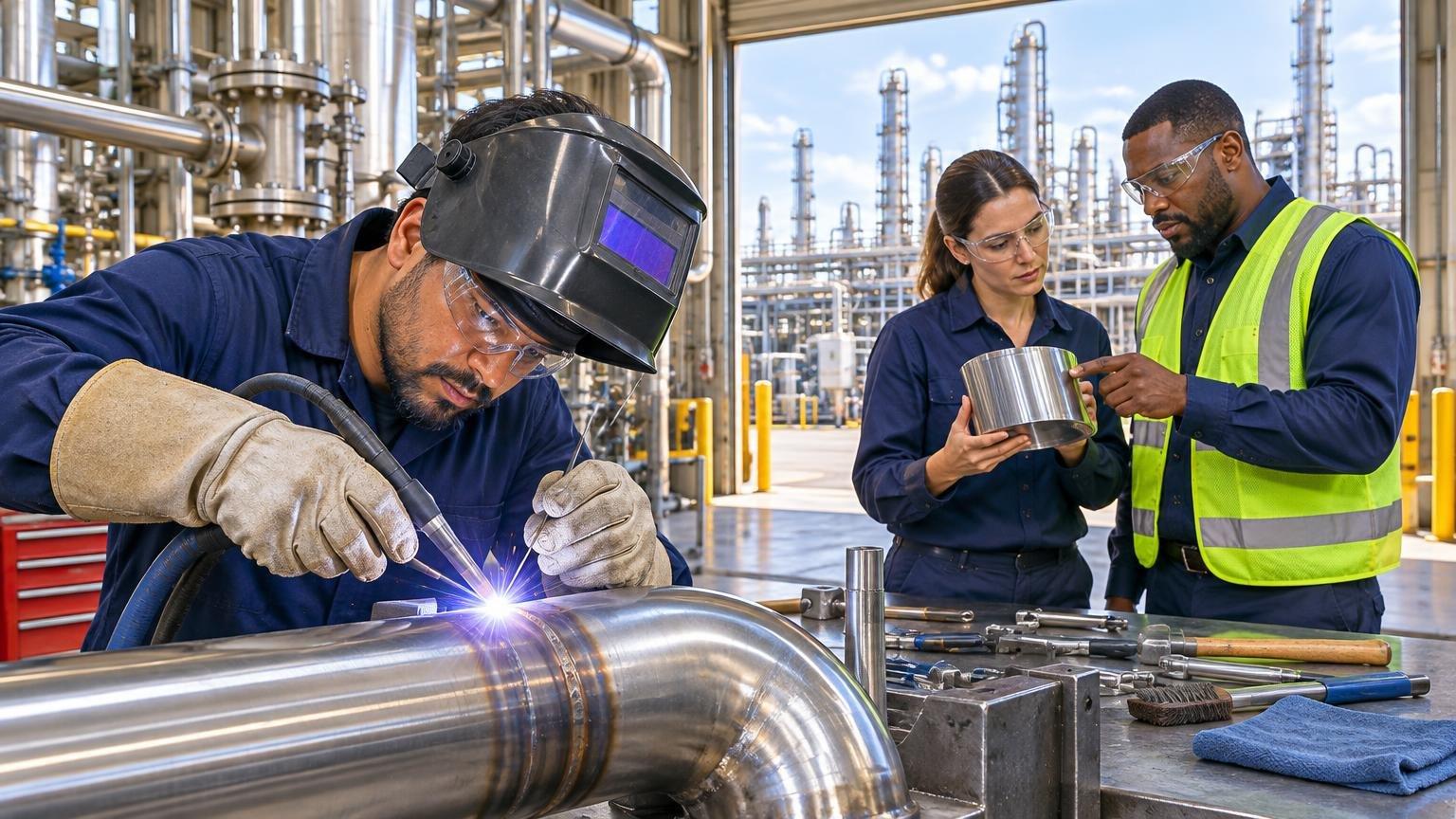
Thermal cycling inspections help us find welded joint stress before it turns into a leak, crack, distortion problem, or sudden shutdown. For facilities with equipment that heats, cools, starts, stops, vibrates, or carries changing loads, these inspections are a practical part of maintenance planning.
We look at how repeated temperature changes affect welds, where damage tends to appear first, and how inspection findings can guide safer repair decisions. Catching a concern early gives your team more control over timing, production planning, and repair scope.
Detect Weld Stress Before It Becomes a Failure
Every welded assembly expands when temperatures rise and contracts as temperatures drop. That movement may be small during a single operating cycle, but repeated cycling can place stress on weld toes, heat-affected zones, vessel connections, pipe supports, and structural attachments.
Even a properly installed weld can wear down over time when it works under demanding process conditions. Pressure, vibration, changing loads, and uneven heating can add to the strain. We often see the greatest concerns where a rigid component connects to a section that needs room to move.
During a thermal cycling inspection, we look for warning signs that may point to developing fatigue or movement issues, including:
- Surface cracking near welds or attachment points
- Discoloration, damaged coatings, or signs of overheating
- Distortion, misalignment, or thinning material
- Loose, damaged, or poorly positioned supports
- Visible movement around piping, connections, or fabricated components
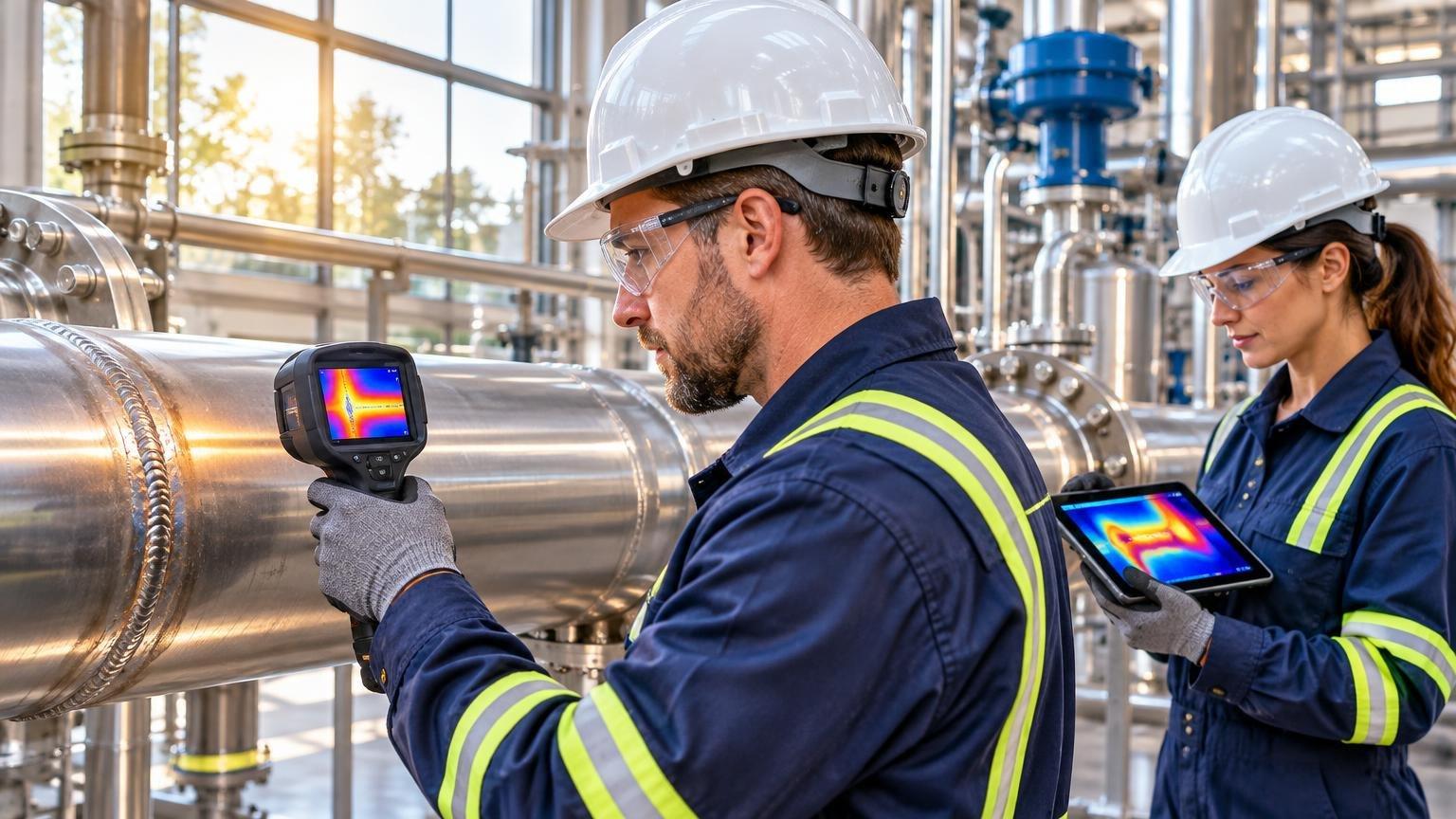
Visual inspection is often the starting point. Depending on the equipment, material, and operating conditions, we may recommend appropriate nondestructive testing methods for a closer look at weld integrity. The goal is to understand whether a visible concern is cosmetic, active, or likely to grow under continued service.
For facilities that operate around the clock, early detection can help reduce the frequency and severity of industrial welding repairs in Houston. A small repair planned during a maintenance window is generally far easier to manage than an emergency response after a failure interrupts production or creates a release concern.
Understand Which Equipment Faces the Most Stress
Thermal cycling can affect many types of industrial and commercial equipment. We pay close attention to assets that regularly change temperature or process load, especially in plants, processing facilities, energy operations, warehouses, and production environments.
High-risk equipment often includes process piping, pressure vessels, storage tanks, heat exchangers, boiler connections, pipe racks, equipment skids, structural steel, and fabricated supports. Stress can build where wall thickness changes, different materials meet, or a hot component connects to a cooler one.
Startup and shutdown cycles deserve special attention. Rapid temperature changes can create stress faster than the material can adjust, increasing the chance of fatigue-related damage. Batch operations, intermittent production schedules, and seasonal demand changes can all create cycling patterns that should be part of your inspection plan.
Outdoor equipment also deserves a careful review. In Greater Houston, heat, sun exposure, humidity, and frequent weather changes can affect exposed piping, supports, structural steel, storage systems, and equipment connections. Process temperature remains the main concern in many facilities, but outside exposure can make existing weaknesses easier to spot and harder to ignore.
Focus on High-Risk Weld Locations
Not every weld has the same level of exposure. A useful inspection plan starts with your operating history, maintenance records, repair documentation, leak reports, and shutdown notes. When the same area needs attention repeatedly, the visible weld issue may only be part of the problem.
Recurring damage can point to several underlying conditions:
- Inadequate or damaged pipe supports
- Vibration near pumps, motors, or other equipment
- Joint designs that restrict normal movement
- Uneven heating between connected components
- Process conditions that place repeated strain on the same area
Transition points are especially important. Welds joining different material thicknesses, shapes, or component types can expand and contract at different rates. We recommend close evaluation around valves, flanges, elbows, nozzles, supports, equipment interfaces, and structural attachments because these locations often concentrate stress.
When repair work is needed, accurate findings help us address the cause, not only the visible symptom. Welders who understand applicable AWS and ASME requirements can help ensure the repair scope matches the equipment's service conditions. That can reduce repeat industrial welding repairs in Houston facilities that face demanding temperature and load changes.
Turn Inspection Findings Into Smarter Repairs
An inspection is most helpful when the findings lead to a clear plan. We help teams sort concerns by urgency so they can protect people and equipment while making the best use of available maintenance windows.
Active leaks, visible cracks, severe distortion, compromised supports, and defects involving pressure-containing systems may need prompt attention. Other conditions can sometimes be monitored and scheduled for a planned outage, turnaround, or lower-production period. The right choice depends on the equipment, service conditions, and the potential impact of failure.
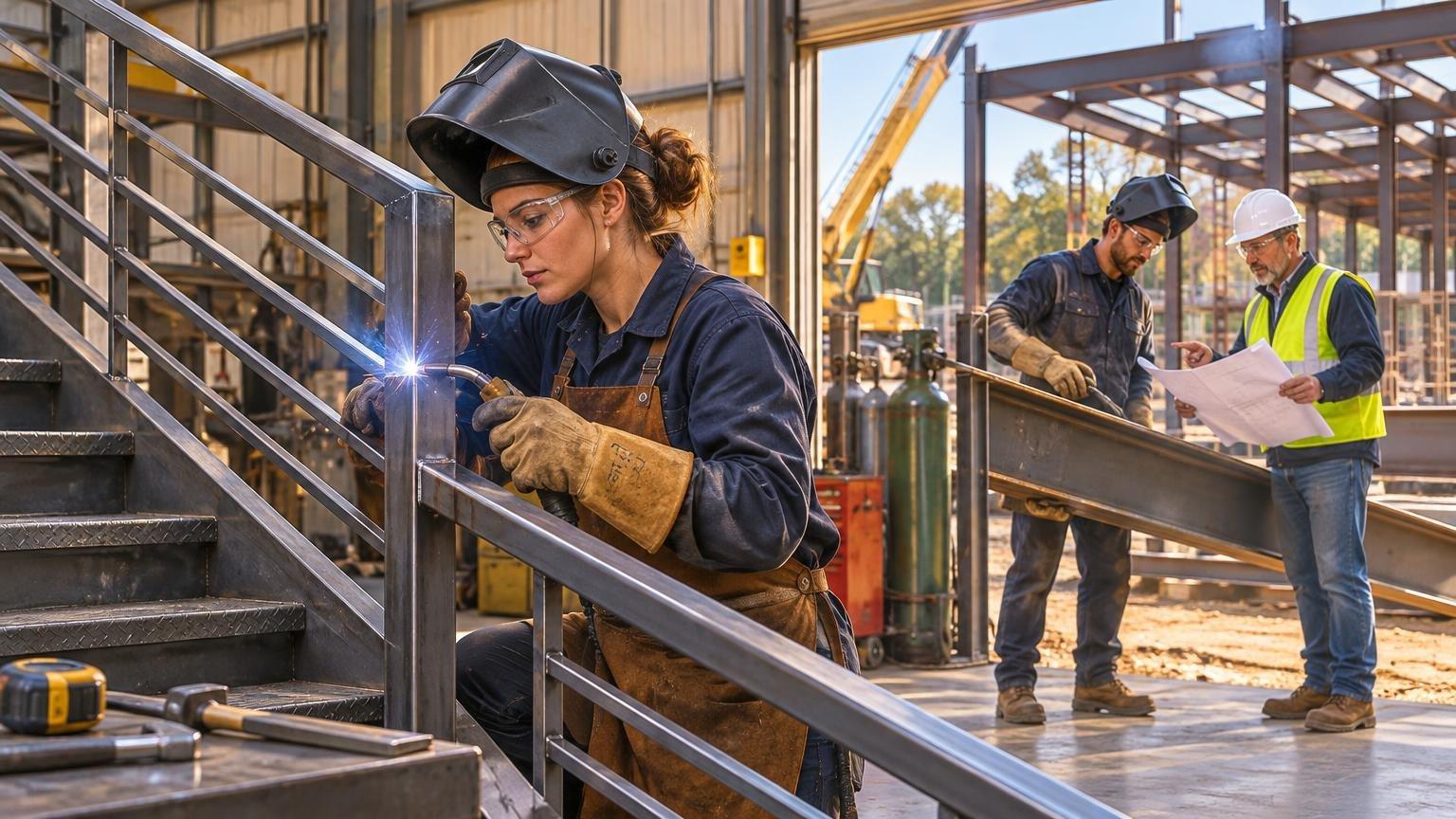
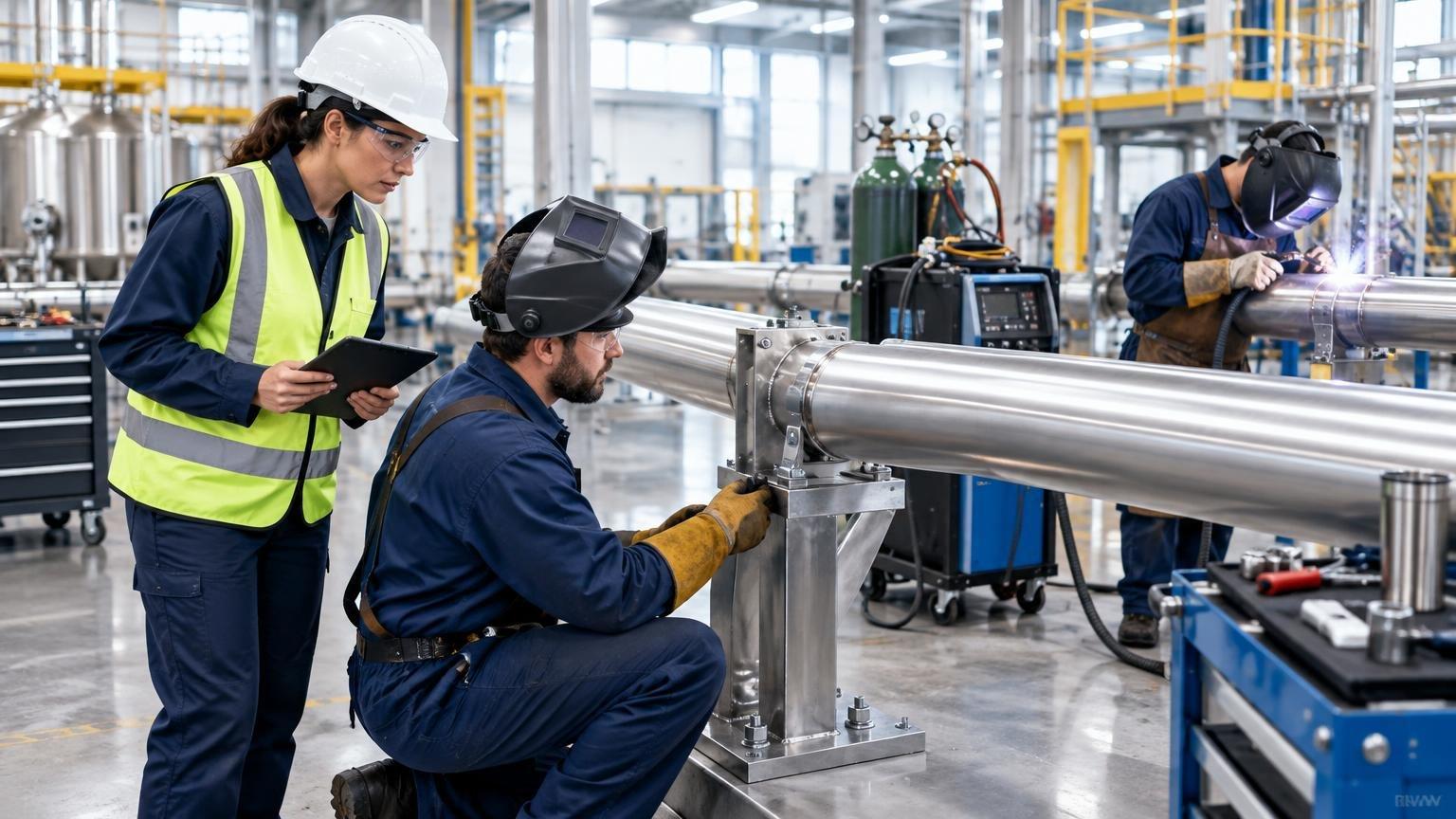
Mobile welding and onsite fabrication can be particularly useful when time matters. Our team can assess affected areas, prepare repair scopes, fabricate replacement components when needed, and coordinate work around access rules, safety procedures, and production schedules. Shop fabrication may also be a good fit when replacement sections or custom components need controlled preparation before installation.
Repeated thermal damage may call for a longer-term improvement instead of another identical repair. Depending on the condition, your team may need to consider revised support locations, better expansion allowance, replacement of damaged sections, structural reinforcement, or updated fabricated components that better match the operating environment.
Plan Ahead During the Holiday Season
November is a good time to review equipment before holiday staffing changes, year-end maintenance work, or reduced production periods affect your schedule. Planning inspections early gives your team time to review findings, prepare materials, and avoid rushed repair decisions.
We recommend documenting each inspection carefully. Note the repair location, type of damage, operating condition, support condition, and any pattern tied to startups, shutdowns, or process changes. Over time, those records can reveal where equipment needs closer monitoring or a more permanent fabrication upgrade.
A thoughtful thermal cycling plan protects more than a weld. It supports safer operations, steadier production, better maintenance scheduling, and a longer service life for the equipment your facility depends on.
Reduce Repair Downtime With Skilled Support
At Weldit, we help facilities address weld concerns before they disrupt critical operations. Our team provides dependable industrial welding repairs in Houston tailored to your equipment, materials, and production needs. Contact us to discuss your repair requirements and schedule service with our experienced team.