Cut Project Downtime with Smart Welding Cost Planning
Understanding how mobile welding services are priced helps keep your Houston projects on track. When you know what is behind the numbers, you plan better, avoid delays, and cut down on surprises in the field. That matters when crews, cranes, and shutdown windows all depend on welding work being ready on time.
Late in the year, many Houston facilities push to wrap up upgrades, shutdown work, and maintenance work before holiday schedules kick in. Plants, refineries, warehouses, and high-rises are all trying to get steel, piping, and equipment work done in tight time frames. Clear cost planning for welding is one of the easiest ways to keep those plans realistic and help you feel less stressed.
Our team at Weldit provides certified mobile welding and fabrication on-site and in-shop, with a focus on AWS and ASME code-quality work. We put this guide together to explain what really drives the price of a mobile welding job in the Houston area so you can line up the right work at the right time with fewer surprises.
What You Really Pay for in Mobile Welding Services
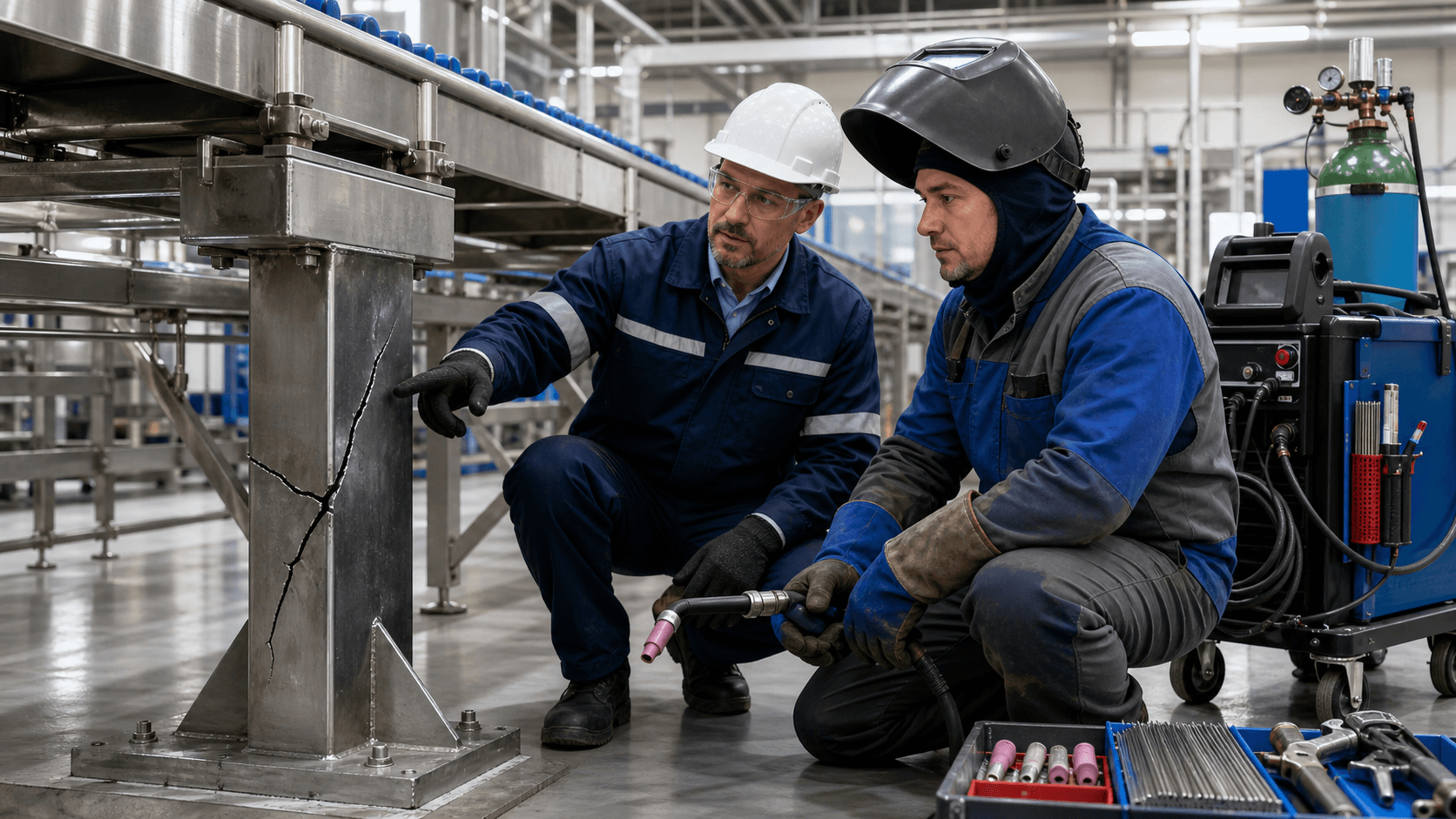
When you bring welders to your site, you are paying for a lot more than a hood and a spark. A typical mobile welding bill includes several core pieces that all connect to the quality and reliability of the finished work, including labor, equipment, consumables, and the business overhead required to do the work safely and compliantly.
Key cost components usually include:
- Labor for certified welders and helpers
- Truck and rig costs
- Welding machines and specialty equipment
- Consumables like wire, rods, gas, and abrasives
- Overhead such as insurance, certifications, and QA documentation
Certified welders who work to AWS and ASME standards follow approved procedures and keep to specific steps. In practice, that structure can add time through joint prep and fit-up, procedure compliance, and required checks, but it also increases consistency and reduces the chances of failure or rework.
That can mean:
- Extra time for joint prep and fit-up
- Following written welding procedures (WPSs)
- Staged passes and controlled parameters
- Required inspections or testing when the code calls for it
All of this affects how long the job takes, but it also supports safety and compliance for your facility. When you read a quote or invoice, it helps to think in terms of the common cost buckets rather than focusing only on an hourly rate, since mobilization, staffing mix, materials, and documentation can change the real total.
For example, you might see:
- Mobilization or trip charge
- On-site welding labor
- Helper or fitter labor
- Material or consumables
- Shop fabrication, if parts are built ahead of time
- QA, inspection, or documentation fees
When you compare bids, try to match these parts side by side. A low hourly rate without the right qualifications or a code-quality approach may cost more in rework, outages, or inspection issues later.
How Houston Location and Site Conditions Impact Price
Houston is big, busy, and full of different types of sites, and that affects how mobile welding services are planned and billed. Two jobs with the same weld length can have very different cost profiles if one is an easy ground-level repair and the other is on the tenth floor with tight security.
Jobsite access can influence total billable hours because time spent getting cleared, staged, and positioned is still part of the working day. Delays often come from administrative and movement requirements rather than the welding itself.
Factors include:
- Check-in and badging time
- Site safety orientations
- Escort requirements in secure plants
- Long walks or lifts from staging to work area
Plant security rules, fire watch needs, and hot work permits can also stretch the day if they are not planned. At refineries, process plants, or heavy industrial sites, it is common to have strict procedures that must be followed before a single arc is struck.
Regional factors across Greater Houston also matter, especially when travel time and scheduling friction affect when a crew can actually start producing welds. Traffic, toll routing, and even where a rig can park can change the plan for the day and the final cost.
Regional factors across Greater Houston also matter, such as:
- Travel distance from the shop
- Typical traffic patterns at your start and end times
- Use of toll roads to stay on schedule
- Parking limits for welding trucks or trailers
- Crane or lift access windows
Outdoor work in late September still comes with heat and humidity, which can affect pacing, breaks, and safe work practices. Indoor work may need special ventilation, fume control, or extra housekeeping. In petrochemical and other industrial settings, there may be added safety steps around combustible materials, which all add time and planning into the welding day.
Time, Materials, or Turnkey Bid: Pricing Models Explained
Mobile welding services are usually billed using one of a few common models. Knowing which one fits your project can help you control cost and keep expectations fair for everyone.
Typical approaches include:
- Time and materials (T&M) hourly rates for labor and equipment
- Flat day rates for a full rig and crew on site
- Fixed-price or turnkey bids for a well-defined scope
T&M often makes sense for emergency repairs, unknown damage, or shutdown work where nobody can predict every step until things are opened up. You get the crew on site quickly, then pay for actual time and consumables as the work unfolds.
Fixed-price or turnkey bids work better when the scope is clear. For example, if you have drawings, clear measurements, and a known installation path, a shop can pre-fabricate parts and price the full install as one number. This is where your prep really pays off, because better inputs reduce unknowns and the contingency a provider may need to include.
Helpful items include:
- Clear written scope of work
- Current drawings or sketches with dimensions
- Photos or videos of the work area
- Notes about access, power, and lifting points
- Any required codes or inspection standards
The clearer your information, the less contingency a welding provider has to build into the price for unknowns.
Code-Quality Work, Inspections, and Hidden Cost Savers
AWS and ASME code-quality work can look more expensive on paper at first glance, but it often saves money and stress across the life of your facility. Certified welders, qualified WPSs, and proper inspection steps all push the work toward long-term reliability instead of quick patch jobs.
Some common elements of code-quality work are:
- Using qualified welding procedures suited to the material and service
- Proper joint prep and fit-up before welding starts
- Following required preheat or interpass temperature limits
- Documented inspections, such as visual exams and, when needed, NDT
Skipping this structure can lead to problems that show up much later. Poor fusion, cracking, or distortion may not be obvious on day one but can turn into unplanned outages, leaks, or structural issues. Those events often cost far more in lost production, emergency repairs, and safety concerns than the original weld ever did.
In Houston, this matters across many typical use cases, such as:
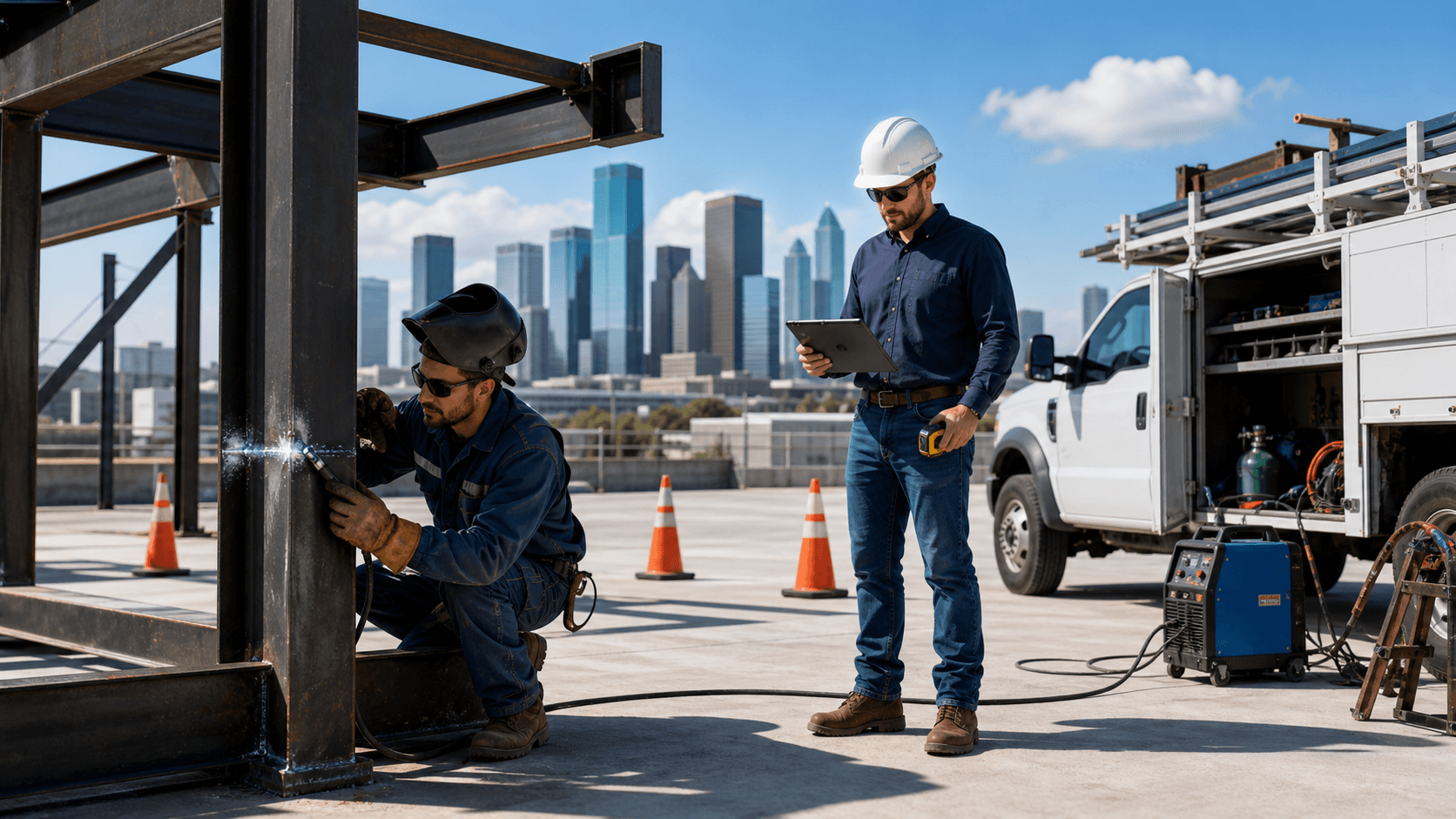
- Structural steel tie-ins for mezzanines or platforms
- Process piping repairs or small reroutes
- Equipment frames and support skids
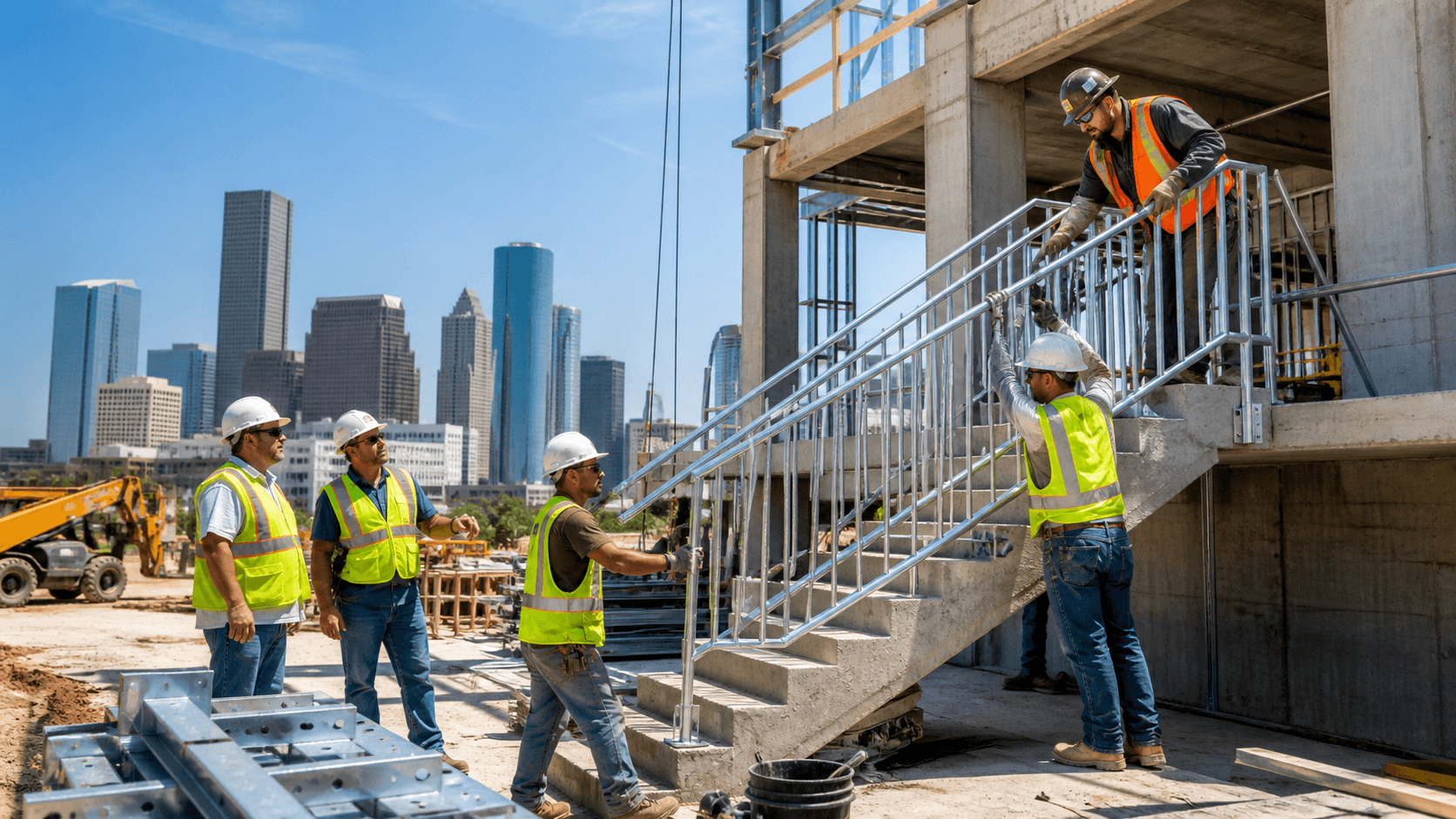
- Guardrails, ladders, and access structures
When these items meet the right welding standards, facilities lower their risk of failure, improve inspection outcomes, and protect people working around the steel or piping every day.
Getting a Clear, No-Surprise Quote for Your Houston Project
The best way to get a clean, predictable quote for mobile welding services is to share solid details upfront. A little prep on your side helps the welding provider understand your site, your schedule, and any special requirements, which reduces back-and-forth and helps prevent change orders driven by missing information.
Before you request pricing, gather:
- Exact site location and any special access notes
- Photos of the work area and existing conditions
- Drawings, sketches, or dimensions if available
- Required codes or standards, such as AWS or ASME
- Inspection needs or QA documentation requirements
- Target dates, shutdown windows, and working hours
To keep costs under control once the work is booked, you can:
- Bundle several small welding tasks into one mobilization
- Plan work during scheduled outages or low activity times
- Make sure the area is cleared and ready before the crew arrives
- Confirm power, lighting, and lifting equipment are available
- Coordinate with your safety team so permits are ready early
Our team at Weldit is built around mobile welding and fabrication for industrial, commercial, and custom metalwork projects across major Texas metros, including Houston. When you understand what is behind the pricing and how site conditions and codes shape the work, it becomes much easier to plan welding into your projects with fewer delays and far fewer surprises.
Get Started With Reliable Mobile Welding Services Today
If you are ready to keep your project on schedule with precise on-site repairs or new installs, our team at Weldit is here to help. Explore our specialized mobile welding services to handle complex commercial and hydronic piping work with minimal disruption to your operations. Tell us about your project and timing, and we will provide a clear plan and straightforward pricing. Have questions or need a faster turnaround window, just contact us and we will respond promptly.