Why Houston Facilities Rely on Gas-Shielded Arc Welding
Gas-shielded metal arc welding is at the heart of a lot of work inside Houston plants, warehouses, and terminals. Structural steel, process piping, and equipment supports all depend on strong welds that hold up under heat, vibration, and constant use. When those welds are sound, you get fewer surprises and a smoother schedule.
Across the Houston area, industrial sites, petrochemical facilities, and large commercial buildings lean on this process to keep steel frames tight and process lines running. Good welds help reduce leaks, cracks, and movement that can grow into bigger issues over time. For facility managers, that means less risk of last-minute shutdowns when you can least afford them.
Poor welds are a different story. A cracked support, a leaking spool, or a failed bracket can lead to unplanned downtime, safety concerns, and emergency repairs right when production is peaking. Late summer is already packed with maintenance, outages, and high demand, so the welding work needs to be steady, clean, and predictable.
What Gas-Shielded Metal Arc Welding Actually Is
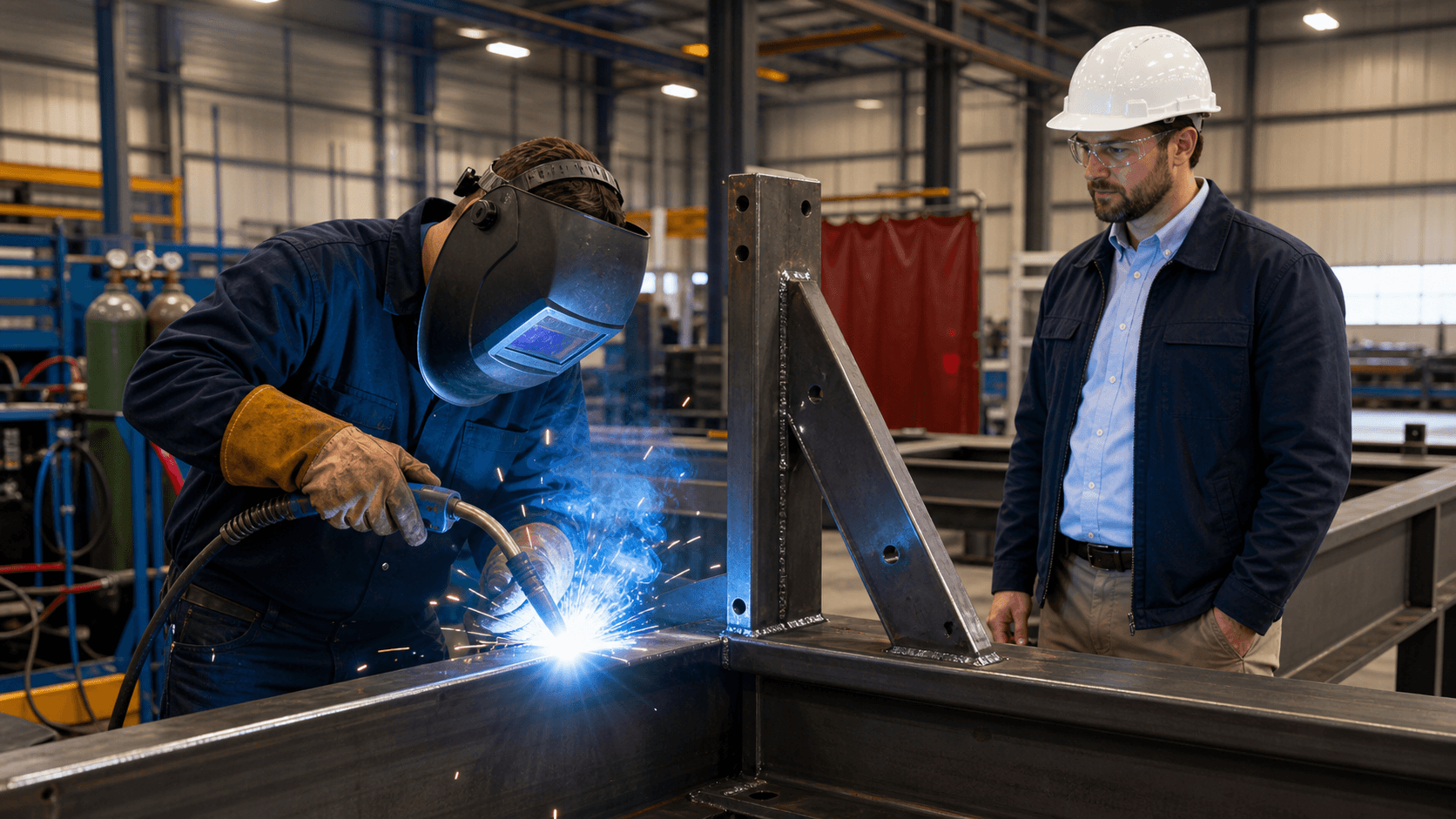
Gas-shielded metal arc welding, also called GMAW or MIG welding in many shops, is a process that uses three basic pieces working together. An electric arc creates heat, a wire electrode feeds into the joint and becomes the filler metal, and a shielding gas protects the molten weld from the air. When these are set up correctly, the result is a clean, controlled weld bead.
Here is how it compares with a few other common methods:
- GMAW vs stick welding: GMAW usually runs faster, with less slag to chip and less cleanup. Stick can be handy in some field conditions, but it often leaves more spatter and takes longer between rods.
- GMAW vs flux-core: Flux-core wire has its own shielding from flux in the wire, which can help in windy spots, but it often creates more smoke and cleanup than gas-shielded wire. GMAW tends to give a smoother, cleaner finish when conditions allow.
The shielding gas itself matters. Different gas mixes change how deep the weld penetrates, how the bead looks, and how much spatter you get. In many Texas industrial settings, gas blends are chosen to balance:
- Strong penetration into the joint
- A stable, easy-to-control arc
- Clean appearance with lower spatter
When the right gas mix is paired with the right wire and settings, the process becomes more repeatable and easier to qualify for codes and specs.
Key Advantages for Houston Industrial and Commercial Sites
For busy facilities, gas-shielded metal arc welding brings some clear advantages that show up during shutdowns, tenant buildouts, and fast-track repairs. One of the biggest benefits is speed. The wire feeds continuously, so there is less stopping and starting, and there is usually less time spent grinding and cleaning after each pass.
Some of the productivity gains include:
- Faster deposition rates, so more weld metal goes in the joint each hour
- Less slag and spatter to remove between passes
- Better fit for tight outage windows when every hour is planned
Weld quality is another big plus. With good procedures and trained welders, GMAW can offer consistent weld size and shape, lower porosity, and better control over heat input. That matters a lot for:
- Structural beams and columns that carry building loads
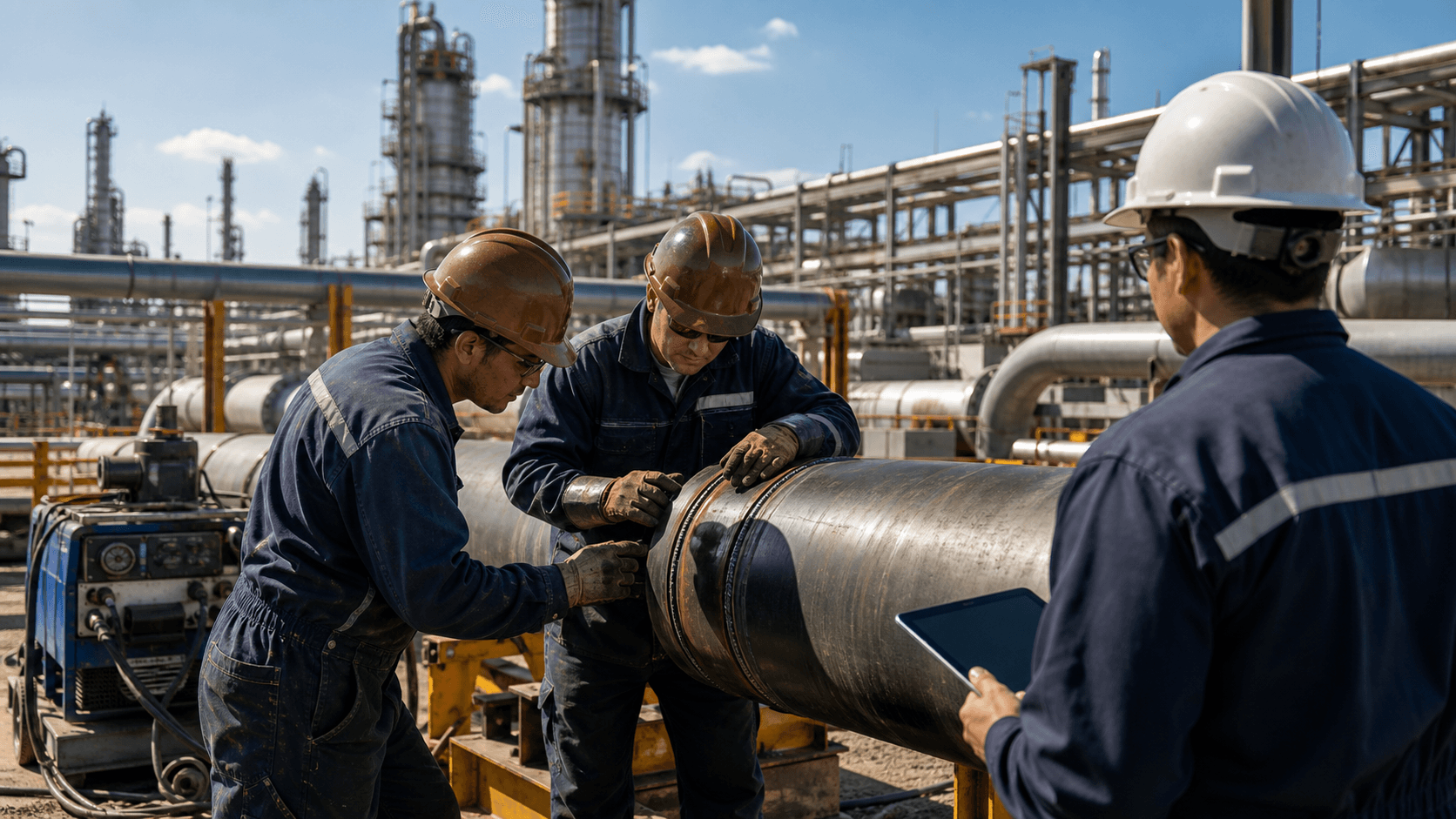
- Pipe spools that see pressure and temperature swings
- Skid packages and equipment frames that face vibration
Heat control helps reduce distortion on thinner members and helps keep thicker joints fully fused. Over time, this supports longer service life for steel structures and equipment. Fewer defects also mean less rework, fewer returns to the same area, and better alignment with client specifications and inspection standards.
All of this ties directly into risk for facility managers. Strong, repeatable welds help protect people and property, lower the chance of surprise failures, and keep your maintenance and project plans on track.
Managing Heat, Humidity, and Field Conditions in Houston
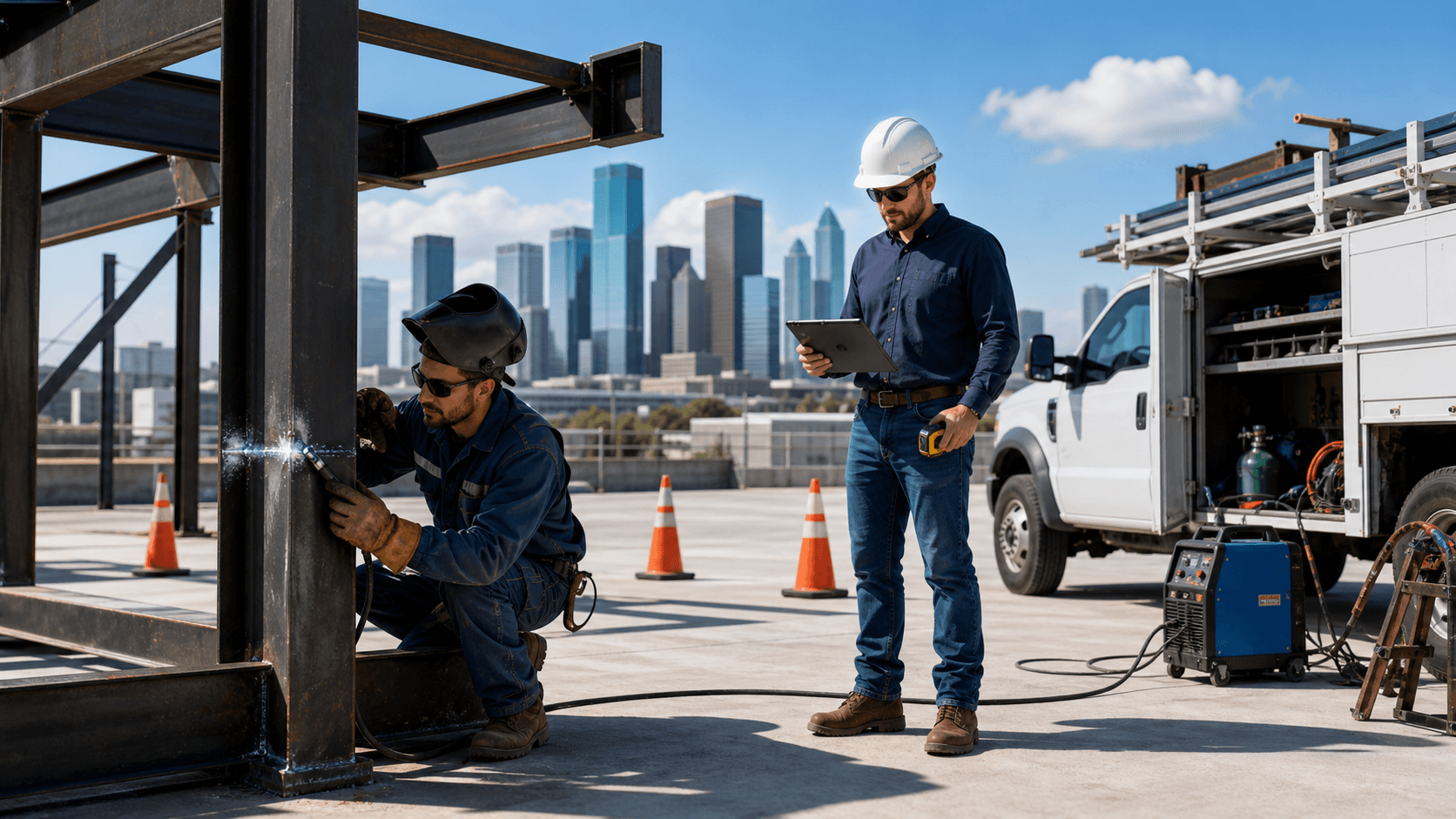
Houston's climate brings its own challenges for welding work. High heat, sticky humidity, and quick afternoon storms can affect both the process and the people doing the job. Shielding gas can get blown away by wind or rising air, equipment can run hot, and workers need more breaks and hydration to stay safe.
For outdoor or elevated work, protecting the gas shield is a big focus. Some common best practices include:
- Using windbreaks, screens, or temporary barriers around the weld area
- Planning weld direction and torch angle to stay inside the gas envelope
- Adjusting gas flow within safe limits to help compensate for mild drafts
- Avoiding welding in strong wind where gas coverage cannot be trusted
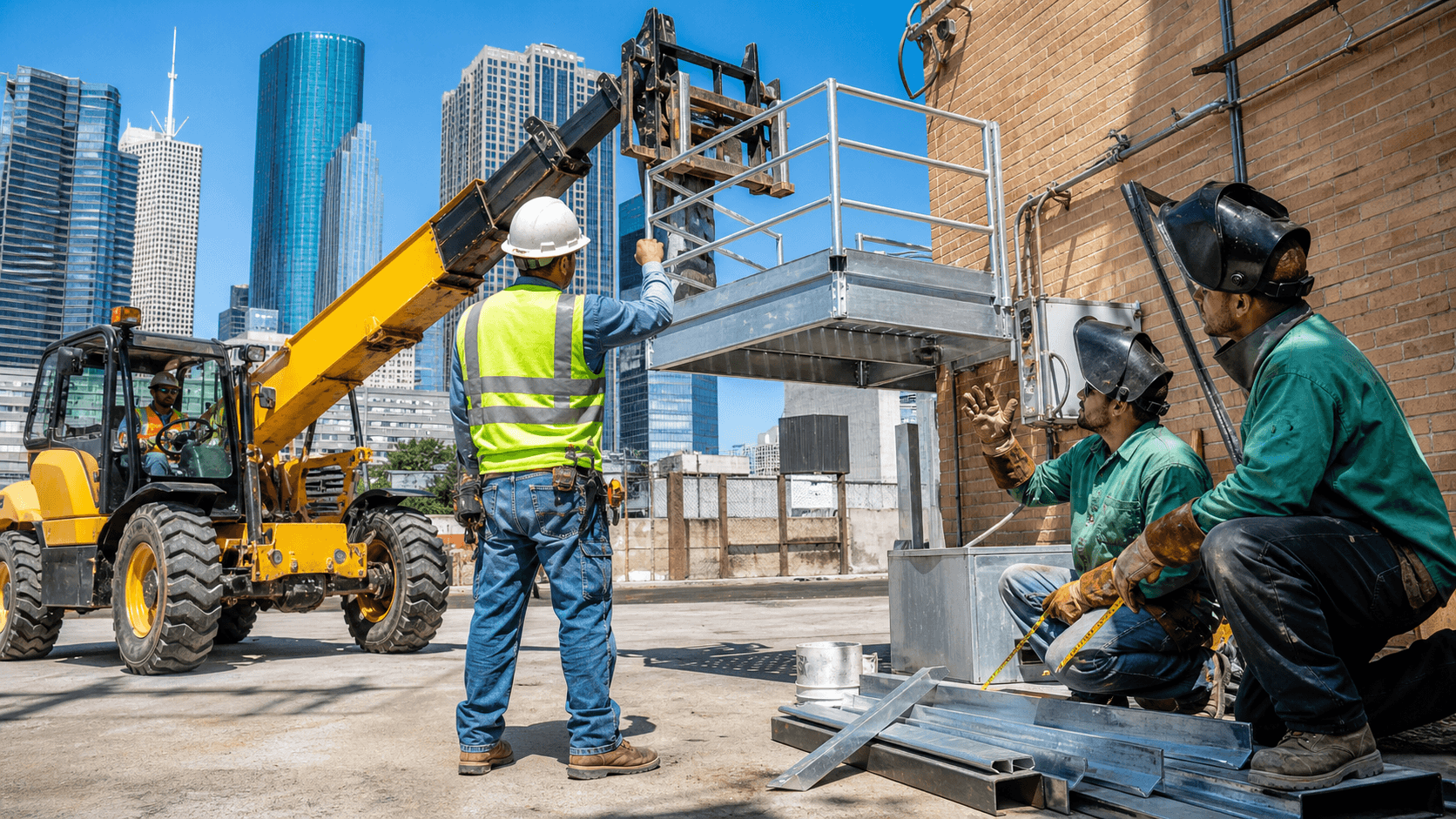
On busy plant decks or warehouse roofs, space and access can get tight. That is where organized mobile welding crews are important. They arrive with the right power sources, gas cylinders, leads, and environmental controls to set up safe, workable weld zones. The goal is to complete the work while staying out of the way of ongoing operations, forklift lanes, or process traffic.
What Facility Managers Should Verify Before Any Weld Starts
Before an arc is struck, a clear pre-weld check helps everyone know what is happening and why. A simple checklist can prevent a lot of headaches later. Key items to verify include:
- Welding process choice, including whether gas-shielded metal arc welding is the right fit for location and material
- Base metal identification and any coatings or contaminants that must be removed
- Welding procedure details, including positions, joint design, and pass sequence
- Access for workers, tools, and lifts, especially for high or tight spots
- Support or lifting plans for heavy sections or long spools
Certification and documentation also matter. For load-bearing structures and pressure lines, facility managers should confirm that:
- Welders are qualified for the process, position, and material group
- Written procedures and parameters are available and followed
- Inspection plans, including visual checks and any required testing, are agreed on in advance
Communication might be the most important piece. This includes scheduling outage windows, arranging hot work permits, confirming fire watch coverage, and planning safe routing for welding leads and gas hoses so they do not create trip hazards or block emergency paths. When all of that is sorted before the first weld, the whole job tends to go smoother.
Partner with a Certified Mobile Welding Team You Can Trust
Gas-shielded metal arc welding is a strong choice for many structural and piping tasks around Houston facilities, but only when it is paired with the right planning and crew. As you look at upcoming maintenance, expansions, or repair work, it helps to flag where this process might shorten your outage or improve the final result.
A mobile team that focuses on industrial, commercial, and specialty welding can support you with onsite work like emergency repairs, structural changes, pipe spooling tie-ins, and skid package installation around Houston plants and warehouses. With Weldit, you get a welding and fabrication contractor that brings certified mobile welding service directly to your facility so you can keep your focus on production, safety, and the next shutdown on your calendar.
Get Started With Precision Welding Solutions Today
If you are planning a complex piping or structural project, our team at Weldit can apply proven gas-shielded metal arc welding techniques to meet strict performance and code requirements. We partner with you from planning through final inspection so your system is built for long-term reliability and safety. To discuss specifications, timelines, and pricing, simply contact us and we will help you move your project forward efficiently.