Cut Downtime with Smart Welding Repair Decisions
When something breaks in your unit, you do not have time to guess your way through repair choices. Every hour of delay can hit production, push schedules, and add stress across the plant. For many facilities needing industrial welding repairs in Houston, the real question is simple: do you fix it in place with mobile support, or pull it and send it to a shop?
That choice affects outage length, access costs, and safety exposure. It also shapes how well the repair lines up with AWS or ASME code requirements. In the fall maintenance and turnaround season, when projects stack up and crews are stretched, having a clear way to make that call can keep problems from snowballing into long outages.
A decision tree gives maintenance and reliability teams a structured path to follow. Instead of arguing based on habit or preference, you walk through access limits, load and path constraints, contamination controls, and downtime cost modeling. By the end, it should be obvious when mobile welding support beats shop repair, and when it does not.
Map the Repair Scenario Before You Call a Rig
Before anyone orders a crane, pulls a pump, or cuts a spool out of a rack, stop and map the problem. Start with simple, direct questions:
- What exactly failed, and how did it fail
- Where is it located in the facility
- Which code or standard applies, such as AWS or ASME
- How critical is this item to operations and safety
Classifying the item is a big step. Is it safety critical, like pressure boundaries or structural steel that carries major loads? Or is it noncritical, like a support that has backup load paths or a non-pressure guard? That label sets the urgency, the level of documentation, and how much risk you can accept while planning.
You also want the best data you can gather fast, such as:
- Recent NDT results or inspection notes
- Drawings, isometrics, and any relevant P&IDs
- Clear photos or videos of the failure area
- Past repair records for that same component
- Current and normal process conditions, including temperature, pressure, and media
With that package, a qualified welding contractor can do a strong pre-assessment. At Weldit, we rely on remote review and then a focused walkthrough. We look at whether on-site certified welding can meet code, quality, and schedule, or if removing the component for shop work will give a better long-term result. The point is to pick the path that hits safety, code, and uptime together.
Access Limits and Load Path Risks at the Worksite
Many Houston facilities do not give you easy access. Repairs often live in tight pipe racks, tall structures, modular skids, or cramped units. Confined spaces, narrow platforms, and crowded steel can turn a simple weld into a rigging nightmare if you try to remove equipment.
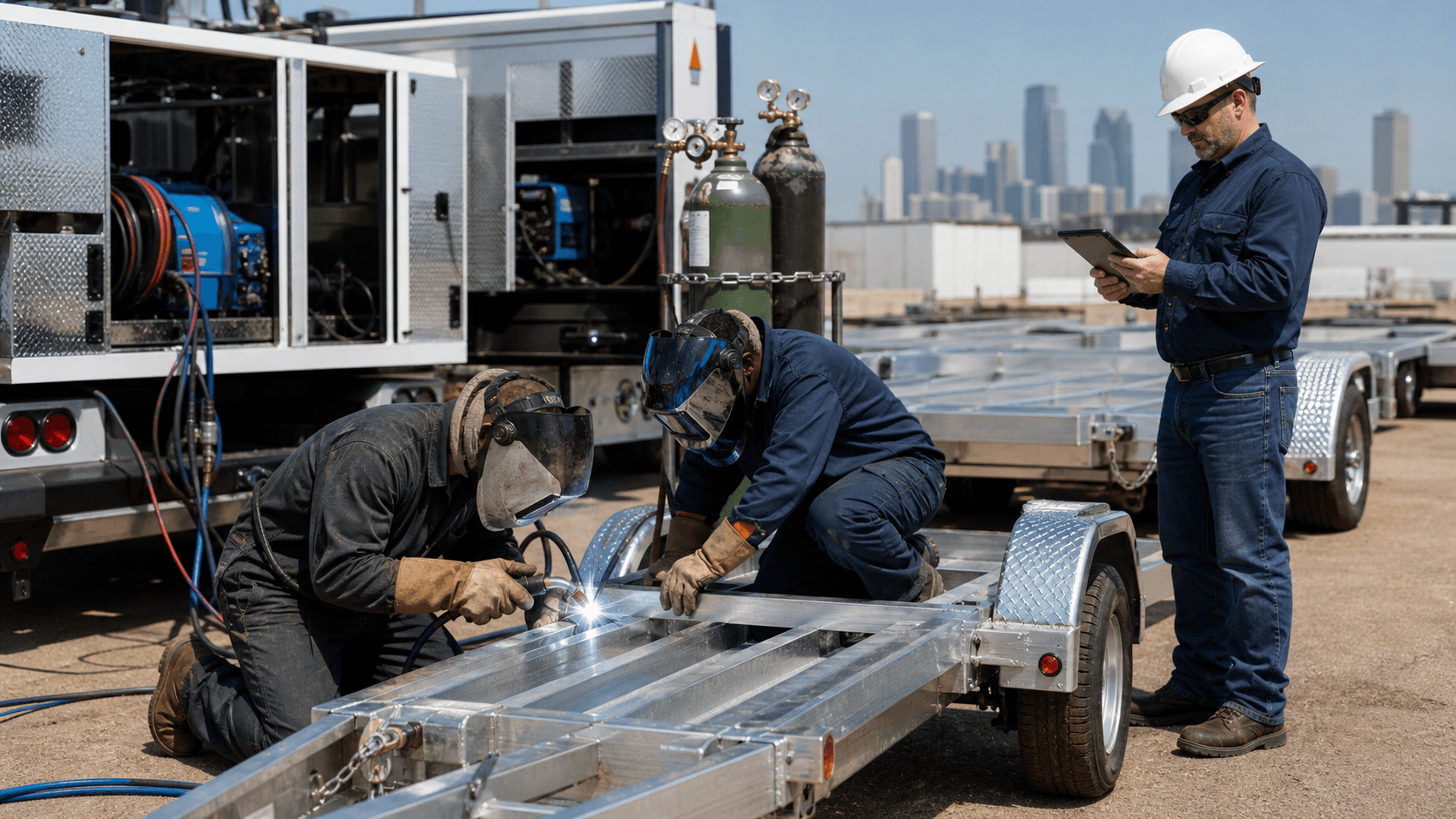
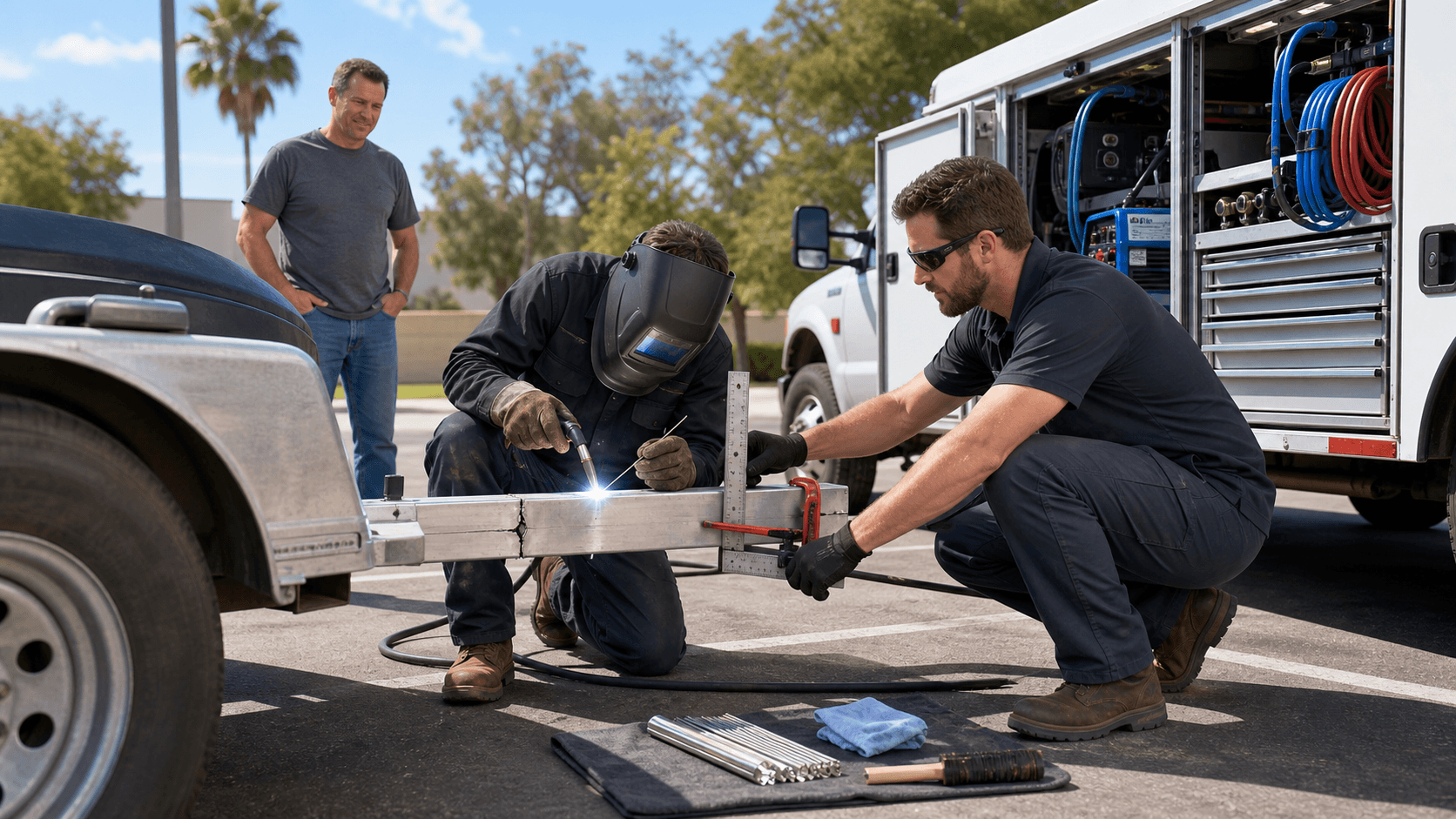
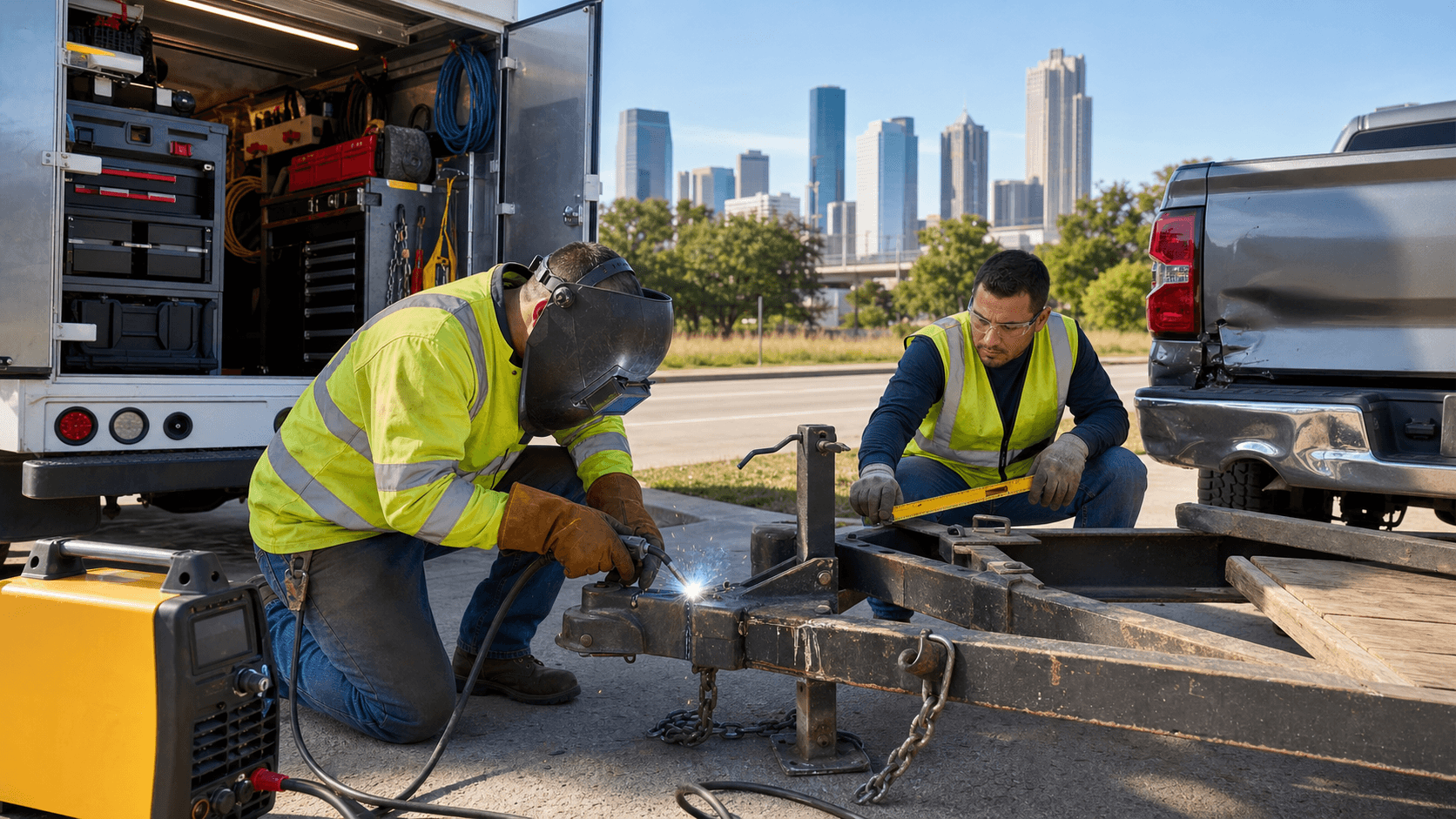
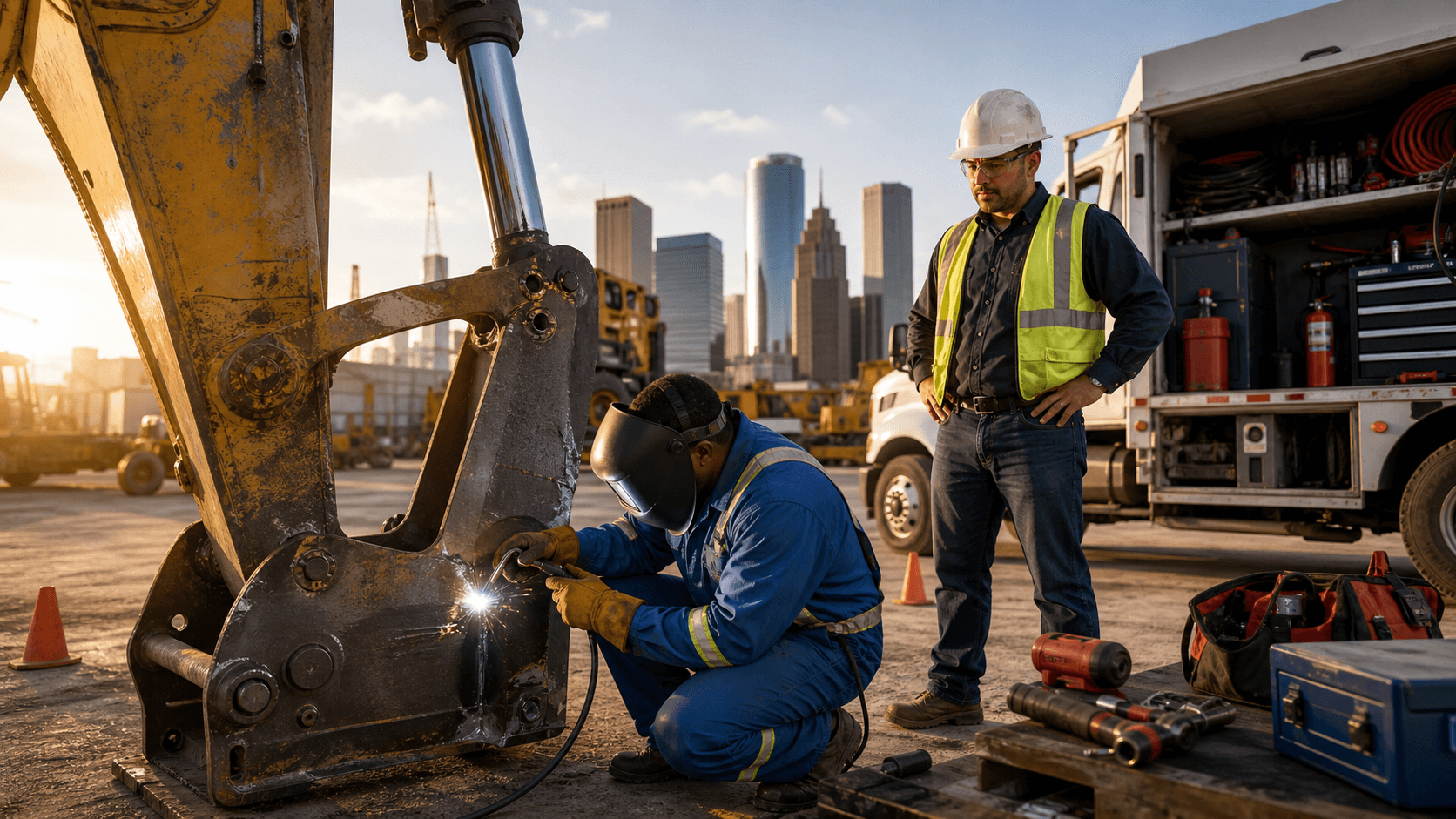
In these cases, mobile welding support can cut out a lot of cost and risk by avoiding disassembly. If you can safely bring welders, power, shielding gas, and tools to the failed item, you avoid:
- Heavy crane picks in tight spaces
- Breaking and remaking multiple process connections
- Moving pipe runs that have settled into place
- Temporary shoring or extra bracing just to remove a piece
Load and path concerns matter just as much. Many supports, saddles, and structural members are part of a bigger load path. Pull one piece and you can shift loads, disturb alignment, or open up new hazards. A support that looks simple may be carrying a share of piping weight or acting as a brace in a frame.
A practical rule of thumb helps. If you can:
- Provide safe access for certified welders and gear
- Keep clear working positions for proper weld technique
- Maintain compliance with site safety rules
- Avoid disturbing critical alignment or structural stability
then mobile welding is often the better choice. Keeping the component in place lets you preserve the existing load path and alignment while still repairing to code.
Contamination Control and Code-Driven Quality Calls
Not every weld belongs in the field. Houston industrial sites deal with corrosive media, hydrocarbon residues, and process vapors that like to hang around. Add seasonal humidity swings, and you can have a weld zone that wants to stay damp or dirty no matter how much you clean.
For carbon steel on general service, a skilled mobile crew can usually clean, preheat as needed, protect from wind and moisture, and make sound welds. The challenge grows when you move into higher alloy materials, tight ASME pressure boundaries, or client specs that demand very narrow heat inputs and strict procedures.
A controlled shop environment often wins when:
- You are working on high-alloy or exotic metals
- The weld needs very precise temperature control
- Code or client specs call for detailed procedure qualification and records
- The component needs extensive NDT with easy access all around
The key trigger is simple. If you cannot reliably clean, dry, and shield the weld area in place, or if the environment could compromise heat treatment or weld metal quality, shop repair becomes the safer choice. When code and quality requirements look more like a lab environment than a field job, pulling the part for shop work lines up better with long-term reliability.
Modeling Downtime Costs for Houston Facilities
Many teams look at repair time and stop there, but downtime cost is more than "how long until the weld is done." You want to capture the full picture of what the outage does to your site. That includes:
- Direct repair labor and materials
- Lost production per hour or per shift
- Overtime for operators, planners, and safety staff
- Temporary bypasses, staging, and field changes
- Rental cranes, lifts, and other access gear
- Permitting, hot work approvals, and re-inspection time
Mobile welding often trims the calendar by cutting out transport, waiting in shop queues, and reinstalling components. The weld itself may take the same time in the field or in the shop, but the overall path from "failed" to "back online" can be much shorter when the asset never leaves its spot.
On the other hand, some complex repairs go faster in a shop once the part is on a workbench. Access is better, prep is easier, and all the right tools are within reach. The catch is the extra hours or days wrapped up in rigging, trucking, and putting everything back.
A simple decision tree can help. If the expected downtime savings from mobile welding are greater than the added setup, access, and safety planning costs, and you can still meet code and quality needs, mobile support comes out ahead. If not, or if you run into contamination or code triggers, shop repair is the better move.
Put the Mobile vs Shop Decision Tree to Work Now
Fall is when many Houston facilities plan turnarounds, tie-ins, and upgrades. That is the right time to lock in a straightforward decision tree for welding repairs so you are not debating in the middle of an outage.
A practical checklist might include:
- Access and egress limits for people and gear
- Load and path impact from removal or in-place repair
- Contamination risks and cleaning options
- Code level, client specs, and NDT scope
- A quick downtime model comparing mobile versus shop
When maintenance, safety, and engineering teams agree on these steps ahead of time, every repair call moves faster. Instead of arguing about habits, you walk the same tree, reach the same answer, and keep your focus on safe, code-compliant, and reliable work.
Weldit works in industrial, commercial, and custom metal settings across Houston and other Texas markets, so we see these choices every day. By shaping and using a clear decision tree for industrial welding repairs in Houston, facilities can cut risk, control cost, and keep unplanned downtime from taking over their schedules.
Get Started With Your Project Today
If your equipment is down or showing early signs of failure, Weldit is ready to step in with reliable industrial welding repairs in Houston. We work with your schedule to minimize downtime and keep your operation running safely and efficiently. Tell us about your project, and our team will recommend the best repair approach for your specific needs. To schedule service or request a quote, simply contact us today.