Get Back on the Road Faster With Mobile Aluminum Repair
A trailer problem has a way of stopping everything. You are loaded up for a family trip or headed to a big job, then you spot a cracked frame, a broken ramp, or a bent fender. Now, the question hits: do you tow it to a shop and lose days, or do you cancel plans and wait?
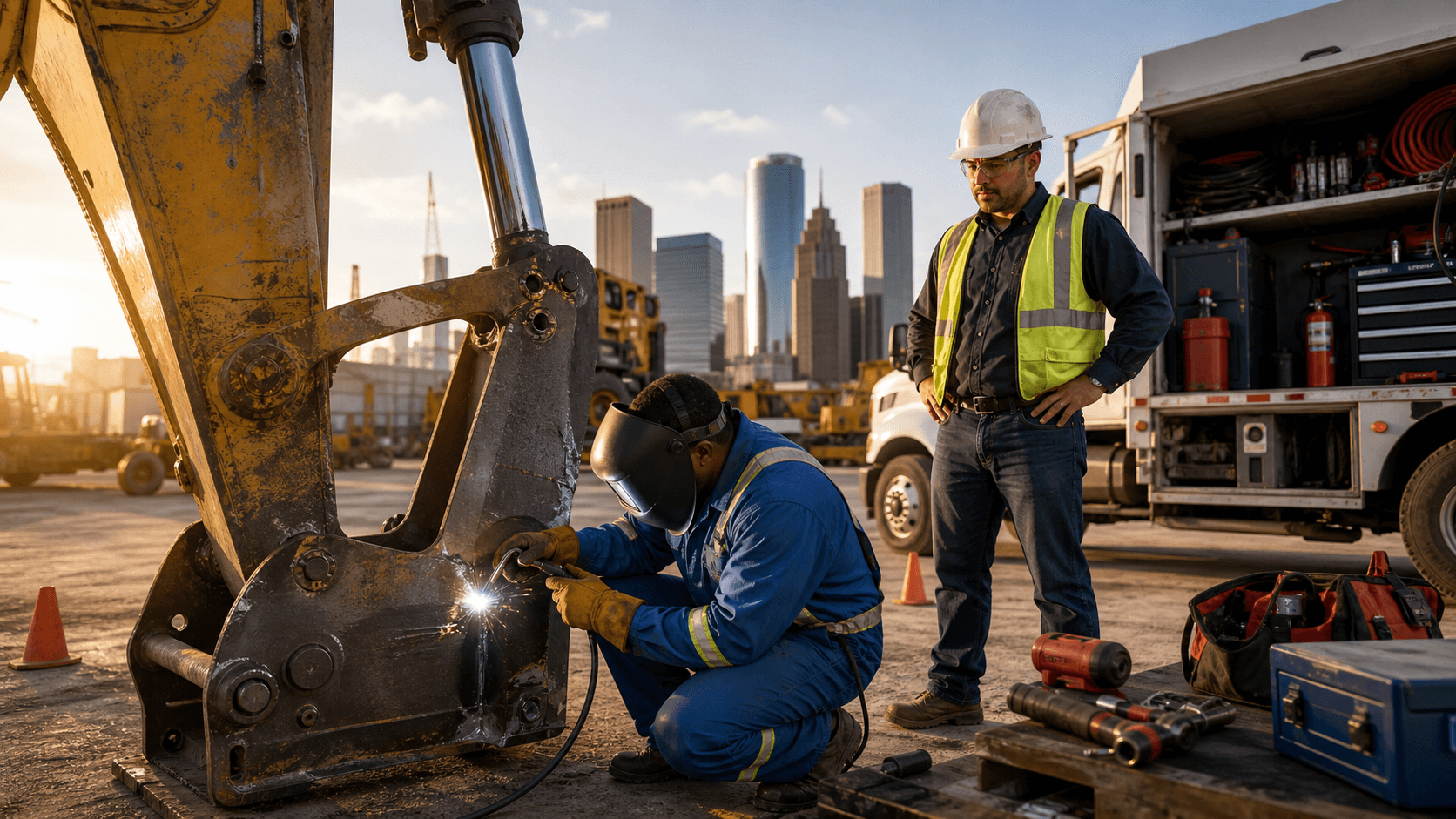
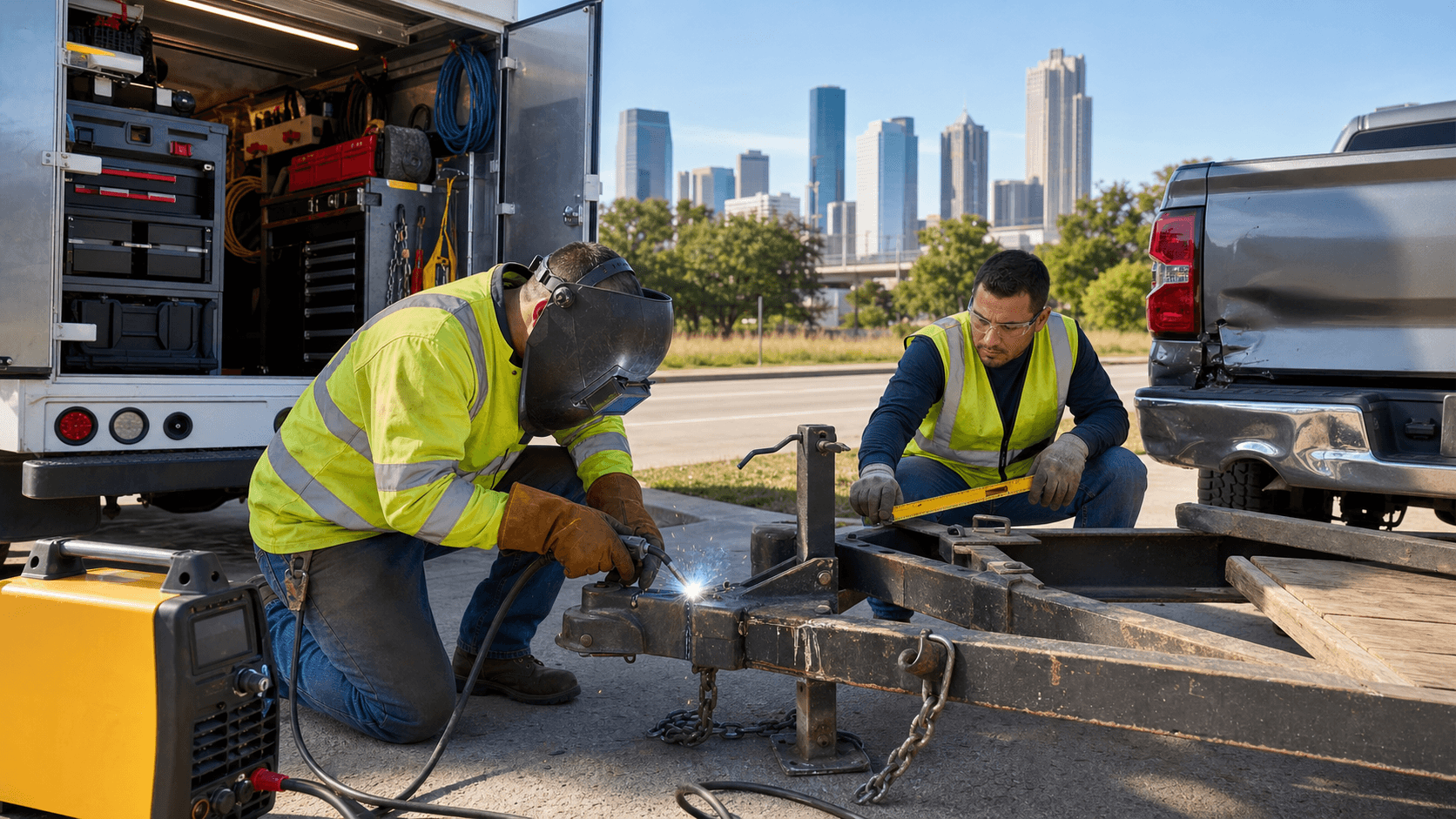
With a mobile aluminum welder, there is another option. The welder comes to the trailer where it sits, whether that is in a driveway, at a ranch, at a plant, or on a jobsite. That means less time moving a damaged trailer, fewer towing headaches, and a faster path back to normal life.
We work with a lot of trailer owners in Houston and across other major Texas markets, especially during busy summer travel and project seasons. In this article, we will walk through what mobile aluminum welding can fix, how the on-site process works, and what trailer owners can do to prepare for safe, code-conscious repairs that protect their investment.
Why Aluminum Trailers Fail When You Need Them Most
Aluminum trailers are popular because they are lighter and resist rust better than plain steel. They pull easier behind the truck, and they handle daily use across long miles. But they still take a beating, especially in Texas.
Common aluminum trailer types include:
- Cargo and enclosed trailers
- Utility and equipment trailers
- Horse and livestock trailers
- Boat trailers
- RVs and toy haulers
Heat, sun, coastal moisture, heavy loads, and stop-and-go traffic all work against your trailer. Over time, that stress shows up in the same weak spots again and again.
Typical failure points we see are:
- Cracked welds at the tongue and coupler
- Stress fractures around axles and spring hangers
- Bent or torn tailgates and ramps
- Broken fenders, railings, and stake pockets
- Damaged winch mounts or tie-down points
Some problems are mostly cosmetic, like a small dent in a fender that does not change how the trailer pulls. Others are safety problems you cannot ignore. Cracks near the tongue, twisted crossmembers, or broken welds around the axles can lead to sway, uneven tire wear, or even a complete failure at highway speeds.
Late spring and early summer are smart times to look things over. Before long hauls, check welds, ramps, hinges, and mounting points. By catching issues before the heaviest towing months, you lower the chance of dealing with a breakdown during vacation or a big job.
How a Mobile Aluminum Welder Protects Your Trailer Investment
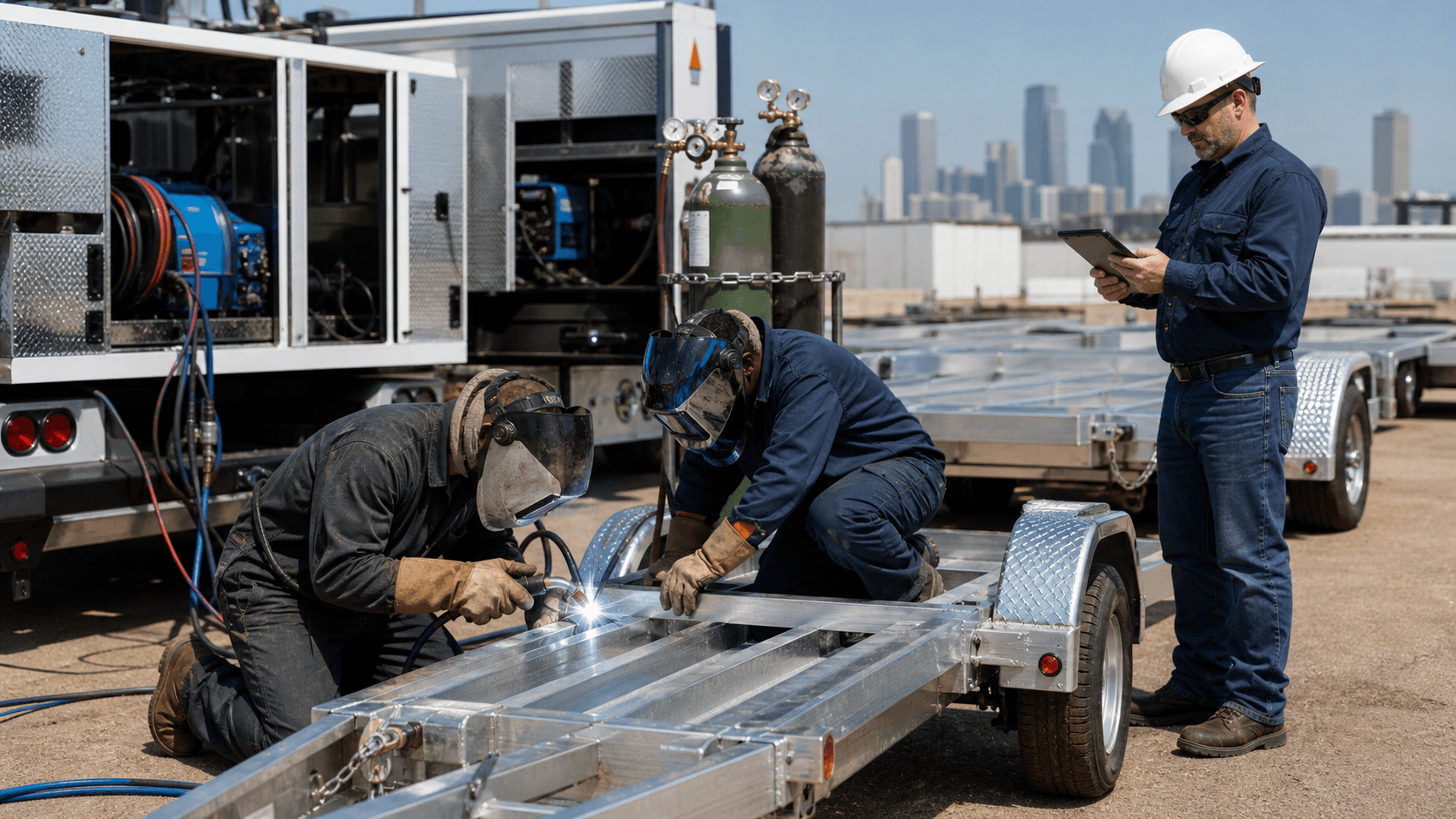
A mobile aluminum welder is not just someone with a small machine in the back of a pickup. It is a full field-ready setup built to handle real work away from a shop.
A typical mobile rig is equipped with:
- Onboard power generation
- Shielding gas for aluminum welding
- Specialized aluminum machines and leads
- Tools for cutting, grinding, and prep
Here is how the on-site process usually goes:
- Damage assessment
We start by looking over the trailer, not just at the obvious crack. We check related welds, nearby brackets, and load paths so we do not fix one area and leave another weak.
- Surface prep and cleaning
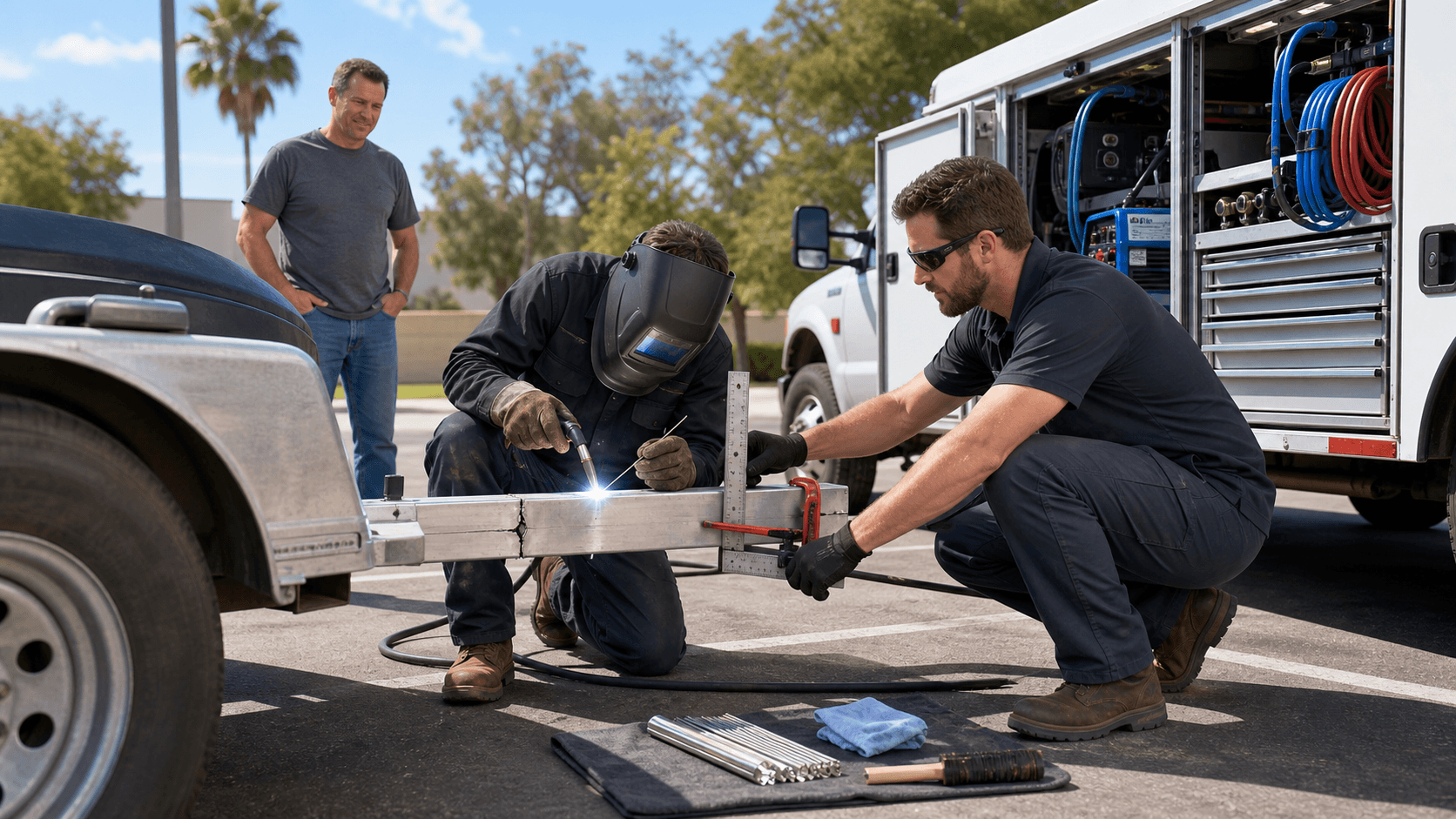
Aluminum forms a thin layer on the surface that has to be removed for a strong weld. We clean, grind, and prep the area so the weld ties into clean base metal.
- Alignment and fit-up
If something is bent or shifted, we pull it back into position first. Proper fit-up keeps the trailer tracking straight and keeps doors, ramps, and couplers working like they should.
- Controlled welding
We set machine settings for the specific material, thickness, and filler metal. For aluminum frames, floors, toolboxes, and accessories, the right filler and technique matter a lot. The wrong choice can leave a weld that looks fine but cracks early.
- Post-weld inspection
We check welds for proper penetration, porosity, and distortion. If needed, we may add reinforcement plates or additional passes to support the loads you carry.
Working with a certified team that spends its days on code-compliant structural and pipe work brings structure and discipline to trailer repairs too. That mindset is focused on strength, repeatable procedures, and safe service in the field.
Common Trailer Repairs Mobile Welders Handle On-Site
Every trailer is a little different, but the problems we see tend to fall into a few main groups.
Structural frame and tongue repairs:
- Reinforcing cracked tongue junctions
- Repairing or replacing damaged crossmembers
- Patching impact or corrosion damage in frame rails
- Straightening and realigning frames so the trailer tracks true
Load-handling components:
- Rebuilding or strengthening aluminum ramps and dovetails
- Repairing stake pockets, railings, and tie-down points
- Fixing or reinforcing headache racks and front bumpers
- Restoring equipment mounts that see heavy use
Cargo and enclosure fixes:
- Repairing floors, sidewalls, and door frames
- Welding hinges, latches, and ladder racks back into place
- Fixing ladder wells, roof rails, and toolboxes
- Sealing gaps where panels have pulled away from structure
Specialty and commercial trailer support is a big part of mobile work too. That can include horse and livestock trailers, boat trailers, generator or skid-mounted units, and custom work trailers used by trades. With mobile service, these units stay closer to the job instead of sitting at a distant shop for days.
Safety, Code Compliance, and When to Stop Towing
Some trailer problems are just ugly. Others mean it is time to park it right away. It helps to know the difference.
Red flag signs to stop towing include:
- Visible frame cracks, especially near the tongue or coupler
- Broken or missing welds at main structural points
- Severe rust where steel parts meet aluminum
- Loose or shifting axles and spring hangers
- Sagging corners or sections of the deck
Driving with these issues can put people, cargo, and equipment at risk. It can also create questions with insurance if a failure leads to an accident.
DIY aluminum welding is another hidden hazard. Aluminum is less forgiving than many people think. Using the wrong machine, filler, or process can create weak welds that fail without much warning. They might look smooth to the eye but lack proper bonding inside the joint.
Teams that focus on industrial and commercial work are used to procedures, inspections, and quality checks that tie back to codes and standards. When that same level of care is brought to trailer repairs, it helps keep loads secure and road use safer.
Seasonal habits help here:
- Do a pre-trip check before long summer hauls
- Get damage inspected after any impact, even if it seems small
- Plan annual inspections for commercial trailers that fall under safety policies or regular audits
Plan Your Next Trip with Confidence and On-Site Support
The best time to think about trailer repair is before you are stuck on the side of the road with a full load and a tight deadline. A quick look at welds, hinges, ramps, and frame points in the weeks before big trips or major projects can reveal early signs of trouble.
When you are ready to involve a mobile aluminum welder, it helps to gather a few details so the visit goes smoothly. Useful information includes the trailer type and size, clear photos of the damage, the kind of loads you haul, the trailer location, and any timing needs around travel or job schedules. With that, a mobile team can plan tools, material, and setup to get you rolling again with as little downtime as possible.
For trailer owners, fleet operators, and contractors across Houston and other major Texas markets, mobile welding support means less disruption and more trust in the equipment you use every day. With the right repairs and reinforcements, an aluminum trailer can keep working hard, trip after trip, season after season.
Get Started With Your Project Today
If you are ready to repair or upgrade aluminum components without interrupting your schedule, our team at Weldit can come directly to you with a fully equipped mobile aluminum welder. We handle everything from precise repairs to custom fabrication so your project is completed efficiently and safely on-site. Tell us what you need, and we will recommend a clear, practical solution. To schedule service or request a quote, simply contact us today.