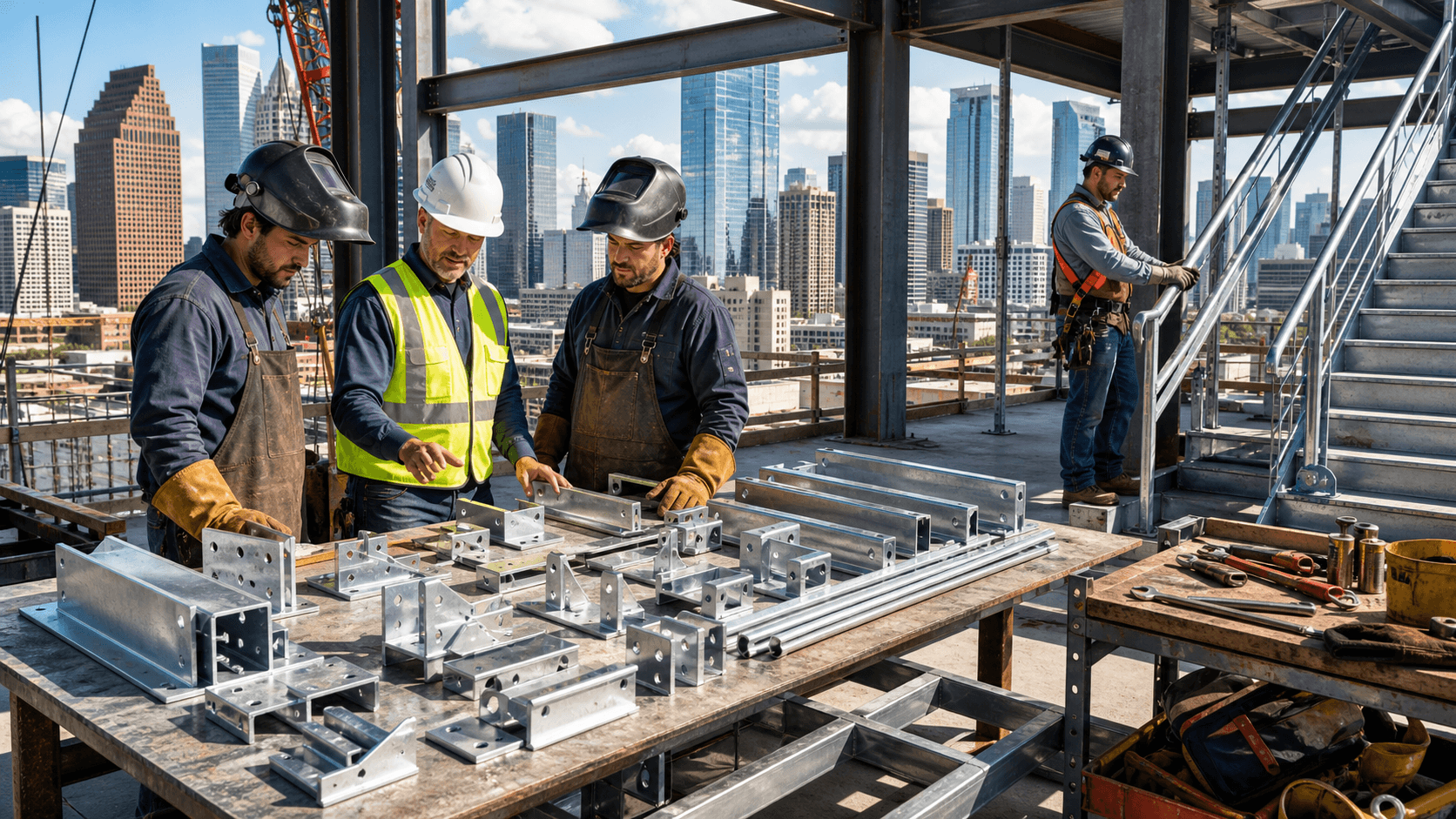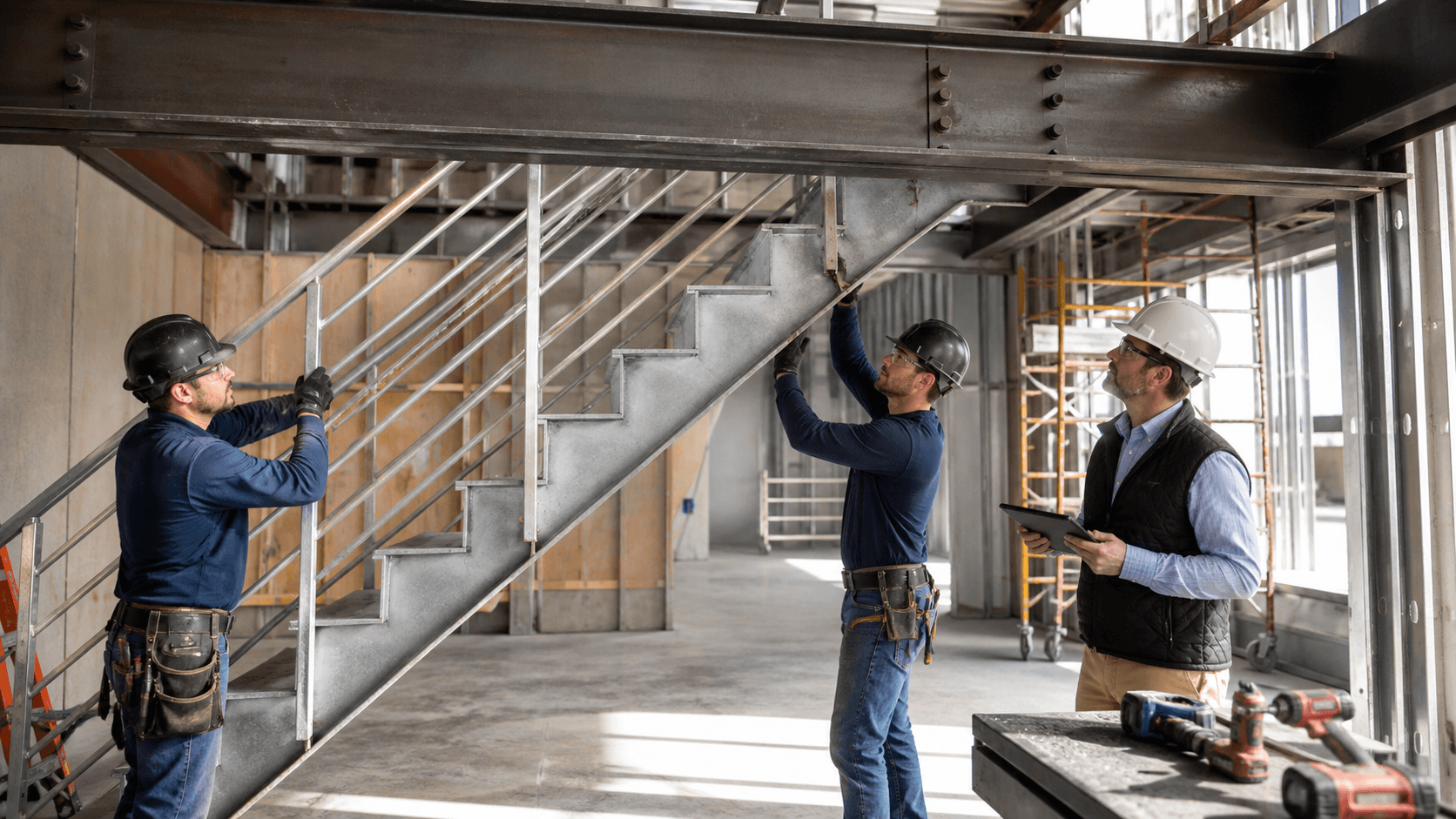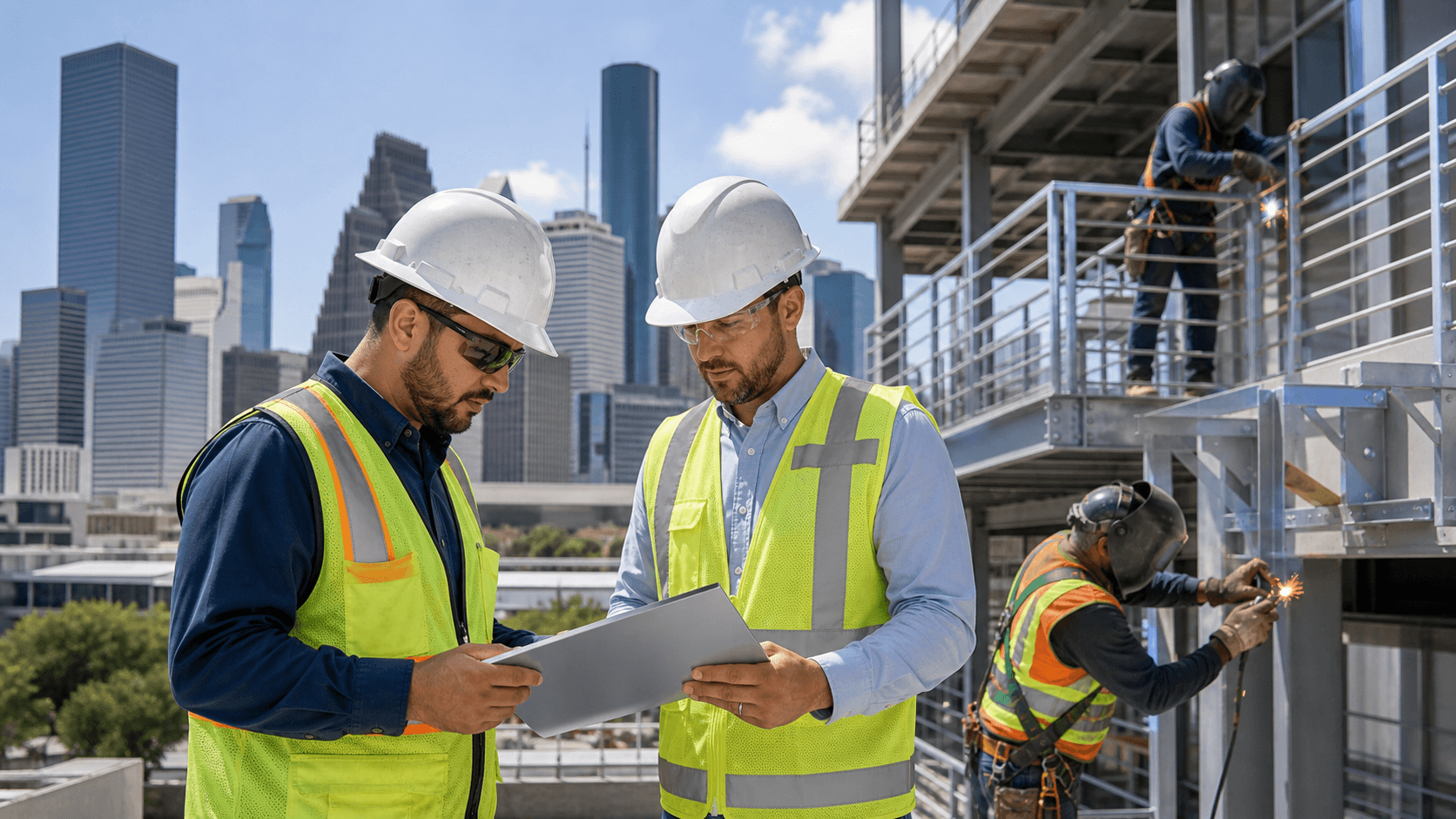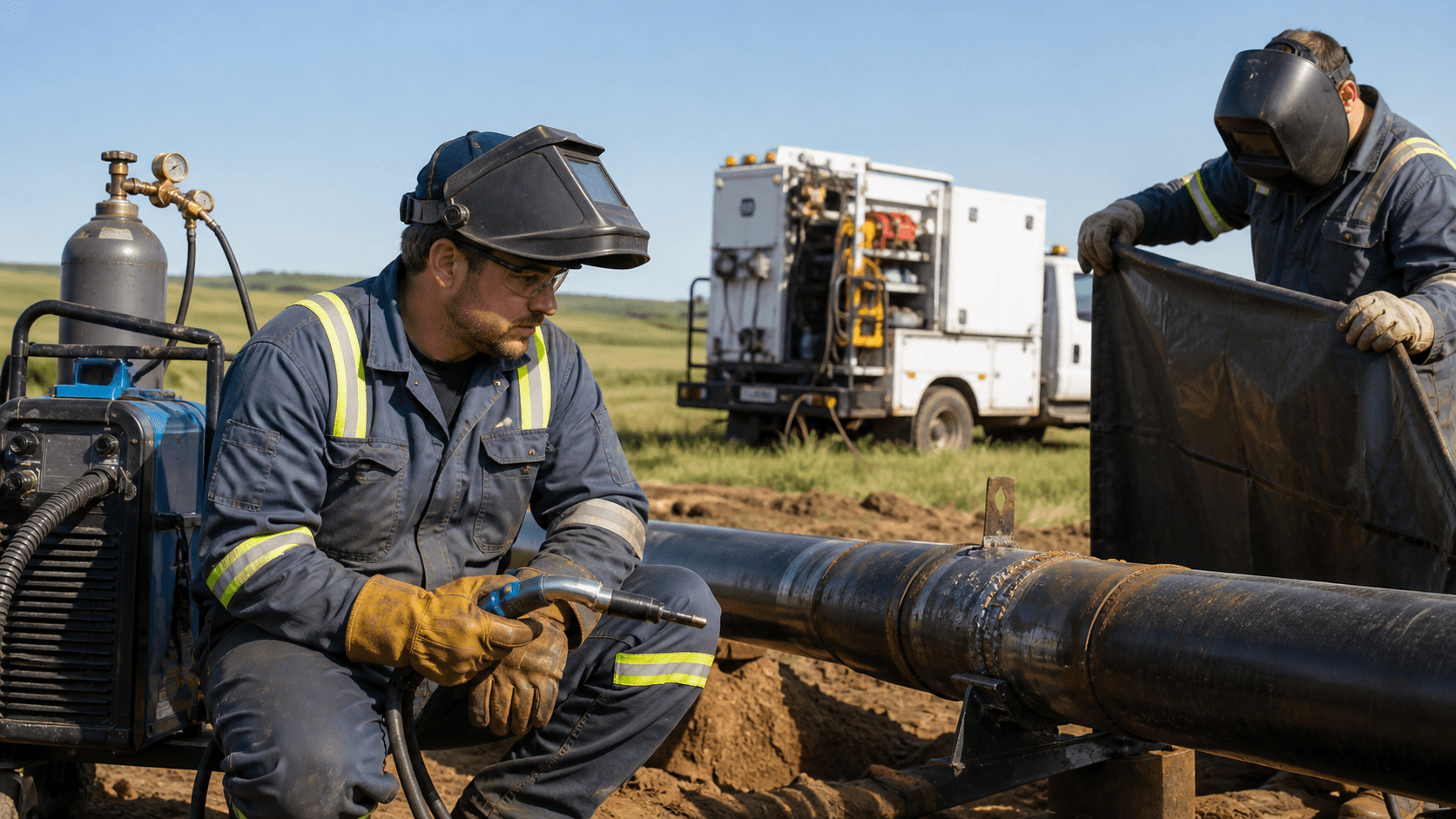
Gas-shielded metal arc welding can look like the smart choice for field repairs. It is clean, fast, and often gives a nice-looking bead. For a busy plant or facility trying to get a line back in service before the next production push, that can be very tempting. But when you step outside the controlled shop and into real Texas job sites, those same advantages can turn into hidden risks.
In this article, we walk through when gas-shielded metal arc welding is actually the wrong choice for outdoor or elevated repairs, especially on AWS and ASME code work. We will look at how wind, access, and inspection rules affect weld quality, and why other processes like SMAW and flux-cored can be safer bets for long-term performance in the field.
When Gas Shielded Metal Arc Welding Looks Right but Is Not
On a shutdown or emergency repair, gas-shielded metal arc welding often feels like the hero. It is fast, it creates less fume than some other processes, and the weld bead can look smooth and uniform. In a shop, that package works very well.
Out in the field, that same setup can trick facility managers and project leads. The arc sounds good, the cap looks clean, and the area gets turned over as complete. The problem is that visual appearance does not always match what shows up later on radiography, UT, or during service.
Some common reasons people reach for gas-shielded metal arc welding on fieldwork are:
- Higher deposition rates for long joints
- Cleaner appearance that looks "finished"
- Lower fume that keeps the area more comfortable
- Easy wire feeding that feels efficient for the crew
The real question is this: when does gas-shielded metal arc welding put your structural steel or process piping at risk, and what processes should you be using instead if you care about AWS and ASME code compliance and long-term reliability?
Our view as a mobile welding and fabrication team is simple. Process choice should follow conditions, code, and service, not convenience. We look at SMAW, FCAW, GMAW, and GTAW side by side before we pick up a gun.
Understanding Gas Shielded Metal Arc Welding in the Real World
First, it helps to be clear about what we mean. Here we are talking about solid wire GMAW with external shielding gas, often called MIG. This is not self-shielded flux core wire. The gas bottle is doing most of the protection around the arc.
GMAW is at its best when you have:
- A controlled shop or indoor bay
- Little to no air movement across the arc
- Clean, well-prepared joints with good access
- Stable power and consistent wire-feed
Now put that next to a typical Texas field repair during fall maintenance. You might have wind across a pipe rack, dust in the air, humid conditions, and a tight shutdown schedule. Access is limited, the joint might be overhead, and you may be working around live equipment or other trades.
When shielding gas gets blown away or thinned out, the weld puddle can pick up air and contaminants. That can lead to porosity, trapped slag, lack of fusion, or cold lap. These are the same issues that cause failures on AWS D1.1 structural welds or ASME code pressure welds when they hit RT or UT.
Hidden Risks of GMAW for Critical Field Repairs
The biggest field enemy of gas-shielded metal arc welding is moving air. Even moderate wind across the arc can strip gas from the puddle. The weld might still look smooth on the surface, but inside it may have:
- Wormholes and scattered porosity
- Inclusions that start small cracks
- Fusion problems at the root or sidewall
Gusty conditions are common on elevated structures, platforms, ladders, and racks. On tall steel or piping, the wind can change direction and speed in seconds. That makes it hard to keep any kind of consistent shielding, especially when you are focused on staying tied off and safe.
Access and position add another layer of risk. GMAW guns like clear angles and steady stickout. In the field, you are often forced into:
- Overhead welds where the puddle wants to sag
- Vertical welds that need tight control of heat and travel
- Cramped spots near equipment, trays, and supports
In those positions, GMAW is more prone to lack of fusion, especially on thicker members or when you are trying to get root penetration on pipe. The bead might bridge over gaps instead of tying in. That can pass a quick visual check, but it will not pass a serious inspection.
Code and inspection rules make these risks even more serious. Poor gas shielding or marginal fusion can lead to:
- Failed RT or UT during punch lists
- Rework that eats up precious shutdown hours
- Documentation headaches when repair histories are reviewed
For owners and managers, those failures are not just about fixing a weld. They affect start-up schedules, safety reviews, and long-term liability on critical assets.
Smarter Process Choices for Code Compliant Field Work
So what should you use instead when conditions are not friendly to gas-shielded metal arc welding? In many outdoor or elevated situations, SMAW is the safer choice. Stick welding carries its own flux and does not depend on an external gas stream that can be blown away.
SMAW often makes more sense when:
- The weld is exposed to wind or air movement
- Access is tight or awkward
- The work is on critical load-bearing members or pressure parts
- You are high in the air where building a full shelter is not realistic
Self-shielded FCAW can also play a useful role on structural work where productivity still matters but setting up gas supply and protection is not practical. The flux in the wire creates its own shielding cloud and slag layer.
On code-regulated welds, process choice is not just a preference. Qualified WPS documents spell out what processes, filler metals, and parameters are allowed on specific materials and joints. Those WPS are backed up by PQRs and welder performance tests. Swapping from one process to another for convenience can put you outside the code envelope and raise questions when inspectors review paperwork.
From a cost and schedule view, the process that looks faster in the moment is not always the cheapest overall. Failed inspections, repair cycles, and extended outages cost more time and stress than taking a little extra care up front with the right welding method.
How Weldit Evaluates Field Repairs Across Texas
Our team treats process selection as part of the job, not an afterthought. Before we commit to gas-shielded metal arc welding or any other process on a field repair, we look closely at the site and the environment. That includes wind patterns, access paths, joint design, power, and safety constraints.
On industrial sites around Houston, Dallas, Fort Worth, Austin, San Antonio, and other Texas metros, we also balance:
- Plant rules and hot-work procedures
- Height-work and tie-off requirements
- Nearby operations and restricted areas
We work from AWS and ASME code expectations and owner specs when we pick processes and consumables. Our team reviews drawings, service conditions, and inspection needs so that WPS, PQR, and welder qualifications line up with how the weld will actually be made. Preheat, interpass temperature, and inspection planning are tied into that same review.
Because we are set up as a mobile service, we plan for weather and season factors too. That can mean bringing engine drives, enough leads and consumables, and wind screens or light shelters for sensitive welds. During the fall maintenance period, when work is stacked up between back-to-school and holiday runs, we stage repairs so weld quality is protected even when the calendar is tight.
Plan Your Next Field Repair with the Right Process
Gas-shielded metal arc welding has a real place in modern fabrication, but it is not the automatic answer for outdoor or elevated field repairs. When wind, access, and code rules come together, it can turn from "clean and fast" to "failed and delayed" very quickly.
Facility managers, maintenance leads, and project engineers can protect their schedules and assets by slowing down at the start and questioning whether gas-shielded metal arc welding truly fits the job conditions. Taking time to match process to code requirements, site realities, and long-term service can pay off with more reliable welds and fewer surprises during inspection or start-up.
Get Started With Your Project Today
If you are planning a complex piping or fabrication project, our certified welders at Weldit are ready to help you apply precise gas shielded metal arc welding techniques that meet demanding performance and safety standards. We work closely with you to understand your system requirements, project timeline, and budget so your installation or upgrade stays on track. To discuss specifications, request a quote, or schedule service, simply contact us and we will follow up promptly with next steps.