Keeping an occupied facility running while welders work is tricky, but it can be done with the right plan. When production is building up for holiday orders and tenants are working longer hours, shutting everything down is rarely an option. Structural repairs, equipment tie-ins, and safety upgrades still have to happen, even when every dock door and corridor in your building is busy.
That is where scheduled mobile welding in Houston, TX, comes in. With a solid shift and access plan, welding crews can move through live industrial and commercial spaces without getting in the way. In this article, we will walk through how to plan night work, define smart exclusion zones, line up LOTO windows, and sequence work around people and product so your operation keeps moving.
Keeping Your Houston Facility Running While Welders Work
Occupied Houston facilities, from plants to high-rise properties, feel the pressure as the year winds down. Orders spike, tenant events ramp up, and there is a strong push to finish projects before holiday breaks. Taking a line offline or blocking a busy service corridor can ripple through the whole building.
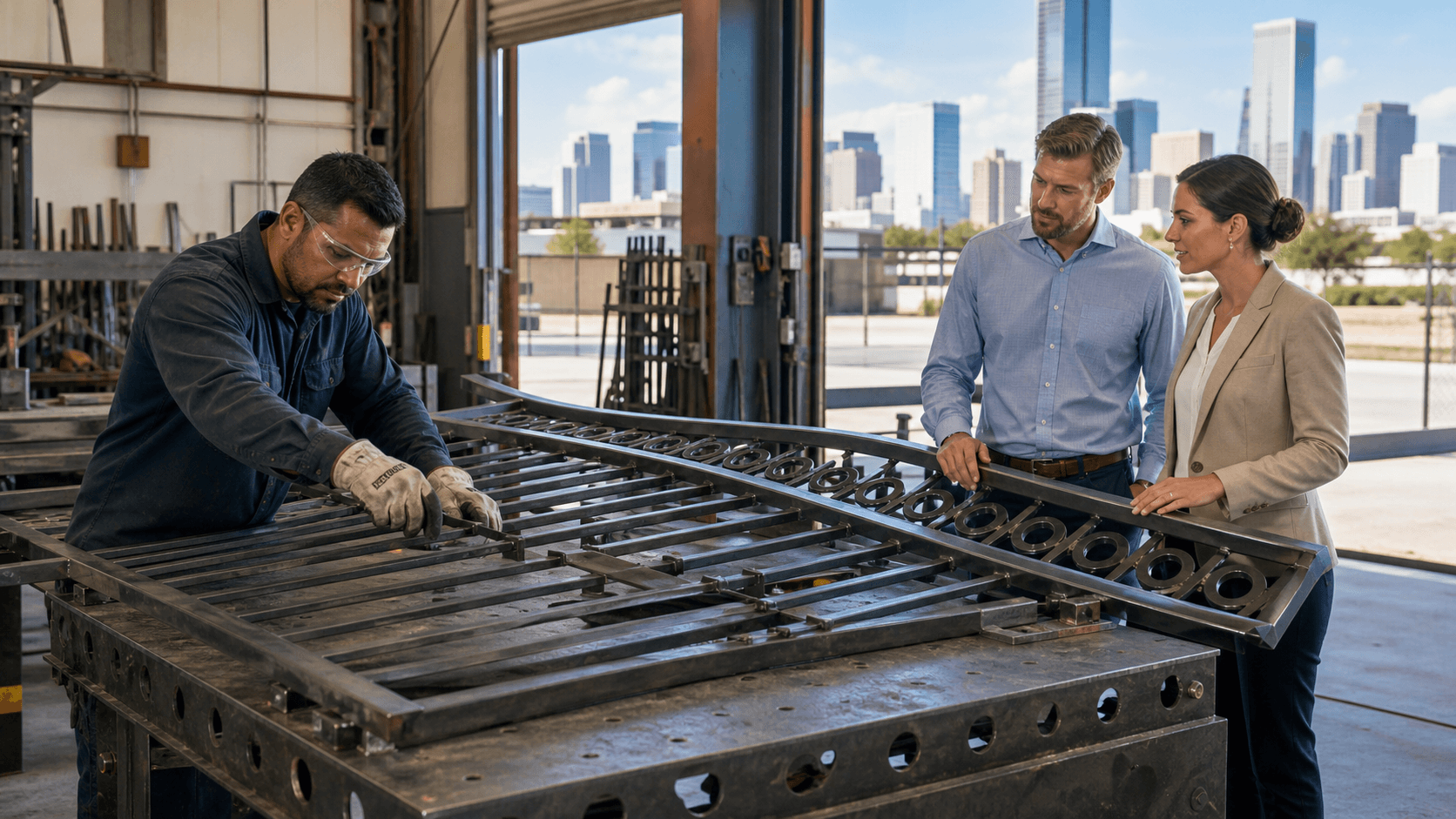
Mobile welding is a practical way to get work done while staying live. It lets you:
- Handle structural repairs on platforms, handrails, and support steel
- Complete equipment modifications and tie-ins between batches or shifts
- Knock out safety and code upgrades that have been sitting on the list
The core idea is a shift and access plan. This is a simple document that spells out when welders work, where they can and cannot go, and how they move equipment without cutting into throughput. When this is done well, welding teams feel like they are working in the background while your people focus on product and tenants.
Mapping Your Facility and Defining Work Zones
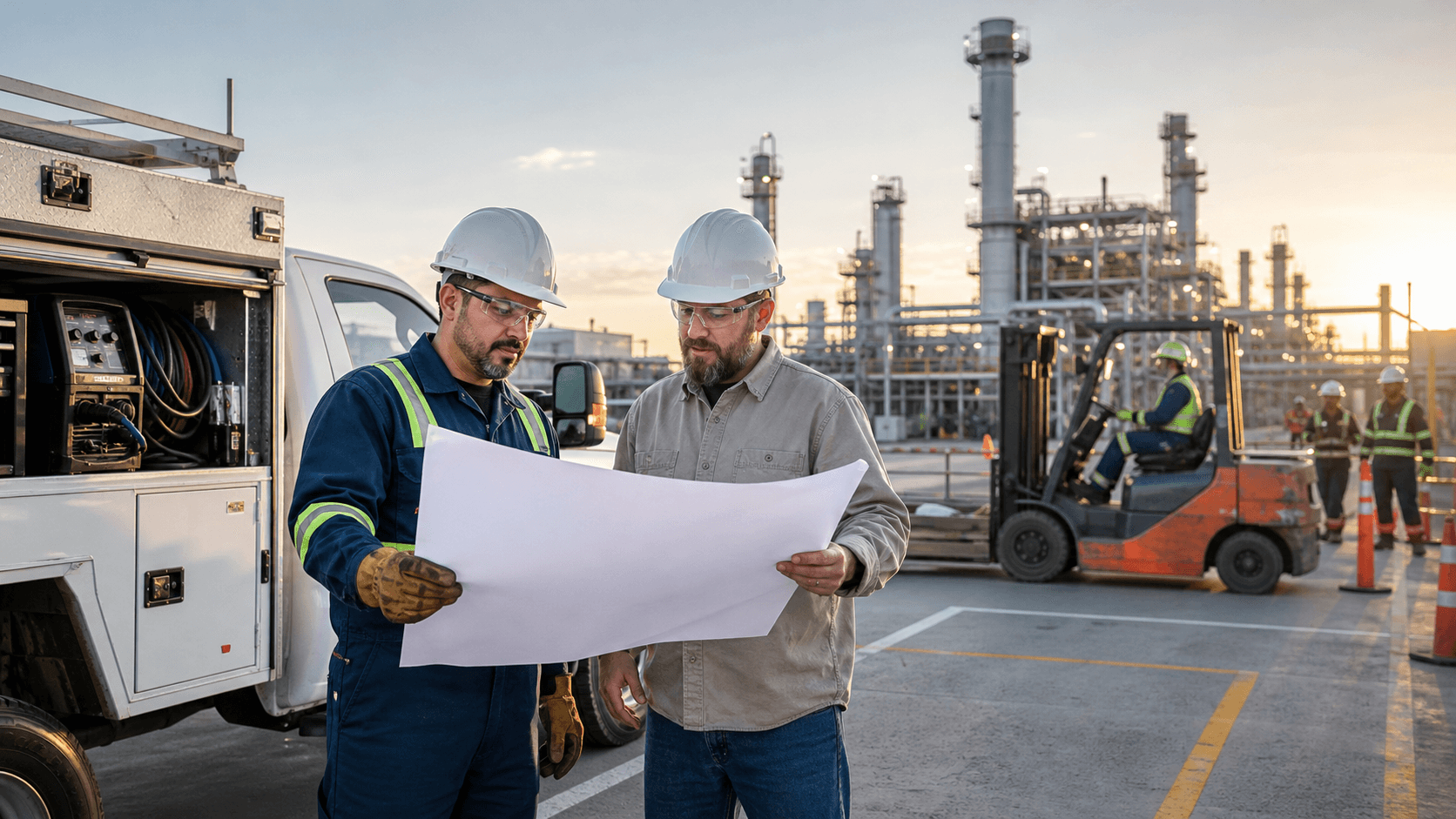
Good planning starts with walking the site. Before any welding begins, it helps to map how crews will reach each spot, especially in a crowded building. We walk the paths that matter:
- Loading docks and exterior doors for bringing in gear
- Freight elevators and stairwells that can handle carts and cylinders
- Corridors and mezzanine routes that stay clear of peak traffic
- Roof or penthouse access points for overhead or structural work
From there, we define work zones and exclusion areas that are realistic. The goal is not to shut down half the building. The goal is to create a tight bubble around the welding area, with:
- Temporary barriers and cones around the work face
- Spotters where forklifts and people share space
- Clear signage that shows where to slow down or stop
Late in the year, traffic patterns shift. There may be more truck turns at the dock, more tenant deliveries, and more internal moves to support orders. Rain can push more people inside, and earlier sunsets mean some outdoor paths get darker sooner. All of this makes it even more important to plan zones and routes that keep people away from welding while still letting them do their jobs.
Building Smart Night and Off-Shift Welding Windows
Once zones are mapped, the next step is timing. Not all off-hours are equal, and different facilities need different windows.
For a 24/7 plant, true downtime may only happen in short pockets. For a mixed-use office or retail tower, nights and weekends can be wide open. The trick is to line up welding work with how your building actually runs:
- Evening windows that start after most staff leave
- Overnight windows for heavier work in sensitive areas
- Weekend windows for larger changes or noisy fabrication
We also look closely at the other work that happens off-shift. Good windows often line up with:
- Batch changes and cleaning cycles on process lines
- Janitorial work in offices and common areas
- Tenant quiet hours for hotels, offices, and retail spaces
Noise and light matter at night. Some tasks can be moved away from bedrooms, conference rooms, or recording spaces. Temporary lighting keeps welders and spotters safe in dim corners and outdoor paths, especially with shorter daylight. Humid nights and damp surfaces in Houston also call for planning where cords, leads, and machines sit so they stay safe and out of traffic.
Planning Exclusion Zones That People Will Actually Respect
Exclusion zones fail when they feel like a wall across the whole operation. People will cut through if the barrier feels unreasonable. We work to design flow-friendly controls so the building can keep moving.
Good exclusion zones often include:
- Barricades that protect the immediate area around the weld
- Cones and floor tape that show the edge of the no-go zone
- Highly visible signs at eye level, not just on the floor
Communication is just as important as barriers. Before each shift, it helps to share:
- Which aisles, doors, or platforms will be limited
- Alternate routes for forklifts and pedestrians
- Any short windows when an area will be fully blocked
Staging is another big piece. When welding gear spreads out, it becomes a maze of cords and hoses. To keep paths clean, we like to:
- Create compact "equipment islands" beside, not across, travel lanes
- Keep gas cylinders grouped and secured out of main walkways
- Coil excess leads and cables so they do not snake into traffic
With this setup, people are far more likely to respect the zones, because they can clearly see where to walk and where not to go.
Aligning LOTO Windows and Production-Friendly Sequencing
For process and mechanical work, lockout/tagout windows are the heartbeat of the plan. Each time you isolate a system, you want to get as much done as possible without dragging out downtime.
We work with your team to bundle tasks into the same LOTO window where it makes sense, such as:
- Valve tie-ins and small piping spools
- Structural tie-backs or supports tied to that system
- Nozzle or connection work on related equipment
Sequencing then focuses on uptime. A common pattern is:
- First, finish all tasks that require equipment to be fully down
- Next, clear the system to restart while welders shift to nearby non-energized work
- Finally, complete guards, platforms, and add-ons while production ramps back up
In large facilities, a phased area approach helps keep throughput strong. For example, you might move in this order:
- Finish Line 1 structural and process work
- Move to mezzanine platforms and access ways
- Wrap up at dock doors and exterior structures
Each zone gets completed cleanly, and operations always know which area is next.
Choosing the Right Mobile Welding Partner in Houston
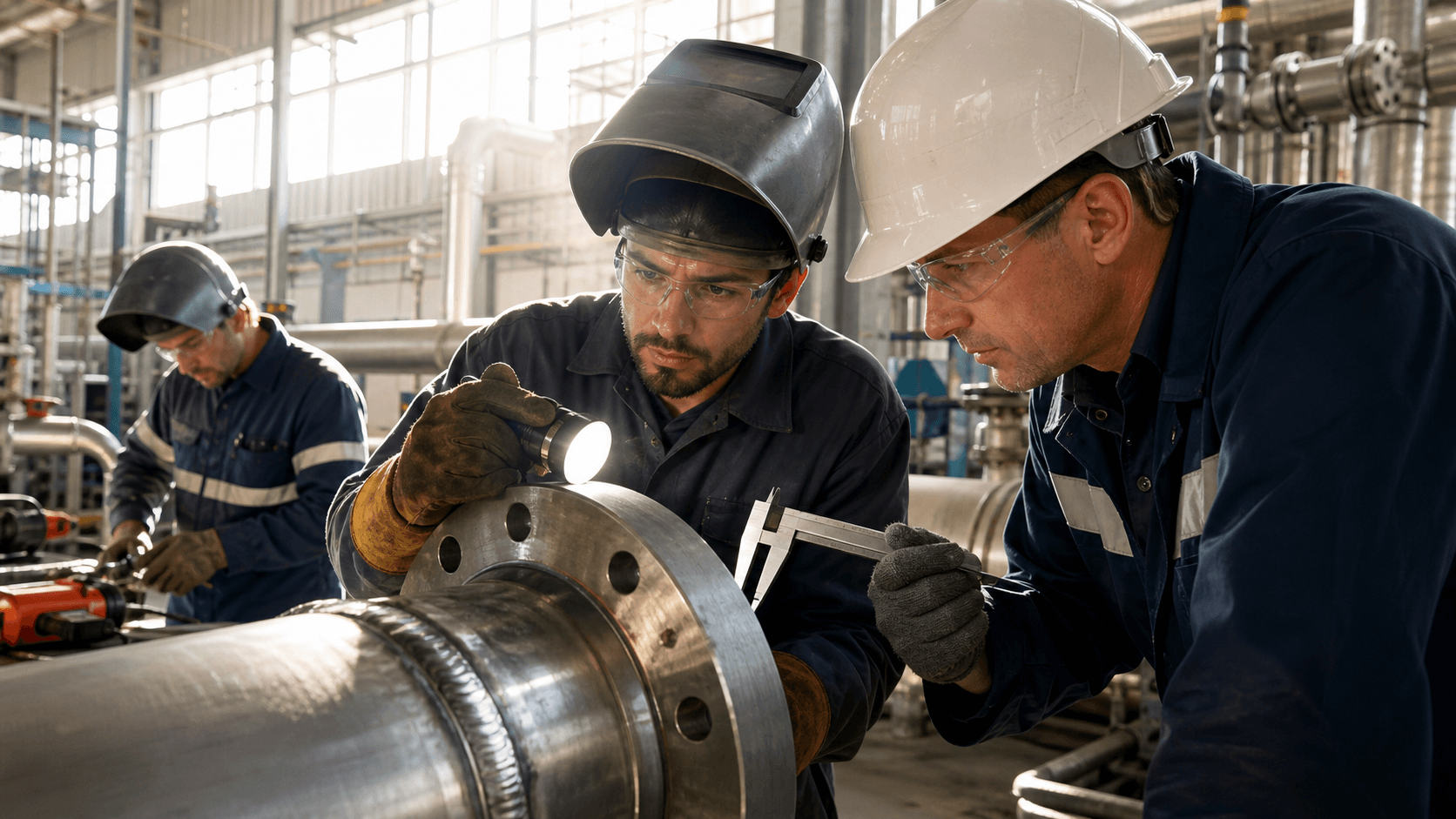
All of this planning depends on having a welding team that understands how to work in live spaces. Occupied facilities are different from empty shops. Crews must think about tenant schedules, plant output, dock traffic, and how to stay almost invisible while they work.
When you choose a mobile welding partner, it helps to:
- Have experience working inside running plants and occupied buildings
- Work with crews who are comfortable with night, weekend, and phased work
- Use a clear pre-job process that includes site walks and written plans
Good communication is key. You should expect look-ahead schedules, a single point of contact, and regular check-ins as conditions change, especially during the busy holiday period. Trucks and equipment also need to be ready for Houston conditions, including damp nights, humid air, and year-round outdoor work.
With a practical shift and access plan, mobile welding in Houston, TX can support your repairs and upgrades without stealing time from production or tenants. By mapping routes, setting smart zones, planning off-shift windows, and aligning LOTO work with your schedule, your facility can keep running while the welding gets done.
Get Started With Your Project Today
If you need precise, reliable mobile welding in Houston, TX, Weldit is ready to come to your location and handle the work on your schedule. We listen to your project needs, offer practical solutions, and make sure every weld is done right the first time. Tell us about your timeline and requirements through our contact page so we can provide a clear plan and quote. Let us help you keep your equipment, structures, and projects moving without unnecessary downtime.