Protect Food Safety Before Heat Tint Becomes a Problem
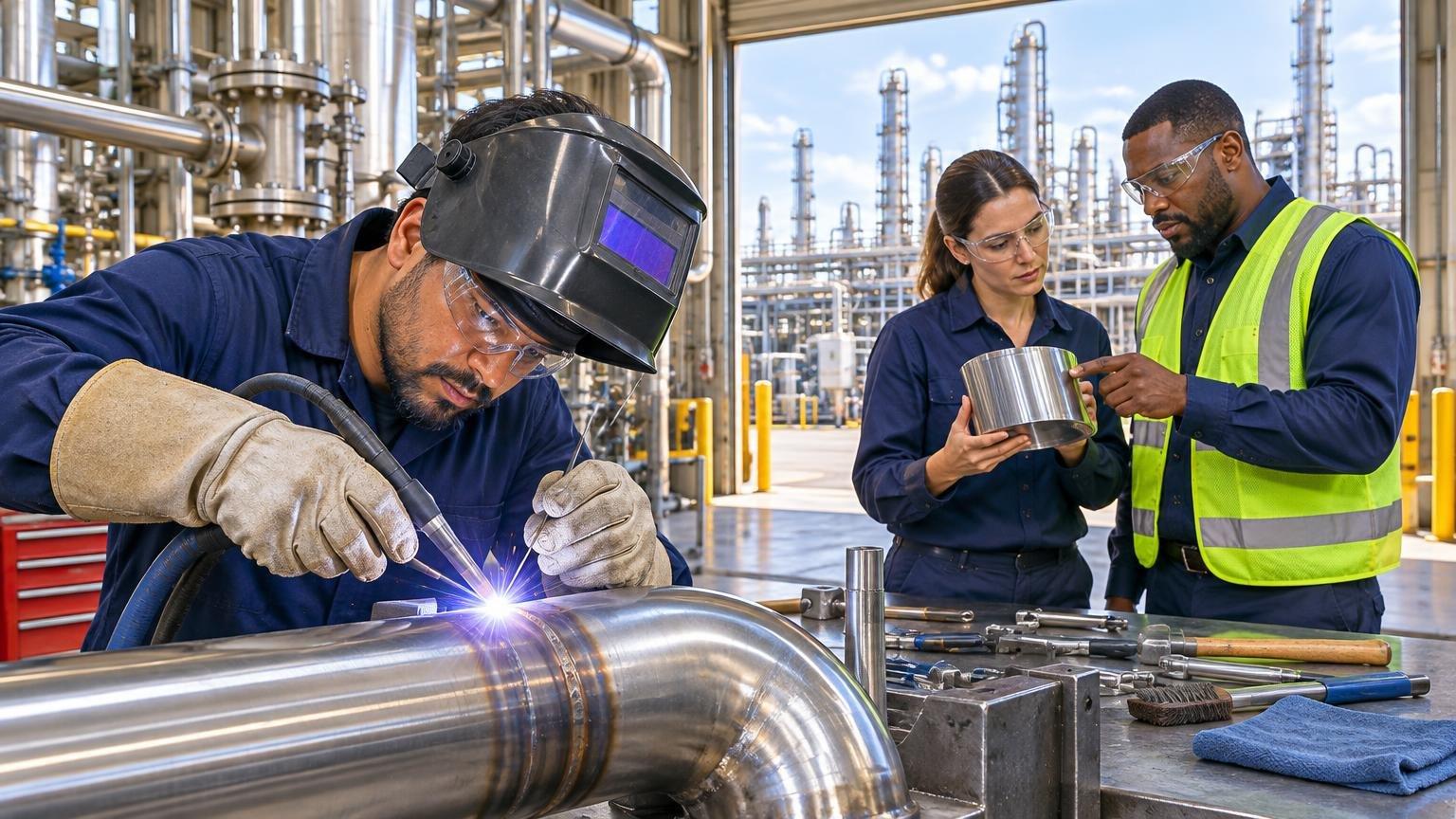
Stainless steel is a popular choice in food facilities because it holds up well, resists corrosion, and is easier to clean than many other metals. Still, stainless steel welding changes the surface around a weld. One common result is heat tint, the colored area that can appear beside a weld after metal has been exposed to high heat.
Those colors may look like a small cosmetic issue, but they deserve attention in food and beverage spaces. Heat tint can point to a weakened protective surface, a rough finish, or an area that needs cleaning and passivation before equipment returns to service. We encourage facility managers, maintenance teams, engineers, and food safety leaders to look closely at weld condition as part of regular equipment care. A clear understanding of heat tint supports cleaner surfaces, smoother inspections, and fewer surprise repairs.
How Stainless Steel Welding Creates Heat Tint
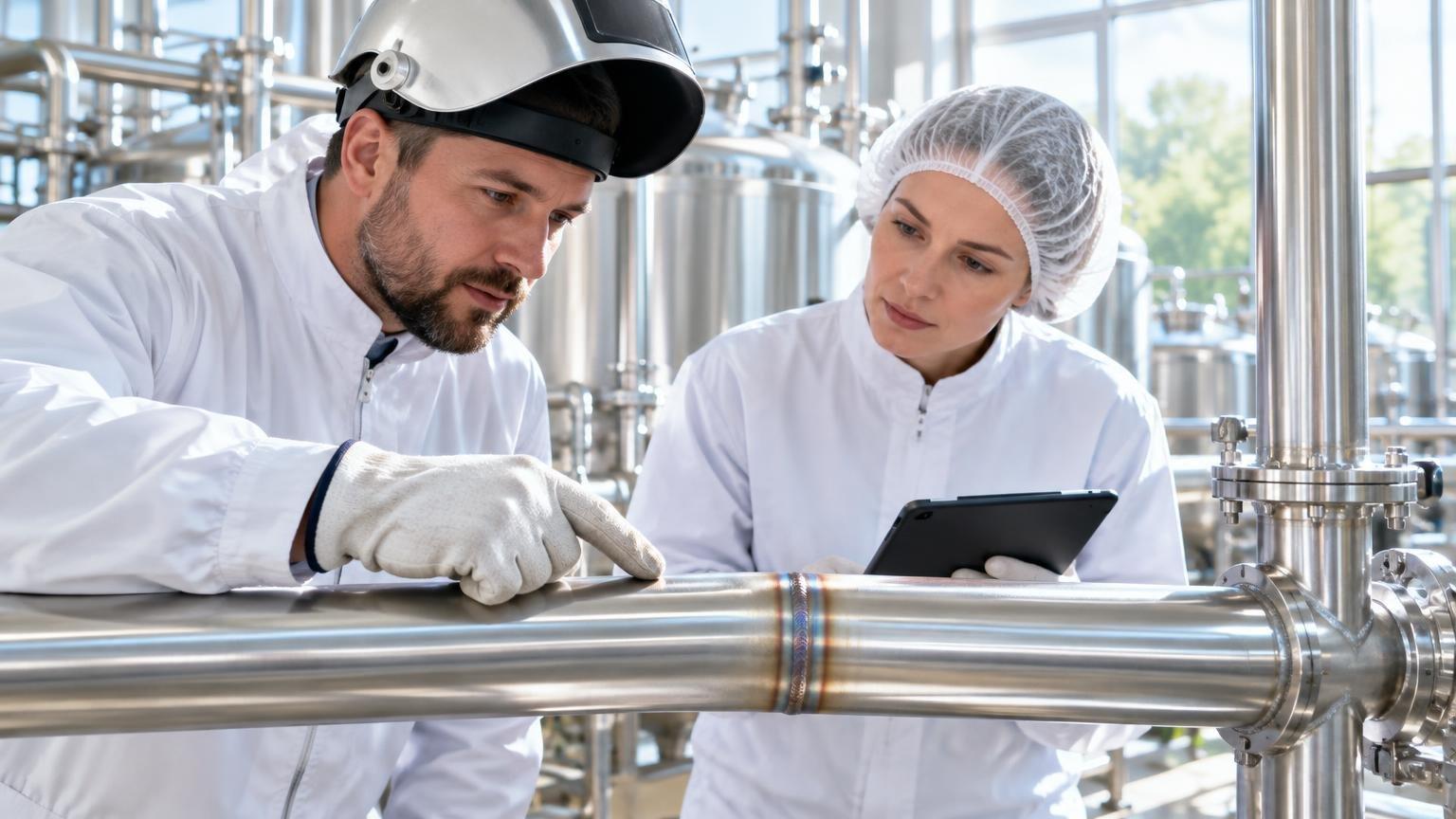
Heat tint forms when stainless steel gets hot during welding and reacts with oxygen. The chromium in the steel's protective oxide layer can change during this process, creating visible shades of light straw, blue, purple, gray, or black. The darker the discoloration, the more attention the area may need before it is placed back into a sanitary environment.
Several job conditions affect how much heat tint appears. During stainless steel welding, we consider heat input, weld speed, material grade, and shielding gas coverage. Poor gas coverage can allow extra oxygen to reach the weld area. This can happen on the face of a weld or on the back side of tubing and pipe when proper internal gas protection is not used.
Food facilities often rely on stainless steel in equipment such as:
- Process piping and tubing
- Tanks, hoppers, and drains
- Conveyors and stainless supports
- Washdown-area equipment
- Platforms and custom fabricated components
Thin sheet, tubing, and pipe need close heat control. Too much heat can lead to distortion, uneven welds, and heavy oxidation. We recommend using qualified welders and appropriate welding procedures so finished areas remain as smooth and cleanable as the equipment requires.
Why Heat Tint Raises Food Safety Risks
Dark heat tint can be a sign that the chromium-rich protective layer near the weld has been reduced. Stainless steel depends on that surface layer to resist corrosion. When it is weakened, the metal may be more likely to pit, stain, or corrode in the presence of moisture, food residue, acids, chlorides, or cleaning chemicals.
Surface texture matters just as much as color. A rough weld, sharp edge, or untreated heat-affected zone can hold moisture and residue. Those small surface flaws can make sanitation work harder than it needs to be. In food processing areas, every hard-to-clean spot can become a concern during routine cleaning and inspection.
We often advise reviewing repaired equipment for more than leaks or cracks. The finish around the repair matters, too. A clean, properly finished weld helps support equipment that is easier to wash down and maintain.
Pay close attention to areas exposed to frequent cleaning or product contact, including:
- Pipe joints and tubing connections
- Tank seams and outlet areas
- Floor drains and drain supports
- Conveyor frames near washdown zones
- Repairs made in tight or hard-to-reach locations
Inspection readiness is another reason to address heat tint early. Internal audits, customer reviews, and regulatory inspections may all raise questions about corrosion resistance and cleanability. Proper stainless steel welding and finishing can help your maintenance team show that repairs support the sanitary condition of the equipment.
Choose Cleaning Methods That Restore Passivation
Removing heat tint starts with the right cleaning method. Mechanical cleaning may include stainless-only wire brushes, noncontaminating abrasive pads, controlled grinding, or polishing. Carbon steel brushes, wheels, and tools should never be used on stainless steel. They can leave behind iron particles that later create rust staining and surface contamination.
For heavier weld scale and discoloration, chemical cleaning or pickling may be used. These treatments are designed to remove oxidation and restore a cleaner surface. The right product and process depend on the stainless grade, the design of the equipment, the location of the repair, and your facility's chemical handling requirements.
Passivation is often the next step after cleaning. It supports the return of a chromium-rich protective surface, but it does not remove thick weld scale by itself. Heavy oxidation must be cleaned first. We recommend having experienced welding and fabrication professionals handle these steps, especially around sanitary process equipment where improper finishing can create another maintenance issue.
A sound finishing process usually includes:
- Removing weld scale and visible oxidation
- Cleaning away residue from mechanical work
- Selecting an appropriate chemical treatment when needed
- Passivating the cleaned surface
- Inspecting the area before equipment returns to service
Plan Stainless Steel Welding for Year-End Uptime
November is a practical time to review equipment before holiday production demands, year-end maintenance work, annual audits, and new budget planning. Many facilities use planned downtime to handle repairs that are hard to complete during busy production periods. We suggest adding weld condition to that review instead of waiting for corrosion, leaks, or a failed component to force an emergency repair.
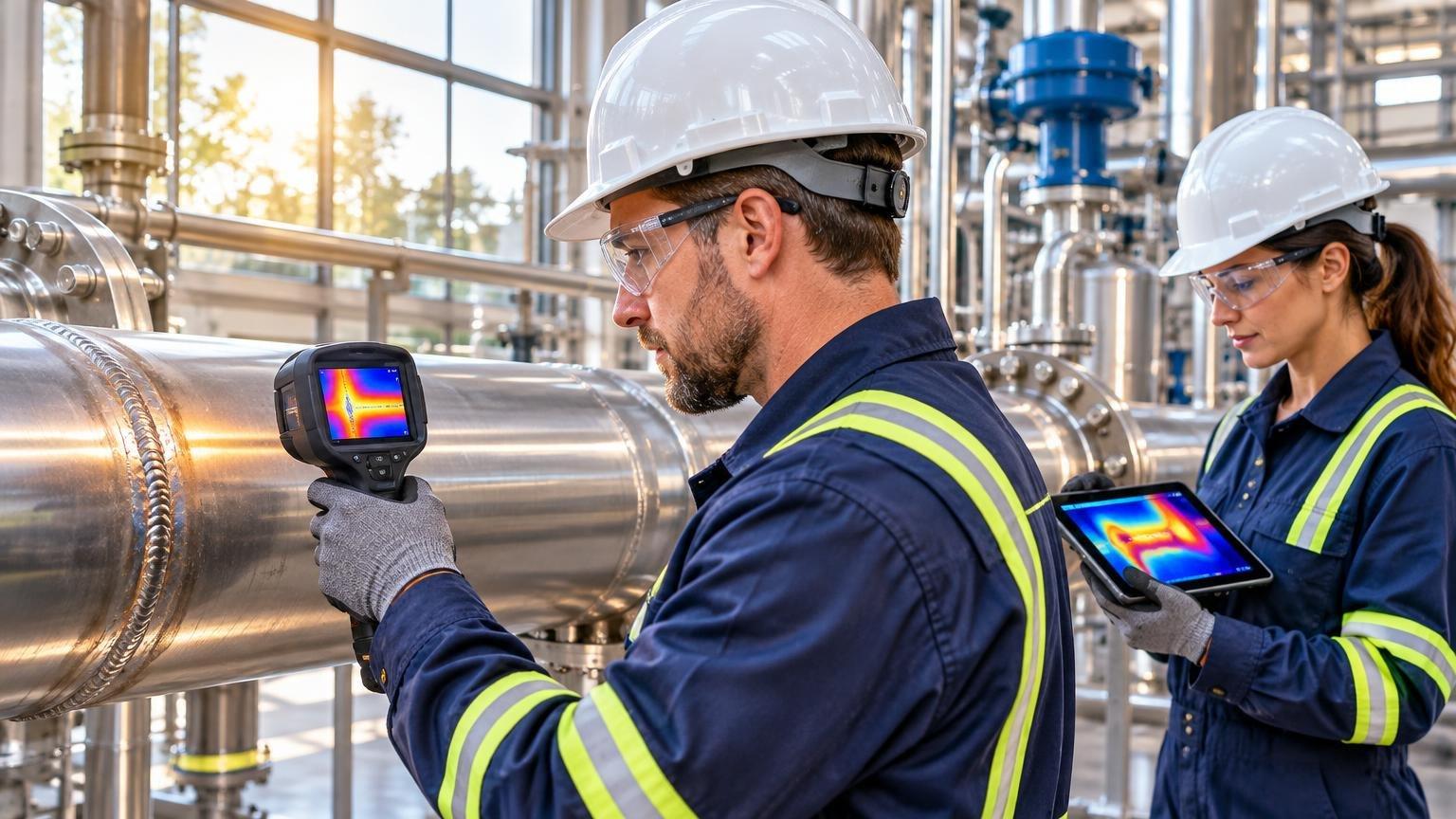
Start with high-use equipment in washdown areas and production zones. Look for discoloration, rough welds, staining, cracking, leaks, corrosion, and repairs that seem difficult to clean. Tanks, piping, conveyors, hoppers, drain systems, platforms, and stainless supports are all worth a closer look.
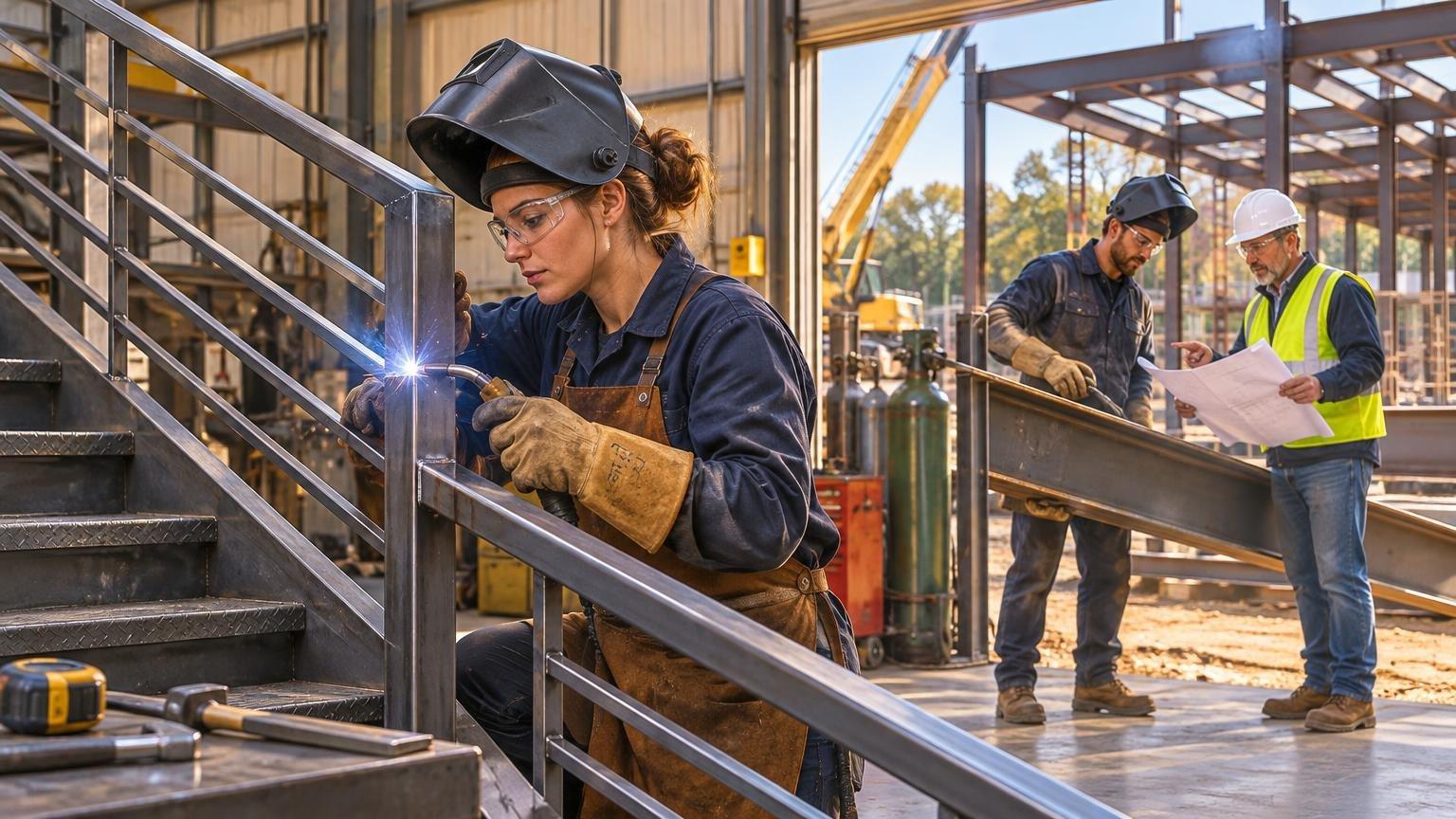
Planning ahead gives you more control over the work. Our mobile welding team supports onsite repairs for industrial and commercial clients in Greater Houston, while shop fabrication can help with replacement parts, skid packages, custom frames, and upgraded components during scheduled downtime. Addressing these needs before a failure can limit disruption to production schedules.
Keep Food Contact Surfaces Ready for Inspection
Heat tint is a manageable result of welding when it is found early and treated with the right cleaning, finishing, and passivation process. The goal is not simply to make a weld look better. It is to protect the corrosion resistance and cleanability of the stainless steel surface around it.
Before equipment goes back into service, review both the weld and the surrounding heat-affected zone:
Check For:
- Visible heat tint, weld scale, or discoloration
- Rough surfaces, sharp edges, or areas that can trap residue
- Signs of staining, pitting, corrosion, cracking, or leaks
- Evidence that the area has been cleaned and passivated as needed
- Cleanability of the repaired area during normal sanitation procedures
Clean, smooth, properly treated stainless surfaces are easier to maintain and better prepared for the daily demands of food production, sanitation, and inspection.
Protect Food-Grade Stainless Performance
At Weldit, we provide precise stainless steel welding to help food facilities maintain hygienic, durable piping and equipment. Our team can evaluate weld conditions and apply the right processes for your operational requirements. Contact us to discuss your project with our experienced welders.