Stopgap Repairs vs. Real Fixes
Weld problems rarely show up at a good time. A conveyor cracks right before a big order, a support arm breaks during a shift, and the call goes out for someone to grab the welder and burn it back together so production can keep moving. The line starts again, everyone breathes, and a few weeks later the same weld fails, only now the damage and downtime are worse.
When every fix is treated like an emergency patch, deeper issues stay hidden. That quick maintenance weld might be covering up a structural problem, a process change that added stress, or a pressure issue that was never designed for. On the surface, it feels cheaper to keep welding the same crack, but repeat failures can quietly drain your budget, slow your crews, and raise questions with safety teams and inspectors.
Industrial welding services are not just a "fancier" version of maintenance work. They bring higher standards, code focus, and planning, so you are paying for a real solution instead of the same problem on repeat. We will look at clear signs that it is time to call certified industrial welders, how code compliance changes what is allowed, and why fall and year-end shutdowns are the best windows to upgrade those problem welds for good.
When a Quick Patch Becomes a Safety Liability
Most plant maintenance crews are good at making short-term repairs. They keep carts rolling, patch guards, fix handrails, and take care of non-critical welds that keep the place running. That work is important. The trouble starts when those same "good enough for now" habits get used on parts that carry real loads or hold pressure.
Some warning signs that a simple repair has become a safety risk include:
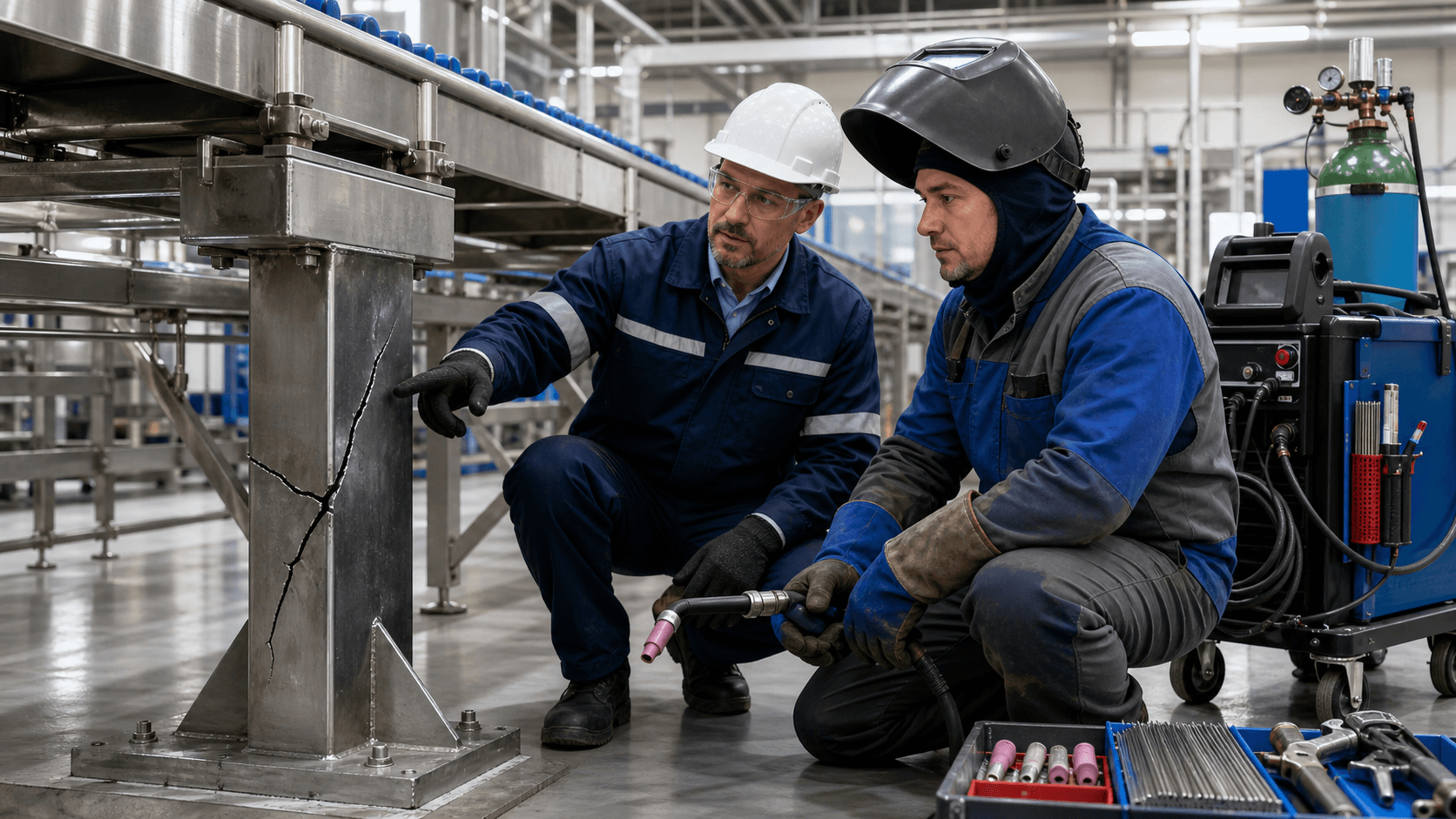
- Cracks coming back in the same spot, even under normal service
- Bent or distorted members around the weld area
- Leaks at flanges, nozzles, or seams that return after each repair
- Visible weld defects like porosity, undercut, slag left in the weld, or clear lack of fusion
At that point, you are not just fixing wear and tear. You might be dealing with metal fatigue, poor joint design, or heat damage from earlier repairs. That is where industrial welding services change the picture. Certified welders follow written procedures, control preheat and interpass temperatures, and match weld processes to the base metal and service conditions. This matters even more in refineries, plants, and automated lines where a failed weld can hit people and production at the same time.
There is also a liability side. When leadership knows there is a recurring weld problem and keeps patching instead of calling qualified help, it can look bad during an OSHA visit or internal investigation. A preventable failure after warning signs have been seen can lead to longer shutdowns, more questions, and more paperwork than anyone wants.
Code-Governed Work and When Compliance Is Not Optional
Not every weld in your facility falls under a code, but many of the important ones do. Work tied to AWS or ASME codes usually includes things like:
- Process piping repairs and tie-ins
- Pressure vessels and tanks that are part of production
- Boiler-related welds and attachments
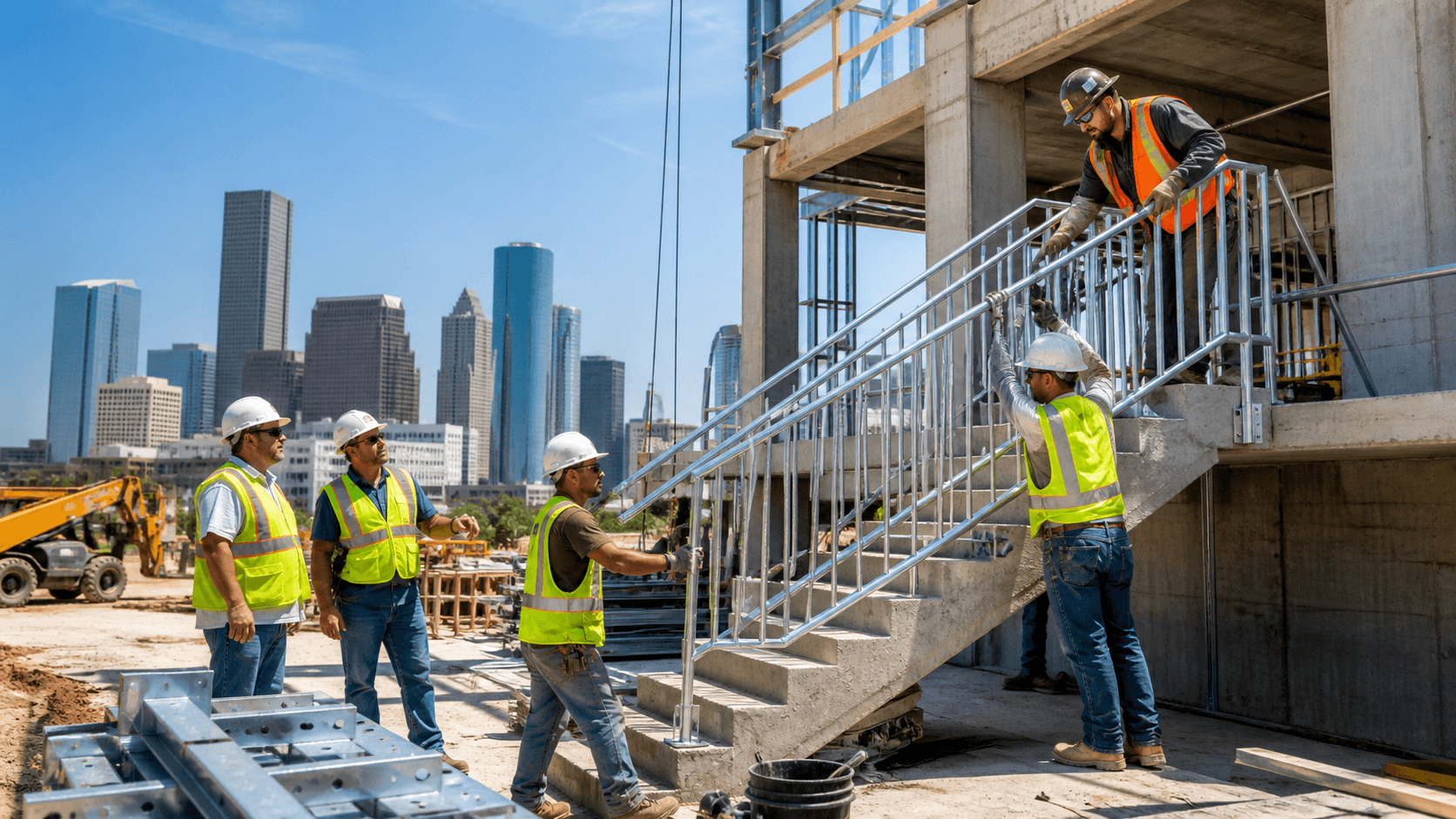
- Structural steel changes, such as new beams, columns, or bracing
- Critical support frames for heavy equipment
Once you are in that world, a "good looking weld" is not enough. You need qualified procedures, qualified welders, and documentation that proves both. That is where welding procedure qualification records and welder performance qualifications come in. Inspectors, insurers, and corporate safety teams expect to see those records when the work touches code-governed systems.
A contractor that works with AWS and ASME expectations all the time can sit down with your plant engineers, review drawings, and design a repair that fits both the code and your schedule. They can perform the welds in the field or in a controlled shop setting, and then hand over traceable documents so that the next audit is less stressful.
Fall is when a lot of facilities plan outages and turnarounds. It is a smart time to sort out which pending jobs touch code work, get them engineered, and bring in industrial welding services before winter demand and early-year inspections stack up.
Downtime, Deadlines, and When Speed Really Matters
As you move into late Q3 and Q4, the calendar gets tight. There are rush orders to fill, holidays on the horizon, and customers pushing for year-end deliveries. An unexpected weld failure during this stretch can throw off your whole plan.
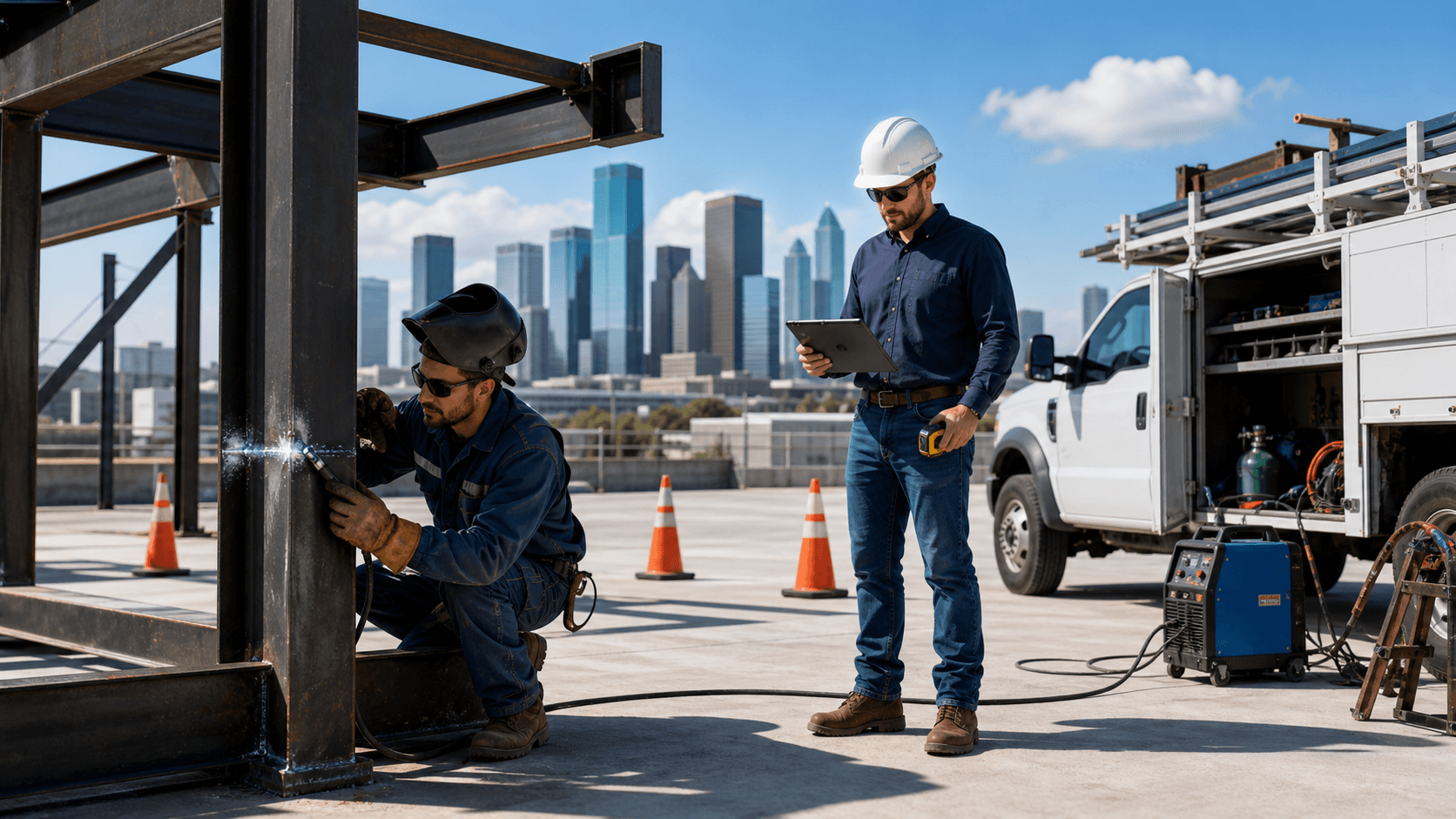
Maintenance crews are usually pulled in ten directions. They may not have the tooling, jigs, or processes ready for a complex repair on short notice. Mobile industrial welding services are built for that kind of response. A typical setup includes:
- Fully equipped service trucks with power, tools, and rigging
- Multiple welding processes ready to use, like SMAW, GTAW, FCAW, and GMAW
- The ability to fabricate parts on site when the original is too damaged
- Crews that are used to working around running operations
With a trusted welding partner already familiar with your facility, what could have been a multi-day scramble can often be turned into a planned shutdown window with a documented repair. You keep your deadlines, your people stay safer, and you are not hoping a rushed patch will survive until "things slow down."
In Texas, fall still feels warm, but outdoor structural work is usually more comfortable than peak summer. Long days, less heat stress on crews, and fewer weather delays all help weld quality and inspection.
Beyond Temporary Fixes: Structural and Custom Metalwork
Not all important welds are on tanks and pipe. A lot of risk sits in the steel that helps people move and work: platforms, catwalks, mezzanines, skids, and supports for tanks, ductwork, and cable trays. These are often too big or tied-in to remove, so they live in that gray area between shop work and field repair.
These projects call for shop-quality fabrication with field-accurate fit-up. Mobile industrial welding services bridge that gap. Instead of guessing from old prints, a good team will:
- Take real measurements in the field
- Plan material sizes and connection details with your engineers
- Prefab as much as possible before showing up on site
- Sequence install work to fit around production and access needs
The result is more than just "steel that fits." You get safer access for operators and inspectors, cleaner layouts for future maintenance, and structures that do not need to be cut apart and redone every time you add one more line or tank.
How to Decide Between a Maintenance Ticket or a Welding Specialist
So how do you know when to keep it in the maintenance queue and when to call in industrial welding services? A simple mental checklist can help:
- Is the part structural, load-bearing, or pressure-retaining?
- Has this area failed before during normal operation?
- Does any code, insurer rule, or corporate standard apply?
- Would an unplanned failure here force a shutdown or put people at risk?
If you answer yes to any of these, or if the true cost of downtime per hour makes your head hurt, it is worth bringing in a welding specialist to take a look. An on-site review can cover existing welds, the way the equipment is used now versus when it was installed, and hidden issues like corrosion, vibration, or process changes.
Building an ongoing relationship between your maintenance leaders and a welding contractor makes this even smoother. When a surprise crack shows up, you already know who to call, they already know your plant, and approvals can move faster.
Turn Critical Repairs Into Planned Upgrades
Fall is a good time to pull out the mental list of "stuff we keep nursing along" and treat it as a project. Chronic leaks on that one spool, cracked supports that get re-welded every few months, ladder cages that never quite lined up, guards that workers dislike and quietly remove, all of these are candidates for real fixes instead of more patches.
Review those areas with a fresh eye and decide which ones belong with maintenance and which ones deserve industrial welding services, engineered repairs, or new fabricated pieces. Turning problem welds into planned upgrades protects your people, your production, and your profit as you move into year-end work and next year's goals.
Weldit is a certified mobile welding and fabrication contractor serving major Texas markets, focused on AWS and ASME code compliance. Our job is to bridge the gap between shop-quality fabrication and on-site repairs for plants, refineries, contractors, and property owners who are ready to stop patching the same problems and start fixing them for the long term.
Get Started With Your Project Today
If you are ready to move your facility upgrades forward with dependable results, Weldit is here to help. Explore our specialized industrial welding services to see how we support complex commercial and industrial projects. Then reach out through our contact page so we can review your specifications, discuss timelines, and provide a clear, detailed plan for your next welding project.