Why Industrial Welding Repairs in Houston Fail a Second Time
When a weld fails, gets "fixed," and then fails again, it does more than ruin your day. It can stall a line, force overtime, and throw off the whole production schedule. Many Houston plants deal with this repeat failure cycle on the same pieces of pipe, structural supports, or equipment connections.
The second failure is almost always more painful than the first. Now you have emergency call-outs, rush delivery on parts, safety reviews, and worried leadership asking what went wrong. If the weld was repaired, why did it crack, leak, or pull apart again after only a few weeks or months? In this article, we will walk through why industrial welding repairs in Houston often do not last, how local conditions make weak welds fail faster, and what maintenance and operations leaders can do to stop the repair, fail, repair loop before the year-end push hits full speed.
Hidden Root Causes Behind Repeat Weld Failures
Repeat weld failures usually have deeper causes hiding behind the surface. They are rarely just about one bad weld pass.
One big issue is design. When the original joint is not designed well, any repair is just a band-aid. Common design-related problems include:
- Poor joint design or wrong weld size for the load
- Welds buried in tight, hard-to-reach spots
- Joints placed where vibration and movement are highest
In refineries, chemical plants, and fabrication shops around Houston, metal often lives in high vibration and cyclic loading. Over time, small movements cause fatigue. If the joint was never meant to carry that kind of repeated stress, even a nice-looking repair will not hold.
Material problems are another quiet troublemaker. Things we see often are:
- Mismatched filler metal with the base metal
- Using carbon-steel-style repairs on stainless or specialty alloys
- Old coatings, oil, chlorides, or previous repair material left in the weld zone
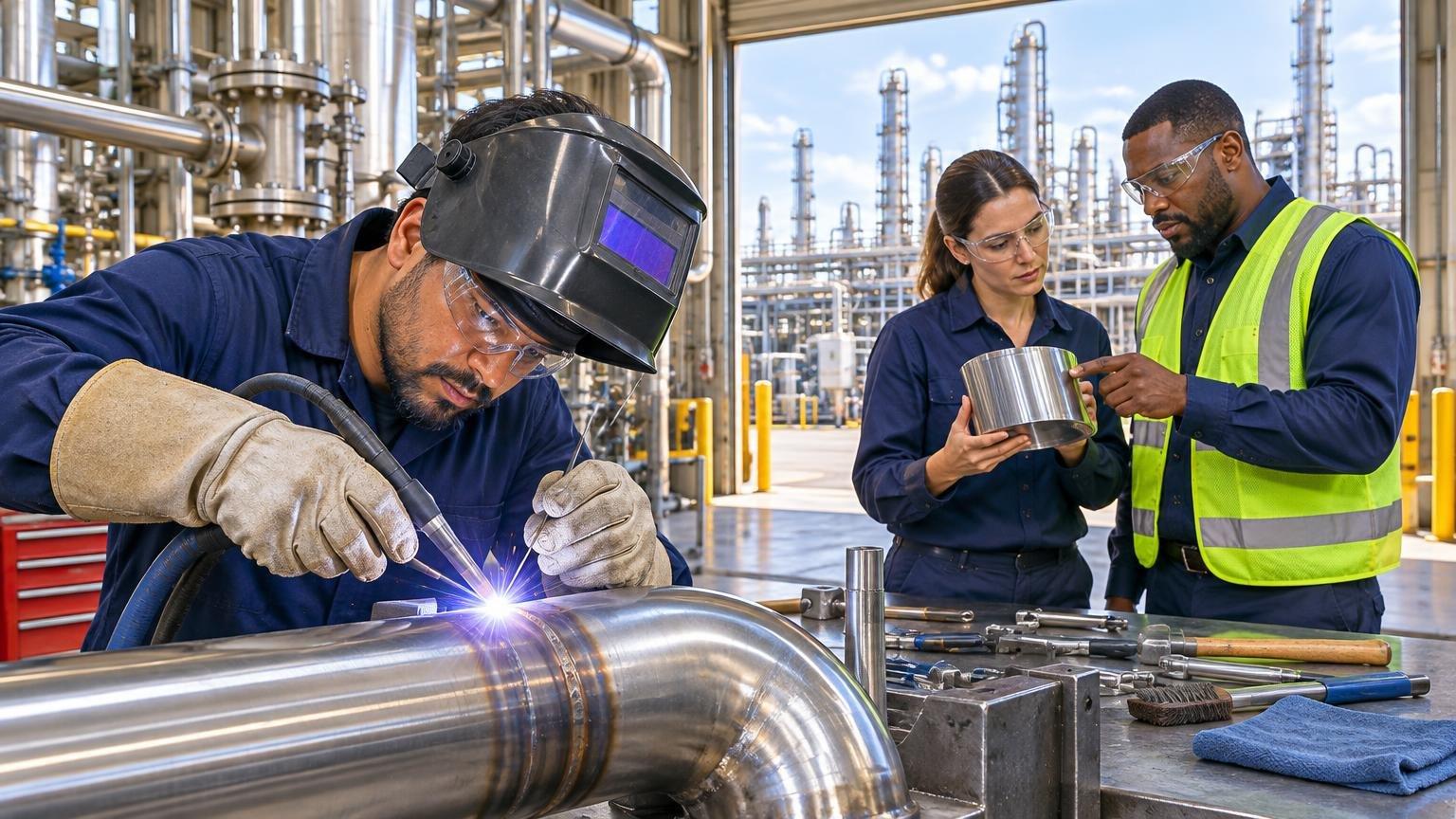
All of these can lead to cracking, corrosion, or early wear. This is where certified welders who understand AWS and ASME code rules for different alloys and service conditions really matter. The right filler, prep, and procedure make a huge difference in how long the repair lasts.
Then there is the Houston environment itself. High humidity, heat, and coastal air speed up corrosion on marginal welds. When equipment has to work harder as production ramps up toward the end of the year, weak spots that seemed fine under light duty can suddenly show themselves. When a weld fails twice, it is usually a system problem, not just a "bad welder."
When Shortcuts Turn Repairs Into Liability Time Bombs
In a rush, it is tempting to ask for a quick patch so production can get back online. But the shortcuts that save an hour today can create a failure that shuts you down tomorrow.
One of the biggest shortcuts is poor prep. If a repair starts without proper grinding, cleaning, beveling, or full removal of the old bad weld, you get:
- Weak fusion with the base metal
- Trapped slag, porosity, and cracks
- Layers of problems hidden under a shiny new cap pass
Fit-up is just as important. Big gaps, misalignment, or bad backing force a welder to "chase" problems with extra passes and creative techniques. It might look okay from a distance, but the internal quality is often not there.
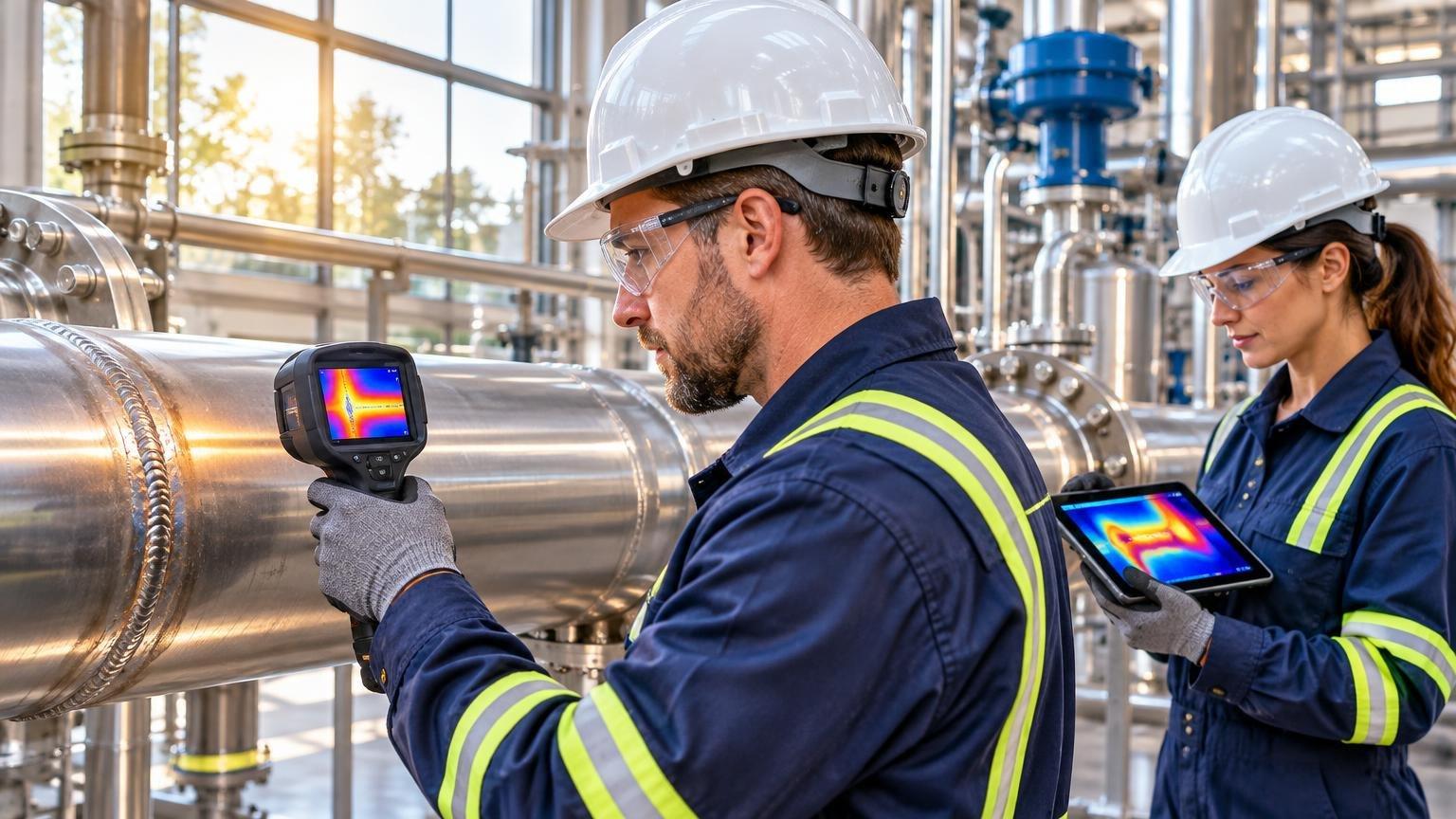
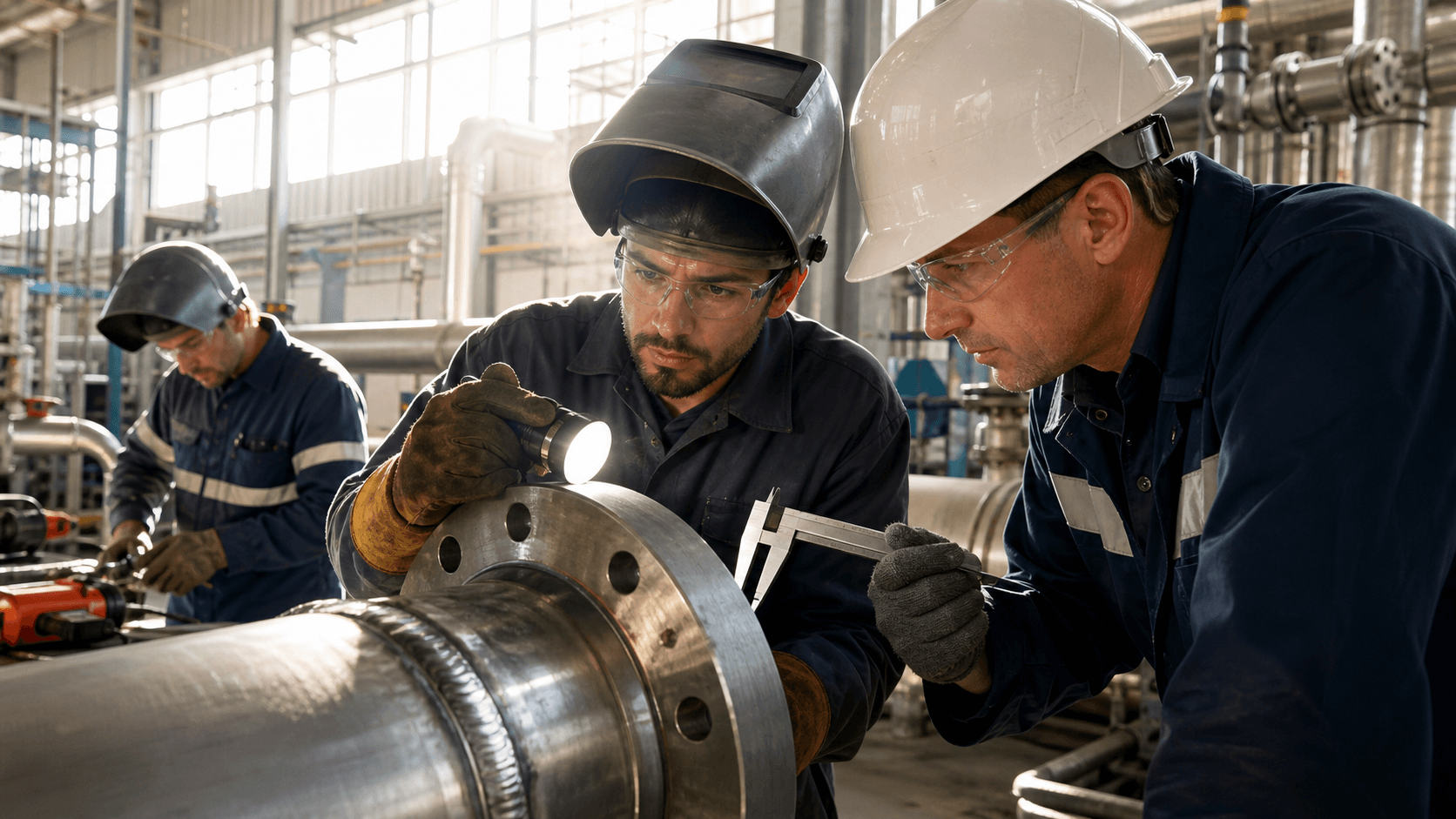
Another common issue is skipping proper procedures and inspection. When welding is done without a qualified Welding Procedure Specification or with welders who are not qualified for that position, process, or material, you are relying on luck. Only using a quick visual check and skipping needed NDT like MT, PT, UT, or RT leaves hidden defects in place. On top of that, when ASME rules call for post-weld heat treatment or stress relief and it gets skipped, the weld can be left hard and brittle, ready to crack under stress.
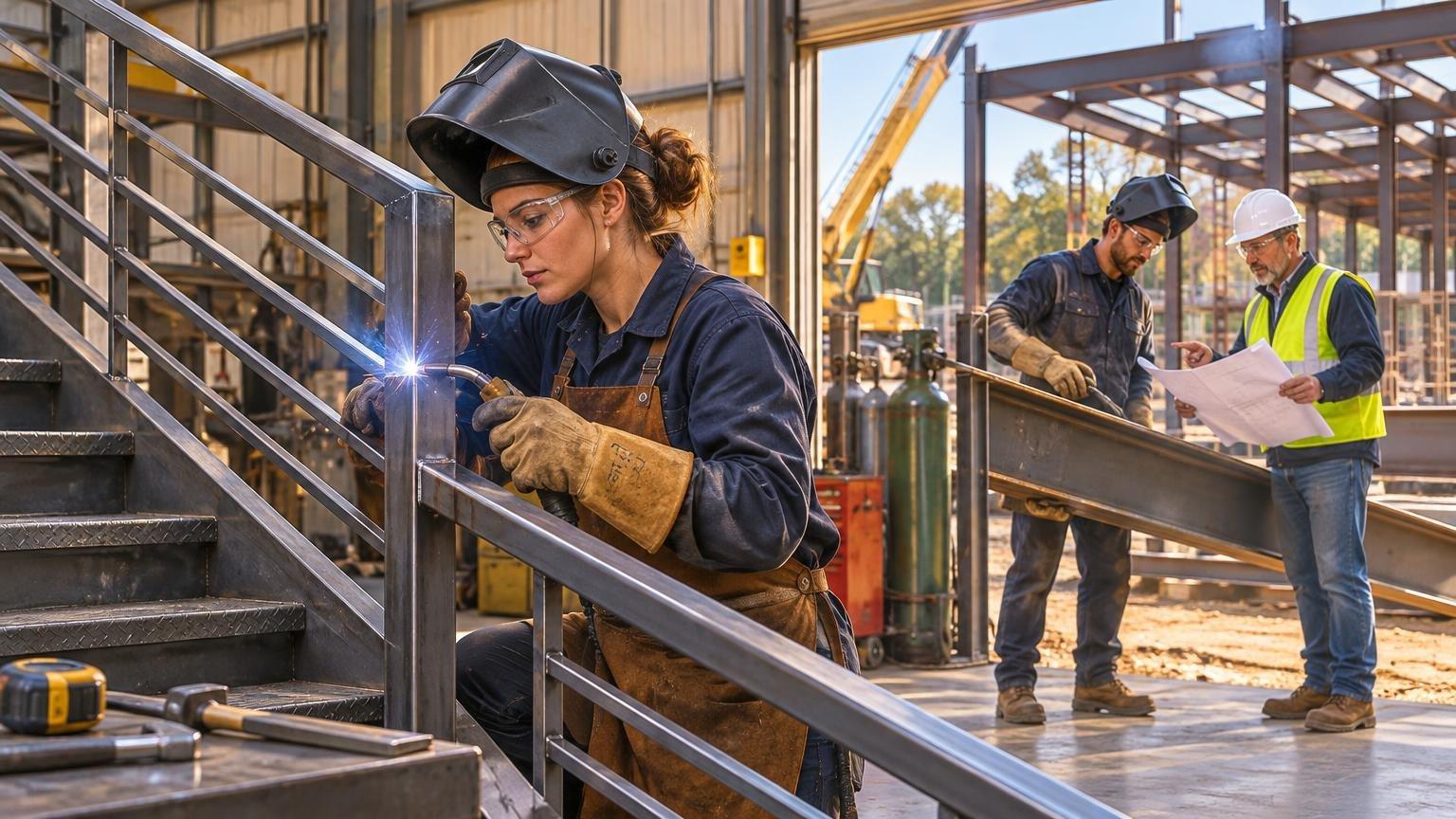
Houston has many "mobile welding" options, but not all are equal. Some show up with a truck and a machine, but no code-compliant procedures, no real documentation, and no insurance that fits industrial work. Choosing the lowest bid that promises quick and cheap repair can turn into a liability time bomb when that weld fails during peak production.
Why Houston Facilities Need Code-Compliant Repair Partners
For industrial work, AWS and ASME codes are not just paperwork. They are the rulebook for how critical welding repairs should be planned, performed, and checked. They set minimum standards for:
- Welding procedure qualification
- Welder qualification for each process and position
- Required inspection and testing steps
Code compliance shapes how a repair is engineered, not just how it looks on the outside. It helps make sure the weld will survive real pressure, temperature, and movement, not just pass a quick inspection on the day of the repair.
Across Greater Houston, many plants work in tough conditions. Oil and gas, petrochemical, power generation, construction, and heavy manufacturing all have their own mix of pressure, temperature, corrosive media, and fatigue cycles. Repairs in these settings must stand up to long hours, high throughput, and repeated starts and stops.
A strong mobile welding and fabrication team can bring shop-quality procedures and equipment straight to the field. That includes prequalified procedures, proper joint prep tools, and the ability to both diagnose problems and fabricate improved components. The goal is not just to put metal back where it broke, but to understand why it failed and how to keep it from failing again.
Seasonal Pressures and Why Late-Year Repairs Fail Fast
Toward the end of the year, many Houston facilities push hard to hit production targets while also trying to squeeze in maintenance before planned outages and the holiday period. This crunch often leads to rushed decisions.
In that rush, it is easy to approve "good enough" weld repairs that only address the visible crack or leak, not the root causes like stress, corrosion, or long-term fatigue. Those quick fixes may last for a few weeks during a lighter cycle, then fail right when output ramps back up.
Even though Houston stays warm, seasonal shifts still bring meaningful temperature changes and more frequent start-stop cycles. Long runs of pipe, structural steel, and process equipment expand and contract with those swings. A weld that barely held under steady summer heat can start to crack once daily temperature ranges change and equipment cycles more often.
Plants that stay ahead of this do a few key things:
- Plan thorough inspections before the busiest production window
- Flag recurring trouble spots instead of just patching them again
- Prioritize welds on high-pressure, high-temperature, or high-vibration systems
By planning smart repairs early, facilities can reduce surprise shutdowns during peak demand.
How Weldit Helps Houston Plants Break the Failure Cycle
At Weldit, we focus on breaking the patch job mindset. When we are called to an industrial welding repair in Houston, we start with simple questions: How has this failed before? What are the real loads, temperatures, and vibrations here? Is there a design or material mismatch at play?
From there, we work to fix the cause, not just the symptom. That could mean changing joint details, recommending different materials, or reinforcing known weak areas. Our goal is to extend service life so you are not calling for the same repair again in a few months.
We provide certified mobile welding backed by AWS and ASME code compliance, along with welder qualifications and procedure records that can stand up to audits and safety reviews. Our mobile units are set up to bring shop-level quality straight to plants and job sites across Houston and other major Texas metros, which helps reduce transport delays and downtime. By pairing solid repair work with a root cause mindset, we help maintenance and project teams turn recurring weld failures into reliable, long-term fixes.
Get Started With Your Project Today
If you are facing downtime or safety concerns, Weldit is ready to handle your industrial welding repairs in Houston with reliable, on-time service. We will review your project requirements, assess the condition of your equipment, and recommend practical repair options that fit your schedule. To discuss timelines, pricing, or urgent repair needs, simply contact us and we will follow up promptly.